



Reader rating
Rate it and you move it. Community ratings re-rank this product inside its Top 10 list.
Expert-picked, reader-ranked. Our editors choose the products and the launch order; member star ratings move picks up or down over time.
The area immediately surrounding the small town of Field, BC, within Yoho National Park, offers a cluster of excellent, easily accessible ice climbs that deserve their own mention. These routes often see good conditions early in the season and can be a solid alternative to the busier sections of the Parkway. The proximity to the Trans-Canada Highway makes for quick access, and the impressive mountain backdrop of the President Range provides a truly inspiring setting. It's a great spot for a focused day trip or as a base for exploring Yoho and further into the BC Rockies. Field itself offers very limited services (a small store, a few accommodations). Lake Louise, Alberta, is the nearest full-service town, about 25 minutes east. The season runs from late November to late March. Climbs here generally range from WI3 to WI5, offering good options for intermediate climbers and those looking for reliable, shorter routes. A Parks Canada pass is required. The main trade-offs are the limited local amenities and the potential for heavy snow on the BC side, which can increase avalanche risk on approaches.
Pros
- Quick access from Trans-Canada Highway
- Consistent early season conditions
- Concentration of excellent routes (WI3-WI5)
- Stunning mountain scenery, less crowded than Parkway
- Good options for intermediate climbers
Cons
- Very limited services in Field, BC
- Potential for heavy snowfall and increased avalanche risk
- Some routes can see higher traffic on weekends
- Remote location requires self-sufficiency
Best uses
- Focused day trips
- Intermediate skill progression
- Early season climbing
- Base for Yoho exploration
Specifications
- Location
- Yoho National Park, BC, Canada
- Climbing Season
- Late November to late March
- Typical Grades
- WI3 - WI5
- Access
- Trans-Canada Highway
- Nearest Town
- Field, BC (limited services)
- Permit Required
- Parks Canada Pass
Best for
Focused day trips, Intermediate skill progression, Early season climbing, Base for Yoho exploration
Nestled in the heart of Yoho National Park, the area around Field, British Columbia, offers a concentrated cluster of high-quality ice climbs, earning its spot as a standout destination. This region presents a compelling alternative to the often-busier routes found further east along the Icefields Parkway, particularly early in the ice season. Its proximity to the Trans-Canada Highway is a significant advantage, providing remarkably quick access to several impressive climbs. The climbing itself is set against the dramatic backdrop of the President Range, contributing to an inspiring and classic Canadian Rockies experience. The geology here is complex, contributing to unique ice formations and robust anchors. Field serves well for dedicated day trips or as a strategic base for deeper exploration into Yoho's backcountry and the broader BC Rockies. While the town of Field itself is small, offering only essential services, its accessible location makes it a practical hub. This area shines for its consistent conditions and a range of routes suitable for intermediate climbers, providing a reliable and visually stunning ice climbing experience.
Geography & Terrain
The climbing around Field is characterized by its location within a narrow mountain valley, flanked by towering peaks of the Canadian Rockies. Yoho National Park's landscape is steep and rugged, with a distinct geology of shale and limestone, contributing to the formation of numerous waterfalls that freeze into climbable ice. The valley floor is relatively flat in places, allowing for quick approaches to routes that cascade down from higher elevations. This geological setting creates a mix of pillar and slab climbs, often forming in predictable drainages. The sheer scale of the surrounding peaks, including the President Range, provides a grand, encompassing backdrop for every ascent.
Best Season & Weather
The prime ice climbing window extends from late November through late March. Early season often sees favorable conditions, making it a reliable spot when other areas might still be forming. Temperatures typically range from -5°C to -25°C during the peak winter months, necessitating proper layering. While the BC side of the Rockies generally receives more snowfall than Alberta, this can contribute to thicker ice formations. However, it also means increased avalanche risk, particularly on approaches to routes higher up or those in larger gullies. Stable high-pressure systems bring clear skies and colder temperatures, ideal for climbing.
Wildlife & Nature
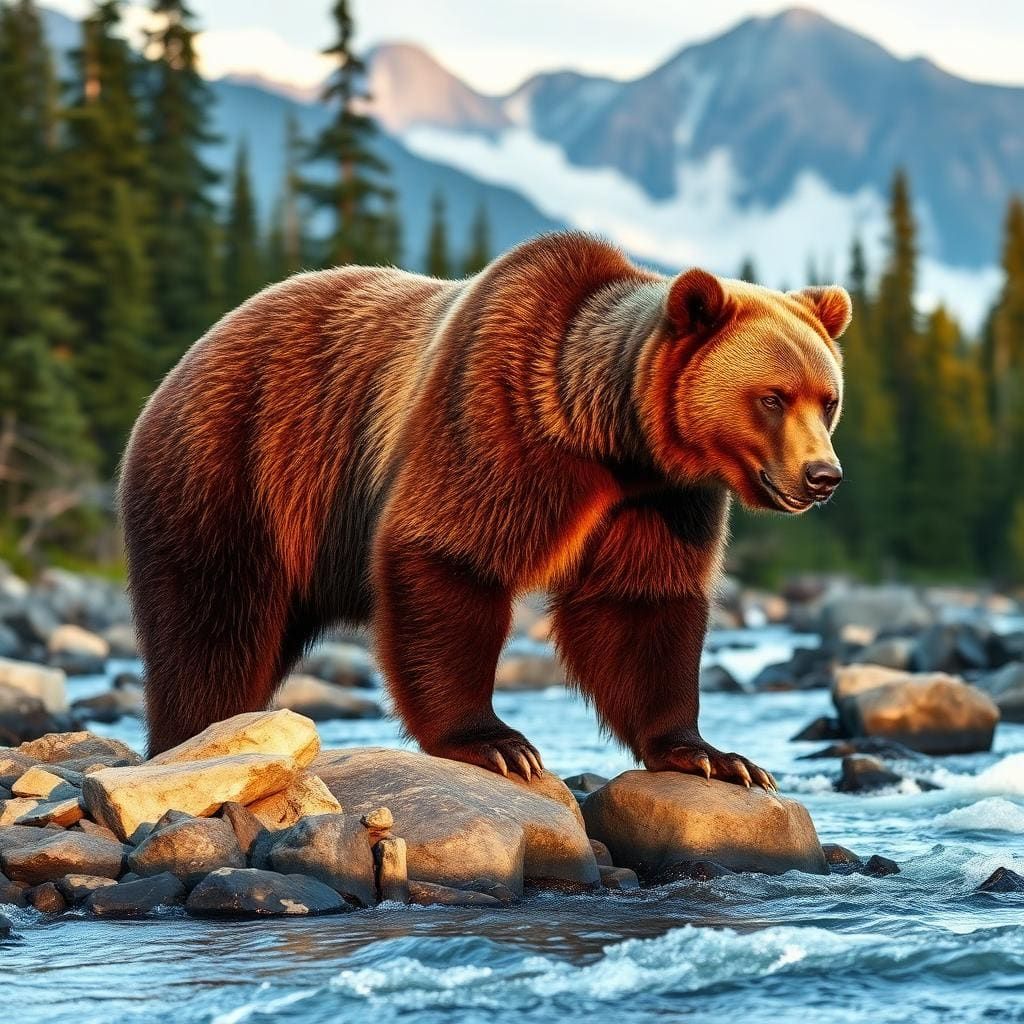
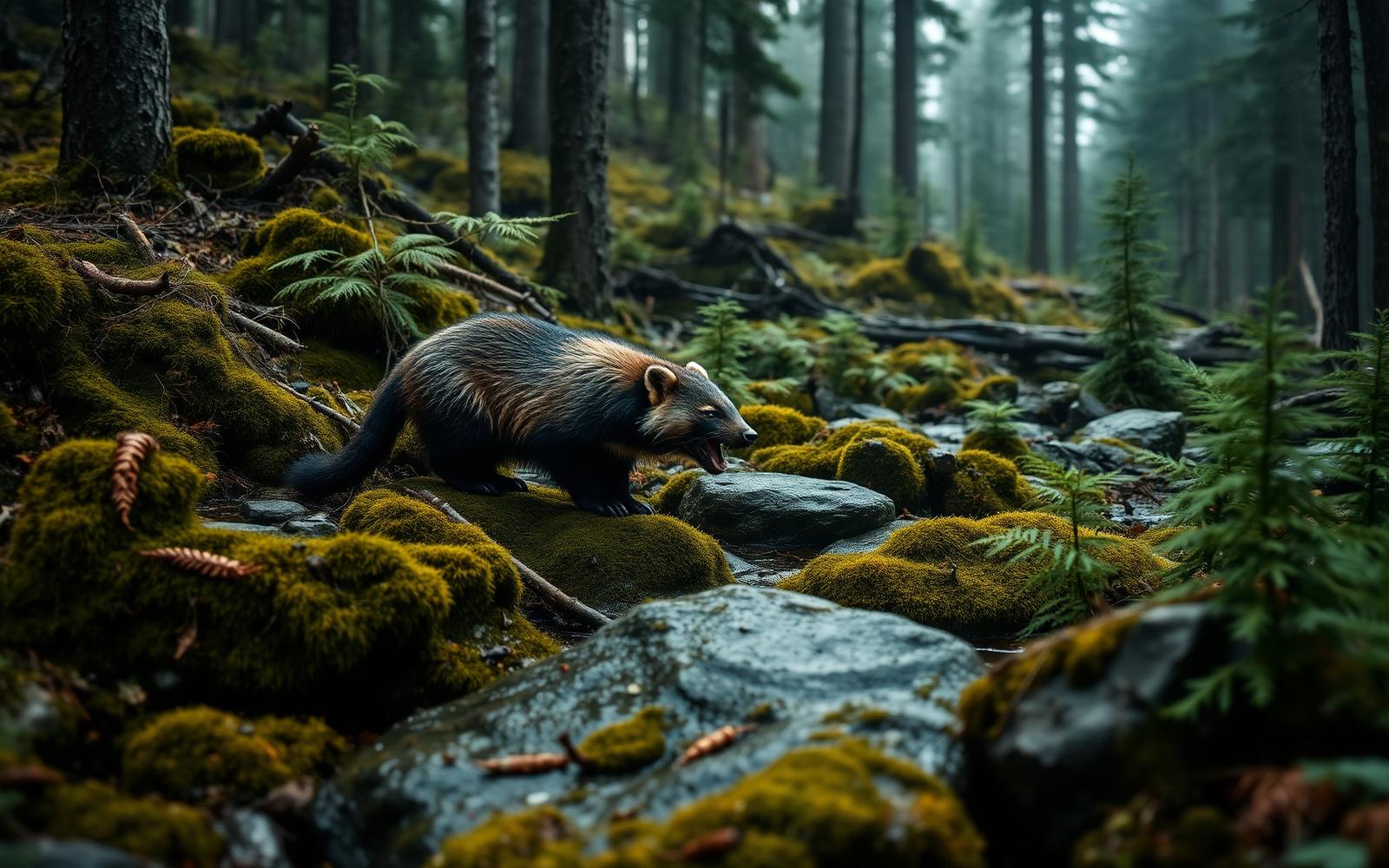
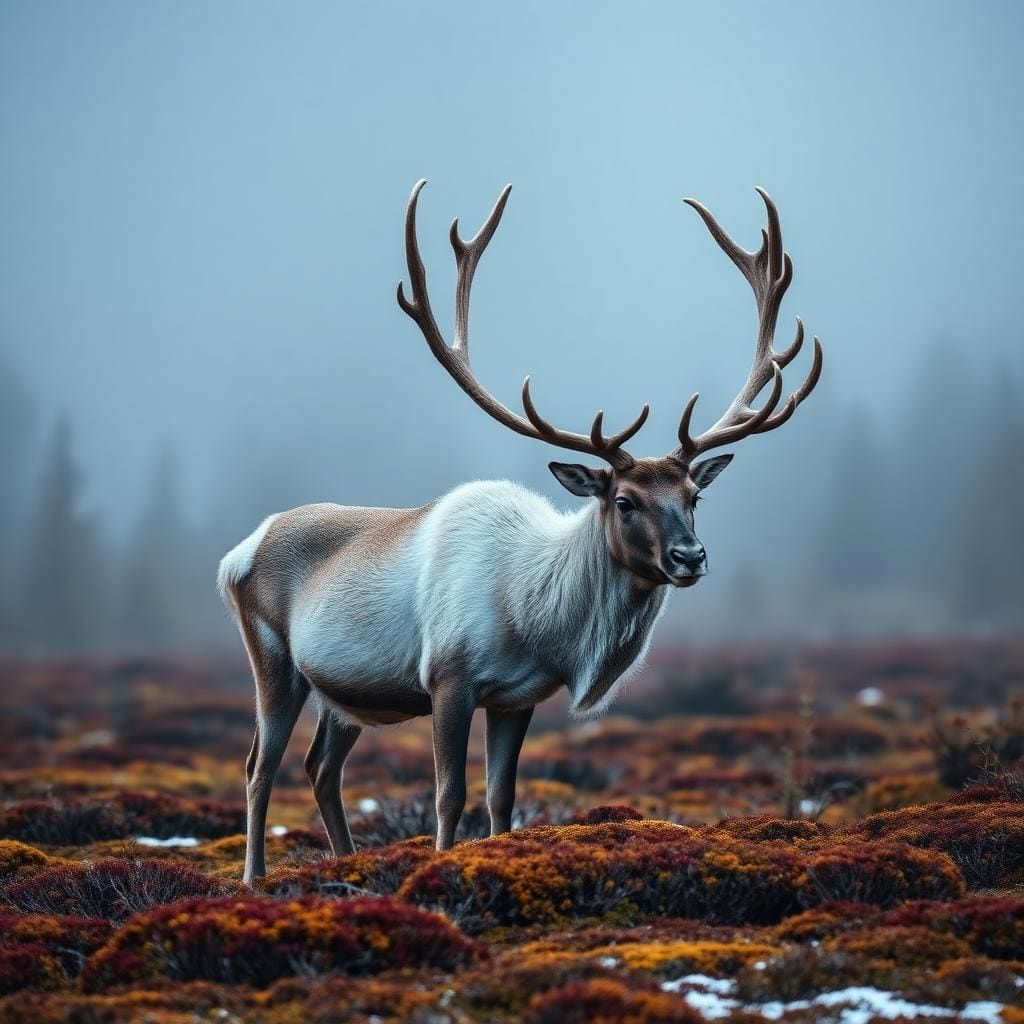
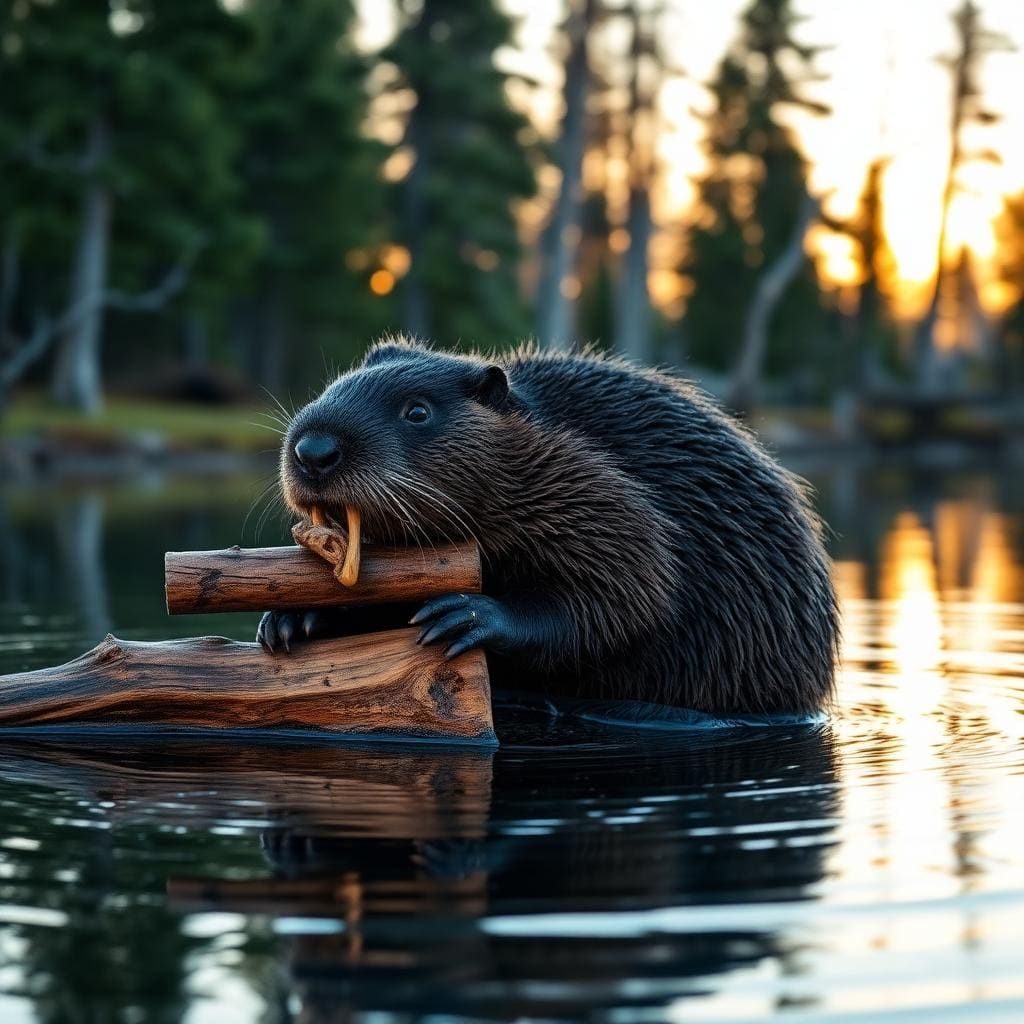
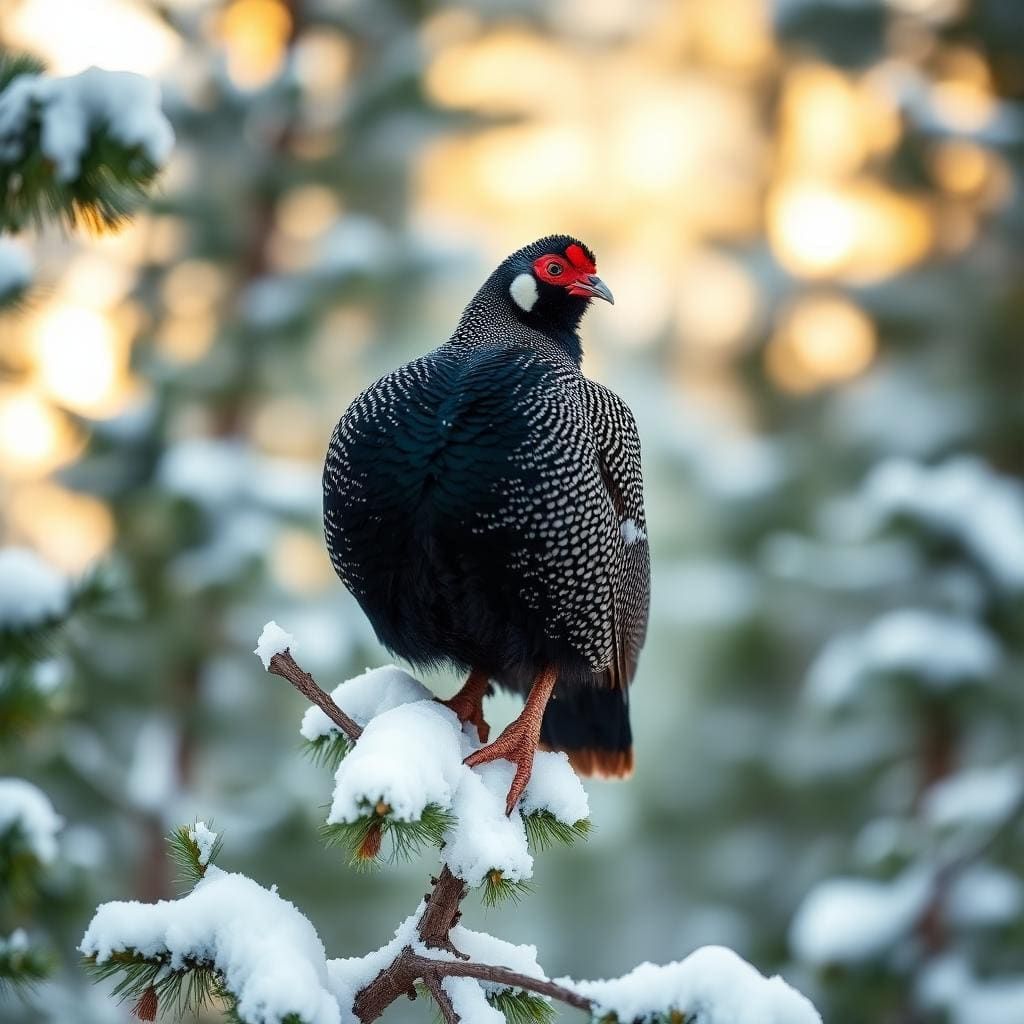
Yoho National Park is home to a diverse array of wildlife, though encounters during the winter climbing season are less frequent than in summer. Common sightings can include elk, moose, and various species of deer. Smaller mammals like pine martens, snowshoe hares, and squirrels are more active. While rare, signs of larger predators such as wolves and cougars can be present, especially in more remote areas. Birdlife includes ravens, eagles, and specific winter species like Canada jays. Climbers should always practice Leave No Trace principles and be aware of their surroundings, respecting wildlife and their habitat.
Key Routes & Attractions
The Field area boasts several classic ice climbs. "Pilsner Pillar" (WI4) is a popular choice, known for its consistent ice and accessibility. "The Curtain" (WI6) offers a significant challenge for experienced climbers. "Massey's" (WI3-4) provides excellent options for developing skills. Beyond specific climbs, the overall allure lies in the concentration of routes and the stunning views of the surrounding peaks, including Mount Stephen and Mount Dennis. For those looking for a rest day or different scenery, nearby Emerald Lake offers scenic cross-country skiing and snowshoeing, complementing the ice climbing experience.
Permits & Access
A valid Parks Canada Pass is required for entry into Yoho National Park. These passes can be purchased at park gates or online. Most of the climbs in the Field area are accessed directly from or very near the Trans-Canada Highway, involving relatively short approaches. Parking is generally well-defined, but winter conditions can limit space. Avalanche safety gear – beacon, shovel, probe – and knowledge of its use are essential, as many approaches and routes are exposed to avalanche terrain, particularly after significant snowfall. Checking the Parks Canada avalanche forecast is a critical pre-trip step.
How we picked
We built this ranking from trip reports, agency data, permit records, and our editors' own time on the ground. 10 places made the final cut out of a much longer working list, and each one had to clear the same set of criteria before it earned a spot.
- Quality of the terrain
- Landscape, route variety, and whether the place rewards multiple days rather than one overlook.
- Season and weather windows
- How long the reliable window is, and how badly the shoulder seasons punish a bad forecast.
- Access and permits
- Trailhead logistics, permit odds, quotas, and how much lead time a trip realistically takes.
- Solitude vs. crowding
- How far you have to walk before the place feels like wilderness instead of a queue.
- Wildlife and ecology
- What you can reasonably expect to see, and what you have to plan around.
- Risk and skill required
- Navigation, water crossings, exposure, and rescue distance — stated plainly.
Field, British Columbia Area — frequently asked questions
- Is Field, British Columbia Area worth the trip?
- We rank it #9 in Canadian Rockies Ice Climbing. The area immediately surrounding the small town of Field, BC, within Yoho National Park, offers a cluster of excellent, easily accessible ice climbs that deserve their own mention. These routes often see good conditions early in the season and can be a solid alternative to the busier sections of the Parkway.
- Who is Field, British Columbia Area best for?
- Best for focused day trips, intermediate skill progression, early season climbing and base for yoho exploration. Standouts: quick access from trans-canada highway and consistent early season conditions.
- What are the drawbacks of Field, British Columbia Area?
- Very limited services in Field, BC, Potential for heavy snowfall and increased avalanche risk and Some routes can see higher traffic on weekends.
- What are the key details for Field, British Columbia Area?
- Location: Yoho National Park, BC, Canada · Climbing Season: Late November to late March · Typical Grades: WI3 - WI5 · Access: Trans-Canada Highway · Nearest Town: Field, BC (limited services)
- Geography & Terrain — what should I know about the Field, British Columbia Area?
- The climbing around Field is characterized by its location within a narrow mountain valley, flanked by towering peaks of the Canadian Rockies. Yoho National Park's landscape is steep and rugged, with a distinct geology of shale and limestone, contributing to the formation of numerous waterfalls that freeze into…
- Best Season & Weather — what should I know about the Field, British Columbia Area?
- The prime ice climbing window extends from late November through late March. Early season often sees favorable conditions, making it a reliable spot when other areas might still be forming.
Where on earth
Satellite imagery flying in from a world view to Field, British Columbia Area, British Columbia, Canada. Use the + / − buttons, or click the map to zoom with your scroll wheel; drag to pan and pinch to zoom on touch.
Field, BC V0A 0A4, Canada · 51.395, -116.490
Wildlife found around Field, British Columbia Area



Compare side by side
Put the Field, British Columbia Area against any other pick on this list — specs, price, pros, cons and reader ratings.