


Reader rating
Rate it and you move it. Community ratings re-rank this product inside its Top 10 list.
Expert-picked, reader-ranked. Our editors choose the products and the launch order; member star ratings move picks up or down over time.
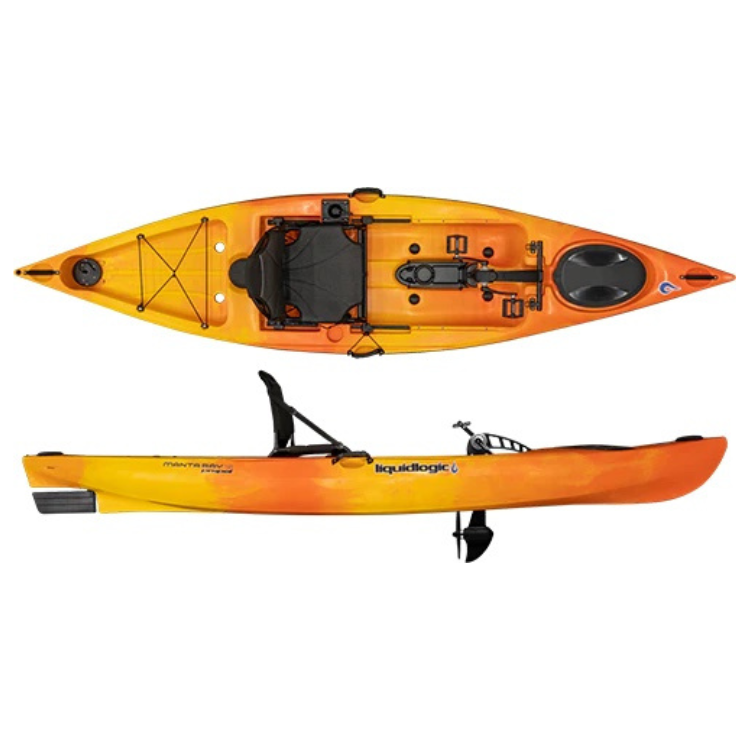
The Liquid Logic Manta Ray 12 is a classic, versatile sit-on-top kayak engineered for paddlers who split their time between casual recreation, river cruising, and flats fishing. Liquid Logic designed the Manta Ray with a distinct flared bow and a pronounced keel line, allowing it to punch through coastal chop and maintain straight-line tracking better than standard flat-bottom sit-on-tops. Its hull geometry provides a dependable balance between initial stability for casting and secondary stability when leaning into turns. Comfort is managed by an integrated frame-style padded seat that lifts the paddler slightly off the deck floor, preventing puddling water from soaking through your gear. The deck layout provides ample utility, featuring molded-in rod storage options, deep recessed gear trays, and an expansive stern tankwell secured with bungee tie-downs. The heavy-duty rotomolded construction handles rocky river beds, shallow shoals, and drag-and-drop launches without structural concern. As with most rugged 12-foot rotomolded sit-on-tops, handling the Manta Ray on dry land requires effort. Its broad shoulders and stout hull mean it is heavy to cart around solo. Furthermore, while the seat is comfortable, it does not sit as high as modern elevated fishing-frame seats, which some specialized anglers may prefer for sight-casting. **Highlights** - Flared bow design rides over surface chop cleanly without plowing water - Pronounced keel tracking profile enhances efficiency on wide open waters - Comfortable framed seating system keeps paddlers elevated above deck splash - Rugged rotomolded hull construction built to withstand riverbed scrapes - Generous cargo space with front dry storage and open rear tankwell **Watch-outs** - Heavy to carry, load, and manage without the assistance of a cart - Low-profile seating position offers less elevation for sight-fishing
Pros
- Punches cleanly through surface chop thanks to a flared bow profile
- Substantial rotomolded hull easily endures rocky scrapes and river beds
- Pronounced keel enhances straight tracking on windy, open flatwater
- Framed seat provides firm lumbar support while draining splash water
Cons
- Substantial deadweight makes solo car-topping and portaging difficult
- Lower seating height reduces sight lines compared to high fishing chairs
- Lacks modular gear tracks found on modern purpose-built angling kayaks
Best uses
- Coastal and Bay Touring
- Slow-Moving River Exploration
- Inshore Light Tackle Fishing
- Recreational Weekend Paddling
Specifications
- Hull Type
- Sit-on-top crossover
- Material
- Rotomolded polyethylene
- Length
- 12 feet
- Target Price
- Around $769
- Target Water
- Lakes, slow rivers, and coastal bays
- Seating Style
- Elevated frame-style padded seat
Pricing
We don't publish a price we haven't verified. The retailer links below open the live listing for this exact model.
Full catalog listing & offersBest for
Coastal and Bay Touring, Slow-Moving River Exploration, Inshore Light Tackle Fishing, Recreational Weekend Paddling
Where to buy the Manta Ray 12
Prices and stock change often, so check the current Amazon offer before you buy.
Some links are affiliate links. Buying through them supports our testing at no extra cost to you.
The Liquid Logic Manta Ray 12 is a venerable crossover sit-on-top designed to handle everything from calm inland reservoirs to choppy tidal estuaries. Built by a manufacturer with deep roots in whitewater design, the boat targets paddlers who want a sturdy platform that tracks well on open water without handling like an unresponsive barge. Sitting near the $769 mark, it serves as a functional, accessible entry point for day touring, shoreline exploring, and casual angling. What distinguishes the Manta Ray from purely flat recreational hulls is its pronounced keel line and flared bow geometry. Instead of slapping into wake and chop, the hull cuts through surface disturbance smoothly, offering predictable secondary stability when conditions turn turbulent. The deck configuration reflects thoughtful recreational ergonomics, combining dry hatch storage, an open stern well, and an integrated frame seat that keeps paddlers slightly elevated above deck wash. The primary trade-offs reflect its traditional rotomolded construction and multi-purpose intent. Moving a 12-foot solid plastic boat ashore requires honest effort, and the seat does not offer the towering vantage point demanded by dedicated sight-casting anglers. For all-around recreation, however, it remains a durable, predictable workhorse.
Intended Paddler Profile
The Manta Ray 12 is best suited for paddlers looking for an unpretentious, all-around craft that handles varied water conditions without requiring specialized outfitting. It is ideal for day paddlers who frequent mixed environments, spending one weekend navigating gentle river bends and the next paddling across wind-swept bays or coastal flats. Anglers who prefer light-tackle fishing rather than hauling extensive electronics or towering crates will appreciate the clutter-free, functional layout. However, it is not built for multi-day open-ocean expeditions or technical whitewater runs. Paddlers who prioritize ultralight transport or those who require high-riding pedestal seats for sight-casting will find modern fishing-specific boats better aligned with their goals. For recreational users wanting reliable stability, dependable tracking, and low-maintenance durability, the Manta Ray hits a practical sweet spot.
Hull Dynamics and Tracking
Many 12-foot sit-on-top hulls suffer from sluggish responsiveness or wander uncontrollably when hit by crosswinds. Liquid Logic mitigates this by applying a pronounced keel line paired with an upswept, flared bow. On the water, this geometry produces noticeably crisp straight-line tracking across open lakes and sheltered bays. The flared bow pushes through boat wakes and coastal chop rather than plowing into water, keeping the cockpit relatively dry compared to blunt-nosed recreational alternatives. Initial stability is solid enough to inspire confidence when adjusting gear, while the secondary stability engages smoothly as the hull edges into turns or absorbs side chop. It turns slightly slower than shorter, rounded river runners, but the directional efficiency on flat stretches more than compensates for the broader turning radius.
Materials and Build Durability
Liquid Logic relies on heavy-duty rotomolded high-density polyethylene for the Manta Ray 12, resulting in a shell engineered to survive years of hard use. The plastic thickness along the hull underside and high-friction contact points provides substantial defense against abrasive river bottoms, shell beds, and coarse gravel launches. Hardware throughout the deck is recessed or securely fastened, minimizing the chance of snagging lines or snapping deck loops during transit. While polyethylene requires standard preventative care, such as avoiding prolonged storage in direct ultraviolet sunlight and storing the boat properly to avoid hull deformation, it demands virtually no upkeep otherwise. This rugged construction means minor scrapes and bumps are purely cosmetic, allowing owners to launch over rocky shores and submerged logs without fearing catastrophic structural damage.
Ergonomics and Outfitting
The cockpit layout centers around an integrated framed seating system designed to keep the paddler comfortable over several hours of continuous use. Unlike flat foam pads glued directly to the hull floor, this seat suspends the paddler just above standing deck water, ensuring a drier ride in moderate chop. Back support is firm and adjustable via side straps, offering proper posture alignment for forward paddling strokes. Adjustable foot braces slide easily along molded tracks, accommodating paddlers of various heights without flexing under hard leg drive. While the seat provides solid ergonomic support, it sits relatively low compared to the elevated stadium-style chairs seen on modern tournament fishing kayaks. This lower center of gravity improves on-water stability, but it sacrifices quick standing transitions and bird's-eye visibility across the water.
Deck Utility and Storage
Deck utility on the Manta Ray 12 leans toward practical minimalism. The stern features a generous open tankwell fitted with crisscrossed bungee cords, accommodating standard dry bags, cooler boxes, or a medium tackle crate. Forward, an integrated hatch provides direct access to inside-the-hull dry storage, giving paddlers a secure spot for spare layers, safety equipment, or small dry bags. Small molded-in indentations and gear recesses around the seating area keep water bottles and pliers accessible without overcrowding the cockpit. Scupper holes positioned throughout the cockpit deck and rear well effectively drain surface water, provided the boat is not loaded beyond its functional weight capacity. While it does not include factory-installed accessory gear tracks, the clean deck layout provides flat surfaces where custom rod holders can be mounted.
Market Context and Alternatives
Within the sub-$1,000 twelve-foot sit-on-top category, the Manta Ray 12 faces competition from established models like the Wilderness Systems Tarpon 120 and the Perception Pescador 12. The Tarpon 120 features a sleeker, faster hull profile and integrated SlideTrax accessory rails, making it a stronger choice for paddlers who prioritize custom rigging and forward speed. Meanwhile, the Perception Pescador 12 often retails at a slightly lower price point, offering a simpler build with a lighter overall carrying weight, albeit with less refinement in bow flare and chop handling. If your primary goal is standing up to cast, boats like the Old Town Topwater or Jackson Bite offer wider platforms and elevated seating, though they paddle far more sluggishly across open distances. The Manta Ray holds its ground by balancing true touring efficiency with rugged utility.
How we picked
We started with a long list of kayaks that people actually buy, cut anything that could not clear our baseline for durability and field performance, then ranked the 10 that were left against the same criteria. Rankings are editorial. No brand pays for placement, and affiliate links never move a pick up or down.
- Real-world durability
- How the material, stitching, or steel holds up after a season of hard use — not how it looks new.
- Performance in bad conditions
- Wind, rain, cold, and grit are the test. Anything that only works on a nice day gets marked down.
- Weight and packability
- Every ounce has to earn its place in the pack, but not at the cost of something that fails in the field.
- Ease of use
- Setup, adjustment, and maintenance with cold hands, in the dark, without the manual.
- Value at its price point
- Compared against the closest competitors in the same tier, not against cheaper gear in a different class.
- Repairability and support
- Field-fixable design, available parts, and a warranty the maker actually honors.
Manta Ray 12 — frequently asked questions
- Is the Manta Ray 12 worth it?
- We rank it #9 in Kayaks. The Liquid Logic Manta Ray 12 is a classic, versatile sit-on-top kayak engineered for paddlers who split their time between casual recreation, river cruising, and flats fishing. Liquid Logic designed the Manta Ray with a distinct flared bow and a pronounced keel line, allowing it to punch through coastal chop and…
- What is the Manta Ray 12 best for?
- Best for coastal and bay touring, slow-moving river exploration, inshore light tackle fishing and recreational weekend paddling. Standouts: punches cleanly through surface chop thanks to a flared bow profile and substantial rotomolded hull easily endures rocky scrapes and river beds.
- What are the downsides of the Manta Ray 12?
- Substantial deadweight makes solo car-topping and portaging difficult, Lower seating height reduces sight lines compared to high fishing chairs and Lacks modular gear tracks found on modern purpose-built angling kayaks.
- What are the key specs of the Manta Ray 12?
- Hull Type: Sit-on-top crossover · Material: Rotomolded polyethylene · Length: 12 feet · Target Price: Around $769 · Target Water: Lakes, slow rivers, and coastal bays
- Intended Paddler Profile — what should I know about the Manta Ray 12?
- The Manta Ray 12 is best suited for paddlers looking for an unpretentious, all-around craft that handles varied water conditions without requiring specialized outfitting. It is ideal for day paddlers who frequent mixed environments, spending one weekend navigating gentle river bends and the next paddling across…
- Hull Dynamics and Tracking — what should I know about the Manta Ray 12?
- Many 12-foot sit-on-top hulls suffer from sluggish responsiveness or wander uncontrollably when hit by crosswinds. Liquid Logic mitigates this by applying a pronounced keel line paired with an upswept, flared bow.
Compare side by side
Put the Manta Ray 12 against any other pick on this list — specs, price, pros, cons and reader ratings.