



Updated October 2026 · 10 picks re-checked for availability and current spec, reader ratings refreshed live.
Choosing a kayak comes down to where you paddle, how you transport your boat, and how much performance you expect from the hull. The recreational market covers an enormous spread of designs, from ultra-durable rotomolded plastic workhorses to ultralight thermoformed touring craft and origami-style folding boats built for apartment closets. Picking the wrong hull profile or seating style quickly turns an afternoon on the water into an exercise in frustration, either through sluggish tracking, poor primary stability, or miserable ergonomics. To build this ranking, we synthesized evaluations from trusted independent gear testing outlets—including OutdoorGearLab, GearJunkie, and Gear Patrol—alongside established user feedback across varying water conditions. We cross-referenced hull geometries, outfitting adjustments, weight capacities, and long-term durability against retail pricing. Rather than relying on marketing claims, our editorial weighting prioritizes functional performance: straight-line tracking, primary and secondary stability, seat comfort over multi-hour tours, and overall ease of transport. The resulting list of ten kayaks spans casual lake cruisers, versatile sit-on-top fishing platforms, whitewater crossover boats, and premium day-tourers. Whether you need a bombproof sit-inside for windy reservoirs, a lightweight composite alternative, or an accessible entry-level boat for lazy rivers, these selections represent the most reliable designs currently on the water.
The short answer

The Wilderness Systems Pungo 120 is widely regarded across the paddling industry as the benchmark for sit-inside recreational performance.
Why it wins
The Old Town Loon 120 rivals the top spot in recreational paddling, offering a traditional, exceptionally stable sit-inside experience.
Why it wins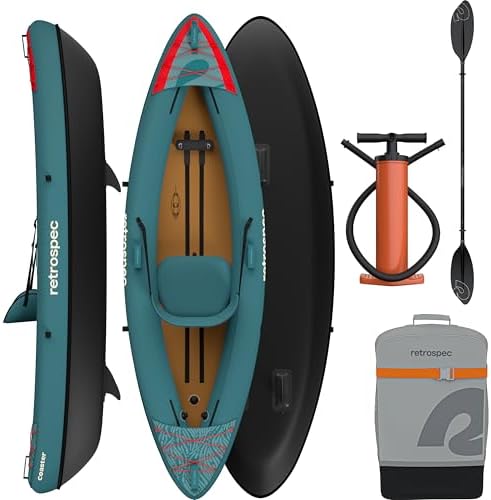
The Retrospec Coaster Kayak is targeted squarely at recreational paddlers seeking an uncomplicated, highly stable sit-on-top for casual outings…
Why it winsDeep-dive product reviews
We've published full field-test reports and technical deep-dives for 10 of the picks in this list.
Compare all 10 picks at a glance
Editorial ranking, what each pick is best at, and how we assessed it. Tap a name to jump to the full write-up.
| # | Pick | Best for | Key spec | Evidence |
|---|---|---|---|---|
| 1 | Pungo 120 Wilderness Systems | Inland lake day touring | Length: 12 ft 2 in (371 cm) | Research only |
| 2 | Loon 120 Old Town | Flatwater Lake Touring | Kayak Style: Sit-inside recreational | Research only |
| 3 | Kayak Oru | Apartment and urban paddling | Kayak Style: Folding sit-inside | Research only |
| 4 | Tarpon 105 Wilderness Systems | Warm-weather lake paddling | Kayak Category: Sit-on-top recreational | Research only |
| 5 | Coaster Kayak Retrospec | Calm lake recreation | Kayak Style: Sit-on-top recreational | Research only |
| 6 | Fun Jackson | Class II-IV River Running | Category: Whitewater river runner / playboat | Research only |
| 7 | Argo 100X EXO Pelican | Sheltered lake cruising | Kayak Style: Sit-inside recreational | Research only |
| 8 | Tarpon 120 Wilderness Systems | Coastal bay day touring | Hull Style: Sit-on-top | Research only |
| 9 | Manta Ray 12 Liquid Logic | Coastal and Bay Touring | Hull Type: Sit-on-top crossover | Research only |
| 10 | Skylark Eddyline | Inland lake day touring | Hull Material: Carbonlite thermoformed ABS | Research only |
How we picked
Ranked by Graham Eddy, Water & Paddling Editor
We started with a long list of kayaks that people actually buy, cut anything that could not clear our baseline for durability and field performance, then ranked the 10 that were left against the same criteria. Rankings are editorial. No brand pays for placement, and affiliate links never move a pick up or down.
- Real-world durability
- How the material, stitching, or steel holds up after a season of hard use — not how it looks new.
- Performance in bad conditions
- Wind, rain, cold, and grit are the test. Anything that only works on a nice day gets marked down.
- Weight and packability
- Every ounce has to earn its place in the pack, but not at the cost of something that fails in the field.
- Ease of use
- Setup, adjustment, and maintenance with cold hands, in the dark, without the manual.
- Value at its price point
- Compared against the closest competitors in the same tier, not against cheaper gear in a different class.
- Repairability and support
- Field-fixable design, available parts, and a warranty the maker actually honors.
How often we recheck this: Reviewed on a rolling basis and rechecked at least once a year, or sooner if a pick is discontinued, revised, or beaten by something new.
Best of the Best · Head to Head
Pungo 120 vs Loon 120
#1 vs #2 — side-by-side specs, pros & cons, and the final verdict.
Compare any two picks
Build your own side-by-side
Choose any two of these 10 picks and compare specs, price, pros, cons and reader ratings.
Topic summary
A data-backed guide to the best recreational, touring, sit-on-top, and folding kayaks, evaluated on hull design, stability, build quality, and real-world utility.
Key takeaways
- #1 Pungo 120 — Wilderness Systems
- #2 Loon 120 — Old Town
- #3 Kayak — Oru
- #4 Tarpon 105 — Wilderness Systems
- #5 Coaster Kayak — Retrospec
- #6 Fun — Jackson
Intended uses
Gear
Verification notes
Editorial ranked list, 10 entries. Evidence mix — 10 research only. Buy links open the maker or a retailer search. Last reviewed October 2026.
Best kayaks for a specific job
Skip the ranking — jump to the pick that matches how you actually use it.
- Best for inland lake day touring
- #1 Pungo 120 — Wilderness SystemsThe Wilderness Systems Pungo 120 is widely regarded across the paddling industry as the benchmark for sit-inside recreational performance. Designed primarily for flatwater lakes, slow-moving rivers, and coastal inlets, this twelve-foot boat blends the primary stability beginners need with the glide and tracking that seasoned paddlers appreciate. Its multichine hull profile lets the boat track true across open stretches of water without demanding constant corrective strokes, making it far more efficient over distance than stubby entry-level models. Much of the Pungo's enduring reputation stems from its cockpit outfitting. The Phase 3 AirStream seat offers extensive adjustability, allowing paddlers to dial in leg support, backrest height, and tilt to stave off fatigue during long sessions. The large cockpit opening facilitates effortless entry and exit, while the removable dashboard console adds functional utility with dry storage pockets and mounting points for accessories. Rotomolded high-density polyethylene construction ensures the hull withstands groundings, rough launches, and heavy sun exposure over years of regular use. The trade-offs here reflect its category. At 12 feet long and roughly 50 pounds, loading the Pungo solo onto a tall vehicle roof rack requires reasonable upper-body strength or lift-assist hardware. It is also not an open-ocean craft; while it handles light chop with ease, the large cockpit opening will take on water in heavy surf or technical rapids without a fitted spray skirt. **Highlights** - Multichine hull engineered for strong tracking and reassuring secondary stability - Phase 3 AirStream seating system with multi-point ergonomic adjustment - Large, accessible cockpit opening for effortless entry and exit - Configurable, removable dashboard console with splash-resistant storage - Sealed stern bulkhead paired with an Orbix hatch for dry gear stowage **Watch-outs** - Relatively heavy to lift and load solo onto high roof racks - Large cockpit aperture can ship water in choppy open-water conditionsRead the full profile
- Best for flatwater lake touring
- #2 Loon 120 — Old TownThe Old Town Loon 120 rivals the top spot in recreational paddling, offering a traditional, exceptionally stable sit-inside experience. Old Town built the Loon around a sharp keel line and a clean entry bow, giving it surprisingly fast acceleration and crisp forward tracking for a boat in this class. It targets paddlers who want a dependable, do-it-all platform for lakes, ponds, and calm tidal marshes without dealing with the sluggishness common to wide recreation hulls. Construction is based on Old Town's three-layer polyethylene process, which creates a rigid, impact-resistant hull that limits hull flex under power while shrugging off impacts against submerged gravel and dock edges. Comfort is anchored by the Active Comfort System 2.0 (ACS2) seat, which provides intuitive pull-cord adjustments, breathable padding, and solid lumbar support. The boat also features a removable workdeck equipped with dry storage and USB-ready cord routes, giving day-trippers and casual anglers a tidy place to secure gear within reach. The durability of three-layer polyethylene comes at the cost of weight. The Loon 120 is noticeably heavy, making transport from vehicle to water a workout without a dedicated cart. Additionally, its tracking efficiency means turning requires deliberate edging or wide sweep strokes compared to more maneuverable, rockered river craft. **Highlights** - Rigid three-layer polyethylene construction built for maximum impact resistance - Sharp keel design delivering clean tracking and efficient glide - ACS2 seating system featuring straightforward cord-operated adjustability - Removable workdeck with integrated hatch and gear tracks - Stern Click Seal hatch providing watertight storage behind a sealed bulkhead **Watch-outs** - Substantial overall weight makes solo transport and cartopping cumbersome - Stiff tracking reduces responsiveness in tight, winding river channelsRead the full profile
- Best for apartment and urban paddling
- #3 Kayak — OruThe Oru Kayak line fundamentally changes the ownership equation for paddlers constrained by storage space or vehicle size. Utilizing a folding origami architecture, these boats transform from a compact, self-contained box into a full-sized sit-inside kayak in roughly ten to fifteen minutes. This design is engineered specifically for city dwellers, apartment renters, and compact-car owners who would otherwise be locked out of the sport due to storage logistics. On the water, Oru's boats behave much more like traditional hard-shell kayaks than inflatables do. The custom double-layered, UV-treated polypropylene hull creates hard chines and clean waterline entries that cut through calm water efficiently. While the hull has noticeable flex compared to thick rotomolded polyethylene, it tracks surprisingly well on flat lakes and sheltered coastal waters. The sheer lightness of the design makes carrying the folded boat on public transit, in an elevator, or down a trail entirely realistic. The compromises lie in durability expectations and environmental limits. While the material is rated for thousands of fold cycles, scraping over sharp oyster beds, jagged slate, or abrasive concrete boat ramps requires caution. Re-entry after a capsize is significantly more challenging than in a traditional boat, and the outfitting seat system prioritizes packability over the plush, multi-point ergonomic adjustability found in dedicated touring craft. **Highlights** - Innovative origami folding construction collapses into a compact portable case - Weighs dramatically less than standard rotomolded polyethylene kayaks - Double-layer custom polypropylene hull rated for cold and UV resistance - Hard-chined profile delivers better tracking and speed than most inflatables - Eliminates the need for roof racks, trailers, or dedicated garage storage **Watch-outs** - Requires mindful handling around sharp rocks, barnacles, and abrasive docks - Minimal seat adjustability compared to traditional recreational outfittingRead the full profile
- Best for warm-weather lake paddling
- #4 Tarpon 105 — Wilderness SystemsThe Wilderness Systems Tarpon 105 is built for paddlers who prioritize ease of movement, open-deck utility, and self-bailing security over enclosed sit-inside cockpits. Sit-on-top hulls are inherently user-friendly for warm-weather exploration, calm ocean surf, and light fishing, as they eliminate the fear of a flooded cockpit. At ten and a half feet, the Tarpon 105 offers an agile, manageable footprint that remains easy to steer through narrow coves and tight shorelines. Despite its shorter length, Wilderness Systems applied a proven hull shape with defined chines, preventing the boat from wandering or spinning out with every stroke. The outfitting centers on the Phase 3 AirStream seat, mounted directly onto the deck with quick-drying, breathable mesh and full mechanical back support. Gear management is exceptional, incorporating integrated SlideTrax accessory rails along the gunwales, a sealed center console hatch for small essentials, and a roomy rear tankwell with bungee retention for dry bags or coolers. Because it is a sit-on-top, paddlers are fully exposed to sun, wind, and splash, making cold-weather paddling less appealing without specialized immersion gear. Its shorter waterline also caps top cruising speed, meaning it demands more effort to keep pace with longer 12-foot or 14-foot boats over extended crossings. **Highlights** - Self-bailing sit-on-top deck design ensures rapid water drainage in chop - Phase 3 AirStream seat provides elevated, breathable all-day comfort - SlideTrax accessory rails allow modular mounting of mounts and gear - Stable hull geometry tuned for responsive maneuverability in close quarters - Secure rear cargo tankwell alongside dry interior hatch compartments **Watch-outs** - Open deck leaves paddlers exposed to weather, spray, and cold water - Shorter length limits top cruising speed on open-water crossingsRead the full profile
- Best for calm lake recreation
- #5 Coaster Kayak — RetrospecThe Retrospec Coaster Kayak is targeted squarely at recreational paddlers seeking an uncomplicated, highly stable sit-on-top for casual outings without a significant financial investment. Measuring under ten feet long with a generous 37-inch beam, this boat prioritizes primary stability above all else. Beginners, kids, and paddlers looking to drift, swim from the boat, or bring a dog aboard will appreciate the rock-solid platform that resists tipping even during clumsy weight shifts. The boat features an open, uncluttered deck molded from high-density polyethylene. The wide cockpit platform allows for simple, stress-free boarding from docks or shallow beaches. Molded-in footrests accommodate a wide range of paddler heights without moving parts that can slip or break, while scupper holes provide reliable drainage for deck water. Built-in carry handles molded directly into the bow, stern, and sides simplify two-person carrying. That wide, stable beam comes with severe performance compromises. The Coaster creates substantial drag in the water, requiring deliberate effort to paddle over any distance. It is not designed for head-winds, tidal currents, or long-distance touring, where its wide nose pushes water rather than slicing through it. The included seat padding is basic, meaning paddlers spending more than a couple of hours on the water may want aftermarket cushioning. **Highlights** - Exceptionally wide 37-inch beam delivers reassuring, tip-resistant primary stability - Accessible price point geared toward casual weekend recreation - Molded-in foot braces accommodate multiple paddler sizes without mechanical failure - Self-bailing scupper system keeps standing water off the deck - Integrated side, bow, and stern handles for straightforward overland handling **Watch-outs** - High hull drag makes long-distance travel and head-wind paddling exhausting - Basic factory seating outfitting lacks advanced lumbar and thigh supportRead the full profile
- Best for class ii-iv river running
- #6 Fun — JacksonThe Jackson Fun occupies a distinct space in this lineup as a dedicated whitewater river-running and playboat design. Rather than tracking straight on a lake, the Fun is engineered for turbulent currents, eddy lines, wave surfing, and river features. It is built for whitewater paddlers who want a playful yet forgiving boat capable of running Class II through Class IV rapids while providing the agility needed to initiate river maneuvers, blunts, and stern squirts. Jackson's hallmark outfitting centers around the easy-adjust rope-and-cleat backband system paired with a customizable foam footblock setup. This tight, responsive outfitting creates direct contact points between the paddler's hips, thighs, and feet, translating bodily motion instantly into hull response. The hull itself features tuned edges that release cleanly on waves while maintaining enough forgiveness to avoid tripping up paddlers entering powerful eddy currents. Cross-linked polyethylene construction ensures the hull flexes over rock strikes without cracking. For flatwater or calm recreational touring, the Jackson Fun is entirely the wrong tool. With heavy rocker and no tracking keel, it will spin with every casual forward stroke on a lake. Cockpit volume is tight and requires a neoprene spray skirt, wet-exit training, and dedicated paddling gear to use safely. **Highlights** - Proven river-running playboat hull tuned for carving waves and rapid maneuvers - Forgiving edge geometry balances freestyle performance with rapid recovery - Intuitive rope-and-cleat outfitting for rapid, precise cockpit customization - Impact-resilient cross-linked plastic hull built to endure direct rock impacts - Optimized volume distribution supports confident river-running through heavy features **Watch-outs** - Completely unsuitable for flatwater tracking, touring, or casual lake cruising - Requires specialized whitewater safety skills, spray skirt, and gearRead the full profile
- Best for sheltered lake cruising
- #7 Argo 100X EXO — PelicanThe Pelican Argo 100X EXO represents one of the most accessible entry points into sit-inside recreational kayaking. Pelican keeps manufacturing costs low and durability high by utilizing their proprietary RAM-X multi-layer polyethylene material. This thermoformed construction results in a kayak that is notably lighter than traditional rotomolded equivalents of similar size, making the Argo 100X exceptionally easy for solo paddlers to lift onto a car roof or carry down to the water's edge. On sheltered water, the Argo's twin-arched multichine hull provides steady primary stability, reassuring nervous or first-time paddlers immediately upon sitting down. The open cockpit design ensures that getting in and out does not feel constricting. The EXO package incorporates practical conveniences including an adjustable padded backrest, molded footrests, bottle holders, and a removable storage compartment that can be taken along into camp or the car. The trade-offs correspond directly with its budget positioning. At ten feet in length with a relatively flat hull profile, the Argo lacks tracking precision; it wanders under aggressive paddling and struggles to maintain headway against stiff breezes or choppy water. It also lacks sealed bulkheads, relying instead on internal foam blocks for flotation, meaning paddlers should stay strictly within calm, near-shore zones. **Highlights** - Lightweight RAM-X thermoformed material allows effortless solo cartopping - Twin-arched multichine hull delivers reliable, beginner-friendly initial stability - Roomy cockpit profile avoids the claustrophobic feel of tight touring rims - Removable EXO storage container offers portable utility for dry gear - Accessible price point suited for casual, seasonal lake paddlers **Watch-outs** - Lacks sealed bulkheads, limiting safe use to sheltered, near-shore flatwater - Wanders easily under power and requires steady corrective paddle strokesRead the full profile
- Best for coastal bay day touring
- #8 Tarpon 120 — Wilderness SystemsThe Wilderness Systems Tarpon 120 is the full-sized sibling to the 105, delivering the added speed, glide, and tracking needed for coastal bays, wide lakes, and extended day-trips. By extending the waterline to twelve feet, Wilderness Systems smoothed out the hull's entry and exit, significantly improving paddling efficiency over distance. For paddlers who prefer the self-bailing freedom and open deck of a sit-on-top but refuse to sacrifice forward tracking, this hull is a perennial favorite. The deck layout is meticulously organized for multi-use adventure. The Phase 3 AirStream seating system keeps the paddler dry and supported with multi-directional lumbar and leg adjustments. Generous SlideTrax accessory channels line the cockpit and rear tankwell, making it straightforward to add rod holders, camera mounts, or GPS units without drilling into the plastic. Dry storage is handled via an internal bow hatch and an accessible center hatch, paired with a massive rear cargo well that easily accepts heavy dry bags or crates. The primary drawback of the Tarpon 120 is its physical bulk. At twelve feet long and over sixty pounds, muscling it onto vehicle racks requires good leverage or a rolling cart. Additionally, its sit-on-top deck profile naturally catches more wind than a low-profile sit-inside boat during gusty days on open water. **Highlights** - Twelve-foot hull geometry balances swift forward tracking with rock-solid stability - Phase 3 AirStream seat offers top-tier lumbar and thigh adjustment - Full-length SlideTrax system for seamless, non-destructive gear rigging - Dual dry storage hatches complemented by an oversized rear tankwell - Self-bailing scuppers clear deck wash efficiently in rough coastal water **Watch-outs** - Substantial weight makes solo car-topping physically demanding - Higher open-deck profile catches crosswinds more than sit-inside touring boatsRead the full profile
Our editors test the gear, pick the ten, and set the order the day a list publishes. After that, the ranking is live: every member star rating feeds the community order, so picks climb or slide as real owners report back. Editorial judgment decides what earns a spot — you help decide where it sits.
- Editors set the field
Hands-on testing and spec research choose the ten and the published order.
- Readers re-rank it
Your 1–5 star ratings drive the community order on every list.
- Rankings keep moving
Picks rise or fall over time — nothing is frozen at launch day.
Rank this list
Loading community ratings… Ratings re-order the picks — they never change which products make the list.
Sign in to add your own ratings — it's free.
- Pros
- Efficient tracking and forward glide compared to standard recreational boats
- Phase 3 AirStream seat offers exceptional ergonomic adjustment points
- Spacious cockpit opening allows simple entries and relaxed seating posture
- Durable rotomolded polyethylene hull withstands heavy impacts and dragging
Cons- At roughly 49 pounds, solo rooftop loading requires deliberate effort
- Oversized cockpit rim permits water ingress in heavy wind chop or surf
- Single stern bulkhead lacks backup bow flotation for open-water rescues
Key features- Boat Weight
- 49 lbs (22 kg)
- Weight Capacity
- 325 lbs (147 kg)
- Hull Material
- Rotomolded High-Density Polyethylene
- Cockpit Size
- 57 in x 22 in (145 cm x 56 cm)
- Length
- 12 ft 2 in (371 cm)
- Primary Waterway
- Lakes, slow rivers, and sheltered coastal bays
Best forInland lake day touring, Slow-moving river cruising, Sheltered coastal exploration, Recreational wildlife photography
Pros- Efficient tracking and forward glide compared to standard recreational boats
- Phase 3 AirStream seat offers exceptional ergonomic adjustment points
- Spacious cockpit opening allows simple entries and relaxed seating posture
- Durable rotomolded polyethylene hull withstands heavy impacts and dragging
Cons- At roughly 49 pounds, solo rooftop loading requires deliberate effort
- Oversized cockpit rim permits water ingress in heavy wind chop or surf
- Single stern bulkhead lacks backup bow flotation for open-water rescues
Assessed by Graham Eddy against our ranking criteria.No ratings yet - Pros
- Rigid three-layer polyethylene hull withstands heavy impacts and resists flexing
- Sharp keel and bow entry deliver excellent straight-line tracking and glide
- ACS2 seating system provides comprehensive, cord-adjustable ergonomic support
- Removable cockpit workdeck offers handy dry storage and accessory mounting
Cons- Substantial overall weight makes solo transport and cartopping demanding
- Strong forward tracking limits quick turning in narrow, winding streams
Key features- Kayak Style
- Sit-inside recreational
- Length
- 12 feet
- Hull Construction
- Three-layer polyethylene
- Seating System
- Active Comfort System 2.0 (ACS2)
- Bulkhead Storage
- Stern Click Seal hatch
- Deck Outfitting
- Removable utility workdeck
Best forFlatwater Lake Touring, Calm River Paddling, Recreational Kayak Photography, Casual Inshore Day Trips
Pros- Rigid three-layer polyethylene hull withstands heavy impacts and resists flexing
- Sharp keel and bow entry deliver excellent straight-line tracking and glide
- ACS2 seating system provides comprehensive, cord-adjustable ergonomic support
- Removable cockpit workdeck offers handy dry storage and accessory mounting
Cons- Substantial overall weight makes solo transport and cartopping demanding
- Strong forward tracking limits quick turning in narrow, winding streams
Assessed by Graham Eddy against our ranking criteria.No ratings yet - Pros
- Folds down into a self-contained case for compact closet or trunk storage
- Significantly lighter and easier to transport solo than rotomolded hulls
- Hard-chined design tracks and glides far better than typical inflatables
- Assembly requires no tools and takes roughly 10 to 15 minutes
Cons- Polypropylene skin is vulnerable to deep gouges on sharp rocks and oysters
- Minimalist seating lacks the lumbar adjustment found in dedicated touring boats
- Absence of integrated bulkheads requires accessory float bags for open water
Key features- Approximate Price
- Around $1,275
- Hull Material
- Double-layer extruded polypropylene
- Kayak Style
- Folding sit-inside
- Hull Length
- 12 ft 1 in
- Assembly Time
- 10 to 15 minutes
- Primary Environment
- Lakes, slow rivers, sheltered coastal bays
Best forApartment and urban paddling, Calm flatwater recreation, Protected coastal touring, Trunk-based travel adventures
Pros- Folds down into a self-contained case for compact closet or trunk storage
- Significantly lighter and easier to transport solo than rotomolded hulls
- Hard-chined design tracks and glides far better than typical inflatables
- Assembly requires no tools and takes roughly 10 to 15 minutes
Cons- Polypropylene skin is vulnerable to deep gouges on sharp rocks and oysters
- Minimalist seating lacks the lumbar adjustment found in dedicated touring boats
- Absence of integrated bulkheads requires accessory float bags for open water
Assessed by Graham Eddy against our ranking criteria.No ratings yet - Pros
- Self-bailing sit-on-top hull eliminates flooded cockpit hazards entirely.
- Phase 3 AirStream seating provides exceptional adjustability and ventilation.
- Integrated SlideTrax accessory rails allow modular gear mounting without drilling.
- Compact ten-and-a-half-foot length simplifies off-water transport and tight turns.
Cons- Open-deck layout leaves paddlers exposed to spray, wind, and colder water.
- Shorter waterline caps cruising speed during open-water lake crossings.
- Carries a premium price compared to entry-level recreational sit-on-tops.
Key features- Approximate Price
- Around $1,119
- Hull Material
- Rotomolded high-density polyethylene
- Kayak Category
- Sit-on-top recreational
- Hull Length
- 10 ft 6 in
- Seating System
- Phase 3 AirStream mesh seat
- Primary Water Type
- Lakes, protected bays, slow rivers
Best forWarm-weather lake paddling, Protected coastal bays, Slow-moving river touring, Casual open-deck fishing
Pros- Self-bailing sit-on-top hull eliminates flooded cockpit hazards entirely.
- Phase 3 AirStream seating provides exceptional adjustability and ventilation.
- Integrated SlideTrax accessory rails allow modular gear mounting without drilling.
- Compact ten-and-a-half-foot length simplifies off-water transport and tight turns.
Cons- Open-deck layout leaves paddlers exposed to spray, wind, and colder water.
- Shorter waterline caps cruising speed during open-water lake crossings.
- Carries a premium price compared to entry-level recreational sit-on-tops.
Assessed by Graham Eddy against our ranking criteria.No ratings yet - Pros
- Extremely wide 37-inch beam provides confidence-inspiring primary stability
- Durable rotomolded polyethylene hull withstands rough put-ins and gravel
- Molded-in footrests and carry handles eliminate fragile mechanical hardware
- Self-bailing scupper design quickly clears water from the deck
Cons- Heavy hull drag makes covering distance or paddling into headwinds exhausting
- Minimal factory seat padding provides limited lumbar support on long outings
- Wide beam makes solo under-arm carrying awkward despite compact length
Key features- Hull Material
- High-density polyethylene (HDPE)
- Kayak Style
- Sit-on-top recreational
- Length
- 9 ft 10 in
- Width
- 37 in
- Drainage System
- Self-bailing scupper holes
- Handle Configuration
- Molded bow, stern, and side handles
Best forCalm lake recreation, Paddling with dogs, Casual family cabin use, Short distance float trips
Pros- Extremely wide 37-inch beam provides confidence-inspiring primary stability
- Durable rotomolded polyethylene hull withstands rough put-ins and gravel
- Molded-in footrests and carry handles eliminate fragile mechanical hardware
- Self-bailing scupper design quickly clears water from the deck
Cons- Heavy hull drag makes covering distance or paddling into headwinds exhausting
- Minimal factory seat padding provides limited lumbar support on long outings
- Wide beam makes solo under-arm carrying awkward despite compact length
Assessed by Graham Eddy against our ranking criteria.No ratings yet - Pros
- Forgiving hull edges balance agile wave carving with stable eddy transitions
- Cross-linked polyethylene shell offers high resistance against rocky river impacts
- Simple cord-and-cleat outfitting allows rapid, secure cockpit tensioning on the water
- Balanced volume distribution prevents unintentional back-enders in heavy rapids
Cons- Completely inefficient and frustrating to paddle on flatwater or open lakes
- Snug whitewater cockpit provides zero internal cargo storage capacity
- Requires specialized safety training, wet-exit mastery, and a fitted spray skirt
Key features- Hull Material
- Cross-linked polyethylene
- Category
- Whitewater river runner / playboat
- Primary Water Type
- Moving current, Class II-IV whitewater
- Outfitting System
- Cord-and-cleat backband with foam block
- Target Skill Level
- Intermediate to advanced whitewater
- Cockpit Type
- Keyhole whitewater with thigh hooks
Best forClass II-IV River Running, Standing Wave Surfing, Whitewater Roll Progression, Eddy Line River Play
Pros- Forgiving hull edges balance agile wave carving with stable eddy transitions
- Cross-linked polyethylene shell offers high resistance against rocky river impacts
- Simple cord-and-cleat outfitting allows rapid, secure cockpit tensioning on the water
- Balanced volume distribution prevents unintentional back-enders in heavy rapids
Cons- Completely inefficient and frustrating to paddle on flatwater or open lakes
- Snug whitewater cockpit provides zero internal cargo storage capacity
- Requires specialized safety training, wet-exit mastery, and a fitted spray skirt
Assessed by Graham Eddy against our ranking criteria.No ratings yet - Pros
- Lightweight thermoformed hull allows effortless solo lifting and car-topping
- Twin-arched multichine design provides exceptionally stable primary balance
- Spacious cockpit opening ensures easy entry and exit without feeling cramped
- Removable EXO rear storage unit adds practical packing convenience
Cons- Lacks sealed bulkheads, restricting safe paddling strictly to near-shore waters
- Short hull yawns and tracks poorly when paddled aggressively or in wind
- Molded-in foot braces lack the micro-adjustability of track-mounted pegs
Key features- Target Price
- Around $550
- Kayak Style
- Sit-inside recreational
- Hull Length
- 10 feet
- Hull Construction
- Thermoformed RAM-X polyethylene
- Hull Profile
- Twin-arched multichine
- Flotation Type
- Internal foam blocks
Best forSheltered lake cruising, Slow-moving flatwater rivers, Casual beginner paddling, Solo car-top day trips
Pros- Lightweight thermoformed hull allows effortless solo lifting and car-topping
- Twin-arched multichine design provides exceptionally stable primary balance
- Spacious cockpit opening ensures easy entry and exit without feeling cramped
- Removable EXO rear storage unit adds practical packing convenience
Cons- Lacks sealed bulkheads, restricting safe paddling strictly to near-shore waters
- Short hull yawns and tracks poorly when paddled aggressively or in wind
- Molded-in foot braces lack the micro-adjustability of track-mounted pegs
Assessed by Graham Eddy against our ranking criteria.No ratings yet - Pros
- Twelve-foot hull offers superior tracking and glide for a sit-on-top
- Phase 3 AirStream seat delivers comprehensive lumbar and thigh adjustment
- Factory-installed SlideTrax rails simplify gear mounting without drilling
- Self-bailing scupper design drains deck water quickly in rough chop
Cons- Substantial overall weight makes solo roof-rack loading physically demanding
- High deck profile catches crosswinds more than traditional sit-inside hulls
- Open cockpit provides no protection from cold water splashes or windchill
Key features- Hull Material
- Rotomolded high-density polyethylene
- Hull Style
- Sit-on-top
- Length
- 12 feet
- Seating System
- Phase 3 AirStream ergonomic seat
- Deck Rigging
- SlideTrax accessory channel system
- Storage Layout
- Dual sealed hatches plus open rear tankwell
Best forCoastal bay day touring, Large lake exploration, Recreational kayak fishing, Slow-moving flatwater rivers
Pros- Twelve-foot hull offers superior tracking and glide for a sit-on-top
- Phase 3 AirStream seat delivers comprehensive lumbar and thigh adjustment
- Factory-installed SlideTrax rails simplify gear mounting without drilling
- Self-bailing scupper design drains deck water quickly in rough chop
Cons- Substantial overall weight makes solo roof-rack loading physically demanding
- High deck profile catches crosswinds more than traditional sit-inside hulls
- Open cockpit provides no protection from cold water splashes or windchill
Assessed by Graham Eddy against our ranking criteria.No ratings yet - Pros
- Punches cleanly through surface chop thanks to a flared bow profile
- Substantial rotomolded hull easily endures rocky scrapes and river beds
- Pronounced keel enhances straight tracking on windy, open flatwater
- Framed seat provides firm lumbar support while draining splash water
Cons- Substantial deadweight makes solo car-topping and portaging difficult
- Lower seating height reduces sight lines compared to high fishing chairs
- Lacks modular gear tracks found on modern purpose-built angling kayaks
Key features- Target Price
- Around $769
- Material
- Rotomolded polyethylene
- Hull Type
- Sit-on-top crossover
- Length
- 12 feet
- Target Water
- Lakes, slow rivers, and coastal bays
- Seating Style
- Elevated frame-style padded seat
Best forCoastal and Bay Touring, Slow-Moving River Exploration, Inshore Light Tackle Fishing, Recreational Weekend Paddling
Pros- Punches cleanly through surface chop thanks to a flared bow profile
- Substantial rotomolded hull easily endures rocky scrapes and river beds
- Pronounced keel enhances straight tracking on windy, open flatwater
- Framed seat provides firm lumbar support while draining splash water
Cons- Substantial deadweight makes solo car-topping and portaging difficult
- Lower seating height reduces sight lines compared to high fishing chairs
- Lacks modular gear tracks found on modern purpose-built angling kayaks
Assessed by Graham Eddy against our ranking criteria.No ratings yet - Pros
- Thermoformed Carbonlite build yields composite stiffness at roughly 41 pounds
- Dual sealed bulkheads provide reliable buoyancy and dry equipment storage
- Pronounced keel design tracks smoothly across windy flatwater lakes
- Low total carry weight dramatically simplifies solo vehicle loading
Cons- Costs substantially more than common rotomolded day-touring alternatives
- Vulnerable to gouging if dragged across concrete ramps or sharp rocky shoals
- Twelve-foot waterline caps overall top speed relative to true sea kayaks
Key features- Approximate Weight
- 41 pounds
- Typical Price
- Around $1,749
- Hull Material
- Carbonlite thermoformed ABS
- Cockpit Size
- 35 x 18.5 inches
- Boat Length
- 12 feet
- Storage Setup
- Bow and stern sealed bulkheads
Best forInland lake day touring, Sheltered coastal bay paddling, Solo cartop adventures, Flatwater fitness outings
Pros- Thermoformed Carbonlite build yields composite stiffness at roughly 41 pounds
- Dual sealed bulkheads provide reliable buoyancy and dry equipment storage
- Pronounced keel design tracks smoothly across windy flatwater lakes
- Low total carry weight dramatically simplifies solo vehicle loading
Cons- Costs substantially more than common rotomolded day-touring alternatives
- Vulnerable to gouging if dragged across concrete ramps or sharp rocky shoals
- Twelve-foot waterline caps overall top speed relative to true sea kayaks
Assessed by Graham Eddy against our ranking criteria.No ratings yet



Award picks
The ranking above is price-blind and judged on merit. These awards call out the pick we'd hand a specific person with a specific need.
Best Overall: Pungo 120 — Wilderness Systems
The Wilderness Systems Pungo 120 is widely regarded across the paddling industry as the benchmark for sit-inside recreational performance.
Ranked #1Runner-Up: Loon 120 — Old Town
The Old Town Loon 120 rivals the top spot in recreational paddling, offering a traditional, exceptionally stable sit-inside experience.
Ranked #2Best Value: Kayak — Oru
The Oru Kayak line fundamentally changes the ownership equation for paddlers constrained by storage space or vehicle size.
Ranked #3Best Ultralight Pick: Tarpon 105 — Wilderness Systems
The Wilderness Systems Tarpon 105 is built for paddlers who prioritize ease of movement, open-deck utility, and self-bailing security over enclosed sit-inside cockpits.
Ranked #4Best for Rough Use: Coaster Kayak — Retrospec
The Retrospec Coaster Kayak is targeted squarely at recreational paddlers seeking an uncomplicated, highly stable sit-on-top for casual outings without a significant financial…
Ranked #5Best for Beginners: Fun — Jackson
The Jackson Fun occupies a distinct space in this lineup as a dedicated whitewater river-running and playboat design.
Ranked #6For all-around flatwater paddling, the Wilderness Systems Pungo 120 and Old Town Loon 120 set the standard for tracking, speed, and cockpit comfort, while the Eddyline Skylark offers a premium lightweight thermoformed upgrade. Paddlers prioritizing ease of storage or warm-weather versatility will find the folding Oru Kayak or sit-on-top Wilderness Systems Tarpon series best suited to their needs.
How to choose kayaks
Every pick on this page was judged against the same criteria. If you want the short answer, Pungo 120 by Wilderness Systems is the one we point most people at. If you want to decide for yourself, here is what actually separates a good kayak from an expensive one.
Real-world durability
How the material, stitching, or steel holds up after a season of hard use — not how it looks new.
Performance in bad conditions
Wind, rain, cold, and grit are the test. Anything that only works on a nice day gets marked down.
Weight and packability
Every ounce has to earn its place in the pack, but not at the cost of something that fails in the field.
Ease of use
Setup, adjustment, and maintenance with cold hands, in the dark, without the manual.
Value at its price point
Compared against the closest competitors in the same tier, not against cheaper gear in a different class.
Repairability and support
Field-fixable design, available parts, and a warranty the maker actually honors.
Match the pick to your use
The right kayaks depends on what you are actually doing with it: Inland lake day touring; Slow-moving river cruising; Sheltered coastal exploration; Recreational wildlife photography; Flatwater Lake Touring; Calm River Paddling. Start from the use case, then work down the ranking until you hit the first pick that covers it.
Common mistakes
- Buying the lightest kayaks you can find and discovering it cannot take a season of hard use.
- Paying for a specialist feature you will use once a year instead of the versatile option.
- Comparing headline specs across tiers instead of within the same class.
- Skipping fit, sizing, or adjustment checks that decide whether you actually carry it.
Frequently asked questions
- What is the best kayaks in 2026?
- Pungo 120 by Wilderness Systems takes the top spot. The Wilderness Systems Pungo 120 is widely regarded across the paddling industry as the benchmark for sit-inside recreational performance.
- How did The Wild10 choose and rank these kayaks?
- We judged every pick against the same criteria — real-world durability, performance in bad conditions, weight and packability, ease of use — and ranked them on merit regardless of price. A data-backed guide to the best recreational, touring, sit-on-top, and folding kayaks, evaluated on hull design, stability, build quality, and real-world utility.
- What is the best budget kayaks?
- Kayak by Oru — The Oru Kayak line fundamentally changes the ownership equation for paddlers constrained by storage space or vehicle size.
- Pungo 120 vs Loon 120 — which should I pick?
- Pungo 120 ranks first: The Wilderness Systems Pungo 120 is widely regarded across the paddling industry as the benchmark for sit-inside recreational performance. Loon 120 is the close second: The Old Town Loon 120 rivals the top spot in recreational paddling, offering a traditional, exceptionally stable sit-inside experience. Our full head-to-head compares them side by side.
- How often is this list updated?
- We review this ranking on a rolling basis and update it whenever a pick is discontinued, meaningfully revised, or beaten by something new. Rankings are editorial — brands do not see them before publication and affiliate links never change the order.
Related gear comparisons
Get The Field List
One short, honest email a week: gear we actually trust, planning guides, and survival-TV coverage. Free, unsubscribe anytime.