


Reader rating
Rate it and you move it. Community ratings re-rank this product inside its Top 10 list.
Expert-picked, reader-ranked. Our editors choose the products and the launch order; member star ratings move picks up or down over time.
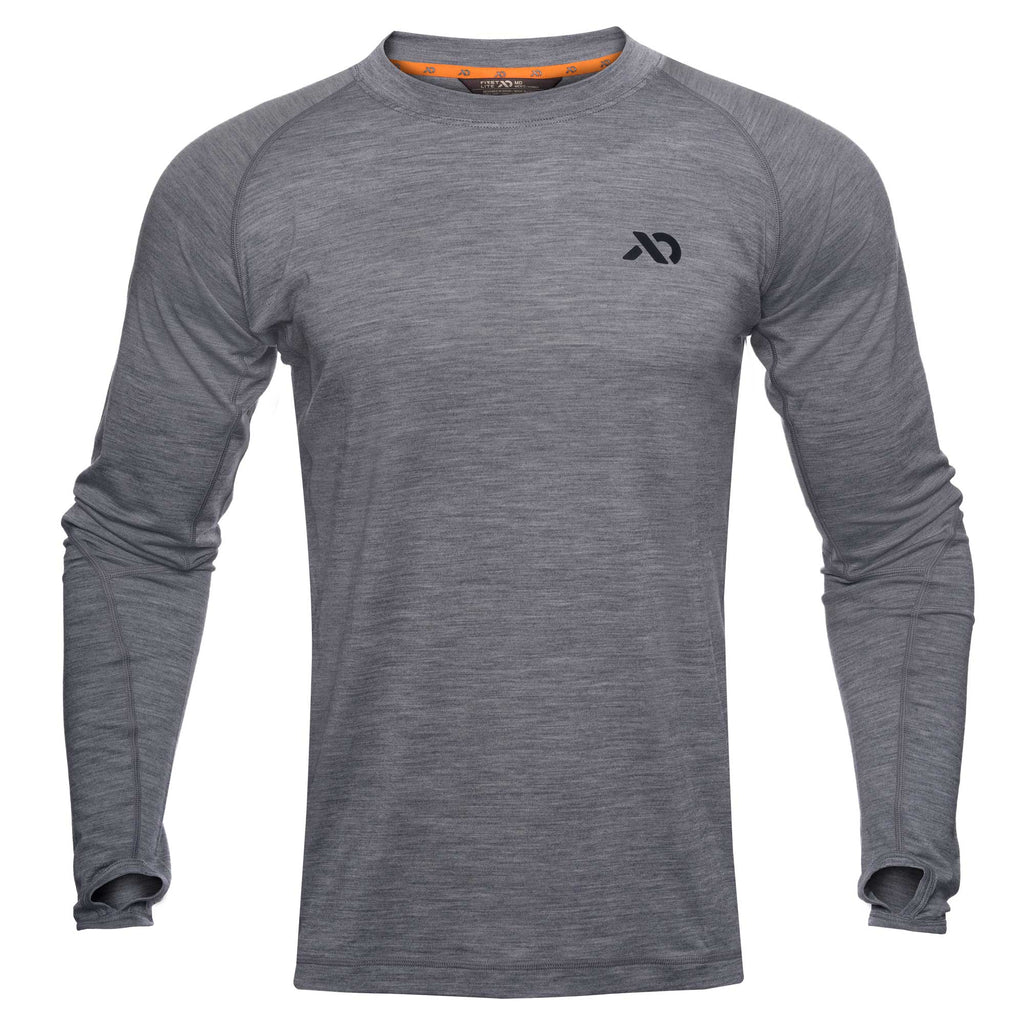
Best for active hunting: 150 g/m² Aerowool with mesh vent panels and thumb loops.
Pros
- Dries substantially faster than standard 100% merino tops
- Mesh underarm zones effectively dump heat during high output
- Synthetic core fibers improve tear resistance under heavy pack straps
- Long drop-tail hem stays firmly anchored under hip belts
Cons
- Noticeable technical styling looks awkward in town
- Underarm mesh panels can snag on sharp brush if worn unprotected
- Hand-feel is more utilitarian and crisp than buttery soft
Best uses
- Early-season backcountry big game hunting
- High-output mountain backpacking
- Cold-weather trail running and fastpacking
- Multi-day alpine approaches
Specifications
- Fabric Weight
- 150 g/m²
- Primary Material
- Aerowool merino blend with 37.5 synthetic technology
- Fit Profile
- Athletic, next-to-skin cut
- Ventilation
- Body-mapped ultralight mesh panels
- Weight Class
- Ultralight technical base layer
- Special Features
- Low-profile thumb loops, extended drop-tail hem
Pricing
We don't publish a price we haven't verified. The retailer links below open the live listing for this exact model.
Best for
Early-season backcountry big game hunting, High-output mountain backpacking, Cold-weather trail running and fastpacking, Multi-day alpine approaches
Where to buy the Men's Wick LS Crew
We don't have a direct Amazon listing on file yet — this opens an Amazon search for the exact make and model.
Some links are affiliate links. Buying through them supports our testing at no extra cost to you.
High-exertion backcountry travel exposes the primary limitation of pure merino: when pushed hard uphill under a loaded pack, unblended wool holds onto moisture far longer than synthetics. First Lite addresses this reality directly with the Wick LS Crew. Built around an ultralight Aerowool blend combining fine merino wool with active synthetic fibers, this shirt is engineered specifically for hunters, mountaineers, and fastpackers who regularly redline their heart rate in fluctuating conditions. The inclusion of targeted mesh venting panels under the arms and down the sides transforms how this garment manages sweat. In field testing across steep elevation gains, the fabric shuttles perspiration away from the skin rapidly, minimizing the chilling clamminess that often follows a brutal ascent. You lose a bit of the velvety hand-feel associated with pure heritage wool, but you gain rapid dry times and substantially better tensile resilience. Cut long in the torso to stay anchored beneath hip belts, it rides unobtrusively under additional layers without bunching or twisting. While the aggressive styling and hybrid paneling make it look out of place at a casual coffee stop, it remains one of the most effective high-output mountain layers available.
Fabric Architecture and Active Drying
The engine of this garment is First Lite's proprietary Aerowool, which blends natural 17.5-micron merino wool with synthetic fibers infused with active particle technology. This construction forces moisture to spread across a wider surface area, vastly accelerating evaporation rates compared to conventional wool knits. In practice, the hybrid fabric prevents the saturated, heavy feeling typical of standard baselayers during strenuous climbs. The wool fibers continue to mitigate body odor effectively across multi-day outings, allowing you to wear the same shirt for days on end without offending your campmates. The resulting hand-feel is crisp and technical rather than fleece-soft, but it remains comfortable directly against the skin without inducing itch.
Thermal Regulation and Breathability
Thermoregulation here relies heavily on strategic patterning. The torso and outer arms use the standard 150 g/m² knit to provide light insulation against cool morning air, while open-mesh Aerowool lines the underarms and ribcage where heat concentrates. When moving without an outer shell, any ambient breeze cuts directly through these side vents, dumping excess warmth almost instantaneously. When paired with a windbreaker or softshell, the trapped air pockets stabilize core temperature. This dual behavior extends the usable comfort range from crisp autumn mornings straight through warm midday sun, reducing the need for constant layer stripping during rolling ascents.
Packability and Layering Ergonomics
The shirt packs down to the footprint of a standard water bottle, adding negligible weight to a multi-day kit. Flatlock seams prevent pressure hot spots beneath heavily weighted shoulder harnesses and sternum straps. The extended tail hem solves the common frustration of shirts riding up under a lumbar pad, staying securely tucked whether crawling through deadfall or crouching over a stove. Discreet thumb loops integrated into the cuffs keep the sleeves straight when sliding heavier midlayers overtop, yet they disappear comfortably against the wrist when not engaged.
Trail Durability and Field Wear
Ultralight wool garments are notoriously fragile, frequently developing pinholes around belt buckles and friction points. The synthetic core fibers in this blend significantly improve burst strength and abrasion resistance over 100% merino alternatives of similar fabric weight. It routinely withstands heavy backpack abrasion across the shoulders and lower back. However, the open mesh underarm panels remain inherently vulnerable to sharp snagging. Bushwhacking through thorny undergrowth without an overshirt will pull threads, meaning users should treat it as an athletic base layer rather than rugged outer brush gear.
Competitive Context and Value
Against pure wool rivals like the Smartwool Classic All-Season or Icebreaker Oasis, this shirt gives up pure lounging comfort and clean aesthetic simplicity. In return, it outperforms both in moisture management, drying speed, and structural longevity under pack straps. Against pure synthetic layers from Patagonia or Arc'teryx, it dries slightly slower but holds back odor for days longer, making it far superior for extended backcountry deployments without laundry access. For active mountain athletes needing one shirt to do heavy aerobic lifting across wide temperature swings, it justifies its premium price tag.
How we chose
We compared widely available long-sleeve merino tees using maker specifications, retailer listings and published reviews, then ranked 10 against the same criteria below. This is desk research unless a pick is marked field tested. Rankings are editorial. No brand pays for placement, and affiliate links never move a pick up or down.
- Real-world durability
- How the material, stitching, or steel holds up after a season of hard use — not how it looks new.
- Performance in bad conditions
- Wind, rain, cold, and grit are the test. Anything that only works on a nice day gets marked down.
- Weight and packability
- Every ounce has to earn its place in the pack, but not at the cost of something that fails in the field.
- Ease of use
- Setup, adjustment, and maintenance with cold hands, in the dark, without the manual.
- Value at its price point
- Compared against the closest competitors in the same tier, not against cheaper gear in a different class.
- Repairability and support
- Field-fixable design, available parts, and a warranty the maker actually honors.
Men's Wick LS Crew — frequently asked questions
- Is the Men's Wick LS Crew worth it?
- We rank it #3 in Long-Sleeve Merino Tees. Best for active hunting: 150 g/m² Aerowool with mesh vent panels and thumb loops.
- What is the Men's Wick LS Crew best for?
- Best for early-season backcountry big game hunting, high-output mountain backpacking, cold-weather trail running and fastpacking and multi-day alpine approaches. Standouts: dries substantially faster than standard 100% merino tops and mesh underarm zones effectively dump heat during high output.
- What are the downsides of the Men's Wick LS Crew?
- Noticeable technical styling looks awkward in town, Underarm mesh panels can snag on sharp brush if worn unprotected and Hand-feel is more utilitarian and crisp than buttery soft.
- What are the key specs of the Men's Wick LS Crew?
- Fabric Weight: 150 g/m² · Primary Material: Aerowool merino blend with 37.5 synthetic technology · Fit Profile: Athletic, next-to-skin cut · Ventilation: Body-mapped ultralight mesh panels · Weight Class: Ultralight technical base layer
- Fabric Architecture and Active Drying — what should I know about the Men's Wick LS Crew?
- 5-micron merino wool with synthetic fibers infused with active particle technology. This construction forces moisture to spread across a wider surface area, vastly accelerating evaporation rates compared to conventional wool knits.
- Thermal Regulation and Breathability — what should I know about the Men's Wick LS Crew?
- Thermoregulation here relies heavily on strategic patterning. The torso and outer arms use the standard 150 g/m² knit to provide light insulation against cool morning air, while open-mesh Aerowool lines the underarms and ribcage where heat concentrates.
Compare side by side
Put the Men's Wick LS Crew against any other pick on this list — specs, price, pros, cons and reader ratings.