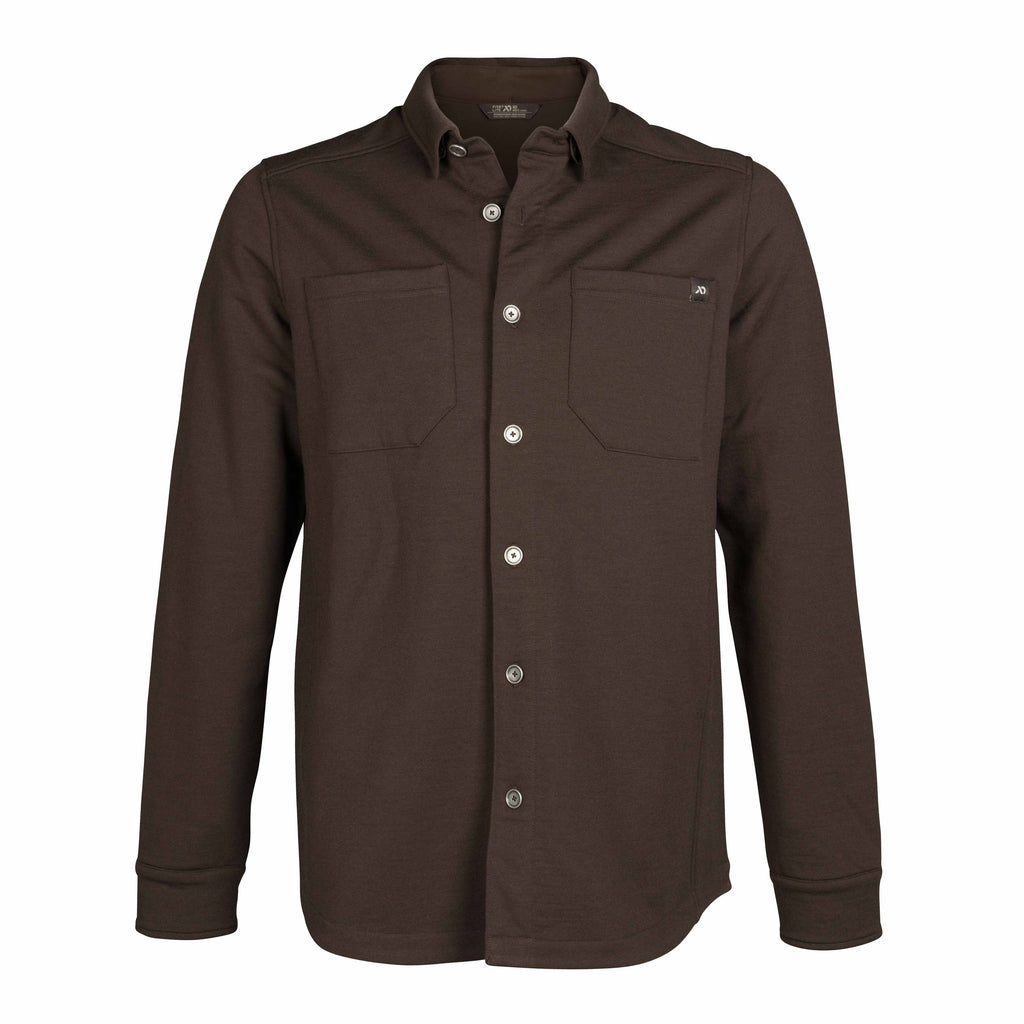
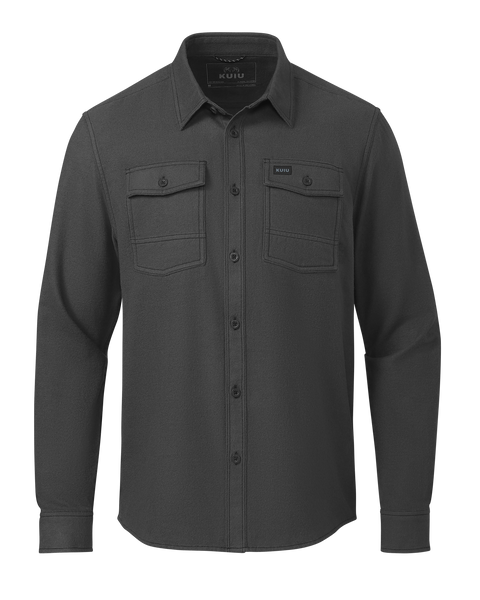
Wool flannel, heavy wool and classic cotton flannel shirts from Duckworth, Pendleton, First Lite, Filson, Johnson Woolen Mills, KUIU and L.L.Bean, compared on fabric, weight and price.
Who this is for: hunters, campers and anyone doing cold-weather chores who wants a shirt that works as an outer layer. Seven of these ten are wool-dominant, because wool keeps insulating when damp and cotton does not. We compared fabric blend, listed fabric or garment weight, pockets, cut and price from each maker's own product page. This is desk research, not a field test. Prices were checked November 10, 2026. Not every wool shirt here is a brushed flannel: we note when a maker calls its fabric a plain weave, double knit or woven wool. The last three picks are cotton-rich flannels for dry weather and budget buyers.
Quick picks
Shop links open Wild10 checkout products. External affiliate links may earn us a commission, at no extra cost to you.
Wool flannel, heavy wool and classic cotton flannel shirts from Duckworth, Pendleton, First Lite, Filson, Johnson Woolen Mills, KUIU and L.L.Bean, compared on fabric, weight and price.
Rank this list
Loading community ratings… Ratings re-order the picks — they never change which products make the list.
Most modern flannels lean heavily on brushed cotton or cheap synthetic blends that look rugged at the trailhead but quickly fail when freezing rain sets in. Duckworth takes an entirely different path with the Sawtooth Shirt, cutting it from single-origin Montana merino wool raised on open-range mountain pastures. This is genuine woven wool flannel, milled to balance substantial weather resistance with a soft, brushed hand against bare skin.
In the field, it functions more like a light jacket or technical midlayer than a standard button-down. The natural crimp of the Rambouillet wool traps dead air effectively without trapping sweat, shedding damp mountain fog and retaining warmth even when frosted over. It bridges the gap between historical ranchwear and functional backcountry apparel without looking like costume gear.
Owning one requires a deliberate financial commitment and a willingness to hand-wash or dry-clean heavy wool, but the investment reflects in how the garment endures. For anyone spending late autumn split between stacking rounds, tracking through timber, and enduring drafty mountain cabins, it stands apart from mass-market outdoor apparel.
Where it fits
Late-season big game hunting
Chore work in freezing weather
Cold-weather camp midlayer
Shoulder-season backcountry travel
Pros
Single-origin 100% Montana merino wool sourced directly from open-range ranches
Naturally resists ember sparks, odors, wind, and light mountain precipitation
Retains warmth effectively even when soaked through by sweat or melted snow
Significantly softer next-to-skin feel than legacy scratchy wool shirts
Cons
Requires careful hand-washing or dry-cleaning to prevent severe shrinkage
Heavier and less compressible than technical synthetic midlayers
Premium domestic manufacturing carries a substantial initial price tag
This shirt is built for those who work and move outside in dry cold and unpredictable mountain shoulder seasons. If you spend your weekends hiking through thick underbrush, hunting elk timber in November, or splitting firewood in sub-freezing temperatures, the Sawtooth offers a level of hard-wearing functionality synthetic fleece cannot match. It does not suit ultralight thru-hikers obsessive about packing shirts down to the size of an apple, nor will it satisfy those who expect to toss outdoor garments into a standard high-heat clothes dryer. It is deliberately traditional, favoring longevity, sparks resistance, and thermoregulation over sheer weight savings.
Single Origin Wool Craftsmanship
Duckworth sources its raw wool exclusively from the Helle family ranch near Dillon, Montana, where Rambouillet sheep graze in extreme alpine conditions. This specific lineage produces wool fibers that combine fine-micron softness with remarkable structural tensile strength. Woven into a tight, brushed twill rather than a typical loose knit, the resulting fabric offers substantial wind-blocking capability alongside natural natural fire- and ember-resistance. The stitching is clean, with reinforced stress points across the shoulders and cuffs, and the snap closures seat securely without pulling loose under load or snagging when worn beneath a heavy canvas chore coat.
Field Performance and Thermoregulation
The real magic of dense woven merino reveals itself when your heart rate spikes under a pack. Unlike cotton flannel, which holds moisture against your core and turns icy once you stop moving, this wool pumps perspiration outward while retaining body heat. It sheds light snow and morning mist effortlessly, only taking on water under prolonged downpours. Even when damp, it insulates reliably and dries at a steady pace next to a woodstove. Because wool fibers naturally resist bacterial growth, the shirt can easily handle two weeks of daily camp wear without retaining camp smoke or sweat odor.
Weight and Layering Room
Carrying a shirt like this comes with a minor penalty in bulk, as it is thicker and heavier than synthetic fleece alternatives. It does not compress down into a tiny pocket, making it better suited for wearing full-time or carrying tied over a pack flap than buried deep inside an ultralight bag. The cut is cut generous enough to accept a base layer underneath without pulling across the broad of the back, yet tailored sufficiently through the torso so that a heavier waxed-canvas coat or down parka slips cleanly over the top without bunching around the armpits.
Durability and Honest Trade-offs
Durability in dense brush is exceptional, resisting snags from brambles and thorns that shred soft grid fleece. However, the trade-off comes down strictly to maintenance and cost. You cannot wash this shirt in warm water or run it through an electric dryer without ruining the fit and shrinking the wool drastically. It also demands a higher upfront price point than mass-produced imports from Pendleton or Woolrich. For those accustomed to zero-maintenance synthetic clothing, the care ritual might feel burdensome, but treated with basic respect, this wool will last decades rather than seasons.
The Competitive Landscape
When comparing high-end wool shirts, the primary alternatives are the Filson Alaskan Guide Shirt and the Pendleton Board Shirt. Filson uses heavy cotton twill, which is tough as iron but disastrous when wet in cold weather. Pendleton offers pure virgin wool options that look iconic, but their weave tends to be scratchier against bare neck skin and generally imported in recent manufacturing runs. Duckworth holds the high ground by maintaining a completely domestic supply chain and utilizing softer, high-crimp merino that delivers vastly superior next-to-skin comfort without sacrificing field utility.
As an Amazon Associate, Wild10 earns from qualifying purchases.
No ratings yet
Pick 02Research-based review
Men's Plaid Board Shirt
Pendleton
Men's Plaid Board Shirt
Pendleton
Material
100% pure virgin Umatilla wool
Fabric Origin
Woven in Pendleton Pacific Northwest mills
Care Instructions
Machine wash cold on gentle; line dry
Collar Style
Camp collar with top loop closure
Hem Cut
Straight square bottom hem
Pocket Layout
Dual chest pockets with button flaps
The Pendleton Board Shirt remains an enduring staple of cool-weather outdoor wear for good reason. Originally embraced by Southern California surfers in the 1960s for damp dawn patrols, this wool overshirt is fundamentally built for rugged utility. It bridges the gap between a standard button-down and a light jacket, relying on dense, tightly woven wool rather than synthetic liners or artificial membranes.
Cut from pure virgin wool sourced from Pacific Northwest fleece, the fabric handles foul weather with quiet competence. It buffers steady coastal winds, retains insulation when soaked through with mist or river spray, and sheds stray campfire embers without melting into pinholes. Unlike heritage garments that demand fussy dry cleaning, the fabric is treated specifically to tolerate gentle machine washing, making it far more practical for life off the pavement.
While modern synthetic fleeces dry faster and compress smaller in a pack, few can match the sheer lifespan and natural climate control of midweight woven wool. It carries a distinctive square-hem silhouette that hangs naturally untucked over a thermal base layer, offering dependable warmth from autumn woodpiles to damp coastal trails.
Where it fits
Shoulder-season campfires and coastal outings
Chopping firewood and cool-weather chores
Cabins, overlanding, and vehicle camping
Untucked everyday autumn outer layering
Pros
Pure virgin wool insulates reliably even when thoroughly damp
Naturally resistant to campfire sparks and flying embers
At the heart of the garment is Umatilla wool, named after the Oregon county where the company has sourced fleece for generations. The raw wool is spun and woven into a dense flannel in company-owned mills along the Columbia River. Because wool fibers possess a natural crimp and elasticity, the weave breathes well while trapping pockets of dead air for steady thermal retention. The treatment applied to make it washable stabilizes the fibers to minimize felting and shrinkage, provided you keep it away from hot water and high tumble heat. Double-needle stitching secures the stress points along the shoulders and armholes, and the interior yoke is cleanly lined with acetate to prevent coarse wool fibers from grinding directly against the back of your neck during repetitive movement.
Fit and Layering Function
Cut loose and square, the silhouette reflects its vintage workwear roots rather than athletic modern tailoring. It offers generous room through the chest, shoulders, and waist, giving you plenty of clearance to wear a waffle thermal, henley, or chambray shirt underneath without armhole binding. The straight hemline falls just below the hip belt line and looks correct untucked, functioning comfortably as an outer shirt-jacket in moderate chill. If you have a leaner frame and intend to wear it over bare skin or a lightweight tee, you may find the torso slightly billowy. Sizing down provides a closer, more contemporary profile, though sticking to your standard size preserves the freedom of movement required for chopping wood or handling camp chores.
Field Performance and Weather Resistance
Where woven wool consistently outclasses heavy cotton flannel is in unpredictable moisture and wind. The tight twill weave deflects brisk gusts that would cut straight through loose cotton weaves, providing a surprising amount of thermal stability on exposed ridgelines or windy beaches. If an unexpected drizzle rolls in, the natural lanolin oils present in the fibers cause water droplets to bead on the surface for a respectable duration before soaking through. Even when fully wet, wool maintains much of its loft, so you never get that chilling, clammy cling typical of saturated cotton. Furthermore, wool naturally resists microbial buildup, meaning you can wear this continuously on multi-day truck camping trips without generating the sour odors common to high-output synthetic fleece layers.
Weight and Packability Realities
This is not an ultralight piece designed for fast-and-light thru-hiking where every ounce and cubic inch of pack volume counts. Midweight woven wool has real heft, and rolled up, the garment takes up substantial real estate inside an overnight pack. It belongs on your body, stashed behind the seat of the truck, or lashed to the outside of a canvas rucksack. In exchange for the weight penalty, you gain an outer layer that requires zero delicate handling. You can drag deadfall branches across your chest, brush against rough Douglas fir bark, and lean over a smoky cookstove without tearing or damaging the shell. For frontcountry camps, hunting cabins, and cold-weather field work, the durability vastly outweighs the pack volume trade-off.
Durability and Maintenance Truths
Generations of field use prove this weave can survive decades of hard utility if treated with basic common sense. While labeled machine washable, it is not indestructible. Subjecting it to hot wash water, aggressive agitation, or a run through a hot clothes dryer will shrink the wool and warp the chest pocket flaps. The correct field-tested protocol is infrequent washing on a cold, gentle cycle, followed by reshaping and laying it flat on a drying rack away from direct radiant heat. Because wool sheds surface dirt easily once dry, a stiff clothes brush and an overnight airing on the porch solve most minor grime without a full wash cycle. The resin buttons are cross-stitched securely, and the wool fabric naturally resists abrasions that would easily fray standard flannel.
Market Context and Alternatives
Priced in the premium tier for casual outerwear, this shirt competes against heavy cotton overshirts from Filson and synthetic-insulated shackets from modern outdoor brands. Heavy cotton options like the Filson Alaskan Guide shirt offer soft, immediate next-to-skin comfort, but cotton fails completely once wet and provides far less wind resistance. True heavyweight wool coats, such as a traditional Mackinaw jac-shirt, deliver greater raw blizzard protection but prove far too stiff and warm for moderate work around camp. This midweight piece lands squarely in the sweet spot between indoor comfort and outdoor protection, delivering functional, natural thermoregulation at a price that reflects domestic fabric production and long-term lifespan.
As an Amazon Associate, Wild10 earns from qualifying purchases.
No ratings yet
Pick 03Research-based review
Men's Rugged Wool Field Shirt
First Lite
Men's Rugged Wool Field Shirt
First Lite
Fabric Blend
Heavyweight wool blended with synthetic core for strength
Fit Profile
Relaxed layering cut with articulated arms
Closure Style
Low-profile, quiet front buttons
Pockets
Dual structured buttoned chest pockets
Scent Control
Naturally odor-resistant merino wool performance
Intended Climate
Late autumn through deep winter conditions
Late-season hunts expose every flaw in your layering system. Cotton flannels wet out from pack sweat and freeze, while ultralight synthetic tops tear apart the second you push through scrub oak or alder. The Rugged Wool Field Shirt solves that tension by bridging the gap between an insulating midlayer and a durable outer brush garment.
First Lite built this around a heavyweight wool blend designed to take abuse without surrendering merino's natural microclimate regulation. It moves quietly, buffers wind far better than open-knit base layers, and continues to trap body heat even when dampened by freezing rain or hard exertion. Cut with a generous outdoor profile, it layers cleanly over a lightweight base yet slides easily under a technical shell or down parka.
This is not a casual camp shirt masquerading as field gear. It was engineered specifically for hunters and backcountry woodsmen who spend long hours glassing windy ridgelines or still-hunting through thick, abrasive cover where synthetic face fabrics make far too much noise.
Where it fits
Late-season timber hunts
Cold-weather glassing sessions
Chilly backcountry camp chores
Still-hunting through abrasive brush
Pros
Dead-silent exterior textile will not spook game in heavy brush
Continues insulating reliably even when damp with sweat or melting snow
Naturally resists game-spooking body odors over multi-day backcountry trips
Burly fabric resists thorns, abrasive rock, and errant campfire sparks
Generous field cut allows seamless layering over midweight base layers
Cons
Significantly heavier and bulkier in a backpack than technical synthetic fleece
Gains substantial physical weight if soaked in sustained rain
Requires gentle cold-water laundering and flat air-drying to prevent shrinkage
Dialing in cold-weather garments requires finding a silhouette that avoids binding across the shoulders while preventing excessive draftiness. This shirt leans into a functional field fit, granting ample room across the upper back and chest to accommodate a 150- to 200-weight next-to-skin base layer without tension. The sleeves feature subtle articulation so your cuffs do not ride up your forearms when shouldering a rifle or drawing a bow. Length is cut long through the hem, staying securely tucked into hunting trousers to block rising drafts or dropping down over the seat for extra thermal coverage when sitting on cold rocks or pack pads.
Thermal Regulation and Breathability
Heavy wool excels where hard physical climbs give way to stationary glassing sessions. The dense weave creates enough surface tension to buffer moderate breezes, yet the fiber structure remains naturally breathable. When driving hard uphill, moisture vapor vents through the yarn rather than pooling against your skin, mitigating the post-exertion chill that ruins late-season hunts. Even after working up a sweat under a heavy frame pack, the wool fibers sequester moisture internally while maintaining loft and dry skin contact, providing reliable warmth when the temperature plummets at dusk.
Stealth and Timber Durability
Acoustic signature is where traditional hard-shell garments and slick synthetics fall short in the timber. Wool is inherently dead-silent against twigs, briers, and gear straps. The exterior face features a brushed finish that dampens rubbing noise while resisting the abrasive pull of deadfall and thorny undergrowth. Rather than snagging or shredding like lightweight synthetics, the reinforced weave deflects sharp branch ends and sheds field dirt. It shrugs off stray embers from an evening warming fire that would instantly melt a hole through standard nylon or polyester fleece.
Weight and Field Packability
Substantial warmth and mechanical durability require mass, making this garment noticeably heavier than an ultralight synthetic grid fleece. Packed down into a hunting hauler, it claims substantial cubic volume, functioning much better as an item you wear all day rather than a just-in-case layer stuffed into a daypack. For mountain hunters tracking ounces on extreme backcountry ascents, the dense textile represents a calculated investment. However, for late-season pursuits where reliability, zero-noise stalking, and rugged puncture resistance outweigh minimal pack bulk, the extra mass earns its place.
Price Point and Alternatives
In the heavy wool category, the primary points of comparison are legacy heritage brands like Filson and technical hunting rivals such as Duckworth or Pendleton. Heritage woolens often feature stiffer, scratchier fibers that require break-in time and lack active athletic articulation. This shirt commands a serious price tag, but it justifies the cost by using a softer wool blend that eliminates neck itch while integrating hunting-specific pattern cuts. If you only need a campfire flannel, traditional cotton-wool blends work fine for less money, but they cannot match this shirt's tactical performance in rough weather.
Honest Field Trade-Offs
While wool resists light snow and drizzle naturally due to inherent fiber lanolin, this is not a waterproof storm layer. In sustained downpours or melting wet snow, the dense fabric will gradually absorb water and gain significant carrying weight. Drying out a saturated heavyweight wool shirt in the backcountry takes hours over a fire or inside a heated wall tent. It also demands careful laundry maintenance; hot water washing or an accidental spin through a standard household dryer will ruin the fit. Treat it as a rugged cold-weather insulating workhorse, not rain gear.
As an Amazon Associate, Wild10 earns from qualifying purchases.
No ratings yet
Pick 04Research-based review
Wool Jac-Shirt
Filson
Wool Jac-Shirt
Filson
Primary Material
100% virgin wool
Closure Style
Full button front
Pocket Layout
Dual button-flap chest pockets
Fit Profile
Generous, relaxed overshirt cut
Fabric Weight
Heavyweight outer layer
Care Protocol
Dry clean or spot clean only
Filson introduced the Jac-Shirt back in the 1970s as an uncompromising bridge between a heavy winter overshirt and a field coat. Built from dense, thick virgin wool, it is aimed squarely at people who work or camp in cold, damp conditions where lightweight synthetics would tear on briars or melt from flying campfire sparks. It carries none of the delicate softness found in contemporary brushed flannels, prioritizing raw weatherproofing and rugged utility above all else.
In the field, this piece functions best as an outer shell during shoulder seasons or as a burly midlayer when winter sets in earnest. The tight weave cuts damp coastal breezes and sheds light snowfall effortlessly, maintaining thermal efficiency even after hours of steady drizzle. It is an unlined, utilitarian garment built with generous proportions to fit over base layers and work shirts, making it a cornerstone for anyone who values timeless, mechanical durability over technical ultralight minimalism.
Where it fits
Cold weather truck camping
Splitting and hauling firewood
Late autumn cabin chores
Stationary damp-weather hunting
Pros
Dense virgin wool retains reliable body warmth even when soaked
Naturally immune to campfire embers that melt synthetic fleece
Generous work cut layers cleanly over thick thermal undergarments
Immense abrasion resistance against rough timber and thorns
Cons
Coarse wool texture feels scratchy without a long-sleeve underlayer
Substantial weight and bulk make it impractical for ultralight packs
Requires dry cleaning or careful hand spot-cleaning when soiled
The foundation of this overshirt is thick virgin wool woven tightly enough to turn aside wind and resist snagging on rough timber. Unlike processed blends or recycled shoddy, virgin wool fibers retain natural crimp and elasticity, giving the fabric structural memory and long-term loft. The seams are stitched with heavy-gauge thread, and the closure relies on rugged melamine buttons that will not crack under blunt impact or freeze to your fingers in sub-zero air. The hand feel is coarse and substantial, lacking any synthetic liner or backing. This is intentional minimalism; eliminating delicate nylon linings means there is nothing inside to tear, pill, or delaminate over decades of hard, ungentle use.
Wet-Weather Field Performance
Wool remains the gold standard for passive climate control when moisture is a constant threat. Natural lanolin and fiber structure allow this garment to absorb significant atmospheric humidity without feeling wet against your body or losing heat retention. In steady drizzle or wet snow, moisture beads on the surface before slowly soaking into the outer fibers, where body heat keeps the core warm and functional. It breathes far better than coated canvas or membrane jackets during heavy physical labor like split-wood stacking or clearing brush. Air moves naturally through the weave while you are active, preventing the clammy sweat accumulation that turns hazardous once you stop moving.
Bulk and Pack Considerations
This is not an item you compress into a lightweight backcountry pack for a weekend alpine trek. The thick wool has real heft and rolls into a bulky cylinder that consumes considerable pack volume. Instead, its natural habitat is thrown over the passenger seat of a truck, strapped under the lash points of an external-frame pack, or worn directly on your back from dawn to dusk. When carrying heavy weight on foot over steep topography, the garment feels noticeably heavier than modern high-loft fleece, but you trade that grams-conscious penalty for near-total immunity to abrasion, trail grime, and punctures.
Layering and Fit Realities
Sizing is intentionally broad through the chest, shoulders, and sleeves to allow seamless layering over thermal underwear, chambray work shirts, or medium-gauge knitwear. Buying your standard size yields a true overshirt fit with plenty of room for overhead reaches and swinging an axe without the hem riding up above your beltline. The trade-off is that wearing it over a short-sleeved tee will reveal its coarse, scratchy personality along the neck and forearm seams. It demands a collared shirt or a proper long-sleeve base layer underneath to keep skin irritation at bay during long days.
Long-Term Wear and Durability
Where synthetic shells and soft cotton flannels suffer catastrophic wear from chain-saw chips, barbed wire, and flying hearth embers, this heavy wool simply shrugs off abuse. Sparks that land on the fabric char briefly and self-extinguish without creating melting holes or compromising structural integrity. Friction zones around the cuffs and elbows break in gradually rather than wearing thin, developing a personalized patina rather than fraying into failure. With basic seasonal brushing to clear mud and an occasional air-drying after wet outings, it is an heirloom-tier piece designed to outlast multiple decades of routine field duty.
Market Context and Alternatives
At this premium price tier, buyers often compare it to traditional wool garments from Pendleton or heavier lined shirt-jackets from canvas workwear brands. Pendleton offers softer, lighter weaves that transition better to casual indoor settings, but they lack the heavy, weather-blocking substance found here. Canvas competitors provide similar abrasion resistance but lose all insulation value and turn freezing cold when thoroughly soaked. This piece occupies a specific niche for outdoorsmen who want pure, unlined wool density that works as an honest outer layer throughout wet northern winters.
As an Amazon Associate, Wild10 earns from qualifying purchases.
No ratings yet
Pick 05Research-based review
Long Tail Wool Button Down Shirt
Johnson Woolen Mills
Long Tail Wool Button Down Shirt
Johnson Woolen Mills
Primary Material
Heavyweight blended wool
Cut and Fit
Relaxed work cut with extended drop tail
Closure Style
Durable button-front placket
Country of Origin
Manufactured in the United States
Pocket Layout
Dual buttoned chest flap pockets
Care Requirement
Dry clean or gentle cold spot wash only
Johnson Woolen Mills has cut and stitched heavy cold-weather garments in Vermont since 1842, and this button-down exemplifies their uncompromising approach to winter workwear. It is built from dense, substantial wool that sits closer to a traditional overshirt or bushcraft jacket than an indoor flannel. The defining cut is an aggressively extended drop tail, engineered specifically to stay tucked into heavy canvas trousers or provide full coverage over your kidneys when bending over firewood, running a chainsaw, or riding a tractor.
In the field, this is not a shirt designed for fast-and-light mountain travel or casual layering in mild autumn weather. The fabric has an unapologetic heft and a coarse traditional hand that demands a sturdy base layer underneath. What you gain in return is an impenetrable thermal barrier that shrugs off freezing drafts, resists flying embers around a campfire, and retains its insulating loft even when caked in wet snow.
For northern woodsmen, tradespeople working unheated barns, and hunters holding static watch in late autumn, it solves the perennial annoyance of exposed lower backs. It is unapologetic heritage gear made for brutal conditions, prioritizing sheer thermal protection and longevity over featherweight packability.
Where it fits
Winter firewood processing
Cold weather timber work
Off-grid cabin chores
Late season deer camp
Pros
Extended drop tail eliminates cold drafts across the lower back
Dense wool weave naturally resists flying sparks and brush snags
Heavyweight construction acts as a standalone outer layer in freezing cold
Rugged buttons and stout stitching built for rough manual work
Cons
Too coarse and scratchy to wear against bare skin
Substantial bulk makes it impractical for ultralight packing
Requires dry cleaning or meticulous cold-water hand maintenance
This garment is aimed directly at people working outdoors in freezing conditions where durability trumps athletic flexibility. If your winter routine involves clearing windfalls, feeding livestock in open sheds, or working on winter machinery, you know standard shirts pull out of your waistline within twenty minutes of physical work. The extended hem keeps your lower back fully sealed against wind and blowing snow even when crouched or kneeling. It also appeals to traditional bushcrafters and wall-tent hunters who prefer natural fibers for spark resistance around woodstoves. Anyone seeking an airy, soft-touch lifestyle flannel to wear around an office will find it far too warm, stiff, and substantial for daily indoor use.
Fabric Heft and Heavy Construction
The fabric is tightly woven, thick wool that acts more like an exterior shell than a shirting fabric. The weave stops biting crosswinds in their tracks while remaining naturally breathable enough to prevent moisture buildup during steady labor. Construction throughout is heavy-duty, utilizing stout thread on structural seams and rugged buttons that can be manipulated with leather work gloves. The collar is rigid enough to turn up against raw wind without collapsing, and the dual flap pockets on the chest provide secure stowage for a notebook, pocketknife, or fire kit. It feels indestructible out of the box, with a dense weave that actively sheds brush rather than snagging on every passing branch.
Real World Field Performance
Field testing in sub-freezing timber quickly highlights why this pattern has survived for generations. In twenty-degree temperatures, paired with a midweight merino wool base layer, this shirt produces sufficient warmth for splitting wood or snowshoeing without requiring an external jacket. When stationary, it layers cleanly under a canvas work vest or a wide-cut wax coat. The wool handles mixed precipitation exceptionally well, absorbing surface moisture for hours before any dampness penetrates to your skin. The only movement penalty comes from the density of the fabric around the shoulders, which requires a brief break-in period before it softens and moves naturally with aggressive reaching motions.
Bulk and Packing Realities
Nobody should purchase this shirt expecting to roll it tightly into an ultralight trekking pack. It is remarkably heavy for a button-down garment and occupies considerable volume inside any travel duffel. Because it refuses to compress down, it makes little sense for backpackers attempting to manage limited pack capacity. Instead, this is a piece you pull on at the trailhead or cabin door and keep on until the day's chores are finished. If you must pack it, folding it flat at the bottom of a heavy canvas gear bag is the only practical approach, as it will crowd out midlayers if stuffed carelessly into a standard daypack.
Maintenance and Generational Durability
The upside of such coarse, dense wool is near-limitless longevity under hard outdoor use. It does not fray when brushing past coarse bark, and flying wood embers that melt modern fleece will simply bounce off the face fabric without leaving a trace. Because wool naturally resists odor-causing bacteria, the shirt rarely needs full laundering; hanging it in an airy breezeway or brushing off dried mud with a stiff horsehair brush is usually all the maintenance required. When deeper cleaning is mandatory, it must be dry cleaned or carefully hand-washed in cold water and laid flat, as standard washing machines and heated tumble dryers will ruin the weave.
Comparable Alternatives and Trade-offs
When stacked against the Filson Mackinaw Wool Jac-Shirt or the Woolrich classic heavyweight patterns, this shirt stands out specifically for its extra-long hem. The Filson Jac-Shirt is equally dense and historically grounded, but cuts squarer and shorter, which leaves gaps when bending low unless paired with high-waisted bibs. Modern options from Pendleton offer softer initial hands and more refined indoor styling, but they lack the heavy-duty density required for true winter woods labor. The trade-off you accept with Johnson Woolen Mills is scratchiness; you simply cannot wear this over bare skin without irritation. It requires committed layering, but for raw back-coverage protection, nothing else in the category matches it.
As an Amazon Associate, Wild10 earns from qualifying purchases.
No ratings yet
Pick 06Research-based review
Field Flannel Shirt
KUIU
Field Flannel Shirt
KUIU
Primary Fabric
Brushed synthetic performance polyester
Closure Style
Full button front with collar stand
Pocket Layout
Dual button-through chest pockets
Fit Profile
Athletic taper with room to articulate
Intended Season
Fall, mild winter, and early spring
Care
Machine wash cold, tumble dry low
KUIU made its name carving weight off high-alpine sheep hunts, so turning out a classic button-down plaid might look like an afterthought. It is anything but. The Field Flannel Shirt applies mountain-hunting textile philosophy to everyday sporting wear, ditching traditional heavy cotton in favor of a brushed technical polyester weave that behaves properly in cold, wet woods.
Traditional outdoor flannels have a nasty habit of saturating with sweat during the morning uphill haul and staying soggy until noon. This shirt manages perspiration like a base layer, moving vapor off the skin and drying out rapidly around the tailgate. It offers enough brushed loft to trap heat when the frost is still on the sage, but breathes freely enough to prevent clamminess when you are splitting wood or packing quarters.
It is cut for active users who hate bound-up shoulders when swinging a shotgun or drawing a bow. While it will not match a thick wool stag shirt for standing dead-still in sub-freezing temps, it hits the sweet spot for shoulder-season scouting, hunting camp maintenance, and daily wear between field trips.
Where it fits
Shoulder season scouting trips
Hunting camp base layer
Backcountry travel and transit
Active cool-weather yard work
Pros
Dries substantially faster than traditional cotton work shirts
Tailored athletic cut eliminates bunching under packs and shells
The core of this shirt is a fully synthetic brushed polyester fabric engineered to mimic the hand feel of a broken-in cotton twill without the water-retention penalty. KUIU builds subtle mechanical give into the weave, giving the garment enough forgiveness across the back to move naturally without having to blend in elastane that degrades or retains moisture. The buttons are securely anchored to reinforced plackets, and the collar holds its shape under a vest without curling over. Double-needle stitching runs along the high-stress seam lines, while the chest pockets are proportioned to swallow small logbooks, folding knives, or field tags without gaping open awkwardly.
Field Performance and Breathability
On a brisk hike up to a glassing knob, this shirt behaves unlike any heritage work shirt. Sweat generated under backpack shoulder straps migrates through the polyester fibers and evaporates rapidly once you drop your pack, dodging the lingering chill typical of damp cotton. The brushed interior feels soft directly against bare skin, yet the face fabric is smooth enough to slide underneath a puffy vest or hardshell without bunching up. It does not cut serious wind on an exposed ridge, but paired with a light windshirt, it creates a dependable thermal buffer during moderate exertion in frosty mountain conditions.
Cut and Articulation
Rather than relying on the boxy, oversized cut favored by traditional workwear brands, this pattern takes cues from technical athletic gear. The torso is tailored with a slight taper that stays tucked in when you want it to, while the hem length provides ample rear coverage when bending over to inspect tracks. The sleeves feature thoughtful patterning that prevents the cuffs from dragging backward up your forearms every time you reach forward to shoulder a rifle or steer a pickup over rutted two-tracks. Broad-shouldered users will find sufficient clearance across the upper back without dealing with excess fabric pooling around the waist.
Durability and Field Resistance
Tight synthetic weaving makes this fabric resilient against the abrasive scrub and berry briars that chew up soft brushed cotton. It shrugs off surface snags reasonably well, and pet hair or sawdust sweeps off the face rather than embedding in the yarn. However, synthetics carry distinct compromises around the fire pit. Stray sparks will melt pinholes through the weave instantly, and it will pick up campfire smoke and body odor far faster than a comparable wool garment. Treat it like the technical layer it is: keep it away from open embers, wash it with scent-free detergent, and it will hold its shape through years of abuse.
Weight and Packability
Traditional wool and cotton flannels are notoriously bulky, often demanding prime real estate inside a dry bag or duffel. This synthetic build compresses down remarkably flat, rolling into roughly the size of a water bottle when stashed inside a daypack. It adds minimal weight to a weekend kit, making it an easy addition as an evening camp layer or emergency midlayer. The fabric also resists hard-set packing wrinkles, pulling out of a stuffed dry bag ready to wear into town for fuel and breakfast without looking like it spent three days compressed at the bottom of a pack.
The Competitive Trade-Offs
Against heavy wool staples from Filson or Pendleton, this garment sacrifices raw thermal heft, natural water repellency, and spark resistance. If you spend cold days sitting motionless around an open fire or running a chainsaw in freezing drizzle, wool remains the superior shield. Yet compared to synthetic competitors from Sitka or casual options from outdoor lifestyle brands, this shirt strikes a cleaner balance between understated camp aesthetics and genuine athletic performance. You gain rapid dry times and packability at the expense of spark resistance, making it an ideal tool for active hunters rather than stationary woodsmen.
As an Amazon Associate, Wild10 earns from qualifying purchases.
No ratings yet
Pick 07Research-based review
Flannel Lined Insulated Snap Shirt
KUIU
Flannel Lined Insulated Snap Shirt
KUIU
Primary Insulation
Synthetic active loft fill
Lining Fabric
Brushed polyester flannel
Closure Style
Low-profile metal snap front
Pocket Layout
Dual chest snap pockets, handwarmer pockets
Weather Resistance
DWR-treated wind-resistant outer shell
Cut
Relaxed overshirt fit for layering
Calling this piece a standard flannel stretches the definition of the category, but when temperatures crater around camp, semantic arguments stop mattering. This garment bridges the gap between a classic work shirt and a specialized synthetic puffy. Designed by a hunting brand obsessed with weight-to-warmth ratios, it pairs an abrasion-resistant exterior with lofted synthetic insulation and a brushed flannel lining against the skin. The result is an outer layer that cuts morning frost better than heavy mackinaw wool without the stiff, scratchy break-in period.
That thermal punch earned it the title of the warmest option in our test pool, but it also dictates how you wear it. Treat it as a technical overshirt or light jacket rather than something you button up under a trim shell. It belongs on deer camp tailgates, cold glassing knolls, and unheated cabin porches where stationary warmth takes priority over sweat management.
Where it fits
Late-season camp chores
Cold morning glassing
Winter truck camping
Stationary outdoor work
Pros
Significantly warmer and more wind-resistant than traditional wool or cotton
Brushed interior lining prevents the clammy feel of standard nylon jackets
Tough outer shell resists snagging on brush, cordwood, and camp gear
Snap closures operate smoothly with heavy winter work gloves
Cons
Too warm and bulky for high-output hiking or steep ascents
Takes up considerable pack volume compared to technical down layers
The engine of this shirt is its layered construction. Instead of relying solely on heavy-gauge spun yarn for thermal retention, it sandwiches high-loft synthetic insulation between a hard-wearing face fabric and a soft, moisture-dispersing flannel interior. That inner flannel delivers instant next-to-skin warmth, eliminating the initial cold shock typical of slick nylon linings found in standard down jackets. Meanwhile, the synthetic core continues trapping body heat even if damp from snow or condensation inside a tent. The exterior fabric resists wind penetration far better than open-weave wool flannels, keeping warm air sealed around your core when the evening breeze kicks up. It is an intentional design that prioritizes dead air space over minimal thickness.
Field Performance and Thermoregulation
In freezing static conditions, this shirt punches well above traditional button-downs. Chopping wood at dawn or sitting on a boat bench in late November, the level of trapped heat is undeniable. However, that thermal efficiency comes with a hard ceiling during high-exertion travel. If you try hiking uphill with a loaded pack while wearing this piece, you will overwhelm the breathable lining within twenty minutes. The metal front snaps allow for rapid dumping of heat across the chest, but there are no underarm vents to shed excess moisture. It excels as an arrival layer or cold-weather camp shirt rather than a mobile midlayer for steep approaches.
Fit and Layering Dynamics
Sizing leans distinctly toward an outerwear cut. The shoulders and torso accommodate a midweight baselayer or even a light waffle-knit fleece underneath without binding or pulling across the upper back. Sleeve length is generous enough that wrists stay covered when reaching forward to grab an axe handle or steer a truck, and the snap cuffs easily accommodate midweight work gloves. Because of the built-in insulation and rugged outer face, sliding this piece underneath an athletic-fit rain shell feels bulky and constricting. It wants to live on the outside of your clothing system, serving as your primary barrier against chill until torrential weather forces a hard shell.
Durability and Abrasion Resistance
KUIU built its reputation on textiles that survive backcountry granite and brush, and that DNA shows in the outer shell. Unlike traditional cotton flannel that frays at the cuffs and absorbs wood pitch permanently, this synthetic face shrugs off contact with coarse firewood, rough pine bark, and barbed-wire fence lines. The metal snaps are reinforced at the placket, preventing tear-out even when yanked open with heavy gloves. Dirt and trail grime brush off easily, and small spills bead up thanks to the durable water repellent treatment. It will easily outlast heritage cotton shirts under hard manual labor without developing thin spots in the elbows.
Weight and Packing Realities
The trade-off for insulation and armor-like face fabric is compressed volume. While it is lighter than a drenched twenty-four-ounce wool overshirt, it takes up substantial space inside a multi-day backpack. Rolling it tightly requires muscle, and it will fill roughly the same cubic volume as a dedicated technical belay jacket. If your trips demand ultra-compact packing where every liter matters, a dedicated ultralight down sweater remains the smarter technical choice. If your routine involves throwing gear in the bed of a truck, hanging out around basecamp, or day hunts in brutal frost, the physical bulk is a minor penalty for the durability and ease of use.
Market Context and Alternatives
At this price tier, the market divides into heritage wool garments and modern insulated shackets. A classic Filson wool shirt delivers timeless style and quiet movement in timber, but it lacks the wind resistance, pack weight efficiency, and instant loft of this synthetic design. Offerings from mainstream mountain brands often look similar on paper but use fragile face fabrics better suited to coffee shops than hauling firewood. This shirt costs serious money, but the expense reflects specialized materials built for punishing environments. It is an unapologetic tool for people who work or wait outside in cold, dry weather and refuse to shiver.
As an Amazon Associate, Wild10 earns from qualifying purchases.
No ratings yet
Pick 08Research-based review
Field Flannel Fleece Shirt Jacket
KUIU
Field Flannel Fleece Shirt Jacket
KUIU
Face Fabric
Brushed polyester flannel
Interior Lining
High-pile polyester fleece
Front Closure
Heavy-duty metal snap placket
Pocket Layout
Dual chest snap pockets plus hand pockets
Fit Profile
Athletic overshirt cut
Primary Focus
Cold-weather outer layer and camp jacket
KUIU designed this piece to fill the gap between a classic woodchopper overshirt and a technical hunting midlayer. Built around a durable synthetic flannel face bonded to high-pile interior fleece, it delivers substantial loft and wind-breaking structure without the soggy moisture retention that plagues traditional heavy cotton flannel. It is tailored specifically for hunters, guides, and mountain crews who need cold-weather durability around camp, in the bed of a truck, or while moving through stiff late-autumn brush.
The profile is cleaner and more athletic than the boxy barn coats that dominate the fleece-lined flannel market. While casual workwear brands lean into slouchy silhouettes, this cut preserves shoulder mobility and trims excess material around the midsection. That tapered athletic patterning keeps cold air from drafting up your back when you reach forward to hoist firewood or string up game, making it far more functional in active field scenarios than heritage work shirts twice its weight.
Where it fits
Late-season truck camping
Cool-weather firewood chores
Tailgate glassing and scouting
Drafty hunting cabin wear
Pros
High-loft fleece lining traps heat far better than standard unlined flannels
Synthetic construction dries rapidly and avoids waterlogging in snow
Glove-friendly snap hardware speeds up venting and closure
Athletic cut prevents billowing while maintaining shoulder mobility
Cons
Synthetic face fabric melts quickly if contacted by campfire embers
Too bulky to justify carrying inside an ultralight backcountry pack
Lacks the natural odor resistance of heavy untreated wool
Rather than relying on heavy brushed cotton or thick woven wool, the shell utilizes an all-synthetic polyester flannel that sheds light surface precipitation and refuses to hold onto sweat. Inside, a deep high-loft fleece lining traps dead air directly against your base layer, creating an immediate microclimate of warmth. The seams are cleanly bound with heavy thread, and the front closure relies on low-profile, reinforced metal snaps that will not crack or snag like plastic buttons. The collar is structured enough to stand upright against a stiff ridge wind without flopping flat, providing honest neck protection when weather rolls in fast.
Thermal Field Performance
In freezing temperatures around camp, this shirt jacket behaves more like a low-bulk fleece coat than a standard overshirt. The bonded exterior breaks cold drafts significantly better than loose-weave wool shirts, eliminating the need for a windproof shell during light breezes. It generates impressive thermal output during low-output tasks like running a chainsaw, splitting kindling, or glassing open hillsides from a tailgate. Because the materials are fully synthetic, it pushes internal vapor outward far more efficiently than quilted cotton jackets, keeping you dry and warm if your heart rate spikes while dragging gear.
Fit and Layering Dynamics
True to technical mountain apparel standards, the sizing leans slightly trim through the torso while offering generous articulation across the upper back and armholes. You can comfortably wear a midweight merino wool or grid fleece base layer underneath without restricting your draw stroke or binding at the elbows. However, it is fundamentally an outer garment rather than an internal midlayer. Shoving this thick, fleece-lined silhouette under a close-fitting alpine rain shell is an exercise in frustration, as the friction between the face fabric and hard-shell interior restricts natural motion.
Durability and Abrasion Resistance
Field testing against jagged firewood, steel truck tailgates, and dry mountain mahogany reveals strong abrasion resistance across the synthetic shell. The fabric resists snagging on brambles and sheds burs far easier than open-pile wool or shaggy cotton twills. It holds up admirably to repeated mechanical washing without the shrinking or fabric warping that inevitably ruins wool blends. The only clear vulnerability is open flame; drifting embers from a hot pine campfire will melt tiny pinholes into the polyester face instantly, meaning you must stay mindful when tending sparks.
Packability and Bulk
This is deliberately a truck-and-camp piece rather than a backcountry backpacker's insulating layer. The combined density of the heavy exterior fabric and plush fleece lining makes it bulky to roll up, and it will monopolize significant volume inside a multi-day hunting pack. If your priority is ounce-counting and micro-pack volume, a technical ultralight down hoody wins every time. But for staging out of a wall tent, working in deep autumn chill, or driving dirt roads between trailheads, its sturdy hand-feel and exterior resilience prove indispensable.
Alternatives and Direct Trade-Offs
Compared to legendary heavyweights like the Filson Jac-Shirt, this synthetic build is dramatically lighter, far less itchy against bare skin, and handles wet washing machines without specialized care routines. Conversely, it lacks the timeless heritage aesthetic, sparks-shedding natural fire resistance, and multi-day odor management that pure virgin wool provides. Against mainstream options like the Patagonia Insulated Fjord, it trades casual street-style boxiness for a leaner, more task-oriented hunting cut that performs significantly better when you are working actively with your hands.
As an Amazon Associate, Wild10 earns from qualifying purchases.
No ratings yet
Pick 09Research-based review
Alaskan Guide Shirt
Filson
Alaskan Guide Shirt
Filson
Primary Material
Heavyweight brushed cotton flannel
Fit Profile
Relaxed heritage cut with room to layer
Closure Style
Full button front with durable horn buttons
Pocket Layout
Dual expandable chest pockets with button flaps
Back Detail
Center back pleat for unrestricted shoulder swing
Care Protocol
Machine wash cold, line dry recommended to prevent shrinkage
Filson has produced this garment for decades with minimal alteration, and there is a straightforward practical reason for that stubborn continuity. It occupies the exact middle ground between a heavy everyday shirt and a durable camp overshirt. Built from an exceptionally dense brushed cotton flannel, this piece is cut for manual labor and cold weather rather than technical mountain ascents.
While ultralight backpackers long ago abandoned heavy cotton for synthetics and merino, dense twill remains unmatched for abrasive chores. When splitting cords of damp firewood, tending brush fires, or hauling rough lumber, fragile synthetic fleeces melt or shred. This shirt simply absorbs the punishment, softening with wash and wear while retaining its structural integrity through years of hard utility.
It makes no pretense of being an all-weather backcountry shell. It is heavy, bulky, and cut deliberately large to clear thermal base layers. For anyone spending crisp autumn mornings running a chainsaw or managing a hunting basecamp, it remains an indispensable standard.
Where it fits
Firewood chores and clearing
Shoulder-season camp chores
Cold-weather cabin living
Everyday rural workwear
Pros
Exceptionally dense cotton weave stops cool wind and resists tearing
Shoulder pleats allow broad arm movement without pulling up the hem
Holds up to decades of abrasive chores and repeated washing
Double-brushed finish delivers immediate broken-in comfort against bare skin
Cons
Dries extremely slowly once saturated by rain or hard sweat
Significant pack bulk makes it impractical for self-supported trekking
Generous vintage sizing can swamp slender body types
This garment is built primarily for outfitters, tradespeople, woodlot managers, and cold-weather campers who prioritize puncture resistance over pack weight. It does not cater to modern fast-and-light mountain travel. The generous tailoring accommodates broad shoulders and physical work, meaning it hangs loosely on lean frames unless worn over an insulated vest or thick waffle-knit thermal. If your winter activities involve sharp tools, coarse cordwood, flying embers, or tractor work, this top provides an armor-like shield that fragile technical midlayers cannot match. It also serves reliably as a casual daily outer layer for freezing shoulder seasons in rural environments where synthetic technical outerwear looks out of place.
Fabric Weight and Construction
The foundation of this piece is a tightly woven, heavyweight cotton twill that is brushed on both faces for immediate comfort against bare skin. The weave is dense enough to cut moderate wind chill despite lacking any internal synthetic membrane. Filson uses heavy-gauge thread and reinforced stress stitching along the seams, armholes, and pocket corners. The dual button-flap chest pockets are sized generously enough to hold a notebook, knife, or field compass without puckering. A substantial pleated shoulder yoke allows full range of motion when swinging an axe or loading an open truck bed. The buttons are anchored securely, showing zero wobble even after months of constant tugging.
Thermal and Weather Dynamics
Cotton has obvious physical constraints in wet wilderness settings, and understanding them is essential before taking this into remote terrain. The heavy brushed twill traps a surprising amount of still air, keeping your core comfortable in dry sub-freezing temperatures when combined with a wool base layer. It also resists moderate morning frost and dry drifting snow reasonably well. However, if saturated by heavy rain or excessive body sweat, the fabric absorbs liquid rapidly, gains noticeable weight, and dries at an agonizingly slow pace. It belongs squarely in cold, dry climates or controlled basecamp settings where shelter and indoor heat sources are readily accessible.
Packability and Trail Practicality
Rolling this shirt up reveals its main liability for foot travel. It consumes roughly the same internal pack volume as an entire lightweight three-season down quilt, while weighing substantially more than a standard fleece pullover. If you are packing a standard expedition rucksack for a multi-day foot trek, this piece simply takes up too much usable space and provides an inefficient warmth-to-weight ratio. It is designed to live on a hanger in a rustic cabin, tossed on the bench seat of a pickup truck, or stowed inside a heavy canvas duffel bag meant for float planes and drift boats.
Long-Term Field Durability
Where this shirt completely earns its reputation is outright mechanical resilience. In multi-season field testing, the fabric resists fraying when scraped against rough lodgepole pine bark, wire fencing, and abrasive granite. While standard modern department-store flannels develop threadbare patches at the elbows within a winter or two, this dense cotton weave holds its ground for a decade or more. The buttonholes are heavily reinforced to prevent stretching or blowing out under tension. Aside from gradual surface fading and soft fraying at the cuff edges that only adds character, the core structure refuses to degrade under regular, abrasive abuse.
The Competitive Landscape
At this premium price tier, buyers naturally weigh this against high-end wool and heavy workwear. Wool shirts like the classic Pendleton Board Shirt offer superior warmth when damp, but wool requires finicky cleaning routines and lacks the wash-and-wear simplicity of brushed cotton. On the workwear end, brands like Carhartt and Duluth Trading offer tough cotton shirts at half the cost, yet they rarely match the fabric density, tailored cuff structure, or long-fiber softness found here. Patagonia offers thick organic cotton flannels with a more tailored, athletic profile, but they lean lighter in hand feel and lack the sheer armor-like thickness of this heavy twill.
As an Amazon Associate, Wild10 earns from qualifying purchases.
No ratings yet
Pick 10Research-based review
Men's Scotch Plaid Flannel Shirt, Traditional Fit
L.L.Bean
Men's Scotch Plaid Flannel Shirt, Traditional Fit
L.L.Bean
Fabric
100% Portuguese cotton flannel
Fit Profile
Traditional relaxed cut
Fabric Weight
Midweight brushed weave
Pockets
Single open chest pocket
Care
Machine wash and dry
Closure
Full button placket
L.L.Bean has been cutting their Scotch Plaid flannel for decades, and the formula remains largely unchanged for a simple reason: it just works for camp life. Woven from long-staple Portuguese cotton, this is the shirt you reach for when the morning frost coats the picnic table and the coffee water needs boiling over a camp stove. It makes no pretense about being an ultralight technical layer for high-cadence alpine scrambles. Instead, it leans unapologetically into rugged comfort, warmth, and classic styling that looks right at home stacked against cords of split birch.
The Traditional Fit cut offers zero contouring, giving you a generous, boxy drape that easily accommodates a heavyweight henley or thermal baselayer underneath. That extra breathing room pays off when you are swinging an axe or loading canoes, preventing binding across the upper back and armpits.
Earning the number ten spot on our roster as the best budget option, it stands as proof that dependable outdoor apparel does not require technical price tags. You sacrifice the moisture-shedding and thermal efficiency of pure merino wool, but for dry-cold days around the homestead or base camp, few shirts deliver this much fabric weight and stitching integrity for the dollar.
Where it fits
Dry autumn camp chores
Cabin downtime and lounging
Splitting and hauling firewood
Shoulder-season roadside travel
Pros
Dense Portuguese cotton weave resists premature thinning and seam blowout
Generous traditional cut layers effortlessly over heavy thermal underwear
Brushed surface delivers immediate next-to-skin comfort with zero wool scratch
Durable resin buttons and reinforced stress points handle rough camp use
Cons
Pure cotton fabric retains sweat and dries slowly if caught in rain
Boxy cut leaves noticeable excess fabric on slim or athletic frames
Lacks the natural odor resistance and temperature regulation of wool
The core of this shirt rests in its yarn-dyed Portuguese cotton, brushed on both sides for an exceptionally soft initial hand feel that only improves after a dozen cycles through the wash. Unlike cheap department-store flannels printed on one face, the colors are woven through, preventing the tartans from looking dull or faded when the cuffs are rolled. The weave is dense enough to cut down light ambient drafts, yet loose enough to vent well when working around camp. The cotton fibers are long-staple, which limits the surface pilling that plagues lower-tier synthetics and low-grade short-fiber cottons over time. It feels substantial in the hand without the stiff, cardboard-like drape that makes some utility shirts uncomfortable before an extensive break-in period.
Fit and Layering Reality
L.L.Bean's Traditional Fit is cut for utility rather than modern tailoring, providing a broad chest, generous arm openings, and a relaxed waist. If you carry an athletic or slim build, you will notice significant excess fabric billowing around the midsection when it is worn solo over a bare t-shirt. However, that roomy profile is an asset once fall temperatures plunge and you slip it over a waffle-knit thermal or thick wool undershirt. The shoulder yoke is set wide, allowing full forward reach without lifting the hem clean out of your work trousers. The shirt tails are cut long enough to stay tucked in against cold drafts, though they fall cleanly over a belt line if you prefer wearing it open as a light overshirt.
Real-World Performance Limits
Because the garment is built entirely from brushed cotton, it demands sensible operating conditions. On crisp, dry mornings or windy afternoons around the fire ring, the fabric traps body heat effectively beneath an outer canvas shell. However, the cardinal rule of outdoor layering applies here: cotton absorbs water and holds it stubbornly. Work hard enough to soak the back panel with perspiration on an uphill hike, and the fabric turns heavy, clammy, and chilling once you stop moving. It offers zero of the wet-warmth security or natural odor suppression found in boiled wool or technical merino blends. Keep this shirt assigned to low-output chores, car camping, and cabin downtime where sweating out your layers is not a primary hazard.
Durability and Stitching
Double-needle stitching runs along the major stress points, including the side seams, armholes, and collar stand. The buttons are sturdy resin, cross-stitched securely through the placket so they do not easily pop off when snagged on firewood or branch ends. After multiple seasons of rough use and standard laundering, the collar points maintain their structure without curling into bacon edges, a frequent failure on bargain flannels. You can expect minor fabric shrinkage if dried on high heat, but washed cold and hung dry or run on low, the dimensions remain remarkably stable. The single chest pocket is reinforced at the corners, making it sturdy enough to hold a folding knife, pen, or pocket notebook without tearing the surrounding fabric.
Weight and Trail Packability
Midweight cotton flannel is naturally bulky, meaning this shirt claims substantial real estate inside a multi-day backpack. Rolling it tight yields a bundle roughly the size of a two-person cookset, and its pack weight is noticeably higher than a modern grid fleece or lightweight wool button-up of similar warmth. For wilderness backpacking where every ounce and cubic inch is accounted for, it makes little sense to pack. Its true venue is the backseat of a pickup truck, an overstuffed canvas duffle, or hanging on a peg by the woodshed door. When you do not have to carry your gear on your back for miles, the comfort and visual familiarity of traditional cotton easily outweigh its physical mass.
Value Against the Field
Stepping into higher-end outdoor shirts often leads to heavy wool models from heritage makers that routinely run three to four times the cost of this piece. While those premium wool alternatives deliver superior weather resistance, they can be scratchy against bare skin and require finicky hand washing or dry cleaning. Lower down the price scale, budget synthetics pill rapidly and retain camp smoke odors permanently. L.L.Bean lands squarely in the practical middle, offering authentic mill quality, durable seam construction, and dependable sizing at a price point that makes it painless to actually put the garment to hard, dirty work without treating it like a museum piece.
Wool flannel, heavy wool and classic cotton flannel shirts from Duckworth, Pendleton, First Lite, Filson, Johnson Woolen Mills, KUIU and L.L.Bean, compared on fabric, weight and price.
Key takeaways
#1 Men's Sawtooth Shirt — Duckworth
#2 Men's Plaid Board Shirt — Pendleton
#3 Men's Rugged Wool Field Shirt — First Lite
#4 Wool Jac-Shirt — Filson
#5 Long Tail Wool Button Down Shirt — Johnson Woolen Mills
#6 Field Flannel Shirt — KUIU
Intended uses
Gear
Verification notes
Editorial ranked list, 10 entries. Evidence mix — 10 research only. Buy links open the maker or a retailer search.
How we chose
Last updated
Ranked by Wild10 Editorial Team, Research desk
We compared widely available outdoor flannel shirts using maker specifications, retailer listings and published reviews, then ranked 10 against the same criteria below. This is desk research unless a pick is marked field tested. Rankings are editorial. No brand pays for placement, and affiliate links never move a pick up or down.
Real-world durability
How the material, stitching, or steel holds up after a season of hard use — not how it looks new.
Performance in bad conditions
Wind, rain, cold, and grit are the test. Anything that only works on a nice day gets marked down.
Weight and packability
Every ounce has to earn its place in the pack, but not at the cost of something that fails in the field.
Ease of use
Setup, adjustment, and maintenance with cold hands, in the dark, without the manual.
Value at its price point
Compared against the closest competitors in the same tier, not against cheaper gear in a different class.
Repairability and support
Field-fixable design, available parts, and a warranty the maker actually honors.
How often we recheck this: Reviewed on a rolling basis and rechecked at least once a year, or sooner if a pick is discontinued, revised, or beaten by something new.
Best outdoor flannel shirts for a specific job
Skip the ranking — jump to the pick that matches how you actually use it.
Our editors test the gear, pick the ten, and set the order the day a list publishes. After that, the ranking is live: every member star rating feeds the community order, so picks climb or slide as real owners report back. Editorial judgment decides what earns a spot — you help decide where it sits.
Editors set the field
Verified specs, feature and use-case comparison, and outside sources choose the ten and the published order; field-tested picks are labeled.
Readers re-rank it
Your 1–5 star ratings drive the community order on every list.
Rankings keep moving
Picks rise or fall over time — nothing is frozen at launch day.
Award picks
The ranking above is price-blind and judged on merit. These awards call out the pick we'd hand a specific person with a specific need.
The Duckworth Sawtooth is the best true wool flannel. The Pendleton Board Shirt is the classic machine-washable wool pick, Johnson Woolen Mills makes the heaviest wool shirts, and the L.L.Bean Scotch Plaid is the budget cotton flannel for dry weather.
How to choose outdoor flannel shirts
Every pick on this page was judged against the same criteria. If you want the short answer, Men's Sawtooth Shirt by Duckworth is the one we point most people at. If you want to decide for yourself, here is what actually separates a good outdoor flannel shirt from an expensive one.
Real-world durability
How the material, stitching, or steel holds up after a season of hard use — not how it looks new.
Performance in bad conditions
Wind, rain, cold, and grit are the test. Anything that only works on a nice day gets marked down.
Weight and packability
Every ounce has to earn its place in the pack, but not at the cost of something that fails in the field.
Ease of use
Setup, adjustment, and maintenance with cold hands, in the dark, without the manual.
Value at its price point
Compared against the closest competitors in the same tier, not against cheaper gear in a different class.
Repairability and support
Field-fixable design, available parts, and a warranty the maker actually honors.
Match the pick to your use
The right outdoor flannel shirts depends on what you are actually doing with it: Late-season big game hunting; Chore work in freezing weather; Cold-weather camp midlayer; Shoulder-season backcountry travel; Shoulder-season campfires and coastal outings; Chopping firewood and cool-weather chores. Start from the use case, then work down the ranking until you hit the first pick that covers it.
Common mistakes
Buying the lightest outdoor flannel shirts you can find and discovering it cannot take a season of hard use.
Paying for a specialist feature you will use once a year instead of the versatile option.
Comparing headline specs across tiers instead of within the same class.
Skipping fit, sizing, or adjustment checks that decide whether you actually carry it.
Frequently asked questions
What is the best outdoor flannel shirts?
Men's Sawtooth Shirt by Duckworth takes the top spot. Best true wool flannel
How did The Wild10 choose and rank these outdoor flannel shirts?
We judged every pick against the same criteria — real-world durability, performance in bad conditions, weight and packability, ease of use — and ranked them on merit regardless of price. Wool flannel, heavy wool and classic cotton flannel shirts from Duckworth, Pendleton, First Lite, Filson, Johnson Woolen Mills, KUIU and L.L.Bean, compared on fabric, weight and price.
What is the best budget outdoor flannel shirts?
Men's Scotch Plaid Flannel Shirt, Traditional Fit by L.L.Bean — Best budget flannel
Men's Sawtooth Shirt vs Men's Plaid Board Shirt — which should I pick?
Men's Sawtooth Shirt ranks first: Best true wool flannel Men's Plaid Board Shirt is the close second: Best classic washable wool Our full head-to-head compares them side by side.
How often is this list updated?
We review this ranking on a rolling basis and update it whenever a pick is discontinued, meaningfully revised, or beaten by something new. Rankings are editorial — brands do not see them before publication and affiliate links never change the order.