


Reader rating
Rate it and you move it. Community ratings re-rank this product inside its Top 10 list.
Expert-picked, reader-ranked. Our editors choose the products and the launch order; member star ratings move picks up or down over time.
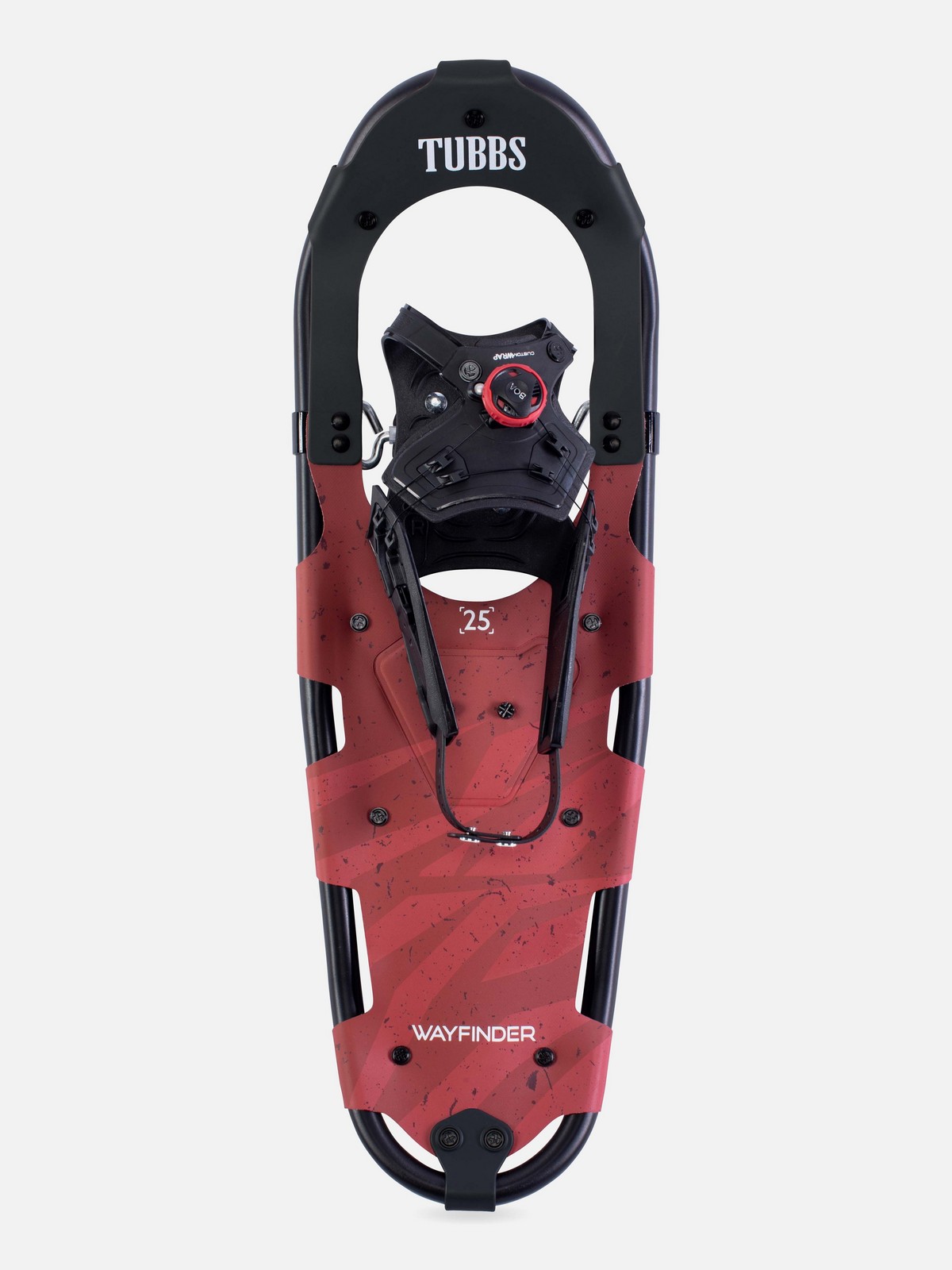
The Tubbs Wayfinder is built for casual winter recreationists and all-terrain day hikers who prioritize speed of entry and everyday trail comfort. Positioned as an accessible, user-friendly step up from basic department-store gear, the Wayfinder excels on local park loops, golf courses, packed forest paths, and gently rolling hills where simplicity and reliable performance matter most. The headline feature of the Wayfinder is the integration of the BOA Fit System into its CustomWrap binding. Rather than fiddling with multiple cold, stiff straps and buckles, users simply step in, push the dial, and turn. The micro-adjustable cable evenly tightens a supportive cradle around the boot, providing immediate, secure hold without painful pinch points. The shoe combines a standard aluminum frame with a flexible deck, offering decent flotation and a quiet, cushioned feel underfoot. Because it is optimized for moderate trail use, the Wayfinder makes concessions on technical terrain. Its recreational crampons provide adequate grip on packed snow and gentle slopes, but they lack the deep bite needed for steep alpine traverses or hard-crusted ice. There is also no heel lift bar, meaning sustained uphill ascents will tire your calves faster. For recreational day hikers seeking ultimate convenience and reliable comfort on moderate trails, the Wayfinder hits the mark. **Highlights** - BOA Fit System enables fast, micro-adjustable, one-handed entry. - CustomWrap binding cradles the foot evenly with no pressure points. - Lightweight aluminum frame delivers solid trail flotation. - Smooth, quiet deck design handles rolling terrain comfortably. - Intuitive heel strap holds winter boots securely in place. **Watch-outs** - Modest crampons struggle on steep, wind-scoured ice. - Lacks a heel lift bar for comfortable sustained climbing.
Pros
- BOA Fit System allows effortless, micro-adjustable tension with gloves on.
- Comfortable CustomWrap binding eliminates painful instep pressure points.
- Lightweight tubular frame provides natural walking motion on flat trails.
- Generous deck flotation handles semi-packed snow and rolling paths cleanly.
Cons
- Lacks a heel lift bar, increasing calf fatigue on steep ascents.
- Modest crampons lack lateral bite for hard ice and technical sidehill traverses.
- Ice buildup can occasionally impede the BOA dial mechanism in freezing slush.
Best uses
- Packed nature park trails
- Rolling forest paths
- Recreational winter exercise
- Casual day hiking
Specifications
- Weight Per Pair
- 3 lbs. 6 oz.
- Binding System
- CustomWrap with BOA Fit System
- Frame Material
- Tubular aluminum
- Terrain Rating
- Flat to rolling recreational trails
- Heel Lift
- None
- Approximate Price
- $205
Pricing
We don't publish a price we haven't verified. The retailer links below open the live listing for this exact model.
Full catalog listing & offersBest for
Packed nature park trails, Rolling forest paths, Recreational winter exercise, Casual day hiking
Where to buy the Wayfinder
We don't have a direct Amazon listing on file yet — this opens an Amazon search for the exact make and model.
Some links are affiliate links. Buying through them supports our testing at no extra cost to you.
The Tubbs Wayfinder is targeted squarely at recreational snowshoers and winter day hikers who want a hassle-free, comfortable outing on moderate terrain. Sitting near the two-hundred-dollar threshold, it serves as a step up from basic, frustrating rental options by focusing heavily on ease of entry and mid-tier trail comfort. For anyone navigating packed park trails, nature centers, golf courses, or rolling forest roads, it offers an approachable balance of low weight and user-friendly design. The defining attribute of the Wayfinder is the integration of the BOA Fit System into the binding. Instead of wrestling with stiff nylon or polyurethane straps while wearing heavy gloves in freezing conditions, the wearer steps in and turns a micro-adjustable dial. This system tightens a cradle evenly across the top and sides of the footwear, avoiding the localized hotspots that commonly plague cheaper, multi-strap designs. That convenience comes with defined performance boundaries. Tubbs built the Wayfinder for rolling hills rather than rugged mountain travel. It lacks the deep lateral traction rails and elevated heel lifts required for steep alpine ascents. However, for hikers whose primary goals are weekend exercise, accessible winter loops, and minimum fiddling in the cold, it delivers exceptional operational simplicity.
Target Audience and Intended Use
The Wayfinder is designed for day hikers who want consistent performance without the complexity of technical mountain snowshoes. It excels in environments where trail conditions are predictable, such as packed community trails, gentle nature preserves, and rolling foothills. Casual snowshoers frequently struggle with bulky bindings and finicky hardware, which can sour an outing before it begins. By stripping away intricate alpine features in favor of a straightforward step-in design, Tubbs caters directly to those seeking winter recreation without a steep learning curve. If your winter outings consist of moderate inclines, gentle undulating woods, and well-traveled singletrack, the Wayfinder delivers exactly the right balance of support and flotation. Those planning to tackle steep, icy ascents or deep backcountry powder fields, however, will quickly outgrow its non-technical foundation.
Frame and Decking Construction
Tubbs constructs the Wayfinder around a traditional tubular aluminum frame paired with a durable synthetic deck. The curved perimeter frame keeps the overall weight down to around 3 pounds 6 ounces per pair, making it relatively light and agile underfoot. The decking material provides dependable surface area to keep hikers afloat over semi-packed snow and light trail powder without adding unnecessary bulk. The upturned tail facilitates a natural walking stride, preventing the back of the deck from catching or dragging awkwardly on packed surfaces. While tubular frames do not provide the built-in edge traction found on modern composite or flat-rail mountain snowshoes, they offer a forgiving flex pattern that smooths out uneven, bumpy paths. For general trail use, the build is sturdy enough to absorb routine strikes against hidden roots and rocks.
The BOA Binding Mechanism
The primary selling point of the Wayfinder is its CustomWrap binding, which incorporates the BOA Fit System. Rather than requiring users to pull and cinch multiple frozen nylon straps, the system utilizes a high-strength cable routed through a padded cradle. Pushing the dial down and turning it reels in the cable, distributing tension uniformly across the top of the boot. Releasing tension at the end of a trek is equally swift: simply pull up on the dial, and the entire harness loosens instantly. This setup eliminates pressure points across the instep and accommodates a wide variety of footwear, from insulated pac boots to low-profile winter hiking boots. The rear heel strap still relies on a standard buckle, but overall adjustment time is drastically reduced compared to conventional traditional bindings.
Traction and Trail Limitations
Traction on the Wayfinder is engineered specifically for moderate, non-technical terrain. Under the ball of the foot, an aluminum toe crampon bites into packed snow, while modest under-heel cleats provide secondary braking when walking downhill. On flat, firm trails and soft rolling slopes, this hardware offers adequate stability and prevents slipping. However, the system exposes its limitations when encountering steep sidehills, boilerplate ice, or exposed rock scrambles. Because the tubular frame lacks lateral serrations, traversing firm side slopes can lead to sideways skidding. Furthermore, the absence of a heel lift bar means users cannot reduce calf strain on sustained, steep climbs. Hikers must respect these boundaries and avoid using the Wayfinder on demanding, technical terrain where aggressive multi-directional bite is critical for safety.
Durability and Maintenance Realities
Long-term reliability on the Wayfinder is centered primarily on the integrity of the synthetic deck and the BOA mechanical components. The tubular aluminum frame and toe pivots are resilient, showing little vulnerability during ordinary trail excursions. The BOA cable system is proven and dependable, but winter users should be mindful of packed wet snow or slush freezing around the dial mechanism during sub-zero transitions. Carrying a lightweight multi-tool or keeping the dial clear of ice buildup helps prevent jamming. The synthetic deck resists tearing under normal usage, but frequent exposure to sharp rocks, scree, and hidden trail debris can cause cosmetic gouging or premature wear along the rivets. With basic post-hike care—primarily drying the bindings and clearing ice chunks before storage—the Wayfinder offers years of dependable service.
Market Alternatives and Value
At an approximate price point of $205, the Tubbs Wayfinder occupies a distinct niche between entry-level budget shoes and premium backcountry models. A key competitor in this bracket is the MSR Evo Trail, which sells for a comparable price. The Evo Trail utilizes a rigid plastic unibody deck with integrated steel traction rails, offering far better grip on icy inclines and rugged terrain, but it features simpler rubber straps that take longer to adjust. Another alternative is the Atlas Montane, which provides full-length frame traction and a heel lift bar for more challenging topography at a slight price increase. The Wayfinder justifies its cost almost entirely through binding ergonomics and everyday comfort, making it the preferred choice for recreationists who prioritize quick setup over technical alpine performance.
How we picked
We started with a long list of snowshoes that people actually buy, cut anything that could not clear our baseline for durability and field performance, then ranked the 10 that were left against the same criteria. Rankings are editorial. No brand pays for placement, and affiliate links never move a pick up or down.
- Fabric behavior over time
- Breathability, DWR life, loft retention, and how the piece performs after repeated washing.
- Real-world durability
- How the material, stitching, or steel holds up after a season of hard use — not how it looks new.
- Performance in bad conditions
- Wind, rain, cold, and grit are the test. Anything that only works on a nice day gets marked down.
- Weight and packability
- Every ounce has to earn its place in the pack, but not at the cost of something that fails in the field.
- Ease of use
- Setup, adjustment, and maintenance with cold hands, in the dark, without the manual.
- Value at its price point
- Compared against the closest competitors in the same tier, not against cheaper gear in a different class.
Wayfinder — frequently asked questions
- Is the Wayfinder worth it?
- We rank it #10 in Snowshoes. The Tubbs Wayfinder is built for casual winter recreationists and all-terrain day hikers who prioritize speed of entry and everyday trail comfort. Positioned as an accessible, user-friendly step up from basic department-store gear, the Wayfinder excels on local park loops, golf courses, packed forest paths, and…
- What is the Wayfinder best for?
- Best for packed nature park trails, rolling forest paths, recreational winter exercise and casual day hiking. Standouts: boa fit system allows effortless, micro-adjustable tension with gloves on. and comfortable customwrap binding eliminates painful instep pressure points..
- What are the downsides of the Wayfinder?
- Lacks a heel lift bar, increasing calf fatigue on steep ascents., Modest crampons lack lateral bite for hard ice and technical sidehill traverses. and Ice buildup can occasionally impede the BOA dial mechanism in freezing slush..
- What are the key specs of the Wayfinder?
- Weight Per Pair: 3 lbs. 6 oz. · Binding System: CustomWrap with BOA Fit System · Frame Material: Tubular aluminum · Terrain Rating: Flat to rolling recreational trails · Heel Lift: None
- Target Audience and Intended Use — what should I know about the Wayfinder?
- The Wayfinder is designed for day hikers who want consistent performance without the complexity of technical mountain snowshoes. It excels in environments where trail conditions are predictable, such as packed community trails, gentle nature preserves, and rolling foothills.
- Frame and Decking Construction — what should I know about the Wayfinder?
- Tubbs constructs the Wayfinder around a traditional tubular aluminum frame paired with a durable synthetic deck. The curved perimeter frame keeps the overall weight down to around 3 pounds 6 ounces per pair, making it relatively light and agile underfoot.
Compare side by side
Put the Wayfinder against any other pick on this list — specs, price, pros, cons and reader ratings.