



Top 10 · Gear
The 10 Best Stocking Caps (2026)
Watch caps and beanies ranked on wool quality, ear coverage, and whether they stay put under a hood.
Updated September 2026 · 10 picks re-checked for availability and current spec, reader ratings refreshed live.
A stocking cap is a small purchase with outsized consequences at 3 a.m. We ranked on fiber (dense Merino and Norwegian wool over acrylic), the fit of the brim over the ears, and whether the cap holds shape after ten washes. Several picks come from mills that have made the same hat for a century.
The short answer


Compare all 10 picks at a glance
Editorial ranking, what each pick is best at, and how we assessed it. Tap a name to jump to the full write-up.
| # | Pick | Best for | Key spec | Evidence |
|---|---|---|---|---|
| 1 | Nansen Beanie Devold | Winter camping | Material: 100% Norwegian Wool | Research only |
| 2 | Merino 250 Cuffed Beanie Smartwool | Layering under helmets | Material: 100% Merino Wool (250g/m²) | Research only |
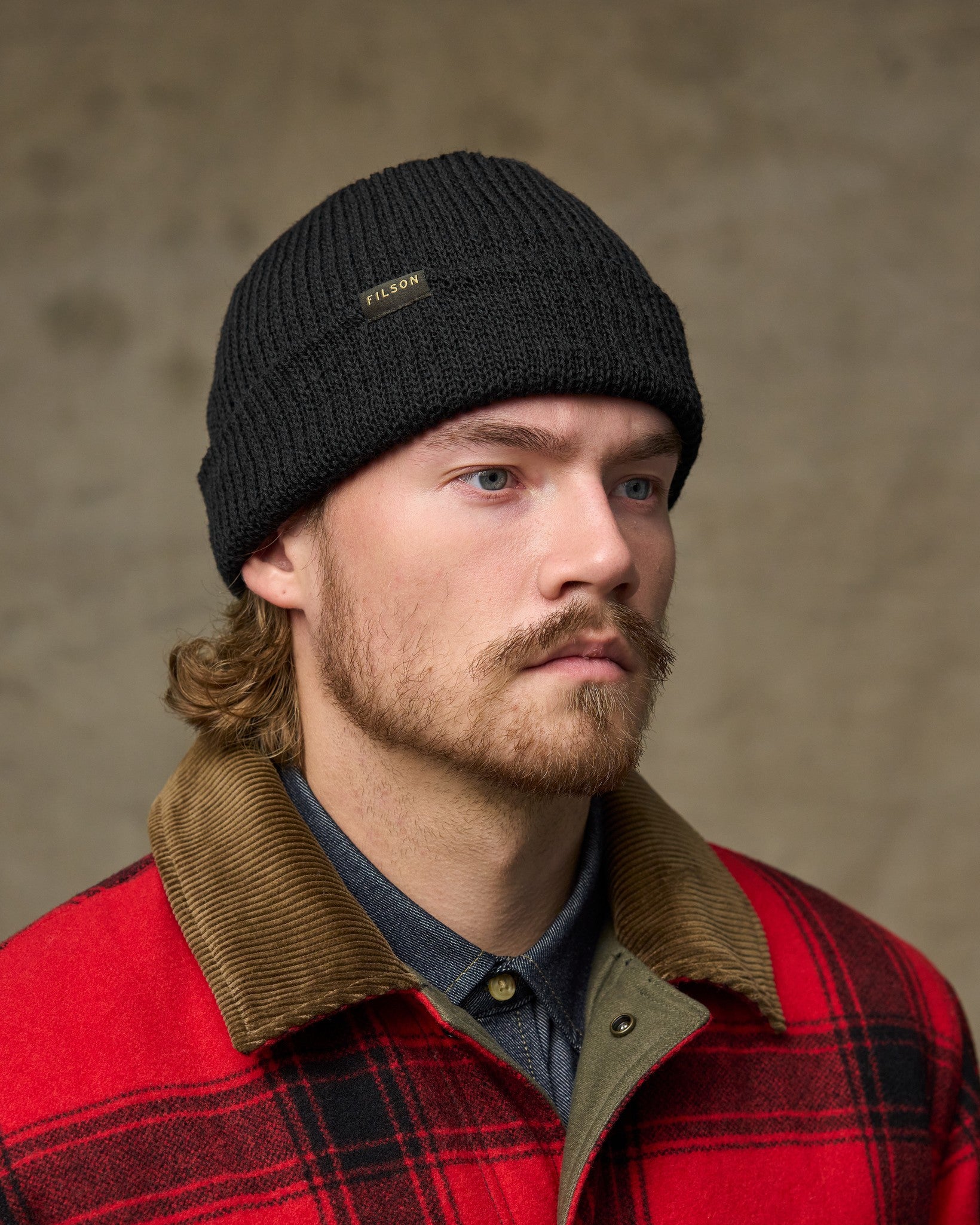
| 3 | Wool Watch Cap Filson | Cold weather hunting | Material: Virgin Wool | Research only |
| 4 | Wool Beanie Stormy Kromer | Cold weather work | Material: Wool Blend | Research only |
| 5 | Pocket Hat Icebreaker | Backpacking and Thru-hiking | Material: 100% Merino Wool | Research only |
| 6 | Merino Wool Hat Buff | Backpacking and thru-hiking | Maker: Buff | Research only |
| 7 | Swisswool Classic Beanie Ortovox | Backcountry skiing | Insulation: Swisswool (crown) | Research only |
| 8 | Merino Cuffed Beanie Chrome Industries | Cool weather hiking | Material: 100% Merino Wool | Research only |
| 9 | Nepal Hat Turtle Fur | Ice fishing | Maker: Turtle Fur | Research only |
| 10 | Waterproof Cold Weather Beanie Sealskinz | Fishing in rain or sleet | Construction: 3-layer: Acrylic, Membrane, Merino | Research only |
How we chose
We started with a long list of best stocking caps that people actually buy, cut anything that could not clear our baseline for durability and field performance, then ranked the 10 that were left against the same criteria. Rankings are editorial. No brand pays for placement, and affiliate links never move a pick up or down.
- Real-world durability
- How the material, stitching, or steel holds up after a season of hard use — not how it looks new.
- Performance in bad conditions
- Wind, rain, cold, and grit are the test. Anything that only works on a nice day gets marked down.
- Weight and packability
- Every ounce has to earn its place in the pack, but not at the cost of something that fails in the field.
- Ease of use
- Setup, adjustment, and maintenance with cold hands, in the dark, without the manual.
- Value at its price point
- Compared against the closest competitors in the same tier, not against cheaper gear in a different class.
- Repairability and support
- Field-fixable design, available parts, and a warranty the maker actually honors.
Best of the Best · Head to Head
Nansen Beanie vs Merino 250 Cuffed Beanie
#1 vs #2 — side-by-side specs, pros & cons, and the final verdict.
Compare any two picks
Build your own side-by-side
Choose any two of these 10 picks and compare specs, price, pros, cons and reader ratings.
Topic summary
Watch caps and beanies ranked on wool quality, ear coverage, and whether they stay put under a hood.
Key takeaways
- #1 Nansen Beanie — Devold
- #2 Merino 250 Cuffed Beanie — Smartwool
- #3 Wool Watch Cap — Filson
- #4 Wool Beanie — Stormy Kromer
- #5 Pocket Hat — Icebreaker
- #6 Merino Wool Hat — Buff
Intended uses
Gear
Verification notes
Editorial ranked list, 10 entries. Evidence mix — 10 research only. Buy links open the maker or a retailer search. Last reviewed September 2026.
Best stocking caps for a specific job
Skip the ranking — jump to the pick that matches how you actually use it.
- Best for winter camping
- #1 Nansen Beanie — DevoldNorwegian two-ply wool that blocks wind on its own. The reference cold-camp cap.Read the full profile
- Best for layering under helmets
- #2 Merino 250 Cuffed Beanie — SmartwoolThe best under-hood cap: thin, non-itchy, and it never slides off.Read the full profile
- Best for cold weather hunting
- #3 Wool Watch Cap — FilsonHeavyweight virgin wool with a deep cuff for ear coverage. Made to be handed down.Read the full profile
- Best for cold weather work
- #4 Wool Beanie — Stormy KromerMichigan-made from the same wool as their caps. Dense, warm, and shaped for a real head.Read the full profile
- Best for backpacking and thru-hiking
- #5 Pocket Hat — IcebreakerPacks to a fist, dries fast, and still insulates soaked. The one that lives in a jacket pocket.Read the full profile
- Best for backcountry skiing
- #7 Swisswool Classic Beanie — OrtovoxAustrian Swisswool insulated crown — genuinely warmer than its thickness suggests.Read the full profile
- Best for cool weather hiking
- #8 Merino Cuffed Beanie — Chrome IndustriesReflective logo detailing for road walk-outs, and a rib that stays snug.Read the full profile
- Best for ice fishing
- #9 Nepal Hat — Turtle FurVermont-designed, hand-knit wool with a fleece band. The warmest lined cap here.Read the full profile
Our editors test the gear, pick the ten, and set the order the day a list publishes. After that, the ranking is live: every member star rating feeds the community order, so picks climb or slide as real owners report back. Editorial judgment decides what earns a spot — you help decide where it sits.
- Editors set the field
Hands-on testing and spec research choose the ten and the published order.
- Readers re-rank it
Your 1–5 star ratings drive the community order on every list.
- Rankings keep moving
Picks rise or fall over time — nothing is frozen at launch day.
Rank this list
Loading community ratings… Ratings re-order the picks — they never change which products make the list.
Sign in to add your own ratings — it's free.
- Pros
- Unrivaled warmth in extreme cold
- Exceptional wind blocking without a membrane
- Insulates effectively even when wet
- Highly durable and long-lasting 100% wool
- Natural odor resistance and breathability
Cons- Can feel slightly scratchy for sensitive skin
- Heavier than synthetic or finer merino options
- Limited color palette and aesthetic design
- Not ideal for mild conditions; can overheat
Key features- Weight
- Mid-heavy
- Material
- 100% Norwegian Wool
- Construction
- Two-ply knit
- Wind Resistance
- Excellent (natural)
- Insulation
- Superior in cold/damp
- Origin
- Norway
Best forWinter camping, Expeditionary use, Ice climbing, Backcountry skiing, Cold weather work
Pros- Unrivaled warmth in extreme cold
- Exceptional wind blocking without a membrane
- Insulates effectively even when wet
- Highly durable and long-lasting 100% wool
- Natural odor resistance and breathability
Cons- Can feel slightly scratchy for sensitive skin
- Heavier than synthetic or finer merino options
- Limited color palette and aesthetic design
- Not ideal for mild conditions; can overheat
Assessed by Theo Hartigan against our ranking criteria.No ratings yet - Pros
- Exceptional next-to-skin comfort, non-itchy
- Excellent warmth-to-weight ratio for cold conditions
- Outstanding breathability and moisture management
- Thin enough to layer comfortably under helmets and hoods
- Naturally odor resistant for multi-day use
Cons- Higher price point compared to synthetic alternatives
- Requires more careful washing than synthetic fabrics
- Not windproof on its own in extreme conditions
Key features- Weight
- Lightweight
- Material
- 100% Merino Wool (250g/m²)
- Fit
- Snug, cuffed
- Care
- Machine wash cold, tumble dry low
- Best Use
- Layering, active pursuits, everyday winter wear
Best forLayering under helmets, Winter hiking and climbing, Backcountry skiing, Everyday cold weather wear, Extended trips requiring odor control
Pros- Exceptional next-to-skin comfort, non-itchy
- Excellent warmth-to-weight ratio for cold conditions
- Outstanding breathability and moisture management
- Thin enough to layer comfortably under helmets and hoods
- Naturally odor resistant for multi-day use
Cons- Higher price point compared to synthetic alternatives
- Requires more careful washing than synthetic fabrics
- Not windproof on its own in extreme conditions
Assessed by Theo Hartigan against our ranking criteria.No ratings yet - Pros
- Exceptional warmth, even when wet
- Incredibly durable, built to last a lifetime
- Natural odor resistance from virgin wool
- Deep cuff provides excellent ear coverage
- Timeless, classic aesthetic
Cons- Heavier and bulkier than synthetic alternatives
- Slower to dry compared to synthetics
- Requires careful washing to prevent shrinking
Key features- Weight
- Heavyweight
- Material
- Virgin Wool
- Fit
- Snug, Deep Cuff
- Insulation
- Excellent, even when wet
- Care
- Hand Wash / Spot Clean
Best forCold weather hunting, Winter fishing, Outdoor work in freezing conditions, Casual winter wear, Emergency warmth layer
Pros- Exceptional warmth, even when wet
- Incredibly durable, built to last a lifetime
- Natural odor resistance from virgin wool
- Deep cuff provides excellent ear coverage
- Timeless, classic aesthetic
Cons- Heavier and bulkier than synthetic alternatives
- Slower to dry compared to synthetics
- Requires careful washing to prevent shrinking
Assessed by Theo Hartigan against our ranking criteria.No ratings yet - Pros
- Exceptional warmth for its weight and size
- Superior wind resistance from dense knit
- Deep fit fully covers ears without riding up
- Outstanding durability and long-term resilience
- Retains warmth even when damp
Cons- Not the lightest option available
- Less fashionable or sleek than some modern designs
- Can be a bit scratchy initially for sensitive skin
Key features- Weight
- Moderate (not ultralight)
- Material
- Wool Blend
- Construction
- Dense, Ribbed Knit
- Fit
- Deep Crown, Full Ear Coverage
- Origin
- USA (Michigan)
Best forCold weather work, Hunting and fishing, Winter hiking, Everyday severe cold
Pros- Exceptional warmth for its weight and size
- Superior wind resistance from dense knit
- Deep fit fully covers ears without riding up
- Outstanding durability and long-term resilience
- Retains warmth even when damp
Cons- Not the lightest option available
- Less fashionable or sleek than some modern designs
- Can be a bit scratchy initially for sensitive skin
Assessed by Theo Hartigan against our ranking criteria.No ratings yet - Pros
- Exceptional packability and minimal weight
- Retains warmth when wet, unlike synthetics
- Highly breathable and odor-resistant merino wool
- Soft, non-itchy feel against the skin
- Versatile for layering or standalone use
Cons- Limited wind resistance in exposed conditions
- Not the warmest option for extreme cold
- Merino can be prone to pilling over time
- Price is higher than basic synthetic beanies
Key features- Weight
- ~30g
- Material
- 100% Merino Wool
- Fit
- Snug, Beanie
- Insulation
- Lightweight
- Care
- Machine Washable
- Packability
- Fist-sized
Best forBackpacking and Thru-hiking, Trail Running & Fast-packing, Cool Weather Layering, Emergency Hat, Travel & Commuting
Pros- Exceptional packability and minimal weight
- Retains warmth when wet, unlike synthetics
- Highly breathable and odor-resistant merino wool
- Soft, non-itchy feel against the skin
- Versatile for layering or standalone use
Cons- Limited wind resistance in exposed conditions
- Not the warmest option for extreme cold
- Merino can be prone to pilling over time
- Price is higher than basic synthetic beanies
Assessed by Theo Hartigan against our ranking criteria.No ratings yet - Pros
- Extremely lightweight and packable
- Excellent breathability and moisture-wicking
- Seamless construction for comfort
- Natural odor resistance of merino wool
- Versatile for three-season use
Cons- Not suitable for extreme cold
- Minimalist aesthetic
- Requires careful washing
Key features- Weight
- 125 gsm knit (very light)
- Material
- 100% Merino Wool
- Maker
- Buff
- Construction
- Seamless tubular design
- Seasonality
- Three-season versatility
- Origin
- Spanish knit
Best forBackpacking and thru-hiking, Trail running in cool weather, Cool weather daily wear, Layering under a helmet, Emergency warmth layer
Pros- Extremely lightweight and packable
- Excellent breathability and moisture-wicking
- Seamless construction for comfort
- Natural odor resistance of merino wool
- Versatile for three-season use
Cons- Not suitable for extreme cold
- Minimalist aesthetic
- Requires careful washing
Assessed by Theo Hartigan against our ranking criteria.No ratings yet - Pros
- Excellent warmth-to-weight ratio from Swisswool insulation
- Insulates effectively even when damp, unlike down
- Merino blend manages moisture and odors well
- Highly packable and lightweight for its warmth
- Durable construction for demanding outdoor use
Cons- Utilitarian aesthetic, not a fashion piece
- Not for extreme cold expedition use
- Wool blend might not suit all skin sensitivities
Key features- Insulation
- Swisswool (crown)
- Exterior Fabric
- Wool blend
- Fit
- Snug, classic
- Best Use
- Cold weather activity
- Maker
- Ortovox
- Key Feature
- Natural insulation
Best forBackcountry skiing, Winter hiking, Cold weather climbing, Under a helmet, Camp wear in chilly conditions
Pros- Excellent warmth-to-weight ratio from Swisswool insulation
- Insulates effectively even when damp, unlike down
- Merino blend manages moisture and odors well
- Highly packable and lightweight for its warmth
- Durable construction for demanding outdoor use
Cons- Utilitarian aesthetic, not a fashion piece
- Not for extreme cold expedition use
- Wool blend might not suit all skin sensitivities
Assessed by Theo Hartigan against our ranking criteria.No ratings yet - Pros
- Excellent warmth-to-weight ratio from 100% merino
- Naturally odor-resistant, ideal for multi-day use
- Soft, non-itchy feel against the skin
- Snug fit that holds its shape well
- Highly packable for easy transport
Cons- Not windproof; can feel breezy in high winds
- Dries slower than synthetic alternatives
- Limited color options compared to some brands
Key features- Weight
- Approx. 2.5 oz
- Material
- 100% Merino Wool
- Fit
- Snug, Cuffed
- Care
- Hand Wash / Lay Flat to Dry
- Origin
- Imported
Best forCool weather hiking, Urban commuting, Layering under a helmet, Camp comfort, Everyday casual wear
Pros- Excellent warmth-to-weight ratio from 100% merino
- Naturally odor-resistant, ideal for multi-day use
- Soft, non-itchy feel against the skin
- Snug fit that holds its shape well
- Highly packable for easy transport
Cons- Not windproof; can feel breezy in high winds
- Dries slower than synthetic alternatives
- Limited color options compared to some brands
Assessed by Theo Hartigan against our ranking criteria.No ratings yet - Pros
- Exceptional warmth, ideal for extreme cold
- Comfortable fleece lining eliminates wool itch
- Durable, hand-knit construction from quality wool
- Classic, timeless aesthetic
- Blocks wind effectively
Cons- Bulkier and heavier than synthetic options
- Less packable than thinner beanies
- May be too warm for mild winter conditions
- Can be a tight fit under some helmets
Key features- Material (Exterior)
- 100% Wool
- Material (Lining)
- Fleece
- Maker
- Turtle Fur
- Construction
- Hand-knit
- Fit
- Relaxed
Best forIce fishing, Winter camping, Snow shoveling, Ski resort commutes, Extreme cold weather work
Pros- Exceptional warmth, ideal for extreme cold
- Comfortable fleece lining eliminates wool itch
- Durable, hand-knit construction from quality wool
- Classic, timeless aesthetic
- Blocks wind effectively
Cons- Bulkier and heavier than synthetic options
- Less packable than thinner beanies
- May be too warm for mild winter conditions
- Can be a tight fit under some helmets
Assessed by Theo Hartigan against our ranking criteria.No ratings yet - Pros
- Truly waterproof, keeps head dry in heavy precipitation
- Warm and comfortable merino wool lining
- Durable construction, built to last
- Snug fit prevents slipping in windy conditions
Cons- Less breathable than non-waterproof beanies
- Can feel slightly clammy during high-exertion activities
- Slightly heavier and bulkier than simple knit hats
Key features- Weight
- Standard beanie weight
- Lining Material
- Merino Wool
- Construction
- 3-layer: Acrylic, Membrane, Merino
- Waterproof
- Yes
- Breathability
- Moderate
- Fit
- Snug
Best forFishing in rain or sleet, Paddling / kayaking in cold water, Hiking in persistent wet weather, Outdoor work in damp, chilly conditions, Backup hat for unexpected downpours
Pros- Truly waterproof, keeps head dry in heavy precipitation
- Warm and comfortable merino wool lining
- Durable construction, built to last
- Snug fit prevents slipping in windy conditions
Cons- Less breathable than non-waterproof beanies
- Can feel slightly clammy during high-exertion activities
- Slightly heavier and bulkier than simple knit hats
Assessed by Theo Hartigan against our ranking criteria.No ratings yet


Award picks
The ranking above is price-blind and judged on merit. These awards call out the pick we'd hand a specific person with a specific need.
Norwegian two-ply wool that blocks wind on its own.
Ranked #1The best under-hood cap: thin, non-itchy, and it never slides off.
Ranked #2Michigan-made from the same wool as their caps.
Ranked #4Heavyweight virgin wool with a deep cuff for ear coverage.
Ranked #3Packs to a fist, dries fast, and still insulates soaked.
Ranked #5Spanish knit at 125 gsm — the lightest cap worth carrying in three seasons.
Ranked #6Buy two: a thin Merino watch cap that fits under a hood and a lofted wool cap for camp. Acrylic is warm until it is wet.
How to choose best stocking caps
Every pick on this page was judged against the same criteria. If you want the short answer, Nansen Beanie by Devold is the one we point most people at. If you want to decide for yourself, here is what actually separates a good best stocking cap from an expensive one.
Real-world durability
How the material, stitching, or steel holds up after a season of hard use — not how it looks new.
Performance in bad conditions
Wind, rain, cold, and grit are the test. Anything that only works on a nice day gets marked down.
Weight and packability
Every ounce has to earn its place in the pack, but not at the cost of something that fails in the field.
Ease of use
Setup, adjustment, and maintenance with cold hands, in the dark, without the manual.
Value at its price point
Compared against the closest competitors in the same tier, not against cheaper gear in a different class.
Repairability and support
Field-fixable design, available parts, and a warranty the maker actually honors.
Match the pick to your use
The right best stocking caps depends on what you are actually doing with it: Winter camping; Expeditionary use; Ice climbing; Backcountry skiing; Cold weather work; Layering under helmets. Start from the use case, then work down the ranking until you hit the first pick that covers it.
Common mistakes
- Buying the lightest best stocking caps you can find and discovering it cannot take a season of hard use.
- Paying for a specialist feature you will use once a year instead of the versatile option.
- Comparing headline specs across tiers instead of within the same class.
- Skipping fit, sizing, or adjustment checks that decide whether you actually carry it.
Frequently asked questions
- What is the best best stocking caps in 2026?
- Nansen Beanie by Devold takes the top spot. Norwegian two-ply wool that blocks wind on its own.
- How did The Wild10 choose and rank these best stocking caps?
- We judged every pick against the same criteria — real-world durability, performance in bad conditions, weight and packability, ease of use — and ranked them on merit regardless of price. Watch caps and beanies ranked on wool quality, ear coverage, and whether they stay put under a hood.
- What is the best budget best stocking caps?
- Waterproof Cold Weather Beanie by Sealskinz — British waterproof membrane hat.
- Nansen Beanie vs Merino 250 Cuffed Beanie — which should I pick?
- Nansen Beanie ranks first: Norwegian two-ply wool that blocks wind on its own. Merino 250 Cuffed Beanie is the close second: The best under-hood cap: thin, non-itchy, and it never slides off. Our full head-to-head compares them side by side.
- How often is this list updated?
- We review this ranking on a rolling basis and update it whenever a pick is discontinued, meaningfully revised, or beaten by something new. Rankings are editorial — brands do not see them before publication and affiliate links never change the order.
Get The Field List
One short, honest email a week: gear we actually trust, planning guides, and survival-TV coverage. Free, unsubscribe anytime.