


Reader rating
Rate it and you move it. Community ratings re-rank this product inside its Top 10 list.
Expert-picked, reader-ranked. Our editors choose the products and the launch order; member star ratings move picks up or down over time.
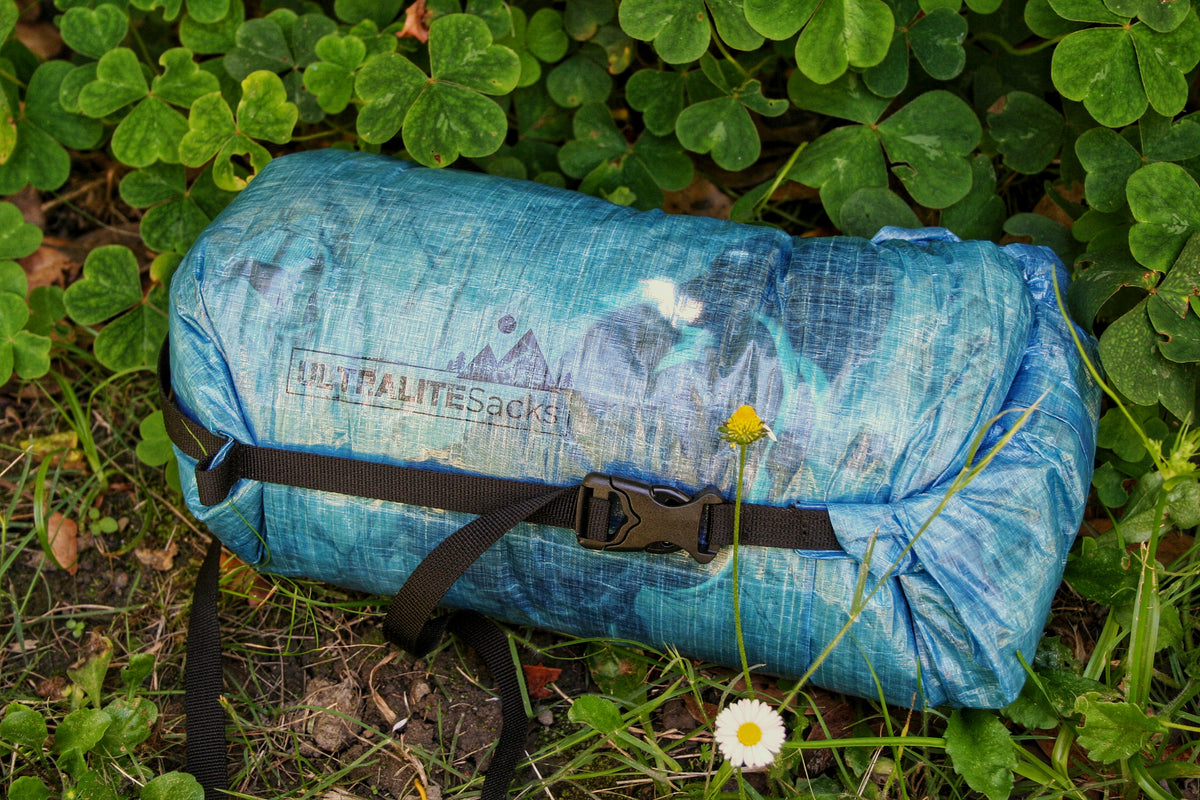
The UltraliteSacks Dyneema DCF Rolltop Compression Sacks are tailored for cottage-gear enthusiasts and ultralight backpackers seeking compact volume reduction without the excessive weight of heavy commercial webbing straps. Built by a specialty maker, these sacks use Dyneema Composite Fabric paired with lightweight side cordage or minimalist webbing to cinch down bulky sleeping bags and insulation. By leveraging the extreme tensile strength and waterproof properties of DCF, these bags protect sensitive down insulation while squeezing out surplus air. Independent gear analysts note that the roll-top closure allows you to trap or expel air deliberately, while the perimeter cinch system compresses the bundle into a dense, packable unit. Taped seams ensure that damp pack interiors do not jeopardize critical sleeping insulation. Because they originate from a cottage manufacturer, availability can be variable and lead times longer than mainstream retail brands. Furthermore, while DCF handles high tensile loads well, the thin composite film requires careful packing to prevent abrasion wear from friction against pack hardware. For hikers seeking maximum compression at the lowest possible gram count, they represent an ingenious design. **Highlights** - Handcrafted using high-performance Dyneema Composite Fabric - Integrated minimalist compression system significantly reduces gear volume - Taped seams combine with roll-top closure for high moisture resistance - Far lighter than conventional multi-strap nylon compression sacks - Optimized for down quilts, sleeping bags, and puffy clothing **Watch-outs** - Limited retail distribution with potential cottage-vendor lead times - High price point reflecting custom ultralight composite manufacturing
Pros
- Unmatched strength-to-weight ratio for a dedicated compression sack
- Taped DCF build provides an impenetrable barrier against damp pack interiors
- Minimalist cord system significantly reduces bulky down insulation volume
- Roll-top closure allows deliberate air expulsion before tensioning
Cons
- DCF fabric is susceptible to abrasion and point punctures over time
- Noticeably higher cost per volume compared to standard silnylon sacks
- Limited availability and potential lead times from cottage production
Best uses
- Ultralight thru-hiking
- Low-volume frameless pack loading
- Compressing down quilts
- Fastpacking in foul weather
Specifications
- Primary Material
- Dyneema Composite Fabric (DCF)
- Closure Type
- Roll-top with lightweight buckle
- Compression Style
- Minimalist perimeter cordage or webbing
- Seam Treatment
- Fully taped waterproof seams
- Primary Purpose
- Volume reduction for high-loft insulation
- Manufacturing
- Cottage-scale small-batch production
Pricing
We don't publish a price we haven't verified. The retailer links below open the live listing for this exact model.
Full catalog listing & offersBest for
Ultralight thru-hiking, Low-volume frameless pack loading, Compressing down quilts, Fastpacking in foul weather
Where to buy the Dyneema DCF Rolltop Compression Sacks
We don't have a direct Amazon listing on file yet — this opens an Amazon search for the exact make and model.
Some links are affiliate links. Buying through them supports our testing at no extra cost to you.
The UltraliteSacks Dyneema DCF Rolltop Compression Sack targets a distinct dilemma in ultralight backpacking: how to significantly reduce the pack volume of lofty down insulation without incurring the heavy weight penalties of conventional compression hardware. Mainstream compression sacks rely on thick nylon shells, wide webbing, and heavy ladder-lock buckles that often weigh upwards of three to five ounces. UltraliteSacks solves this by combining Dyneema Composite Fabric with a stripped-down, ultralight perimeter cinch system. Handcrafted within the cottage gear industry, this sack pairs a roll-top dry bag design with fully taped seams. The impermeable nature of DCF means moisture cannot penetrate the fabric walls, protecting sensitive down sleeping bags or quilts from rain and pack perspiration. By incorporating low-profile cordage or narrow webbing, the sack allows hikers to purge trapped air through the roll top, seal the closure, and systematically draw down the circumference into a dense, rigid parcel. This level of weight-conscious engineering carries inevitable trade-offs. DCF offers tremendous tensile strength when pulled taut under compression, but it lacks the puncture and surface abrasion resistance of heavier woven textiles. Combined with limited small-batch availability and a premium price tag, it is a specialized piece of equipment designed strictly for hikers who prioritize minimal pack base weight above all else.
Target User and Niche
This sack is built specifically for ultralight backpackers and thru-hikers carrying low-capacity, frameless packs where interior space is at an absolute premium. While many ultralight purists advise stuffing sleeping quilts loosely into a pack liner to fill dead space, hikers using packs under forty liters often require forced compression to fit shelter, food, and clothing. Standard compression sacks defeat the purpose of lightweight kits due to heavy hardware. UltraliteSacks bridges this divide for the weight-conscious hiker who needs reliable down compaction without adding extraneous ounces to their base weight profile.
Materials and Construction
The sack is constructed from Dyneema Composite Fabric, a non-woven laminate featuring ultra-high-molecular-weight polyethylene fibers bonded between polyester films. The material boasts incredible tensile strength and near-zero stretch, which is vital when lateral tension is applied to compress high-loft bedding. Because DCF is completely waterproof, the manufacturer seals the internal seams with composite repair tape, creating a reliable moisture barrier. The compression mechanism bypasses standard heavy webbing in favor of lightweight line or micro-webbing, saving critical grams at every attachment point.
Compression and Usability
Operating an ultralight compression sack requires a methodical process. Because Dyneema Composite Fabric is non-porous and lacks an air-permeable membrane like eVent, air cannot escape once the roll-top is secured. Users must knead out excess air while rolling down the collar, seal the buckle, and then gradually tension the perimeter compression cords. Tensioning should be done evenly around the circumference to avoid putting asymmetric stress on the anchor points. When properly adjusted, the sack shrinks bulky down quilts into compact cylinders that slide cleanly into narrow pack cavities.
Durability and Abrasion
While Dyneema Composite Fabric handles internal expanding pressure exceptionally well, its vulnerability lies in external friction and puncture. Rubbing repeatedly against tent stakes, stove edges, or coarse pack fabrics can cause pinholes over extended trips. The film can also show wear along sharp, repeated fold lines over time. Users must avoid dragging the sack across rough ground or over-tightening the cords past the point of reasonable resistance. While minor pinholes are easily repaired using standard DCF repair tape, this item demands conscious handling compared to rugged cordura dry bags.
Market Alternatives
For hikers assessing alternatives, the Sea to Summit Ultra-Sil Compression Sack and eVent Compression Dry Sack are the most common benchmarks. The Sea to Summit options offer easier air expulsion via breathable bases and standard retail accessibility, but they weigh significantly more due to heavier webbing systems and plastic buckles. Conversely, using a standard, uncompressed DCF dry bag from brands like Zpacks or Hyperlite Mountain Gear saves mechanical weight, but leaves the user without any mechanism to mechanically shrink pack volume. UltraliteSacks occupies the rare space between these two methodologies.
Fit and Sizing Considerations
Selecting the correct size requires accurate knowledge of your insulation's compressed volume. Sizing too small forces unnecessary strain on the taped seams and anchor stitching, risking failure under forced compression. Sizing too large results in excess fabric that folds awkwardly and fails to cinch down efficiently. A medium-capacity sack generally accommodates high-fill-power three-season down quilts rated between twenty and forty degrees Fahrenheit. Users packing synthetic sleeping bags or lower-loft down options should size up to account for the stiffer, less compressible nature of those fills.
How we picked
We started with a long list of stuff sacks that people actually buy, cut anything that could not clear our baseline for durability and field performance, then ranked the 10 that were left against the same criteria. Rankings are editorial. No brand pays for placement, and affiliate links never move a pick up or down.
- Real-world durability
- How the material, stitching, or steel holds up after a season of hard use — not how it looks new.
- Performance in bad conditions
- Wind, rain, cold, and grit are the test. Anything that only works on a nice day gets marked down.
- Weight and packability
- Every ounce has to earn its place in the pack, but not at the cost of something that fails in the field.
- Ease of use
- Setup, adjustment, and maintenance with cold hands, in the dark, without the manual.
- Value at its price point
- Compared against the closest competitors in the same tier, not against cheaper gear in a different class.
- Repairability and support
- Field-fixable design, available parts, and a warranty the maker actually honors.
Dyneema DCF Rolltop Compression Sacks — frequently asked questions
- Is the Dyneema DCF Rolltop Compression Sacks worth it?
- We rank it #9 in Stuff Sacks. The UltraliteSacks Dyneema DCF Rolltop Compression Sacks are tailored for cottage-gear enthusiasts and ultralight backpackers seeking compact volume reduction without the excessive weight of heavy commercial webbing straps. Built by a specialty maker, these sacks use Dyneema Composite Fabric paired with lightweight…
- What is the Dyneema DCF Rolltop Compression Sacks best for?
- Best for ultralight thru-hiking, low-volume frameless pack loading, compressing down quilts and fastpacking in foul weather. Standouts: unmatched strength-to-weight ratio for a dedicated compression sack and taped dcf build provides an impenetrable barrier against damp pack interiors.
- What are the downsides of the Dyneema DCF Rolltop Compression Sacks?
- DCF fabric is susceptible to abrasion and point punctures over time, Noticeably higher cost per volume compared to standard silnylon sacks and Limited availability and potential lead times from cottage production.
- What are the key specs of the Dyneema DCF Rolltop Compression Sacks?
- Primary Material: Dyneema Composite Fabric (DCF) · Closure Type: Roll-top with lightweight buckle · Compression Style: Minimalist perimeter cordage or webbing · Seam Treatment: Fully taped waterproof seams · Primary Purpose: Volume reduction for high-loft insulation
- Target User and Niche — what should I know about the Dyneema DCF Rolltop Compression Sacks?
- This sack is built specifically for ultralight backpackers and thru-hikers carrying low-capacity, frameless packs where interior space is at an absolute premium. While many ultralight purists advise stuffing sleeping quilts loosely into a pack liner to fill dead space, hikers using packs under forty liters often…
- Materials and Construction — what should I know about the Dyneema DCF Rolltop Compression Sacks?
- The sack is constructed from Dyneema Composite Fabric, a non-woven laminate featuring ultra-high-molecular-weight polyethylene fibers bonded between polyester films. The material boasts incredible tensile strength and near-zero stretch, which is vital when lateral tension is applied to compress high-loft bedding.
Compare side by side
Put the Dyneema DCF Rolltop Compression Sacks against any other pick on this list — specs, price, pros, cons and reader ratings.