


Reader rating
Rate it and you move it. Community ratings re-rank this product inside its Top 10 list.
Expert-picked, reader-ranked. Our editors choose the products and the launch order; member star ratings move picks up or down over time.
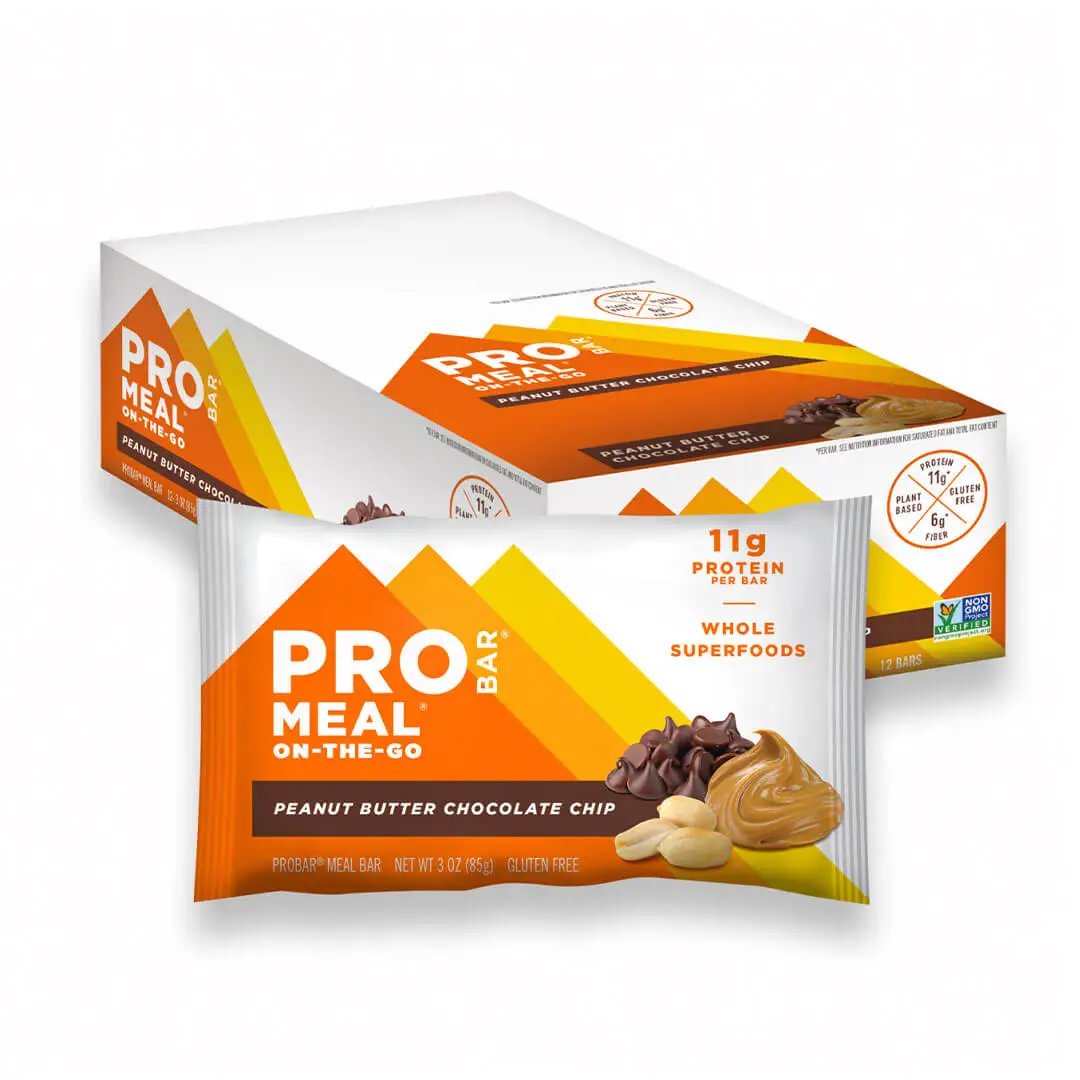
The PROBAR MEAL Bar is the undisputed workhorse for high-mileage hikers, thru-hikers, and anyone seeking maximum calories per cubic inch of pack space. Clocking in at a substantial 3 ounces per package, it functions exactly as advertised: a legitimate on-the-go meal replacement that saves you from firing up a camp stove. Independent reviewers frequently single it out for its exceptionally dense nutritional profile, delivering hefty doses of carbohydrates, healthy fats, and plant-based protein sourced from nuts, seeds, and rolled oats. Performance-wise, the PROBAR provides sustained, long-duration fuel that prevents the deep energy slumps common during heavy climbing days. It has a hearty, thick texture loaded with intact seeds and grains, giving it genuine substance that requires actual chewing. Unlike bars relying on dry protein powders, PROBAR uses plant oils and nut blends to maintain a moist, palatable texture that does not require chugging an entire water bottle just to swallow a bite. However, its size and density represent clear trade-offs. Eating a whole 3-ounce bar in one sitting can feel heavy in the stomach if consumed right before high-intensity uphill efforts, making it better suited for steady pacing or planned trail breaks. Furthermore, several flavor varieties incorporate chocolate coatings or chips that can soften and become messy inside hot pack pockets during midsummer outings. **Highlights** - Substantial 3-ounce size designed for genuine meal replacement - High caloric density makes it efficient for multiday pack weight - Plant-based recipe loaded with whole seeds, nuts, and rolled oats - Stays relatively moist and easy to chew without excessive dryness - Widely available across major outdoor and grocery retailers **Watch-outs** - Too heavy for quick mid-climb bursts of energy - Varieties with chocolate or sweet coatings can melt in warm weather
Pros
- High caloric density minimizes volume inside multiday backpacks.
- Whole-food oat, nut, and seed base provides moist, chewable texture.
- Functions as a legitimate no-cook midday meal replacement on trail.
- Compressed construction resists crumbling when packed tightly.
Cons
- Too dense and heavy for high-output uphill pushes.
- Chocolate varieties soften and create mess in high heat.
- Becomes very stiff and difficult to chew in freezing conditions.
Best uses
- Thru-hiking resupply
- No-cook trail lunches
- Multiday backpacking trips
- Long-distance bikepacking
Specifications
- Serving Weight
- 3.0 oz (85 g)
- Category
- Meal replacement bar
- Primary Base
- Rolled oats, nuts, and seeds
- Dietary Profile
- Plant-based / Vegan
- Average Price
- Around $2.00 to $3.50 per bar
- Texture Profile
- Dense, chewy, whole-grain texture
Pricing
We don't publish a price we haven't verified. The retailer links below open the live listing for this exact model.
Full catalog listing & offersBest for
Thru-hiking resupply, No-cook trail lunches, Multiday backpacking trips, Long-distance bikepacking
Where to buy the MEAL Bar
Prices and stock change often, so check the current Amazon offer before you buy.
Some links are affiliate links. Buying through them supports our testing at no extra cost to you.
The PROBAR MEAL Bar occupies a distinct niche in backcountry nutrition, designed explicitly to replace a sit-down trail meal rather than serve as a light snack. At three ounces per package, it delivers significantly more bulk and substance than conventional energy bars. Long-distance backpackers and thru-hikers frequently rely on it because it provides dense caloric efficiency without requiring fuel, a camp stove, or cook time during midday transitions. Independent testing from outlets like CleverHiker and Treeline Review consistently highlights the bar's functional formulation. Rather than relying on isolates and powdered proteins that produce a dry, powdery mouthfeel, PROBAR builds these bars around rolled oats, whole nuts, and intact seeds bonded with plant oils. This gives the bar a chewy, grain-heavy consistency that remains palatable after days on the trail, avoiding the throat-choking dryness common in high-protein trail rations. However, the sheer density that makes it effective as a meal replacement also limits its utility during hard aerobic efforts. Ingesting an entire three-ounce portion before or during a steep climb can create a sensation of digestive heaviness. It operates best as a sustained-release fuel source eaten during planned trail breaks or grazed on incrementally over several miles.
Target User Profile
The PROBAR MEAL Bar is tailored for wilderness users who prioritize caloric volume and pack space efficiency over lightweight snacking. Thru-hikers, multiday backpackers, and bikepackers tackling high daily mileage benefit the most from its dense formulation. If your route involves ten to twelve hours of continuous movement and minimal time for stove operation, carrying compact, ready-to-eat nutrition is essential. Conversely, casual day hikers or runners seeking a quick sugar hit during short outings will find the three-ounce footprint excessive. It is fundamentally engineered for sustained calorie deficits where standard 1.5-ounce bars fail to stave off hunger. It also serves remote field workers and mountaineers who need dependable, nutrient-dense fuel that can withstand rough handling inside a pack without disintegrating into unusable dust.
Ingredients and Composition
PROBAR constructs this bar with an emphasis on whole-food plant ingredients. The foundational bulk comes from whole rolled oats, blended nuts, and nutrient-dense seeds like sunflower, flax, and sesame. Unlike bars that depend on concentrated whey or soy protein isolates to inflate nutritional metrics, the MEAL Bar relies on natural fats from nuts and plant oils to bind the ingredients together. This approach delivers a more balanced macronutrient profile dominated by complex carbohydrates and plant-based fats, alongside a moderate protein contribution. The absence of dairy makes it accessible to vegans and those sensitive to lactose on trail. Sweeteners are integrated through fruit purees and brown rice syrup, which balance the earthy grains without producing an overwhelming, artificial sweetness that causes palate fatigue over long expeditions.
Trail Digestion and Performance
In real-world trail applications, the MEAL Bar delivers slow, steady energy release rather than an immediate glycemic spike. The high concentration of dietary fats and complex fiber slows gastric emptying, which helps prevent energy crashes during long slogs across flat terrain or extended descents. However, this same slow digestion demands caution during high-intensity output. Eating an entire bar immediately prior to a steep alpine ascent can direct blood flow away from working muscles to process the dense mass, resulting in sluggishness or stomach cramps. Independent reviewers note that the most effective consumption strategy involves treating the bar as a rolling snack, consuming a third or a half at a time across an hour of moderate movement rather than bolting it in a single sitting.
Durability and Pack Ergonomics
Physical resilience inside a tightly packed backpack is a major asset of the PROBAR design. The compressed oat and seed matrix resists pulverization, meaning it will not turn to fine powder when stuffed beneath heavy bear canisters or tent poles. The thick, foil-lined wrapper provides solid puncture resistance against pack debris. However, thermal management is an issue depending on the specific flavor variety. Recipes featuring chocolate chips or blended coatings tend to soften significantly in ambient temperatures exceeding eighty degrees Fahrenheit, resulting in a sticky wrapper interior. In sub-freezing winter conditions, the bar becomes substantially harder and requires body heat inside an internal jacket pocket to soften before it can be chewed comfortably without straining your jaw.
Market Comparisons
When evaluated against market alternatives, the PROBAR MEAL Bar stands apart primarily in portion size and caloric yield per unit. Standard energy bars from brands like Clif Bar retail at a lower price point but offer roughly half the overall nutritional mass, requiring you to consume two packages to achieve parity. Dedicated meal solutions like Greenbelly Meal2Go provide even greater caloric loads via double-bar packages, but they carry a higher cost and a drier, crumbly texture. Bobo's Oat Bars offer a comparable dense oat base, yet they feature fewer mixed seeds and lower total fat content, leading to faster energy burnout. The PROBAR balances price, ingredient quality, and moisture better than most direct competitors, holding a clear middle ground between snack bars and multi-pouch meal packs.
Trade-offs and Practical Advice
The primary operational trade-off of the PROBAR MEAL Bar is its weight-to-speed ratio. While it excels for steady endurance trekking, it is simply too dense for quick recovery during fast-and-light pushes. Cost per unit is another factor; at approximately two to three dollars each, stocking a week-long resupply solely with PROBARs represents a noticeable grocery investment compared to bulk trail mix or peanut butter tortillas. For hot-weather itineraries, choose fruit- and nut-forward varieties without chocolate chips to avoid gooey packaging failures. For winter travel, slice the bar into bite-sized segments before departing camp, as trying to bite through a three-ounce frozen block on an exposed ridge is difficult. When used thoughtfully, it remains one of the most reliable stove-free lunches available.
How we picked
We started with a long list of trail energy bars that people actually buy, cut anything that could not clear our baseline for durability and field performance, then ranked the 10 that were left against the same criteria. Rankings are editorial. No brand pays for placement, and affiliate links never move a pick up or down.
- Real-world durability
- How the material, stitching, or steel holds up after a season of hard use — not how it looks new.
- Performance in bad conditions
- Wind, rain, cold, and grit are the test. Anything that only works on a nice day gets marked down.
- Weight and packability
- Every ounce has to earn its place in the pack, but not at the cost of something that fails in the field.
- Ease of use
- Setup, adjustment, and maintenance with cold hands, in the dark, without the manual.
- Value at its price point
- Compared against the closest competitors in the same tier, not against cheaper gear in a different class.
- Repairability and support
- Field-fixable design, available parts, and a warranty the maker actually honors.
MEAL Bar — frequently asked questions
- Is the MEAL Bar worth it?
- We rank it #2 in Trail Energy Bars. The PROBAR MEAL Bar is the undisputed workhorse for high-mileage hikers, thru-hikers, and anyone seeking maximum calories per cubic inch of pack space. Clocking in at a substantial 3 ounces per package, it functions exactly as advertised: a legitimate on-the-go meal replacement that saves you from firing up a camp…
- What is the MEAL Bar best for?
- Best for thru-hiking resupply, no-cook trail lunches, multiday backpacking trips and long-distance bikepacking. Standouts: high caloric density minimizes volume inside multiday backpacks. and whole-food oat, nut, and seed base provides moist, chewable texture..
- What are the downsides of the MEAL Bar?
- Too dense and heavy for high-output uphill pushes., Chocolate varieties soften and create mess in high heat. and Becomes very stiff and difficult to chew in freezing conditions..
- What are the key specs of the MEAL Bar?
- Serving Weight: 3.0 oz (85 g) · Category: Meal replacement bar · Primary Base: Rolled oats, nuts, and seeds · Dietary Profile: Plant-based / Vegan · Average Price: Around $2.00 to $3.50 per bar
- Target User Profile — what should I know about the MEAL Bar?
- The PROBAR MEAL Bar is tailored for wilderness users who prioritize caloric volume and pack space efficiency over lightweight snacking. Thru-hikers, multiday backpackers, and bikepackers tackling high daily mileage benefit the most from its dense formulation.
- Ingredients and Composition — what should I know about the MEAL Bar?
- PROBAR constructs this bar with an emphasis on whole-food plant ingredients. The foundational bulk comes from whole rolled oats, blended nuts, and nutrient-dense seeds like sunflower, flax, and sesame.
Compare side by side
Put the MEAL Bar against any other pick on this list — specs, price, pros, cons and reader ratings.