



Updated October 2026 · 10 picks re-checked for availability and current spec, reader ratings refreshed live.
Trail nutrition is fundamentally about balancing caloric density, digestive tolerance, and packability under unpredictable conditions. When you are miles into a strenuous day hike or managing food weight on a multiday traverse, an energy bar needs to deliver sustained fuel without freezing rock-solid, melting into an unmanageable mess, or causing gastrointestinal distress. The ideal trail snack provides a practical ratio of complex carbohydrates, healthy fats, and protein, all while remaining appetizing day after day. To build this ranking, Wild10 aggregated recommendations and long-term testing feedback from trusted independent review platforms, including OutdoorGearLab, CleverHiker, and Treeline Review. We cross-referenced these expert assessments with our own editorial weighting, prioritizing caloric density per ounce, natural ingredient profiles, resilience to temperature extremes, and retail value. The resulting list spans everything from dense, multi-hundred-calorie meal replacements designed for big-mile thru-hikes to light, fast-acting carbohydrate snacks for steep climbs. Whether you prioritize certified organic whole foods, plant-based protein, or standard pocket fuel that will not disintegrate in your hip belt, these ten options represent the most dependable trail energy bars currently available.
The short answer

Kate's Real Food takes the top spot due to wide critical acclaim from multiple independent testing outlets, earning overall top honors across the…
Why it wins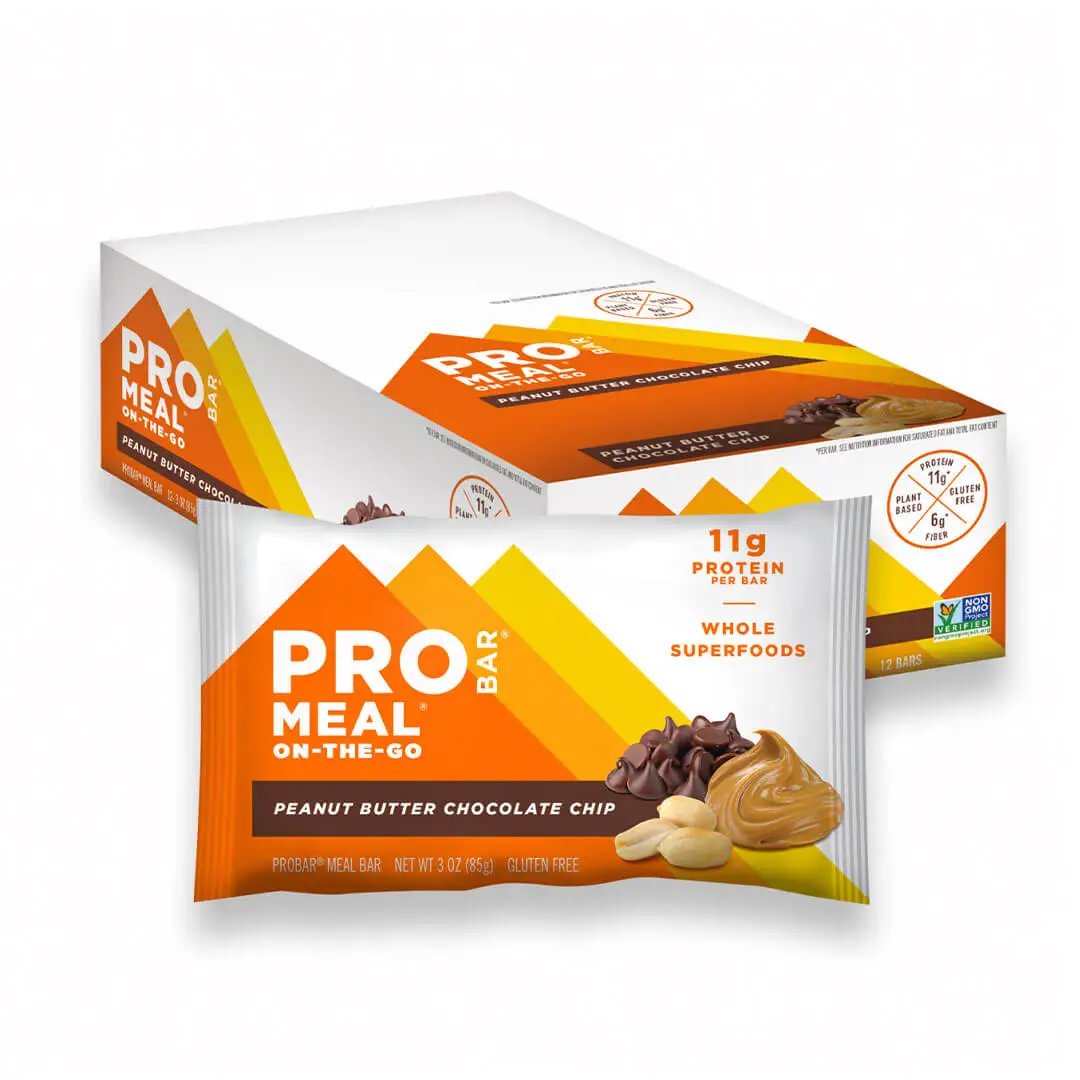
The PROBAR MEAL Bar is the undisputed workhorse for high-mileage hikers, thru-hikers, and anyone seeking maximum calories per cubic inch of pack…
Why it wins
Taos Bakes targets hikers and outdoor enthusiasts who are thoroughly burnt out on bland, factory-extruded nutrition bars.
Why it winsDeep-dive product reviews
We've published full field-test reports and technical deep-dives for 10 of the picks in this list.
Compare all 10 picks at a glance
Editorial ranking, what each pick is best at, and how we assessed it. Tap a name to jump to the full write-up.
| # | Pick | Best for | Key spec | Evidence |
|---|---|---|---|---|
| 1 | Real Food Kate's | Day hiking and peak bagging | Serving Weight: 2.2 oz (62 g) | Research only |
| 2 | MEAL Bar PROBAR | Thru-hiking resupply | Serving Weight: 3.0 oz (85 g) | Research only |
| 3 | Bakes Taos | Day hiking nourishment | Bar Weight: 1.8 oz (51 g) | Research only |
| 4 | Stinger Organic Waffle Honey | High-output trail running | Snack Format: Layered stroopwafel pastry | Research only |
| 5 | MacroBar GoMacro | Multi-day backpacking trips | Serving Weight: 2.3 oz (65 g) | Research only |
| 6 | Better Nut Bar The | Thru-hiking endurance days | Base Ingredients: Whole and crushed nuts | Research only |
| 7 | Larabar | Day hiking fuel | Base Ingredients: Dates, nuts, unsweetened fruit, and spices | Research only |
| 8 | Bar Thunderbird | Day hiking nutrition | Serving Weight: 1.7 oz (48 g) | Research only |
| 9 | Protein Bar KIND | Cool-weather day hiking | Protein: 12 grams per serving | Research only |
| 10 | Protein Bar RXBAR | Three-season backpacking trips | Serving Weight: 1.8 oz (52 g) | Research only |
How we picked
Ranked by Adele Marchetti, Destinations Editor
We started with a long list of trail energy bars that people actually buy, cut anything that could not clear our baseline for durability and field performance, then ranked the 10 that were left against the same criteria. Rankings are editorial. No brand pays for placement, and affiliate links never move a pick up or down.
- Real-world durability
- How the material, stitching, or steel holds up after a season of hard use — not how it looks new.
- Performance in bad conditions
- Wind, rain, cold, and grit are the test. Anything that only works on a nice day gets marked down.
- Weight and packability
- Every ounce has to earn its place in the pack, but not at the cost of something that fails in the field.
- Ease of use
- Setup, adjustment, and maintenance with cold hands, in the dark, without the manual.
- Value at its price point
- Compared against the closest competitors in the same tier, not against cheaper gear in a different class.
- Repairability and support
- Field-fixable design, available parts, and a warranty the maker actually honors.
How often we recheck this: Reviewed on a rolling basis and rechecked at least once a year, or sooner if a pick is discontinued, revised, or beaten by something new.
Best of the Best · Head to Head
Real Food vs MEAL Bar
#1 vs #2 — side-by-side specs, pros & cons, and the final verdict.
Compare any two picks
Build your own side-by-side
Choose any two of these 10 picks and compare specs, price, pros, cons and reader ratings.
Topic summary
We synthesized leading outdoor testing reviews to rank the best trail energy bars for real-world hiking, endurance, and backcountry nutrition.
Key takeaways
- #1 Real Food — Kate's
- #2 MEAL Bar — PROBAR
- #3 Bakes — Taos
- #4 Stinger Organic Waffle — Honey
- #5 MacroBar — GoMacro
- #6 Better Nut Bar — The
Intended uses
Gear
Verification notes
Editorial ranked list, 10 entries. Evidence mix — 10 research only. Buy links open the maker or a retailer search. Last reviewed October 2026.
Best trail energy bars for a specific job
Skip the ranking — jump to the pick that matches how you actually use it.
- Best for day hiking and peak bagging
- #1 Real Food — Kate'sKate's Real Food takes the top spot due to wide critical acclaim from multiple independent testing outlets, earning overall top honors across the board. These bars stand out primarily because they rely on real, recognizable organic ingredients—primarily certified gluten-free oats, honey, and nut butters—yielding a texture reminiscent of homemade trail flapjacks rather than processed paste. For long day hikes and multiday backpacking trips, this wholesome composition provides an even mix of quick-burning carbs and sustained fats that digests comfortably without sharp blood-sugar spikes. In field performance reviews, a major reason Kate's Real Food consistently scores high is its textural resilience. Many trail bars either freeze solid in sub-freezing temperatures or melt into oily slurry under hot summer sun. The oat and nut-butter structure of Kate's holds up admirably across varying seasons, remaining easy to bite even when stored in cold pack pockets. At 2.2 ounces, they offer a dense yet approachable snack that balances weight against satisfying substance. The trade-offs come down to cost and caloric ceiling. Because they use certified organic nuts, seeds, and fruits, the cost per bar is noticeably higher than conventional grocery-store options when purchased in standard multi-packs. Additionally, while calorically dense enough for standard day outings, thru-hikers seeking extreme calorie-to-weight ratios for deep backcountry expeditions may still need heavier meal bars to cover massive daily deficits. **Highlights** - Whole-food recipe based on organic oats, nut butter, and honey - Texture holds up well across a wide range of temperatures - Easy on sensitive stomachs during continuous endurance efforts - Gluten-free, non-GMO, and free of artificial additives - Balanced mix of simple sugars, complex carbohydrates, and healthy fats **Watch-outs** - Higher cost per unit than mass-market options - Crumbles slightly if crushed at the bottom of a heavy packRead the full profile
- Best for thru-hiking resupply
- #2 MEAL Bar — PROBARThe PROBAR MEAL Bar is the undisputed workhorse for high-mileage hikers, thru-hikers, and anyone seeking maximum calories per cubic inch of pack space. Clocking in at a substantial 3 ounces per package, it functions exactly as advertised: a legitimate on-the-go meal replacement that saves you from firing up a camp stove. Independent reviewers frequently single it out for its exceptionally dense nutritional profile, delivering hefty doses of carbohydrates, healthy fats, and plant-based protein sourced from nuts, seeds, and rolled oats. Performance-wise, the PROBAR provides sustained, long-duration fuel that prevents the deep energy slumps common during heavy climbing days. It has a hearty, thick texture loaded with intact seeds and grains, giving it genuine substance that requires actual chewing. Unlike bars relying on dry protein powders, PROBAR uses plant oils and nut blends to maintain a moist, palatable texture that does not require chugging an entire water bottle just to swallow a bite. However, its size and density represent clear trade-offs. Eating a whole 3-ounce bar in one sitting can feel heavy in the stomach if consumed right before high-intensity uphill efforts, making it better suited for steady pacing or planned trail breaks. Furthermore, several flavor varieties incorporate chocolate coatings or chips that can soften and become messy inside hot pack pockets during midsummer outings. **Highlights** - Substantial 3-ounce size designed for genuine meal replacement - High caloric density makes it efficient for multiday pack weight - Plant-based recipe loaded with whole seeds, nuts, and rolled oats - Stays relatively moist and easy to chew without excessive dryness - Widely available across major outdoor and grocery retailers **Watch-outs** - Too heavy for quick mid-climb bursts of energy - Varieties with chocolate or sweet coatings can melt in warm weatherRead the full profile
- Best for day hiking nourishment
- #3 Bakes — TaosTaos Bakes targets hikers and outdoor enthusiasts who are thoroughly burnt out on bland, factory-extruded nutrition bars. Independent reviewers consistently celebrate these bars for exceptional taste, culinary craft, and high-quality ingredient sourcing. Formulated around toasted nuts, seeds, dried fruit, and natural sweeteners, Taos Bakes avoids the dense, chalky feel of standard bars in favor of a lighter, granola-style crunch that feels like genuine food rather than packaged endurance fuel. On the trail, the 1.8-ounce size makes Taos Bakes an ideal mid-morning or mid-afternoon energy bridge. The complex carbohydrate profile—bolstered by nuts and seeds—supplies steady, reliable energy without triggering digestive distress during active movement. The bars hold their shape well under normal handling, and their artisanal flavor combinations provide a welcome morale boost when trail fatigue sets in during long treks. The main compromise is pure caloric punch per ounce. Because the texture is lighter and baked rather than compressed into a dense brick, these bars do not match the raw calorie efficiency of dedicated meal bars like PROBAR. They are also priced at a premium, making them better suited as a curated trail indulgence or for day-trip fuel rather than low-budget, high-volume thru-hiking rations. **Highlights** - Toasted, baked texture with a satisfying, artisanal crunch - Clean ingredient lists featuring whole nuts, seeds, and dried fruits - Highly digestible during active hiking without heavy stomach load - Thoughtful flavor combinations that reduce trail palate fatigue - Practical 1.8-ounce portion size for quick trail breaks **Watch-outs** - Lower caloric density compared to compressed meal-style bars - Premium pricing makes stocking up for long expeditions costlyRead the full profile
- Best for high-output trail running
- #4 Stinger Organic Waffle — HoneyThe Honey Stinger Organic Waffle operates on a completely different premise than dense meal bars, designed specifically for rapid energy delivery during intense physical exertion. Inspired by traditional European stroopwafels, this snack sandwiches organic honey and syrup between two thin, patterned waffle layers. Independent outdoor review outlets consistently rate it among the most beloved quick snacks for steep ascents, trail running, and long summit pushes where you need immediate glycogen replenishment. Because it relies primarily on simple, easily digestible carbohydrates, the Honey Stinger Waffle enters the bloodstream quickly without demanding substantial digestive energy. Its thin, crisp-yet-chewy wafer construction makes it remarkably easy to consume on the move without drying out your mouth. In cold weather, experienced trail users often rest the wrapped waffle over a warm mug of camp coffee or tea to soften the honey core into a warm, decadent treat. The trade-offs stem directly from its lightweight design. The waffle structure is inherently fragile, meaning it will easily crush into fragments if shoved carelessly into the bottom of a pack. Additionally, with minimal fat and protein content, it provides fast-burning energy that will not sustain you across several hours of slow-paced backpacking, requiring pairing with more substantial foods for all-day endeavors. **Highlights** - Rapidly absorbed carbohydrates provide an instant energy boost - Extremely easy to chew and swallow during hard breathing - Organic honey filling offers natural sweetness and clean digestion - Compact, flat profile slips easily into hip-belt and running vest pockets - Pairs well with warm beverages in chilly camp conditions **Watch-outs** - Thin wafers break and crumble easily under pack pressure - Low protein and fat content means energy burns off relatively quicklyRead the full profile
- Best for multi-day backpacking trips
- #5 MacroBar — GoMacroGoMacro MacroBars have earned strong recommendations from independent gear testing sites, particularly for hikers seeking dependable plant-based protein without artificial aftertastes. Weighing 2.3 ounces, these cold-pressed bars rely on a base of brown rice protein, pea protein, and nut butters, bound together by organic brown rice syrup. The result is a substantial, clean-burning bar that caters directly to vegans, gluten-free adventurers, and those with common food sensitivities. On the trail, the MacroBar excels at delivering sustained, mid-tempo endurance fuel. Its chewy, dense texture requires some jaw work, but it avoids the gritty, chalky mouthfeel that plagues many pea-protein competitors. The macronutrient breakdown offers a balanced ratio of steady carbs and plant protein, making it an excellent lunch stop option that keeps hunger at bay for hours without causing sluggishness. The primary watch-out is temperature sensitivity. In freezing conditions, MacroBars can become exceptionally firm, requiring you to warm them in an internal jacket pocket before attempting to bite through them. Conversely, warm summer temperatures can make the outer surface notably sticky. At around $3 per single bar, they also represent a fairly premium investment for high-mileage trips requiring bulk provisioning. **Highlights** - High-quality, certified plant-based protein blend (pea and rice) - Certified vegan, gluten-free, organic, and non-GMO - Substantial 2.3-ounce weight offers long-lasting satiety on trail - Smooth, chewy texture without dry or gritty powder residue - Solid ratio of sustained carbohydrates and repairing protein **Watch-outs** - Can become extremely hard to bite in sub-freezing temperatures - Surface becomes sticky when exposed to warm weatherRead the full profile
- Best for thru-hiking endurance days
- #6 Better Nut Bar — TheThe Better Nut Bar earned recognition from independent review outlets like Treeline Review for its targeted, functional approach to trail fueling. Built primarily around whole and crushed nuts, this bar focuses on delivering clean, fat-fueled endurance rather than sugar-heavy bursts. For hikers who prefer low-glycemic, steady-state energy that supports hours of consistent walking without sudden crashes, this nut-centric formula is well-tailored for the backcountry. In field performance, nut-based formulations offer an inherently high caloric density per ounce due to natural plant lipids, making them space-efficient options for backpacking bear canisters and small daypacks. The Better Nut Bar provides a genuine whole-food crunch, offering satisfying texture that feels like real food rather than an ultra-processed slurry. It sits lightly on the stomach and pairs well with dried fruits or jerky for a balanced trail lunch. However, because it avoids heavy syrups and artificial binders, the bar can suffer from structural fragility. Rough handling inside a stuffed backpack can cause chunks of nuts to separate and collect in the corners of the wrapper. Furthermore, because it leans heavily on fats and slower-burning nutrients, it is less optimal for high-intensity efforts where muscles demand fast, direct carbohydrates for an immediate boost. **Highlights** - Wholesome formulation built around nutrient-dense nuts - High in natural fats for long-lasting, slow-burn energy - Low-glycemic profile minimizes rapid blood sugar spikes and crashes - Satisfying, natural crunch that combats trail food fatigue - Modest packaging size packs efficiently into tight spaces **Watch-outs** - Nuts can crumble apart under rough pack compression - Not designed for rapid carbohydrate replenishment during sprints or steep climbsRead the full profile
- Best for day hiking fuel
- #7 Larabar — LarabarLarabar has long been an outdoor staple, earning consistent praise from reviewers like OutdoorGearLab as the standard-bearer for minimalist, fruit-based nutrition. Most Larabar flavors are made with an astonishingly simple ingredient list—often just dates, nuts, and a touch of fruit or spices. This simplicity makes them an indispensable option for backpackers seeking whole-food purity, dairy-free sustenance, and zero added sugars or preservatives. On trail, the date base provides immediate, naturally occurring fruit sugars for quick energy, while the blended nuts supply just enough fat to smooth out the absorption curve. The moist, dense texture is naturally pliable, meaning it rarely crumbles into dry dust regardless of how roughly it is handled inside a pack. For hikers who struggle with the artificial sweeteners or emulsifiers found in standard endurance fuel, Larabar's clean formula rarely irritates the digestive tract. The trade-offs are texture and temperature behavior. The uniform, date-paste consistency can feel somewhat monotonous if you pack them as your sole daily snack on an extended trip. Furthermore, in intense heat, Larabars can become soft and oily as the natural nut oils separate, while in deep winter cold, the date paste firms up considerably, requiring a few minutes of body-heat warming before eating. **Highlights** - Minimalist ingredient lists containing as few as two to six whole foods - Unsweetened, relying entirely on dates and real fruit for sweetness - Naturally gluten-free, dairy-free, vegan, and non-GMO - Soft, moist texture that will not crumble into powder inside a pack - Gentle on sensitive stomachs during endurance activities **Watch-outs** - Date paste can feel dense and monotonous on multiday expeditions - Natural nut oils can sweat out and soften the bar in extreme heatRead the full profile
- Best for day hiking nutrition
- #8 Bar — ThunderbirdThe Thunderbird Bar, highlighted by independent outdoor publications including Treeline Review, caters to backcountry users demanding strict whole-food nutrition without fillers, added sugars, or synthetic binders. Clocking in at 1.7 ounces, this compact bar relies on dates, nuts, seeds, and real spices to create a clean, paleo-friendly fuel source that prioritizes unprocessed ingredient integrity above all else. Out on the trail, Thunderbird bars deliver a steady release of natural energy. The combination of slow-roasting nuts and rich dried fruits gives them an earthy, distinctive flavor profile that stands apart from standard supermarket snacks. Because they avoid high-fructose corn syrups and concentrated syrups, they digest cleanly, reducing the risk of mid-trail gastrointestinal distress during extended uphill pushes. The trade-offs revolve around portion size and texture. At 1.7 ounces, a single bar is relatively small, functioning best as an in-between snack rather than a core meal replacement for calorie-hungry thru-hikers. Additionally, depending on the specific flavor recipe, the texture can vary from slightly oily in warm weather to relatively firm in cold conditions, and its specialty distribution can make it harder to source at rural trail-town supply stops. **Highlights** - Paleo-friendly, grain-free, and vegan whole-food construction - Zero added sugars, utilizing natural dates and dried fruits for energy - Enhanced with real spices and seeds for distinctive, earthy flavors - Compact 1.7-ounce size slips effortlessly into small pockets - Low impact on digestion during steady cardiovascular activity **Watch-outs** - Smaller portion size requires pairing with other foods for big-calorie days - Harder to find in remote trailside grocery storesRead the full profile
Our editors test the gear, pick the ten, and set the order the day a list publishes. After that, the ranking is live: every member star rating feeds the community order, so picks climb or slide as real owners report back. Editorial judgment decides what earns a spot — you help decide where it sits.
- Editors set the field
Hands-on testing and spec research choose the ten and the published order.
- Readers re-rank it
Your 1–5 star ratings drive the community order on every list.
- Rankings keep moving
Picks rise or fall over time — nothing is frozen at launch day.
Rank this list
Loading community ratings… Ratings re-order the picks — they never change which products make the list.
Sign in to add your own ratings — it's free.
- Pros
- Made with recognizable, certified organic ingredients and zero artificial fillers
- Maintains a chewable, soft texture in both freezing cold and summer heat
- Balanced macro profile delivers clean energy without blood-sugar spikes
- Gentle on sensitive stomachs during continuous endurance efforts
Cons- Significantly more expensive per bar than mass-market supermarket brands
- Prone to cracking into chunks if crushed beneath heavy pack contents
- Lower caloric density than heavy meal-replacement bars for thru-hiking
Key features- Serving Weight
- 2.2 oz (62 g)
- Typical Price
- Around $33 for a 12-pack box
- Primary Base
- Organic certified gluten-free oats, nut butter, honey
- Dietary Marks
- USDA Organic, Certified Gluten-Free, Non-GMO
- Caloric Density
- Approx. 260–300 calories per bar depending on flavor
- Best Asset
- Temperature-resilient, easy-to-chew whole-food texture
Best forDay hiking and peak bagging, Multiday backcountry backpacking, Winter ski touring, Bikepacking and gravel cycling
Pros- Made with recognizable, certified organic ingredients and zero artificial fillers
- Maintains a chewable, soft texture in both freezing cold and summer heat
- Balanced macro profile delivers clean energy without blood-sugar spikes
- Gentle on sensitive stomachs during continuous endurance efforts
Cons- Significantly more expensive per bar than mass-market supermarket brands
- Prone to cracking into chunks if crushed beneath heavy pack contents
- Lower caloric density than heavy meal-replacement bars for thru-hiking
Assessed by Adele Marchetti against our ranking criteria.No ratings yet - Pros
- High caloric density minimizes volume inside multiday backpacks.
- Whole-food oat, nut, and seed base provides moist, chewable texture.
- Functions as a legitimate no-cook midday meal replacement on trail.
- Compressed construction resists crumbling when packed tightly.
Cons- Too dense and heavy for high-output uphill pushes.
- Chocolate varieties soften and create mess in high heat.
- Becomes very stiff and difficult to chew in freezing conditions.
Key features- Serving Weight
- 3.0 oz (85 g)
- Average Price
- Around $2.00 to $3.50 per bar
- Category
- Meal replacement bar
- Primary Base
- Rolled oats, nuts, and seeds
- Dietary Profile
- Plant-based / Vegan
- Texture Profile
- Dense, chewy, whole-grain texture
Best forThru-hiking resupply, No-cook trail lunches, Multiday backpacking trips, Long-distance bikepacking
Pros- High caloric density minimizes volume inside multiday backpacks.
- Whole-food oat, nut, and seed base provides moist, chewable texture.
- Functions as a legitimate no-cook midday meal replacement on trail.
- Compressed construction resists crumbling when packed tightly.
Cons- Too dense and heavy for high-output uphill pushes.
- Chocolate varieties soften and create mess in high heat.
- Becomes very stiff and difficult to chew in freezing conditions.
Assessed by Adele Marchetti against our ranking criteria.No ratings yet - Pros
- Toasted, baked texture eliminates chalky or gummy bar mouthfeel
- High digestive tolerance during active, strenuous trail movement
- Resilient in summer heat without melting into sticky packaging
- Complex, authentic flavors effectively combat trail palate fatigue
Cons- Lower caloric density per ounce compared to compressed meal bars
- Premium per-bar price point limits budget thru-hiking utility
- Can crumble along the edges if crushed beneath heavy equipment
Key features- Bar Weight
- 1.8 oz (51 g)
- Estimated Price
- Approximately $26 per multi-pack
- Base Ingredients
- Toasted nuts, seeds, dried fruits
- Texture Profile
- Baked, roasted, light-crunch granola
- Form Factor
- Individually wrapped single-serve bar
- Dietary Focus
- Non-GMO, whole-food-oriented formulation
Best forDay hiking nourishment, Weekend backpacking trips, Gravel and road cycling, Outdoor travel snacking
Pros- Toasted, baked texture eliminates chalky or gummy bar mouthfeel
- High digestive tolerance during active, strenuous trail movement
- Resilient in summer heat without melting into sticky packaging
- Complex, authentic flavors effectively combat trail palate fatigue
Cons- Lower caloric density per ounce compared to compressed meal bars
- Premium per-bar price point limits budget thru-hiking utility
- Can crumble along the edges if crushed beneath heavy equipment
Assessed by Adele Marchetti against our ranking criteria.No ratings yet - Pros
- Effortless to chew and swallow while breathing heavily on steep climbs
- Rapidly metabolized simple carbohydrates provide prompt muscle glycogen
- Natural honey core avoids the cloying, synthetic taste of traditional gels
- Flat, compact profile slides easily into running vests and chest pockets
Cons- Delicate wafer layers crush easily if packed beneath heavy gear
- Low protein and fat content results in short-lived nutritional satiety
Key features- Snack Format
- Layered stroopwafel pastry
- Primary Fuel
- Organic honey and simple carbohydrates
- Texture
- Thin, crisp-chewy wafer with syrup core
- Energy Profile
- Rapidly absorbed, fast-burning glycogen
- Portability
- Flat single-serve foil wrapper
- Ideal Intensity
- Moderate to high aerobic exertion
Best forHigh-output trail running, Steep summit pushes, Cold-weather hot mug pairings, Quick mid-hike glycogen top-offs
Pros- Effortless to chew and swallow while breathing heavily on steep climbs
- Rapidly metabolized simple carbohydrates provide prompt muscle glycogen
- Natural honey core avoids the cloying, synthetic taste of traditional gels
- Flat, compact profile slides easily into running vests and chest pockets
Cons- Delicate wafer layers crush easily if packed beneath heavy gear
- Low protein and fat content results in short-lived nutritional satiety
Assessed by Adele Marchetti against our ranking criteria.No ratings yet - Pros
- Certified organic, vegan, non-GMO, and gluten-free formulation
- Dense 2.3-ounce portion delivers long-lasting satiety without gut distress
- Avoids the chalky residue and artificial taste common to plant proteins
- Cold-pressed texture will not crumble into dust inside a packed backpack
Cons- Becomes very hard to bite in sub-freezing temperatures without warming
- Surface turns tacky and sticky when exposed to hot summer conditions
- At around $3 per bar, bulk provisioning for long treks is expensive
Key features- Serving Weight
- 2.3 oz (65 g)
- Average Price
- Approximately $3.00 per bar
- Protein Sources
- Organic brown rice and pea protein
- Dietary Marks
- Certified Vegan, Gluten-Free, Organic, Non-GMO
- Format
- Cold-pressed energy bar
- Primary Binder
- Organic brown rice syrup and nut butter
Best forMulti-day backpacking trips, Midday trail lunch breaks, Allergy-conscious day hiking, Steady-state endurance fuel
Pros- Certified organic, vegan, non-GMO, and gluten-free formulation
- Dense 2.3-ounce portion delivers long-lasting satiety without gut distress
- Avoids the chalky residue and artificial taste common to plant proteins
- Cold-pressed texture will not crumble into dust inside a packed backpack
Cons- Becomes very hard to bite in sub-freezing temperatures without warming
- Surface turns tacky and sticky when exposed to hot summer conditions
- At around $3 per bar, bulk provisioning for long treks is expensive
Assessed by Adele Marchetti against our ranking criteria.No ratings yet - Pros
- High caloric density saves critical space inside pack canisters
- Slow-burning natural fats deliver steady energy without sugar crashes
- Whole-food texture prevents the palate fatigue of gummy purées
- Crisp, clean crunch leaves minimal sticky residue on fingers
Cons- Light binder allows nuts to crumble apart under heavy pack pressure
- Slow digestion makes it poor for quick recovery during steep ascents
- At around $3 per bar, it sits near the premium end of trail snacks
Key features- Base Ingredients
- Whole and crushed nuts
- Energy Release
- Slow, sustained endurance burn
- Texture Profile
- Crunchy whole-food cluster
- Estimated Cost
- Approximately $3.00 per bar
- Glycemic Index
- Low, minimal sugar spikes
- Best Activity
- Steady-state aerobic hiking
Best forThru-hiking endurance days, Moderate-pace day hiking, Bear canister packing, Low-sugar trail fueling
Pros- High caloric density saves critical space inside pack canisters
- Slow-burning natural fats deliver steady energy without sugar crashes
- Whole-food texture prevents the palate fatigue of gummy purées
- Crisp, clean crunch leaves minimal sticky residue on fingers
Cons- Light binder allows nuts to crumble apart under heavy pack pressure
- Slow digestion makes it poor for quick recovery during steep ascents
- At around $3 per bar, it sits near the premium end of trail snacks
Assessed by Adele Marchetti against our ranking criteria.No ratings yet - Pros
- Extremely simple ingredient lists free of synthetic additives
- Naturally moist texture eliminates crumb mess in pack pockets
- Gentle on sensitive digestive tracts during hard climbs
- Zero added sugars, relying exclusively on fruit for sweetness
Cons- Nut oils can separate and soften bar in high heat
- Date paste becomes uncomfortably firm in freezing weather
- Uniform texture can trigger palate fatigue on long trips
Key features- Base Ingredients
- Dates, nuts, unsweetened fruit, and spices
- Dietary Profile
- Vegan, gluten-free, dairy-free, non-GMO
- Average Calories
- 200 to 230 calories per 45g bar
- Protein Content
- 3 to 6 grams of naturally occurring protein
- Added Sugars
- Zero grams (sweetened entirely by dates)
- Texture Type
- Dense, pliable, non-crumbly fruit paste
Best forDay hiking fuel, Sensitive stomach endurance snacking, Three-season backpacking rations, Gluten-free trail nutrition
Pros- Extremely simple ingredient lists free of synthetic additives
- Naturally moist texture eliminates crumb mess in pack pockets
- Gentle on sensitive digestive tracts during hard climbs
- Zero added sugars, relying exclusively on fruit for sweetness
Cons- Nut oils can separate and soften bar in high heat
- Date paste becomes uncomfortably firm in freezing weather
- Uniform texture can trigger palate fatigue on long trips
Assessed by Adele Marchetti against our ranking criteria.No ratings yet - Pros
- Short ingredient list made purely of whole fruits, nuts, and spices
- Zero refined sugars, syrups, or artificial preservatives
- Gentle on sensitive digestive tracts during hard uphill efforts
- Compact 1.7-ounce size fits neatly into running vest pockets
Cons- Modest total calories per bar require supplemental food on big days
- Nut oils can soften or separate slightly in extreme summer heat
- Limited availability in small rural trail resupply stops
Key features- Serving Weight
- 1.7 oz (48 g)
- Base Ingredients
- Dates, nuts, seeds, natural spices
- Dietary Profile
- Paleo, vegan, grain-free, gluten-free
- Added Sugars
- Zero refined sugars or syrups
- Form Factor
- Cold-pressed fruit and nut bar
- Category
- Whole-food endurance snack
Best forDay hiking nutrition, Trail running fuel, Paleo backcountry snacking, Midday climbing bites
Pros- Short ingredient list made purely of whole fruits, nuts, and spices
- Zero refined sugars, syrups, or artificial preservatives
- Gentle on sensitive digestive tracts during hard uphill efforts
- Compact 1.7-ounce size fits neatly into running vest pockets
Cons- Modest total calories per bar require supplemental food on big days
- Nut oils can soften or separate slightly in extreme summer heat
- Limited availability in small rural trail resupply stops
Assessed by Adele Marchetti against our ranking criteria.No ratings yet - Pros
- Whole-nut crunch avoids the chalky, dense texture of classic protein bars
- Delivers 12 grams of accessible protein without an artificial aftertaste
- Readily available in standard grocery stores and service stations nationwide
- Balanced healthy fats provide prolonged satiety between backcountry meals
Cons- Chocolate drizzle and binders melt into a sticky mess in hot weather
- Chicory root fiber may trigger bloating or stomach discomfort during climbs
- Whole nuts become uncomfortably hard to chew in freezing winter conditions
Key features- Protein
- 12 grams per serving
- Protein Sources
- Peanuts, almonds, soy protein isolate
- Texture
- Crunchy whole-nut cluster
- Sweetener Base
- Honey, glucose syrup, chicory root fiber
- Heat Tolerance
- Low to moderate; coating melts easily
- Average Cost
- Around $22 for a standard multi-pack
Best forCool-weather day hiking, Mid-distance weekend backpacking, Post-workout trail recovery, General outdoor recreation snacking
Pros- Whole-nut crunch avoids the chalky, dense texture of classic protein bars
- Delivers 12 grams of accessible protein without an artificial aftertaste
- Readily available in standard grocery stores and service stations nationwide
- Balanced healthy fats provide prolonged satiety between backcountry meals
Cons- Chocolate drizzle and binders melt into a sticky mess in hot weather
- Chicory root fiber may trigger bloating or stomach discomfort during climbs
- Whole nuts become uncomfortably hard to chew in freezing winter conditions
Assessed by Adele Marchetti against our ranking criteria.No ratings yet - Pros
- Minimalist ingredient list free of dairy, gluten, and added sugars
- Provides 12 grams of complete protein derived from real egg whites
- Extremely durable matrix will not crumble or break inside a loaded pack
- Compact rectangular profile fits neatly into bear canisters and hip belts
Cons- Becomes rock-hard in freezing weather, requiring body warmth to soften
- Dense, sticky date base clings aggressively to teeth during hikes
- Heavy chew can cause noticeable jaw fatigue during endurance activities
Key features- Serving Weight
- 1.8 oz (52 g)
- Average Price
- Around $2.00 per bar
- Protein Content
- 12 grams
- Primary Base
- Dates, egg whites, almonds, cashews
- Dietary Profile
- Gluten-free, dairy-free
- Texture
- Dense, chewy, cohesive
Best forThree-season backpacking trips, Day hike trail nutrition, Post-hike recovery snacking, Compact summit rations
Pros- Minimalist ingredient list free of dairy, gluten, and added sugars
- Provides 12 grams of complete protein derived from real egg whites
- Extremely durable matrix will not crumble or break inside a loaded pack
- Compact rectangular profile fits neatly into bear canisters and hip belts
Cons- Becomes rock-hard in freezing weather, requiring body warmth to soften
- Dense, sticky date base clings aggressively to teeth during hikes
- Heavy chew can cause noticeable jaw fatigue during endurance activities
Assessed by Adele Marchetti against our ranking criteria.No ratings yet



Award picks
The ranking above is price-blind and judged on merit. These awards call out the pick we'd hand a specific person with a specific need.
Best Overall: Real Food — Kate's
Kate's Real Food takes the top spot due to wide critical acclaim from multiple independent testing outlets, earning overall top honors across the board.
Ranked #1Runner-Up: MEAL Bar — PROBAR
The PROBAR MEAL Bar is the undisputed workhorse for high-mileage hikers, thru-hikers, and anyone seeking maximum calories per cubic inch of pack space.
Ranked #2Best Value: Bakes — Taos
Taos Bakes targets hikers and outdoor enthusiasts who are thoroughly burnt out on bland, factory-extruded nutrition bars.
Ranked #3Best Ultralight Pick: MacroBar — GoMacro
GoMacro MacroBars have earned strong recommendations from independent gear testing sites, particularly for hikers seeking dependable plant-based protein without artificial…
Ranked #5Best for Rough Use: Protein Bar — RXBAR
RXBAR rounds out the ranking as a perennial favorite among outdoor reviewers, earning accolades from CleverHiker for its radical ingredient transparency.
Ranked #10Best for Beginners: Stinger Organic Waffle — Honey
The Honey Stinger Organic Waffle operates on a completely different premise than dense meal bars, designed specifically for rapid energy delivery during intense physical exertion.
Ranked #4For the best balance of clean ingredients, chewability, and all-around trail performance, Kate's Real Food earns our top ranking, while hikers needing maximum caloric density per ounce should pack the heavy-hitting PROBAR MEAL Bar.
How to choose trail energy bars
Every pick on this page was judged against the same criteria. If you want the short answer, Real Food by Kate's is the one we point most people at. If you want to decide for yourself, here is what actually separates a good trail energy bar from an expensive one.
Real-world durability
How the material, stitching, or steel holds up after a season of hard use — not how it looks new.
Performance in bad conditions
Wind, rain, cold, and grit are the test. Anything that only works on a nice day gets marked down.
Weight and packability
Every ounce has to earn its place in the pack, but not at the cost of something that fails in the field.
Ease of use
Setup, adjustment, and maintenance with cold hands, in the dark, without the manual.
Value at its price point
Compared against the closest competitors in the same tier, not against cheaper gear in a different class.
Repairability and support
Field-fixable design, available parts, and a warranty the maker actually honors.
Match the pick to your use
The right trail energy bars depends on what you are actually doing with it: Day hiking and peak bagging; Multiday backcountry backpacking; Winter ski touring; Bikepacking and gravel cycling; Thru-hiking resupply; No-cook trail lunches. Start from the use case, then work down the ranking until you hit the first pick that covers it.
Common mistakes
- Buying the lightest trail energy bars you can find and discovering it cannot take a season of hard use.
- Paying for a specialist feature you will use once a year instead of the versatile option.
- Comparing headline specs across tiers instead of within the same class.
- Skipping fit, sizing, or adjustment checks that decide whether you actually carry it.
Frequently asked questions
- What is the best trail energy bars in 2026?
- Real Food by Kate's takes the top spot. Kate's Real Food takes the top spot due to wide critical acclaim from multiple independent testing outlets, earning overall top honors across the board.
- How did The Wild10 choose and rank these trail energy bars?
- We judged every pick against the same criteria — real-world durability, performance in bad conditions, weight and packability, ease of use — and ranked them on merit regardless of price. We synthesized leading outdoor testing reviews to rank the best trail energy bars for real-world hiking, endurance, and backcountry nutrition.
- What is the best budget trail energy bars?
- MEAL Bar by PROBAR — The PROBAR MEAL Bar is the undisputed workhorse for high-mileage hikers, thru-hikers, and anyone seeking maximum calories per cubic inch of pack space.
- Real Food vs MEAL Bar — which should I pick?
- Real Food ranks first: Kate's Real Food takes the top spot due to wide critical acclaim from multiple independent testing outlets, earning overall top honors across the board. MEAL Bar is the close second: The PROBAR MEAL Bar is the undisputed workhorse for high-mileage hikers, thru-hikers, and anyone seeking maximum calories per cubic inch of pack space. Our full head-to-head compares them side by side.
- How often is this list updated?
- We review this ranking on a rolling basis and update it whenever a pick is discontinued, meaningfully revised, or beaten by something new. Rankings are editorial — brands do not see them before publication and affiliate links never change the order.
Get The Field List
One short, honest email a week: gear we actually trust, planning guides, and survival-TV coverage. Free, unsubscribe anytime.