


Adventure Locations · #5
Torres del Paine & Patagonian ice fields
Chile / Argentina
Reader rating
Rate it and you move it. Community ratings re-rank this product inside its Top 10 list.
Expert-picked, reader-ranked. Our editors choose the products and the launch order; member star ratings move picks up or down over time.
Trekking, packrafting, and mountaineering in some of the wildest coast in the Southern Hemisphere.
Pros
- Unparalleled natural beauty and dramatic landscapes
- World-class trekking and mountaineering opportunities
- Opportunities for challenging wilderness exploration
- Diverse wildlife including condors and pumas
- Well-marked popular trails and established refugio system
Cons
- Extremely unpredictable and harsh weather
- Can be very crowded on popular routes during peak season
- High costs for park entry, accommodations, and transport
- Requires significant planning and advance reservations
- Risk of strong winds and flash floods
Best uses
- Multi-day trekking expeditions
- Advanced mountaineering
- Wildlife photography
- Glacier exploration
- Backcountry packrafting
Specifications
- Location
- Chilean & Argentinian Patagonia
- Primary Activity
- Trekking, Mountaineering, Packrafting
- Iconic Features
- Granite spires, glaciers, turquoise lakes
- Best Season
- October - April (Southern Hemisphere Summer)
- Permits
- Required for park entry & camping
- Terrain
- Mountains, glaciers, forests, steppe
Best for
Multi-day trekking expeditions, Advanced mountaineering, Wildlife photography, Glacier exploration, Backcountry packrafting
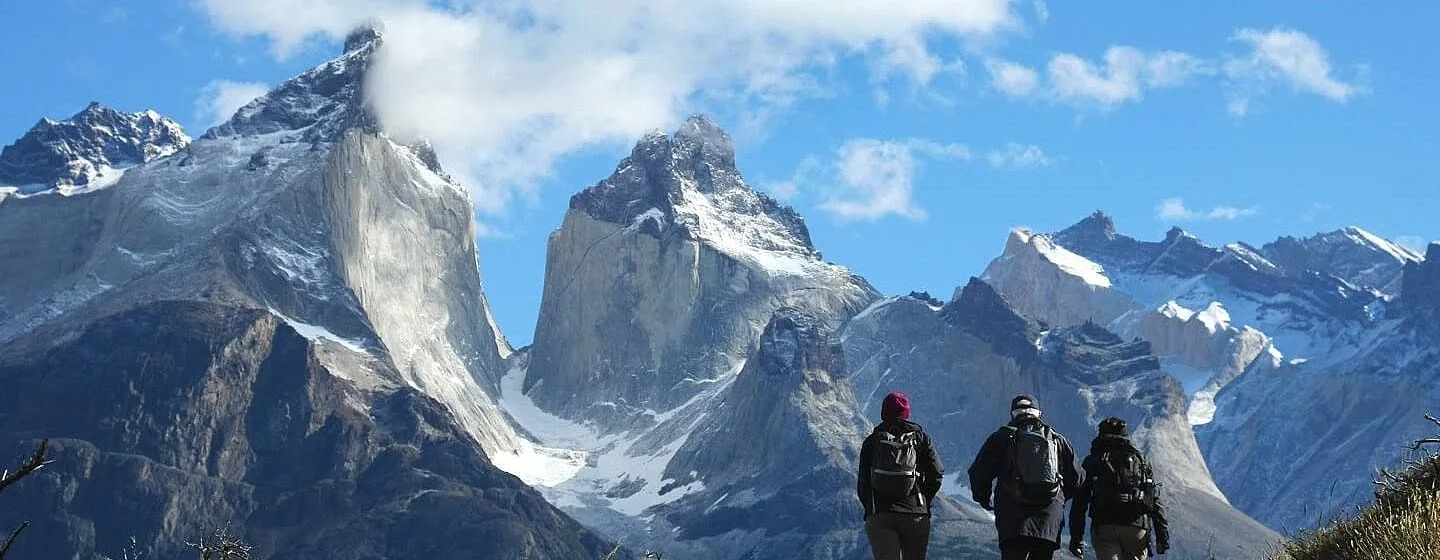
Torres del Paine National Park, located in Chilean Patagonia, is a world-renowned destination for trekkers and adventurers. Its dramatic granite spires, emerald lakes, and expansive glaciers define a landscape of unparalleled raw beauty. The park is part of the larger Patagonian ice fields system, one of the largest ice masses outside the polar regions. This region offers a rugged and unpredictable environment, where weather can shift dramatically within hours, challenging even experienced outdoors enthusiasts. Beyond the iconic 'W' and 'O' treks, the park's perimeter and lesser-known areas offer opportunities for true wilderness exploration, often requiring significant self-sufficiency and navigational skills. It's a place where the grandeur of nature truly dominates, demanding respect and preparedness from all who visit. The terrain is a mix of dense subpolar forests, open steppes, and rocky moraines, all framed by towering peaks and deep valleys carved by ancient glaciers. Wildlife encounters are common, including guanacos, rheas, condors, and the elusive puma, particularly in quieter sectors. Access to some of the more remote ice field areas, especially on the Argentine side, involves complex logistics, often including boat charters or specialized mountaineering expeditions. While the park's main trails can be busy during peak season, the sheer scale of the landscape allows for solitude if one is willing to venture slightly off the beaten path or visit during the shoulder seasons.
Geography and Terrain
The core of Torres del Paine is characterized by the Paine Massif, a geologically unique formation of granite and sedimentary rock. Surrounding this are vast steppes to the east, subpolar forests primarily composed of Nothofagus species, and the immense Southern Patagonian Ice Field to the west. Glaciers like Grey, Dickson, and Tyndall calve into the park's numerous lakes, coloring them vibrant shades of blue and green with glacial flour. Elevations vary significantly, from lake level to over 3,000 meters at peaks like Cerro Paine Grande. Trails range from well-maintained paths to exposed, rocky ascents and descents, often requiring stream crossings or navigating uneven ground. The notorious Patagonian winds are a constant factor, shaping both the landscape and the hiking experience.
Best Season and Weather
The optimal time to visit is during the Southern Hemisphere summer, from October to April. Within this window, December through February are peak months, offering the longest daylight hours and generally more stable weather. However, 'stable' in Patagonia is relative; be prepared for all four seasons in a single day. Strong winds are common year-round, and rain, snow, or sleet can occur even in mid-summer. Shoulder seasons (October-November, March-April) offer fewer crowds and vibrant fall foliage but bring colder temperatures and a higher chance of adverse weather. Winter travel is possible but requires specialized cold-weather gear and expertise, with many facilities closed and trails potentially impassable due to snow.
Wildlife Encounters
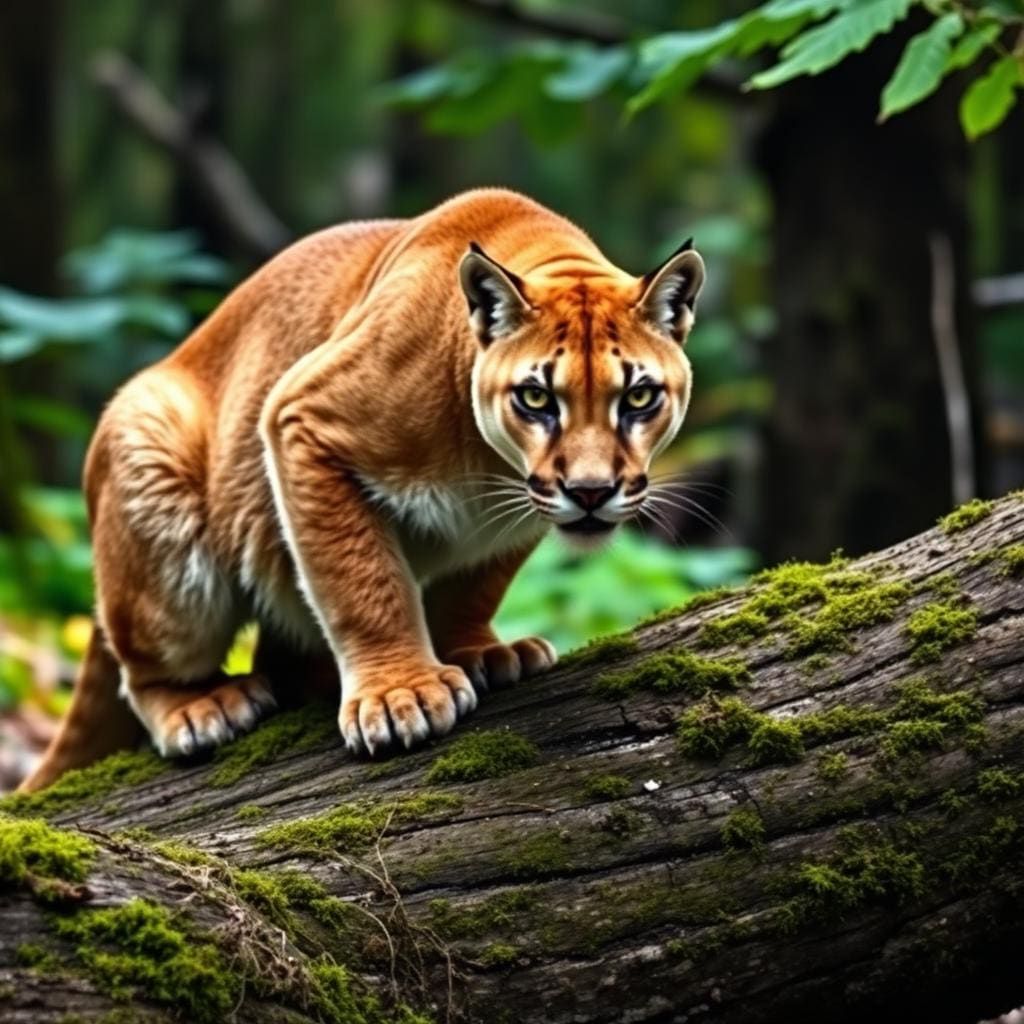
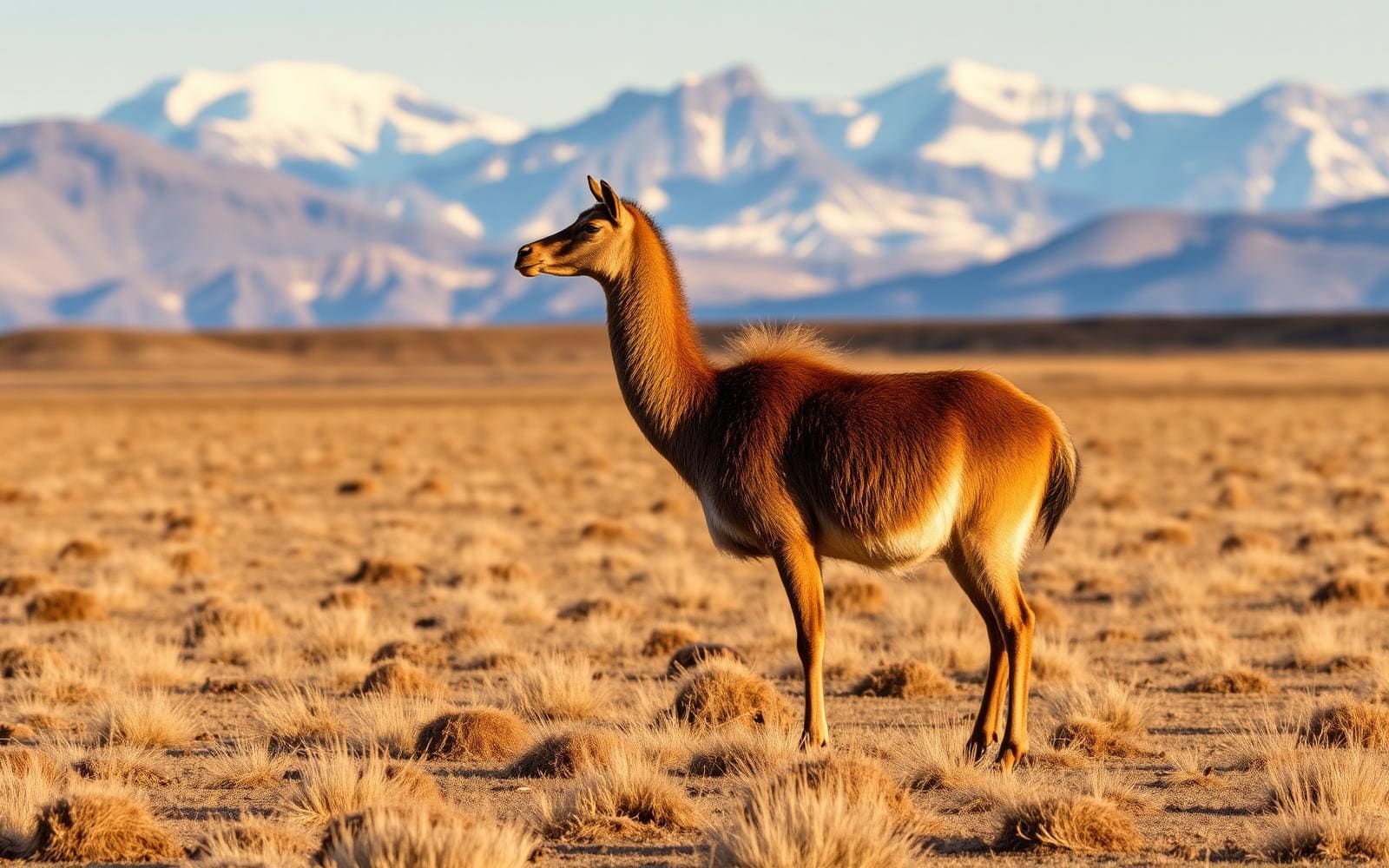
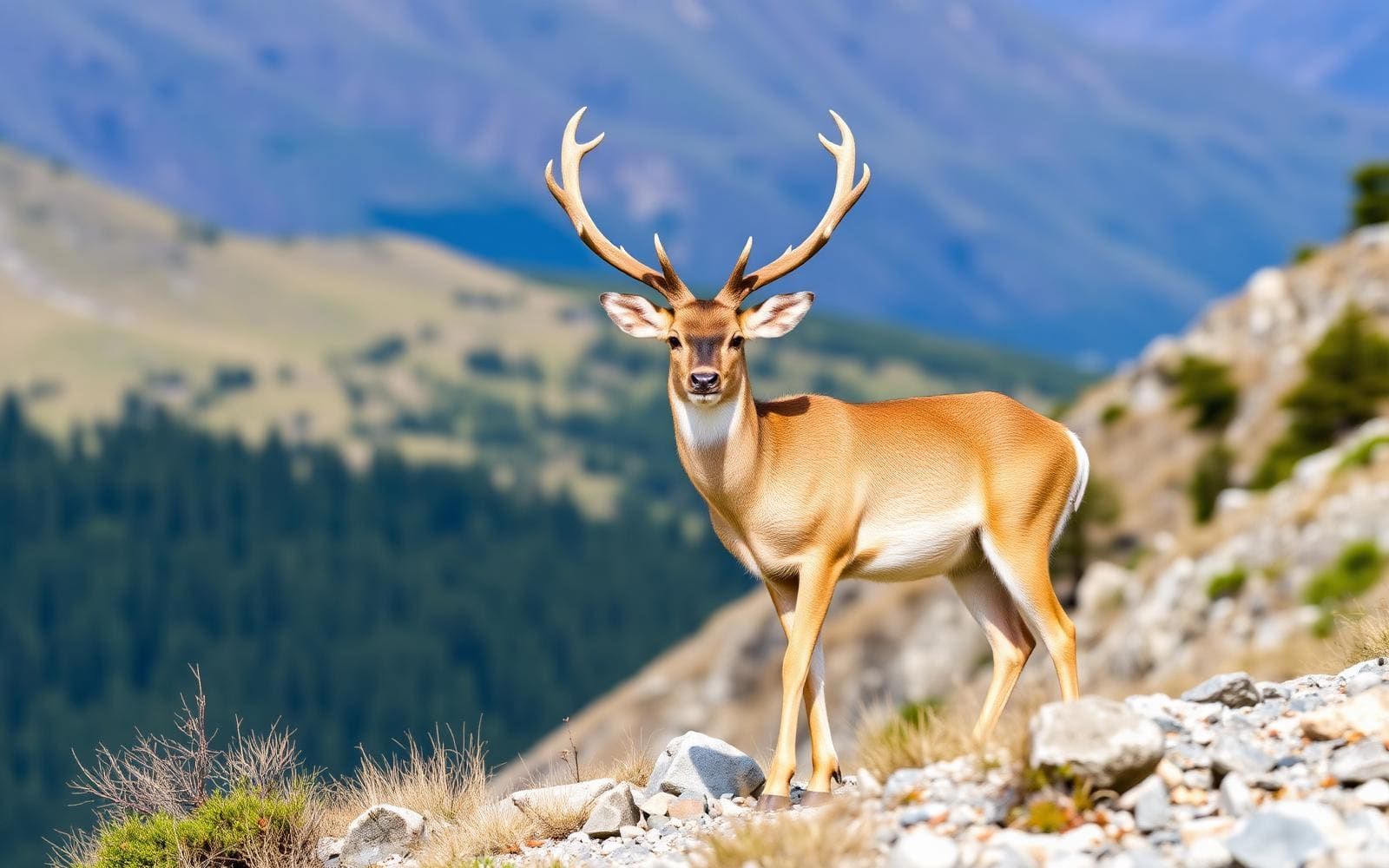
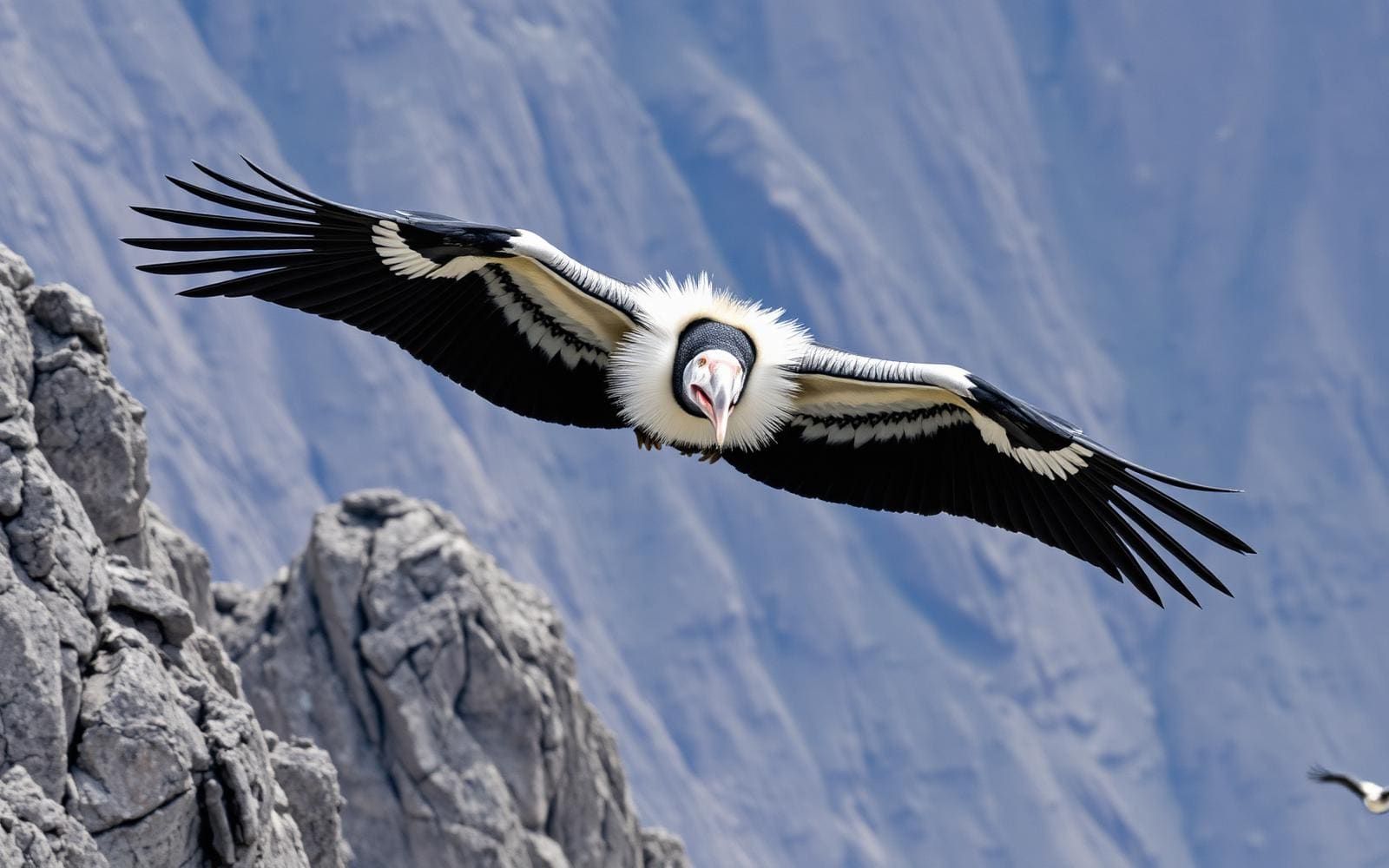
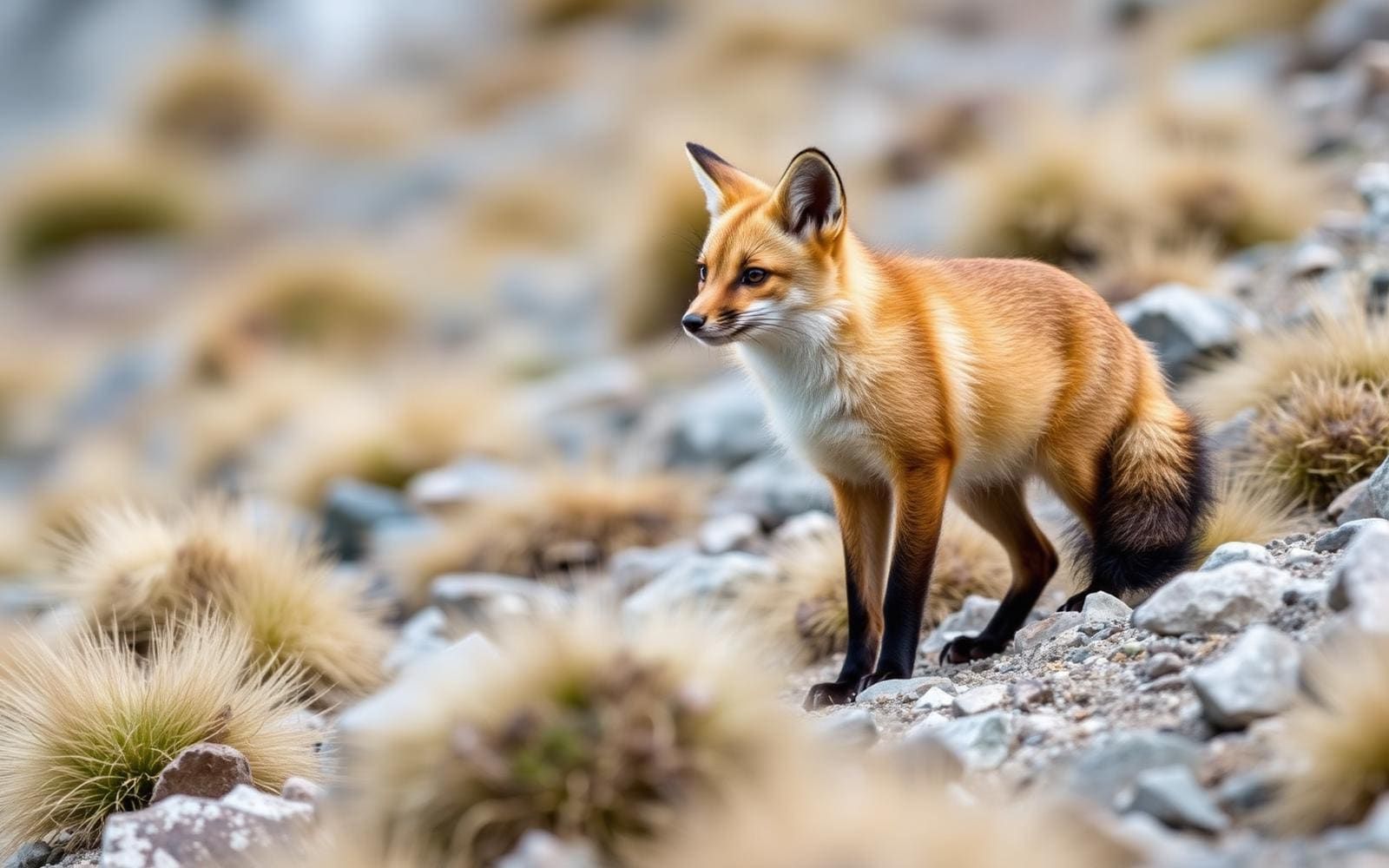
The park is home to a diverse array of Patagonian wildlife. Guanacos, a type of South American camelid, are frequently seen grazing in the open steppes. Smaller mammals like foxes (culpeo and gray fox) and various rodents are also present. Birdwatchers will appreciate the Andean condor, chimangos, and various waterfowl. The most sought-after sighting is the puma, a large cat that preys on guanacos. While elusive, puma encounters have become more common, particularly in less trafficked areas. Maintaining a respectful distance and understanding their behavior is crucial. Responsible wildlife viewing practices are enforced to protect these animals and ensure visitor safety.
Key Routes and Attractions
The 'W' Trek is the most famous multi-day hike, covering approximately 80 km over 4-5 days, hitting iconic spots like the Torres del Paine viewpoint, Valle del Francés, and Glacier Grey. The 'O' Circuit expands upon the 'W', circumnavigating the entire Paine Massif over 7-10 days, offering more remote sections and significantly fewer crowds on its northern loop. Beyond these, day hikes to specific viewpoints or packrafting expeditions on the numerous lakes and rivers provide alternative ways to experience the park. For mountaineers, ascents of peaks within the Paine Massif or expeditions onto the Patagonian Ice Field demand advanced skills, specialized gear, and often, licensed guides due to their technical difficulty and inherent risks.
Permits and Access
Entry into Torres del Paine National Park requires a permit, which can be purchased online in advance or at the park entrances. For multi-day treks, it is mandatory to book all campsites or refugios (mountain lodges) prior to arrival, especially during peak season, as capacity is strictly limited. Walk-ins without reservations for camping will be denied access to overnight trails. Access to the park is primarily via Puerto Natales, with buses running multiple times daily to various park entrances. Boat transfers are required for certain segments of the 'W' and 'O' treks. For packrafting or ice field expeditions, specialized permits and logistics arrangements are often required through licensed outfitters or CONAF (Chile's park service) depending on the specific area.
How we chose
We built this ranking from trip reports, agency data, permit records, and our editors' own time on the ground. 10 places made the final cut out of a much longer working list, and each one had to clear the same set of criteria before it earned a spot.
- Quality of the terrain
- Landscape, route variety, and whether the place rewards multiple days rather than one overlook.
- Season and weather windows
- How long the reliable window is, and how badly the shoulder seasons punish a bad forecast.
- Access and permits
- Trailhead logistics, permit odds, quotas, and how much lead time a trip realistically takes.
- Solitude vs. crowding
- How far you have to walk before the place feels like wilderness instead of a queue.
- Wildlife and ecology
- What you can reasonably expect to see, and what you have to plan around.
- Risk and skill required
- Navigation, water crossings, exposure, and rescue distance — stated plainly.
Torres del Paine & Patagonian ice fields — frequently asked questions
- Is Torres del Paine & Patagonian ice fields worth the trip?
- We rank it #5 in Adventure Locations. Trekking, packrafting, and mountaineering in some of the wildest coast in the Southern Hemisphere.
- Who is Torres del Paine & Patagonian ice fields best for?
- Best for multi-day trekking expeditions, advanced mountaineering, wildlife photography and glacier exploration. Standouts: unparalleled natural beauty and dramatic landscapes and world-class trekking and mountaineering opportunities.
- What are the drawbacks of Torres del Paine & Patagonian ice fields?
- Extremely unpredictable and harsh weather, Can be very crowded on popular routes during peak season and High costs for park entry, accommodations, and transport.
- What are the key details for Torres del Paine & Patagonian ice fields?
- Location: Chilean & Argentinian Patagonia · Primary Activity: Trekking, Mountaineering, Packrafting · Iconic Features: Granite spires, glaciers, turquoise lakes · Best Season: October - April (Southern Hemisphere Summer) · Permits: Required for park entry & camping
- Geography and Terrain — what should I know about the Torres del Paine & Patagonian ice fields?
- The core of Torres del Paine is characterized by the Paine Massif, a geologically unique formation of granite and sedimentary rock. Surrounding this are vast steppes to the east, subpolar forests primarily composed of Nothofagus species, and the immense Southern Patagonian Ice Field to the west.
- Best Season and Weather — what should I know about the Torres del Paine & Patagonian ice fields?
- The optimal time to visit is during the Southern Hemisphere summer, from October to April. Within this window, December through February are peak months, offering the longest daylight hours and generally more stable weather.
Where on earth
Satellite imagery flying in from a world view to Torres del Paine & Patagonian ice fields, Magallanes y la Antártica Chilena, Chile. Use the + / − buttons, or click the map to zoom with your scroll wheel; drag to pan and pinch to zoom on touch.
Torres de Paine, Magallanes y la Antártica Chilena, Chile · -51.253, -72.352
Wildlife found around Torres del Paine & Patagonian ice fields
Compare side by side
Put the Torres del Paine & Patagonian ice fields against any other pick on this list — specs, price, pros, cons and reader ratings.