



- Region
- Osa Peninsula, Costa Rica
- Best season
- Spring, Summer
- Permits
- Confirm current entry requirements, permit…
Plan with verified data
Corcovado National Park trip tools
Tools for a trip here
Picked for how, when and where you're going. Free, no signup.
Photos of Corcovado National Park
How to get there
Corcovado National Park is in Osa Peninsula, Costa Rica. Its center point is 8.5000, -83.6000. Use these links for live turn-by-turn directions from where you are, then confirm road, trailhead and access conditions with the managing agency before you leave.
Osa Peninsula, Costa Rica · Season: Best: Dec – Apr (dry season)
- Sea Kayaking
- Beachcombing
- Hiking
- Wildlife Viewing
- Backpacking
The country
Costa Rica's Osa Peninsula holds the largest remaining Central American lowland rainforest. Jaguars, tapirs, all four monkey species, scarlet macaws, and bull sharks all live in a single national park.
Why enthusiasts come
The multi-day route through Sirena is one of the most wildlife-dense treks on Earth. Certified guides are required for all park hiking.
Planner-relevant notes
Ranger station stays require months-ahead reservations. Coastal sections between stations are tide-critical — guides carry tables.
Field notes
- Beach sections at high tide are impassable — timing is not optional.
- River-mouth crocs are a real hazard; guides know the safe crossings.
- Bring only quick-dry clothing — nothing dries in the wet season.
Where on earth
Satellite imagery flying in from a world view to Corcovado National Park, Osa Peninsula, Costa Rica. Use the + / − buttons, or click the map to zoom with your scroll wheel; drag to pan and pinch to zoom on touch.
Coordinates
- Decimal degrees
- 8.5000, -83.6000
- Latitude (DMS)
- 8° 30′ 0.0″ N
- Longitude (DMS)
- 83° 35′ 60.0″ W
Coordinates are an access-point reference for Corcovado National Park, not a route. Carry a paper map and confirm trailhead or put-in access with the managing agency before you go.
Topic summary
'The most biologically intense place on Earth' — Pacific coast lowland rainforest with jaguars.
Key takeaways
- Region: Osa Peninsula, Costa Rica
- Best season: Best: Dec – Apr (dry season)
- Coordinates: 8.500, -83.600
Climate suitability
Best: Dec – Apr (dry season)
Keep planning
Popular pursuits at Corcovado National Park
- Sea Kayaking
Coastal crossings, tides, and protected camps.
- Beachcombing
Tide-line walking between camps.
- Hiking
Day miles on marked trail, with route notes and trail links below.
- Wildlife Viewing
Best light, best season, and where animals move.
- Backpacking
Multi-day travel with everything on your back — see the packing blocks below.
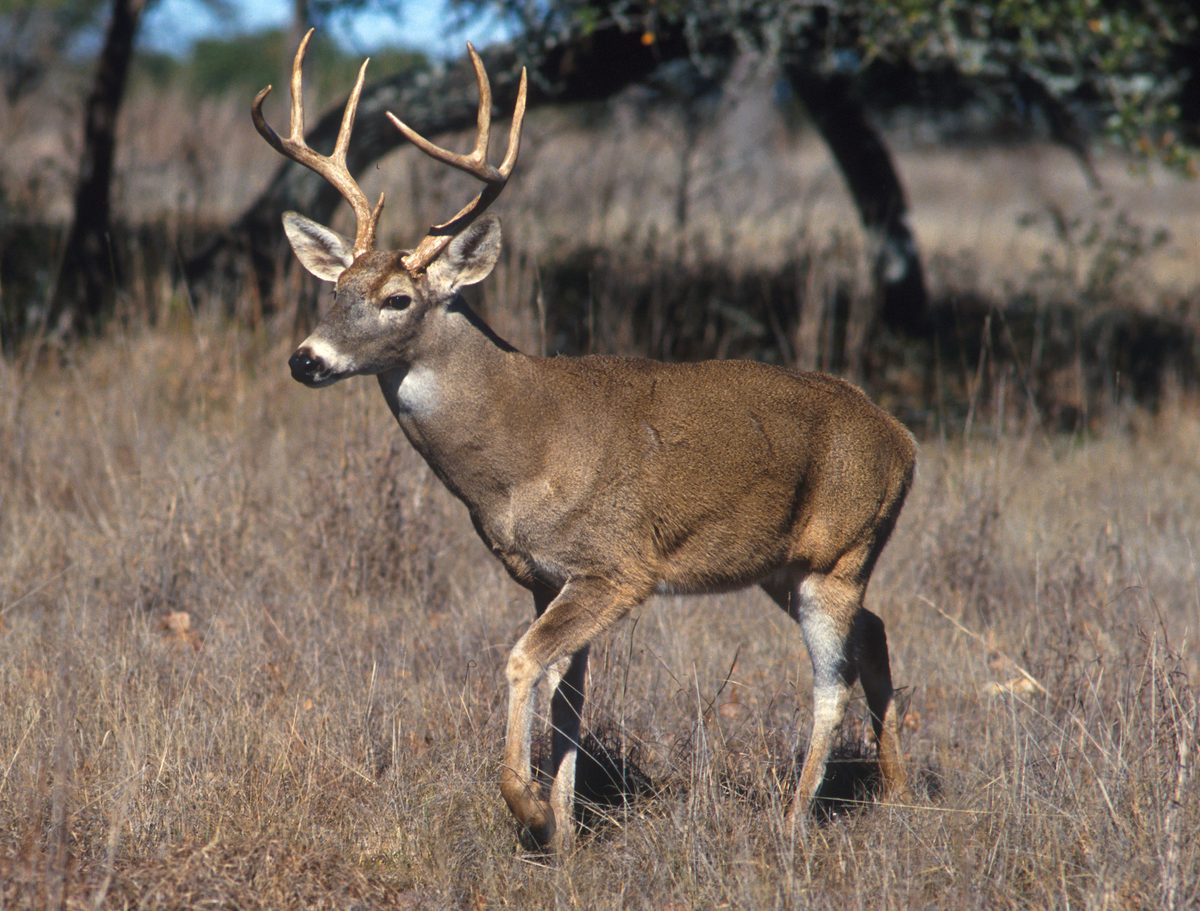
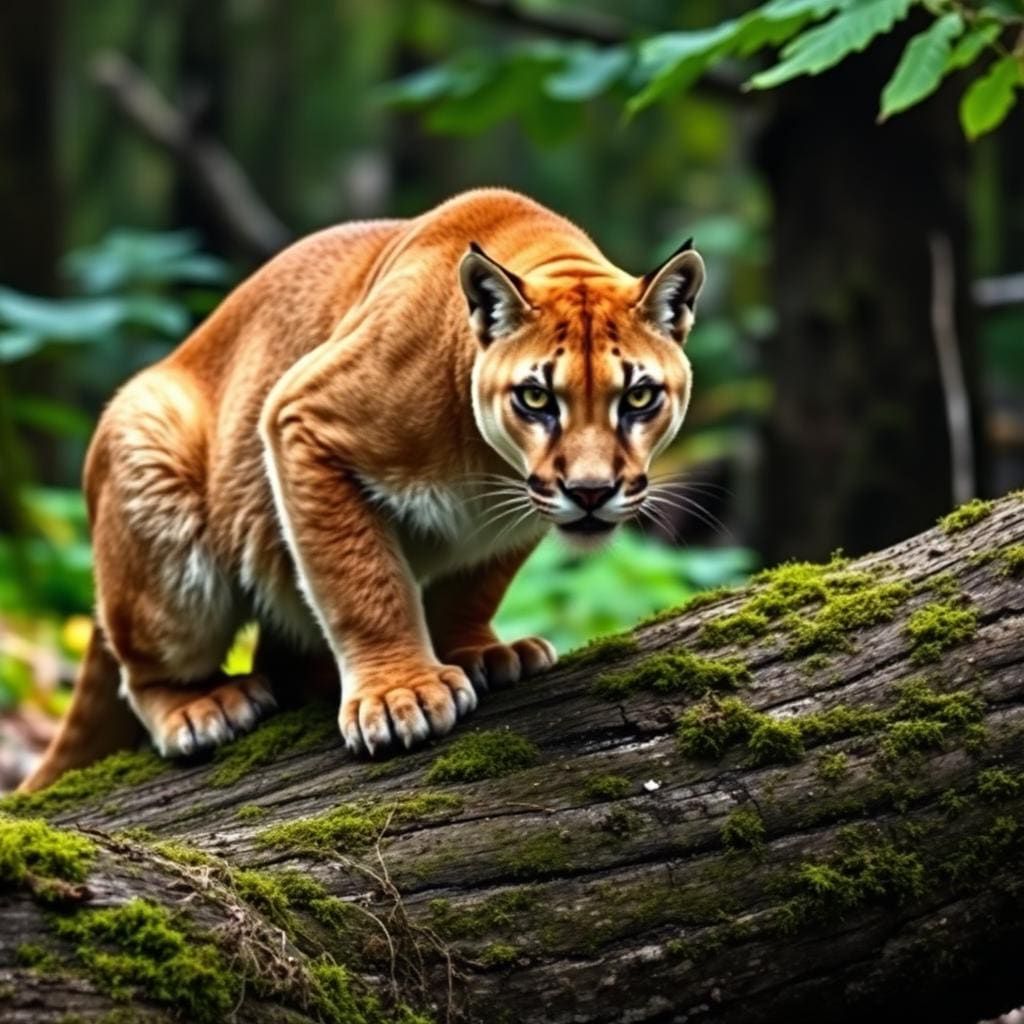
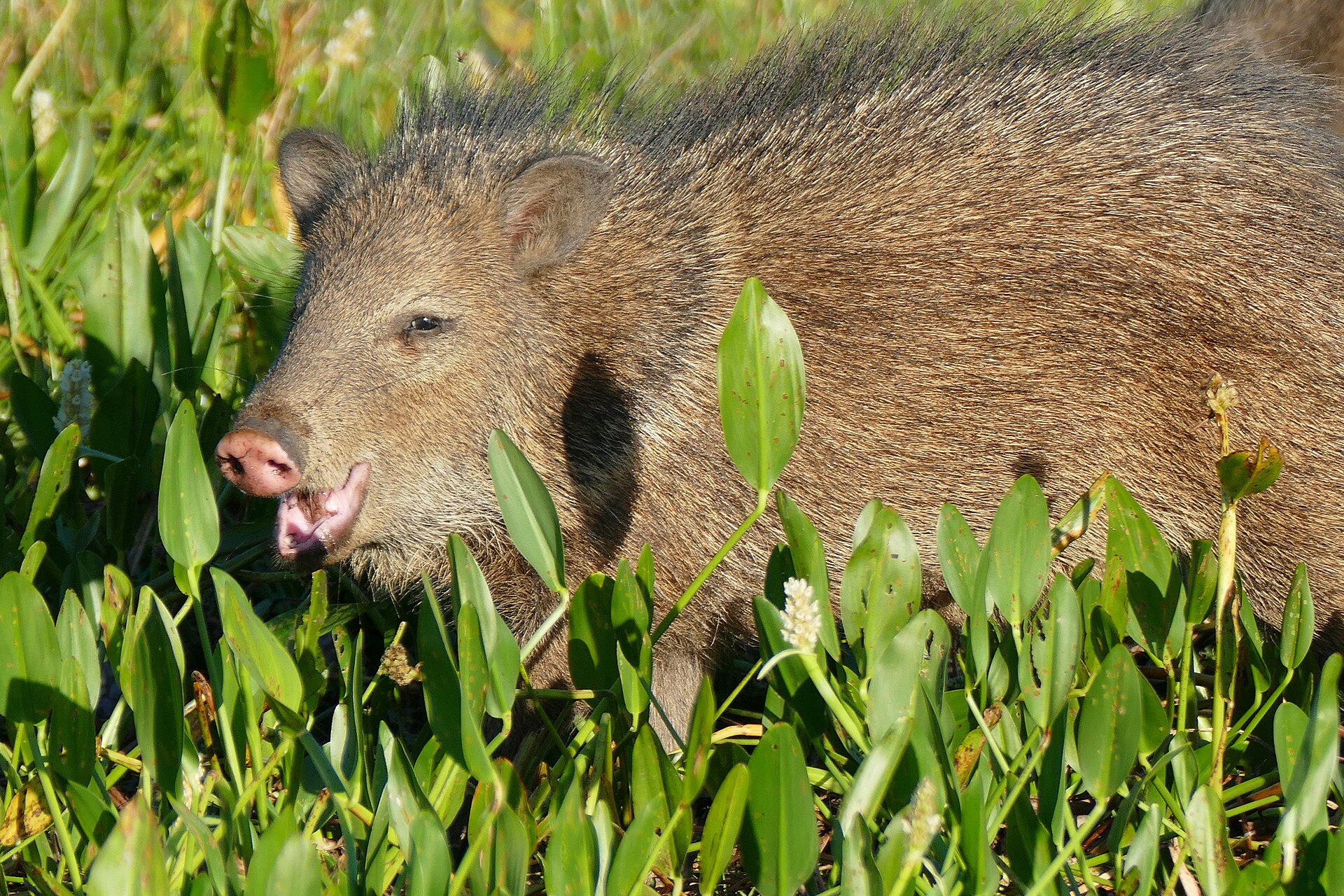
Animals around Corcovado National Park

A large lowland forest on the Osa Peninsula
Corcovado National Park occupies 424 square kilometres on the Osa Peninsula in southwestern Costa Rica, within Osa Canton and the Osa Conservation Area. It covers about a third of the peninsula, making the park a substantial part of the landscape rather than a small forest reserve. Its defining feature is lowland tropical forest, including the largest primary forest on the American Pacific coastline. For trip planning, that forest is the central reason to visit: this is a destination for paying attention to vegetation, forest structure, and the relationships between habitats. Treat its size as context, not as a measure of how much ground to cover. A focused outing can leave more room for observation than an itinerary built around covering distance.
Why the forest matters
Established on October 24, 1975, Corcovado protects one of the few remaining sizable areas of lowland tropical forest in the world. The importance of that scale goes beyond the presence of large trees. Lowland forests have historically attracted logging because they are comparatively accessible and contain large, abundant trees with economic value. Those same habitats can hold diverse vegetation and particularly rich biodiversity. Where only small fragments remain, they may no longer support the full range of life that the original forest sustained. Corcovado therefore offers a way to understand forest conservation at the landscape level. Look beyond individual sights and consider the extent of connected habitat: the park’s value lies partly in how much forest remains together, not simply in what a visitor might notice during one walk.
Planning a forest-focused visit
Plan for a lowland tropical forest setting rather than assuming that a general Costa Rica itinerary describes conditions here. The country includes dry tropical forest, temperate forest, high mountains, marshy lowlands, and both Pacific and Caribbean coastlines; Corcovado represents a specific part of that range. Clothing and equipment should suit a tropical forest outing, with drinking water, weather protection, and protection for items that need to stay dry. Keep wildlife observation low-impact by allowing animals space and avoiding disturbance to vegetation. Before committing to an itinerary, confirm current access arrangements and entry requirements with the park’s managing authority. Choose the actual outing only after checking its conditions and demands; the park’s overall area does not establish the length, difficulty, or availability of any particular visit.
Sample itineraries
- One-day lowland forest visit · 1 day
Plan a day focused on Corcovado’s lowland tropical forest. Allow time for slow observation of vegetation rather than covering ground. Confirm an appropriate route, access arrangements, and current conditions with the managing agency before setting out.
- Two-day Corcovado focus · 2 days
Set aside two days on the Osa Peninsula for a less compressed Corcovado visit. Focus first on the primary forest, then on closer observation of its varied vegetation. Confirm daily access and accommodation arrangements separately; this outline does not assume overnight stays inside the park.
Seasonal conditions
Spring
Spring travel planning
Use local forecasts rather than assuming spring means mild conditions. For this lowland tropical forest, prepare for warmth and wet weather; confirm trail conditions before choosing an outing.
Summer
Summer travel planning
Do not assume summer means dry trails. Plan a manageable pace for tropical lowland walking, carry drinking water, and check current rainfall and access conditions.
Fall
Fall travel planning
Temperate fall expectations are not a useful guide to this tropical forest. Keep plans flexible around local weather and confirm conditions before committing to a route.
Winter
Winter travel planning
Do not plan for a temperate winter landscape. Pack for a lowland tropical forest visit, with rain protection and drinking water, and verify local conditions close to departure.
| Season | Window | Conditions |
|---|---|---|
| Spring | Spring travel planning | Use local forecasts rather than assuming spring means mild conditions. For this lowland tropical forest, prepare for warmth and wet weather; confirm trail conditions before choosing an outing. |
| Summer | Summer travel planning | Do not assume summer means dry trails. Plan a manageable pace for tropical lowland walking, carry drinking water, and check current rainfall and access conditions. |
| Fall | Fall travel planning | Temperate fall expectations are not a useful guide to this tropical forest. Keep plans flexible around local weather and confirm conditions before committing to a route. |
| Winter | Winter travel planning | Do not plan for a temperate winter landscape. Pack for a lowland tropical forest visit, with rain protection and drinking water, and verify local conditions close to departure. |
Permits, fees & closures
Confirm current entry requirements, permits, and booking arrangements with the park’s managing agency before travel.
Confirm current permits, fees, and closures with the managing agency before you go.
Hazards & regulations
- Plan for heat and humidity during lowland tropical forest walking; pace conservatively and carry sufficient drinking water.
- Wet forest footing can be slippery. Wear footwear with traction and adjust plans to current conditions.
- Keep distance from wildlife, never feed animals, and avoid reaching into vegetation where visibility is poor.
What to pack for Corcovado National Park
- Footwear with reliable traction
- Lightweight clothing suitable for warm, wet conditions
- Rain protection
- Drinking water
- Food appropriate to the outing
- Basic first-aid supplies
- Water-resistant protection for essential belongings
- Binoculars
- Notebook
- Camera with rain protection
Corcovado National Park FAQ
- Where is Corcovado National Park?
- Corcovado is on the Osa Peninsula in southwestern Costa Rica, within Osa Canton. It forms part of the Osa Conservation Area.
- What makes its forest significant?
- The park contains the largest primary forest on the American Pacific coastline and is among the few remaining sizable areas of lowland tropical forest worldwide.
- How large is the park?
- Corcovado covers 424 square kilometres, or 164 square miles, and extends over about a third of the Osa Peninsula.
- What should a visit focus on?
- Make the lowland tropical forest the focus. Its diverse vegetation and biodiversity reward an observation-led visit rather than a distance target. Select routes only after confirming access and conditions.
- Can an overnight stay inside the park be assumed?
- No. Confirm overnight access, accommodation, and any booking requirements with the managing agency before building a multi-day plan around staying inside the park.