Skip to content
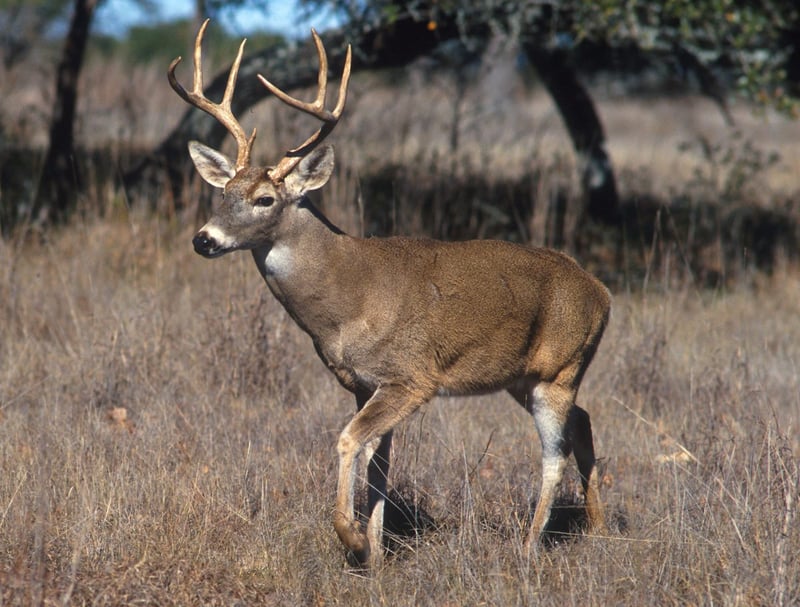
White-tailed deer buck standing at a field edge

Hunting · Big Game · Whitetail Deer

Whitetail Deer Hunting

The most hunted big-game animal on the continent — roughly 6 million hunters chase whitetails every fall, and almost all of them hunt within a few hours of home.

The whitetail is the default big-game animal in North America. It lives in hardwood ridges, river bottoms, cornfield edges, cedar swamps, suburban greenbelts, and Texas brush country, and in most of that range you can buy a tag over the counter the week before the season opens.

That accessibility is exactly why whitetail hunting is hard. The animals are abundant but hyper-local, they live their whole lives inside a few hundred acres, and they know that ground better than you ever will. Success comes from wind discipline, access routes, and patience — not from equipment.

If you are hunting big game for the first time, start here. A whitetail tag, a rifle or bow you have practiced with, and a piece of public timber you have scouted twice will teach you more in one November than five years of reading.

Range
45+ states & 8 provinces
Peak season
Late Oct – Nov rut
Tag access
Mostly over-the-counter
Live weight
110–300 lb

01

Where to hunt whitetail deer

Whitetail quality splits three ways: sheer deer density (the Southeast and Midwest farm belt), antler quality on public ground (the Midwest and Plains), and low-pressure wilderness hunting (the North Woods and Canadian bush).

PlaceWhy it's worth your timeHow you get a tag
TexasHighest deer population in the U.S.; long season and generous limitsOver-the-counter; most hunting is leased or on managed private land
Wisconsin & MichiganBig herds, huge public forest, and a classic November gun seasonOver-the-counter licenses for residents and nonresidents
Iowa, Illinois & KansasThe best mature-buck genetics and age structure in the countryNonresident tags are limited draw — apply and build points
Ohio, Kentucky & MissouriExcellent buck quality with over-the-counter nonresident accessOver-the-counter; buy online the day you leave
Pennsylvania & New YorkEnormous public forest and mountain deer that behave like wilderness animalsOver-the-counter buck tags; antlerless is allocated by unit
Saskatchewan & AlbertaBiggest-bodied whitetails on earth in bitter late-season coldNonresidents must book a licensed outfitter

02

How to hunt whitetail deer: the repeatable method

Whitetail success is a stand-placement and wind-discipline game more than a shooting game — the method below is the same one that kills mature bucks on pressured public land every November.

  1. 1Scout in late winter or summer with cameras and mapping software to find bedding cover, food sources, and the funnels (saddles, creek crossings, fence gaps) that connect them.
  2. 2Hang stands or stage ground-blind sites for at least two wind directions so you always have a spot that keeps your scent off the deer's approach.
  3. 3Enter and exit on a route that never crosses bedding or the field you're watching, and go in quietly at least 30 minutes before legal light.
  4. 4Hunt field edges and funnels in October, then shift to the thickest cover near bedding as the late-October/November rut kicks in and bucks start cruising for does.
  5. 5Rattle or grunt-call sparingly during the rut window to pull a cruising buck off his line, and stay still and glassing the rest of the sit.
  6. 6Take only broadside or quartering-away shots inside your practiced range — behind the front shoulder for the vitals.
  7. 7Wait 30–45 minutes before trailing a body-hit deer, follow blood with a flashlight or headlamp, and back out and wait overnight if the trail goes cold or the hit looks marginal.

03

Tags, licenses, and the application game

In the whitetail world, a 'tag' is usually just a hunting license plus a deer permit you buy online. The complications are unit-specific antlerless quotas, weapon-season splits, and a handful of high-demand states that put nonresidents in a draw.

  1. 1Complete hunter education. It is required in nearly every state for anyone born after roughly 1970, and the card transfers between states.
  2. 2Buy a resident or nonresident hunting license from your state agency's website — typically $25–$40 resident, $150–$600 nonresident.
  3. 3Add the deer permits you need. Many states include one antlered deer with the license, then sell antlerless permits by unit until the quota fills.
  4. 4Check the weapon-season calendar. Archery, muzzleloader, and firearms seasons often have separate permits and separate legal equipment rules.
  5. 5For Iowa, Illinois, and Kansas as a nonresident, apply in the spring draw (deadlines run April–June) and expect to wait one to three years for a tag.
  6. 6Read the current-year regulations booklet for your specific unit. Antler-point restrictions, baiting rules, and CWD carcass-transport rules change annually.

04

What the hunt is actually like

A whitetail hunt is mostly sitting still in the cold. You are in a stand or a ground blind an hour before shooting light, on the downwind side of a food source, funnel, or bedding-area edge, and you stay there while the woods wakes up around you.

During the late-October and November rut, that stillness pays off in bursts: a buck cruising a downwind edge at 9 a.m. with his nose to the ground, moving fast and paying no attention to anything but doe scent. Most mature bucks are killed in a fifteen-second window after four uneventful hours.

Shots are close. The median whitetail is taken well inside 100 yards with a rifle and inside 25 yards with a bow. Marksmanship matters less than getting into position without being winded, and the single most common reason hunters go home empty is walking to the stand with the wind at their back.

The physical demands are modest, which is why whitetail hunting is the most family-accessible big game there is — but the mental demand of sitting motionless in 20°F for six hours is real. Dress for the sit, not the walk.

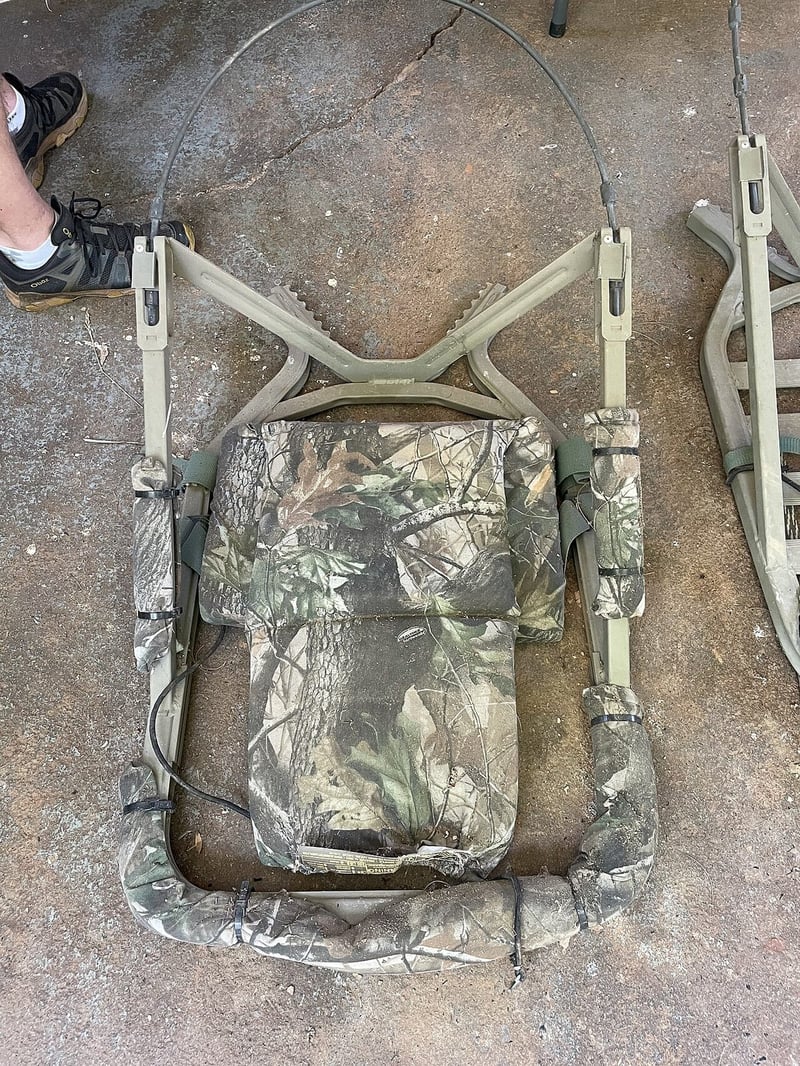
Camouflage tree stand set in hardwood timber
Jackmalott / CC BY-SA 4.0 · Wikimedia Commons

05

Gear that decides the outcome

Not a shopping list — the six or so items that change whether you fill the tag and whether the meat gets home in good condition.

Weapon

Rifle, bow, or shotgun

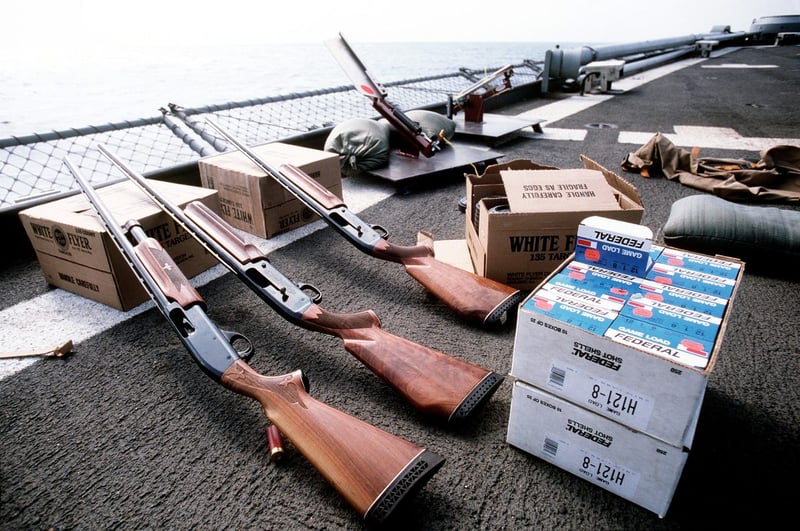
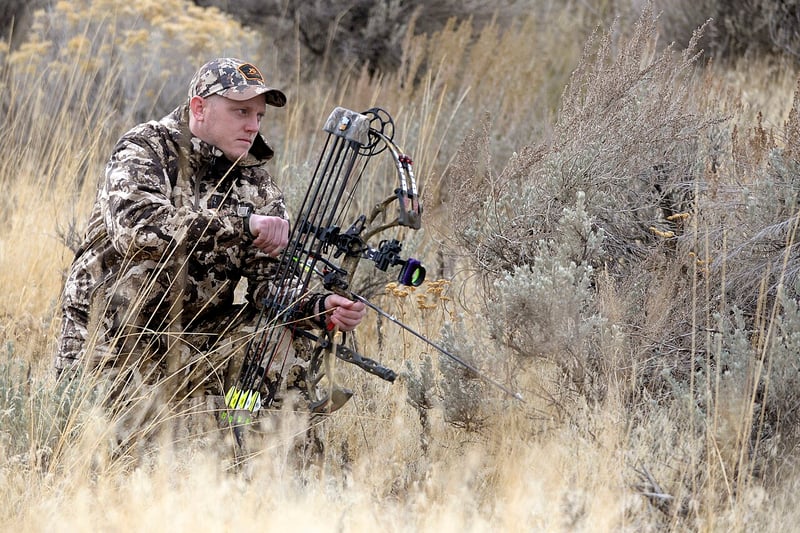
Any deer cartridge from .243 through .30-06 is plenty. In shotgun-only counties, a slug gun or straight-wall cartridge rifle is required. Bowhunters need a 40+ lb draw and a broadhead they have shot through a broadhead target.

Elevated stand or blind

Access

A hang-on stand and sticks, a saddle, or a climber gets your scent cone above deer noses and breaks your outline. Always wear a lineman's belt and a full-body harness — falls injure more hunters than firearms.

Cold-weather layering

The real challenge

You generate no heat sitting. Base layer, mid-layer fleece, insulated bibs and parka, and a change of dry layers in the pack. Walk in with the parka off, put it on when you get to the stand.

Wind checker & scent control

Non-negotiable

A puffer bottle or milkweed floss tells you where your scent is going right now. Rubber boots, scent-free wash, and clothing stored outside the house make a marginal difference; wind direction makes all the difference.

Recovery kit

After the shot

Bright headlamp with a fresh battery, flagging tape for marking blood, sharp knife, game bags, and drag rope. Most blood trailing happens after dark.

06

Meat care and what you take home

A whitetail yields roughly 40–70 pounds of boneless meat. Get the hide off and the carcass cooling within a few hours; in warm early-season weather, quarter it and get the meat on ice the same night.

Backstraps and tenderloins cook like beef loin. Hindquarters make roasts and steaks; the front shoulders and neck are best ground or slow-braised. Trim every bit of silver skin and fat — deer fat is where the gamey flavor lives.

Official sources and further reading

Seasons, fees, and draw rules change every year. These are the agencies and organizations that publish the current numbers — always confirm with them before you apply or hunt.

Questions

Frequently asked

When is the whitetail rut?
Across most of the U.S. the peak breeding window falls between November 5 and November 20, and the best daylight movement is the pre-rut chase phase in the last week of October through the first week of November. In the Deep South, rut timing runs from December into January and varies by county.
Do I need private land to kill a good buck?
No. Iowa, Kansas, Missouri, Wisconsin, Pennsylvania, and the Southeastern national forests all produce mature bucks on public ground every year. Public-land success comes from hunting further from parking areas and hunting the days other people don't — weekdays, rain, and the second week of the season.
Rifle or bow for a first whitetail?
Rifle. It is a shorter learning curve, the season is more forgiving, and killing your first deer cleanly builds the judgment you need for archery later. Start with a bow only if your state's firearms season is very restrictive.
How much does a whitetail hunt cost?
A resident DIY public-land hunt costs the price of a license and gas — often under $100. A nonresident over-the-counter state like Ohio or Kentucky runs $150–$300 in tags. Guided Midwest hunts on managed farms run $2,500–$6,000 per week.
What is CWD and does it affect me?
Chronic wasting disease is a fatal prion disease in deer that is now present in more than 30 states. Public-health guidance is not to eat meat from a positive animal. Many states require testing or restrict transporting carcasses out of affected units — check your unit's rules before you leave the field.


Also on The Wild10

Fishing Guides

Fish identification, the knots that hold, lure selection by conditions, and the habits that fill a stringer.

Open the fishing hub →
Fly angler casting on a clear northern river