



- Region
- Murmansk Oblast
- Country
- Russia
- Best for
- fly fishing, fishing
- Best season
- Spring, Summer
- Permits
- Confirm permit requirements with the relev…
Plan with verified data
Kola Peninsula trip tools
Tools for a trip here
Picked for how, when and where you're going. Free, no signup.
How to get there
Access to the Kola Peninsula typically begins with arrival at Murmansk's airport or railway station, often from Moscow or Saint Petersburg.
- Murmansk
The main administrative center and hub of the Kola Peninsula, serving as the primary arrival point for visitors. The city itself is relatively small but offers several sights and markets.
- Teriberka
A village located on the Barents Sea coast, accessible from Murmansk via a road through the tundra. The road can close in harsh weather.
Sources: Wikipedia · visitrussia.com. Confirm road and trailhead conditions with the managing agency before you leave.
Murmansk Oblast · Russia · Season: Spring through fall
- Fishing
Overview
The Atlantic salmon fishery — Ponoi, Yokanga, Varzuga. When politics allow.
Planning notes
Where: Murmansk Oblast, Russia Best season: Spring through fall Good for: Fly Fishing, Fishing Featured on: Top 10 Fly-Fishing Destinations (#6) Access point: Kola Peninsula, Murmansk Oblast, Russia, 184595
Check current permits, closures and fire restrictions with the managing agency before you commit to dates.
Where on earth
Satellite imagery flying in from a world view to Kola Peninsula, Russia. Use the + / − buttons, or click the map to zoom with your scroll wheel; drag to pan and pinch to zoom on touch.
Coordinates
- Decimal degrees
- 67.2994, 37.5508
- Latitude (DMS)
- 67° 17′ 58.0″ N
- Longitude (DMS)
- 37° 33′ 3.0″ E
Coordinates are an access-point reference for Kola Peninsula, not a route. Carry a paper map and confirm trailhead or put-in access with the managing agency before you go.
Topic summary
The Atlantic salmon fishery — Ponoi, Yokanga, Varzuga.
Key takeaways
- Region: Murmansk Oblast
- Country: Russia
- Best season: Spring through fall
- Good for: fly fishing, fishing
- Coordinates: 67.299, 37.551
Intended uses
- fly fishing
- fishing
Climate suitability
Spring through fall
Keep planning
Popular pursuits at Kola Peninsula
- Fishing
Resident gamefish, seasons, and the water that holds them.
Animals around Kola Peninsula
 Wildlife guideTimber wolfCanis lupus
 Wildlife guideCanada lynxLynx canadensis
 Wildlife guideWolverineGulo gulo
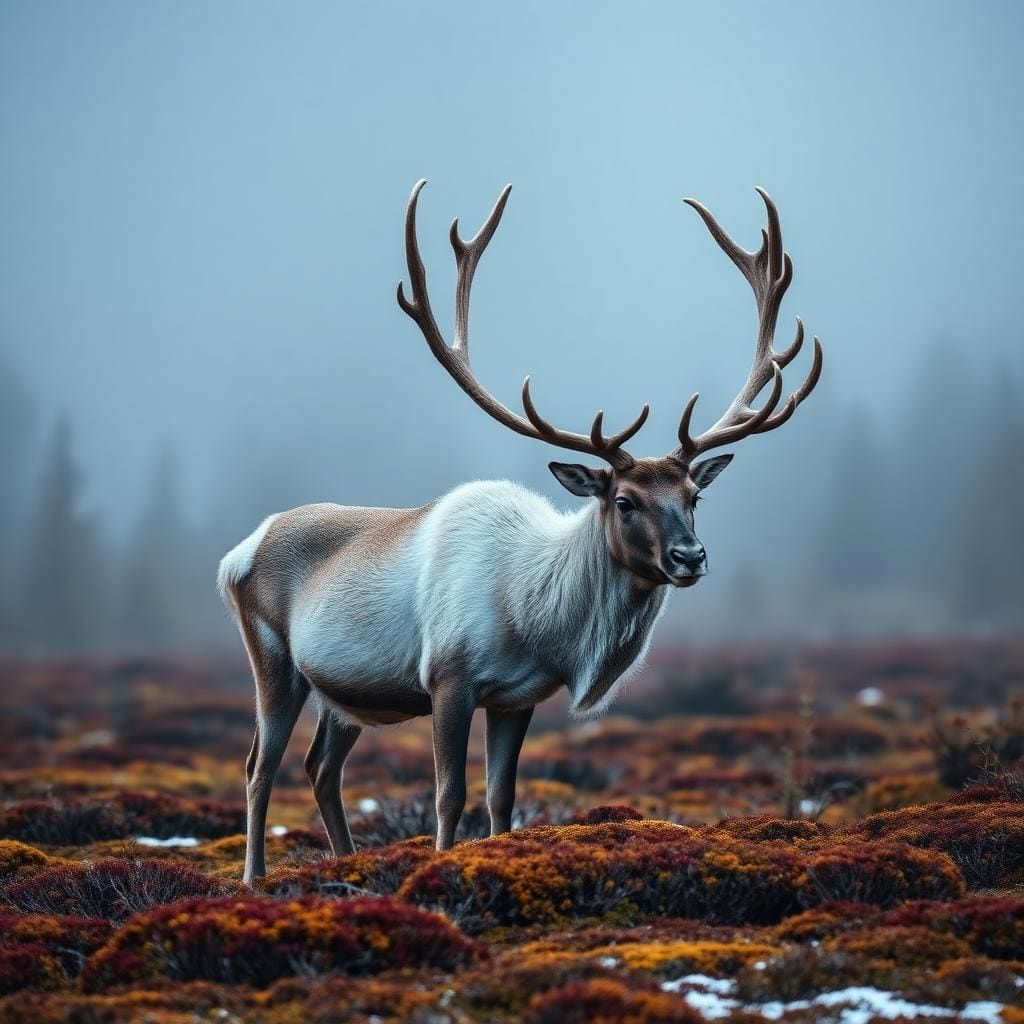 Wildlife guideWoodland caribouRangifer tarandus caribou
 Wildlife guideNorth American beaverCastor canadensis
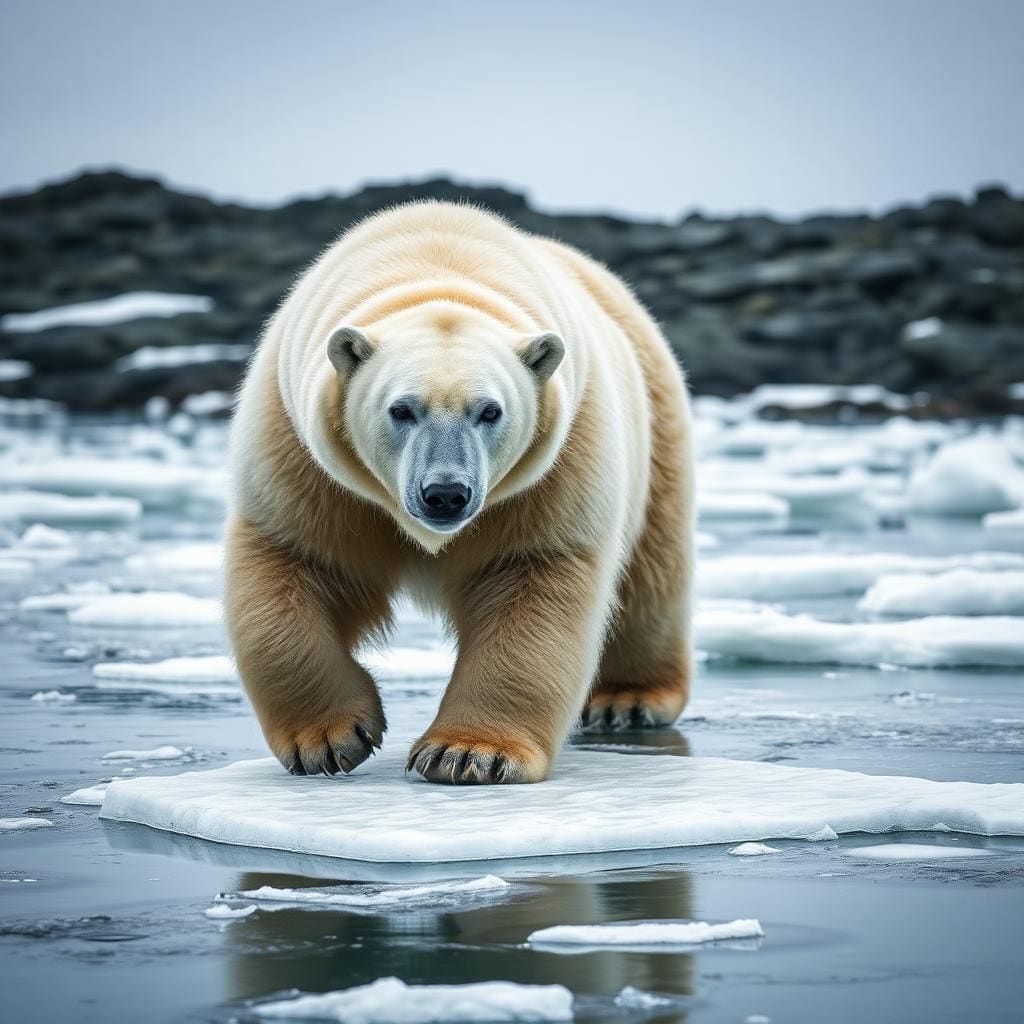 Wildlife guidePolar bearUrsus maritimus
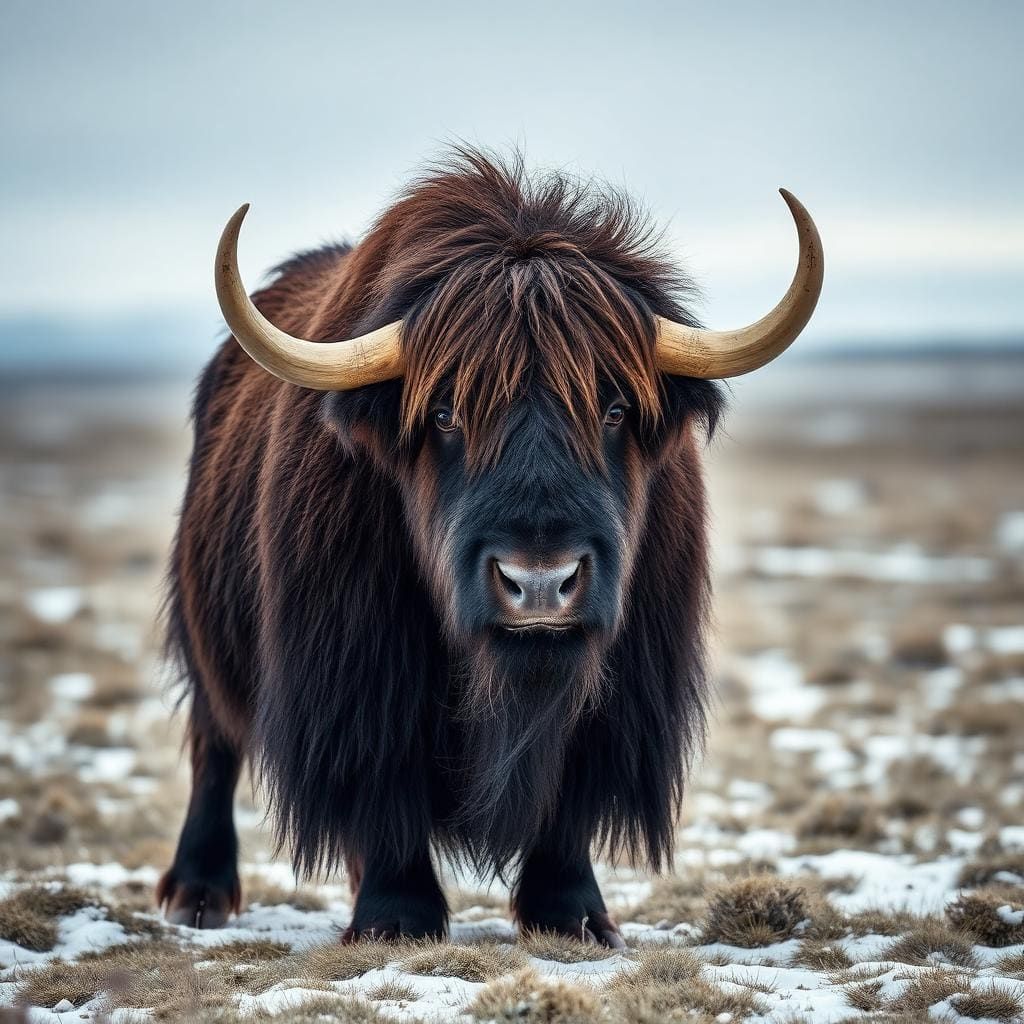 Wildlife guideMuskoxOvibos moschatus
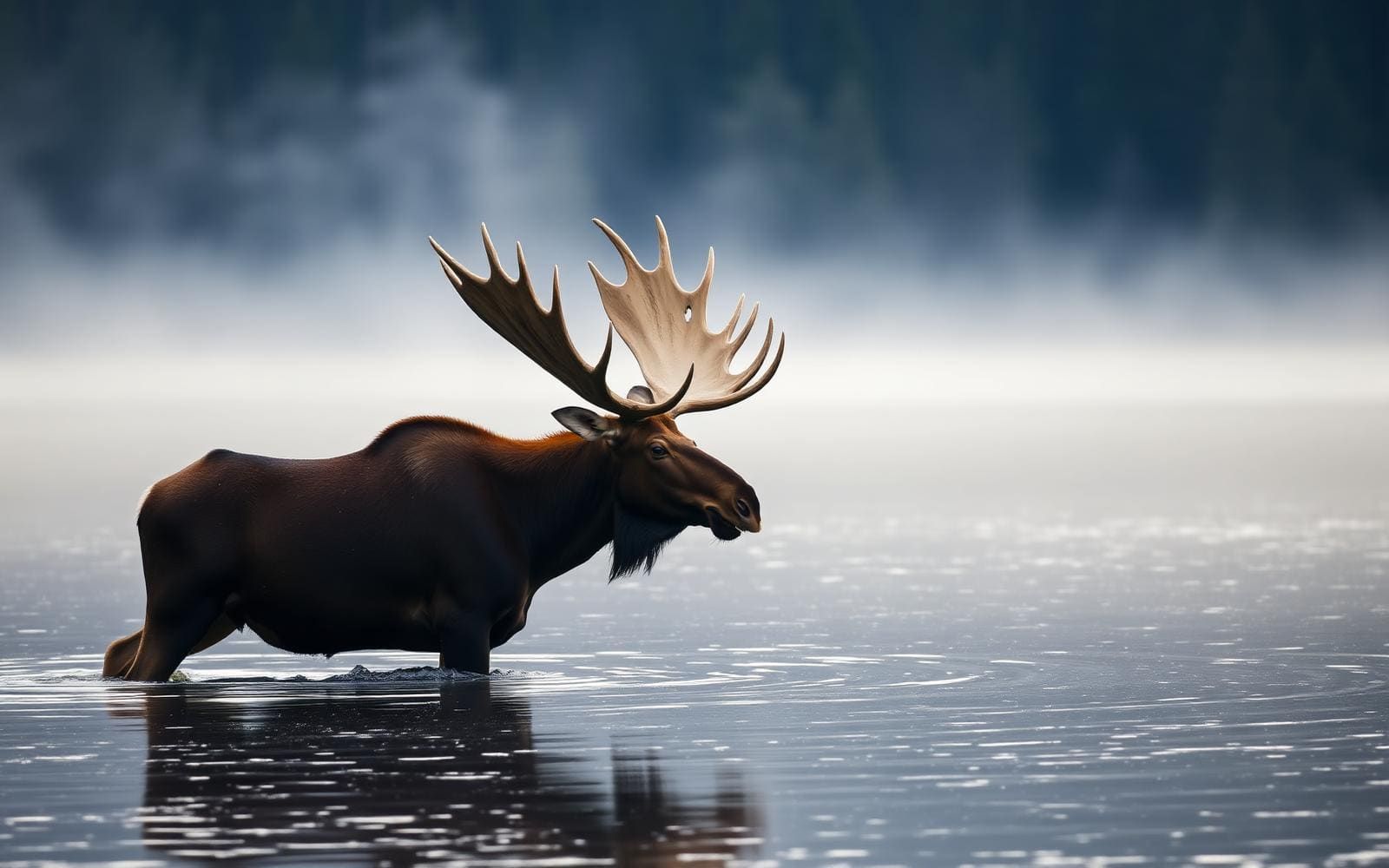 Wildlife guideMooseAlces alces
An Arctic Frontier
The Kola Peninsula, located in Russia's extreme northwest, is a significant European landmass. It lies almost entirely within the Arctic Circle, bordered by the Barents Sea to the north and the White Sea to the east and southeast. Murmansk, the most populous city on the peninsula, serves as its primary urban center. The peninsula is characterized by taiga forests in the south and tundra in the north, where permafrost limits tree growth, leading to a landscape of shrubs and grasses. Despite its northerly position, the North Atlantic Current contributes to unusually mild winter temperatures, though this also brings high winds due to temperature differences between land and the Barents Sea. Summers are cool, with an average July temperature of 11 °C (52 °F).
Rich History and Development
Human settlement on the Kola Peninsula dates back to the 7th–5th millennium BC in the north, with the rest of the territory becoming inhabited by the 3rd millennium BC. By the 1st millennium CE, the Sámi people were the predominant inhabitants. Russian Pomors discovered the peninsula's resources in the 12th century, leading to its eventual incorporation into Novgorodian lands. The Soviet era saw rapid industrialization and militarization due to its strategic ice-free Atlantic coast and the discovery of apatite deposits. This period led to significant population growth, though concentrated in urban coastal areas and along railways, and resulted in ecological damage. Post-Soviet decline was followed by recovery in the early 21st century, making it northern Russia's most industrialized and urbanized region.
Natural Phenomena and Wildlife
The Kola Peninsula is renowned for its striking natural phenomena, including the Aurora Borealis, visible from late August to mid-April. Key locations for viewing the Northern Lights include Teriberka, Lovozero Lake, and the Khibiny Mountains. The region's unique climate and geography support specific ecosystems. The Kandalaksha Nature Reserve, situated in Kandalaksha Gulf, is dedicated to protecting populations of the common eider. The peninsula's rivers are also vital habitats for Atlantic salmon, attracting fishing enthusiasts. Overall, the area offers a compelling blend of natural beauty and opportunities for eco-leisure and adventure activities, from observing wildlife to experiencing the Arctic's celestial displays.
Cultural and Recreational Pursuits
Tourism on the Kola Peninsula offers diverse options for active vacations and cultural engagement. Murmansk provides urban attractions such as Five Corners Square, the Alyosha monument, and the Nuclear Icebreaker Lenin, alongside markets for local seafood, game, and cloudberry products. Teriberka, a coastal village, offers a glimpse into traditional Russian rural life with modern tourist services, including snowmobile tours to non-freezing waterfalls and cliffs. The peninsula is also home to a ski resort in Kirovsk, within the Khibiny Mountains, offering artificially lit trails suitable for various skill levels. Opportunities for dog sledding with Siberian Huskies and ice fishing are also available, showcasing the region's winter sports and unique experiences.
Route options
- Snowmobile tours in Teriberka
Tours offer access to scenic spots, non-freezing waterfalls, and cliffs along the Barents Sea coast, even in winter.
- Skiing at Bolshoi Vudjavr Ski Complex25 kmAll skill levels
Located in Kirovsk, this complex offers 23 trails, 15 of which are artificially lit, suitable for all skill levels. Total trail length is 25 km.
Seasonal conditions
Spring
April to May
Northern Lights may still be visible in early spring (until mid-April). Temperatures begin to rise but remain cool. Transition from snow to thawing landscapes.
Summer
Late May to late July
Polar day occurs, with the sun shining 24/7. Average July temperature is 11 °C (52 °F), making it rather chilly. Ideal for nature lovers, trekking, and fishing. Tundra landscapes are visible.
Fall
Late August to November
Northern Lights start appearing in late August. Temperatures begin to drop. Good time for Northern Lights hunting and experiencing the onset of winter conditions.
Winter
December to mid-April
Polar night occurs from early December for about forty days, meaning the sun does not rise. Temperatures can reach -30 to -35 degrees Celsius, though sea winds are not always cold due to the Gulf Stream. Ideal for Northern Lights, skiing, snowmobiling, dog sledding, and ice fishing. The Barents Sea in Teriberka does not freeze.
| Season | Window | Conditions |
|---|---|---|
| Spring | April to May | Northern Lights may still be visible in early spring (until mid-April). Temperatures begin to rise but remain cool. Transition from snow to thawing landscapes. |
| Summer | Late May to late July | Polar day occurs, with the sun shining 24/7. Average July temperature is 11 °C (52 °F), making it rather chilly. Ideal for nature lovers, trekking, and fishing. Tundra landscapes are visible. |
| Fall | Late August to November | Northern Lights start appearing in late August. Temperatures begin to drop. Good time for Northern Lights hunting and experiencing the onset of winter conditions. |
| Winter | December to mid-April | Polar night occurs from early December for about forty days, meaning the sun does not rise. Temperatures can reach -30 to -35 degrees Celsius, though sea winds are not always cold due to the Gulf Stream. Ideal for Northern Lights, skiing, snowmobiling, dog sledding, and ice fishing. The Barents Sea in Teriberka does not freeze. |
Permits, fees & closures
Confirm permit requirements with the relevant managing agency.
Confirm current permits, fees, and closures with the managing agency before you go.
Hazards & regulations
- Road closures due to harsh weather conditions, especially on the way to Teriberka.
- Challenges with sleep patterns during polar night (no sun) or polar day (24/7 sun) if not accustomed to these phenomena.
- Extreme cold temperatures, potentially reaching -30 to -35 degrees Celsius in winter.
What to pack for Kola Peninsula
- Warm clothes (essential for all seasons, especially winter and for Northern Lights viewing)
- Layers for varying temperatures
- Professional camera (for capturing Northern Lights)
Kola Peninsula FAQ
- When is the best time to see the Northern Lights?
- The Northern Lights typically appear from late August and can be seen until mid-April. Clear, dark skies away from city lights, such as in Teriberka, Lovozero Lake, or the Khibiny Mountains, offer the best chances.
- What are the local culinary specialties?
- Local cuisine includes venison, various types of fish such as Murmansk cod, elk, and cloudberry products like jams and liquors. Restaurants in Murmansk, Kirovsk, Teriberka, and Sami villages offer these dishes.
- What is the climate like on the Kola Peninsula?
- Despite its Arctic location, the North Atlantic Current leads to unusually high winter temperatures, though high winds are common. Summers are cool, with average July temperatures around 11 °C (52 °F). The region experiences polar night in winter and polar day in summer.
- Can I go skiing on the Kola Peninsula?
- Yes, Kirovsk, located in the Khibiny Mountains, hosts the Bolshoi Vudjavr Ski Complex. It offers 23 trails, many of which are artificially lit, suitable for all skill levels. Equipment rental is available.
- What unique natural phenomena can be experienced?
- Visitors can experience the Aurora Borealis (Northern Lights) from late August to mid-April, the polar night (when the sun doesn't rise) in early December, and the polar day (when the sun shines 24/7) from late May to late July.
- Are there opportunities for eco-tourism?
- The Kola Peninsula is a good destination for nature lovers, offering trekking, picnics, fishing, and snowmobile riding. Eco-friendly accommodations, glamping sites, dog sledding with Huskies, and ice fishing are also available.