


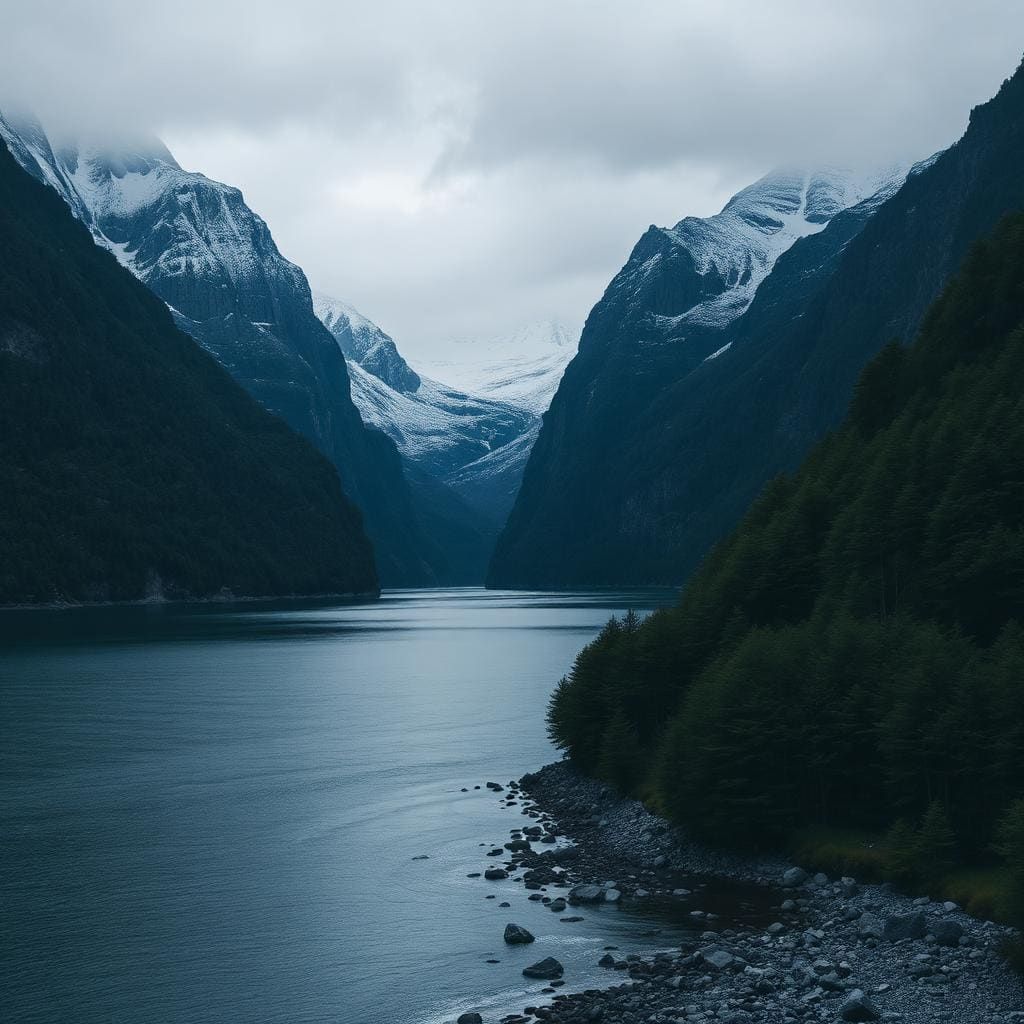
Big Bend National Park can support a memorable three-day basecamp because it combines chihuahuan desert, rio grande canyons, and isolated mountains with a large remote journey combining desert, river, and mountain ecosystems. This draft is a planning framework, not a fixed route: access, permits, water, weather, and closures must be rebuilt from the official source for the exact travel dates.
Trip at a glance: Build the weekend around hiking, backpacking, river trips, and camping, keep the first day low-commitment, reserve the strongest conditions for the primary objective, and protect the final day with a short exit plan. The central planning challenge is heat, water, border and river logistics, remote roads, and flash floods.
Why this destination works for a basecamp
The setting is chihuahuan desert, rio grande canyons, and isolated mountains. That gives travelers more than one way to experience the park without moving camp every night. A well-chosen base can support an orientation walk, a longer day objective, a weather alternative, and enough margin to learn how the place actually behaves.
The signature of the trip is a large remote journey combining desert, river, and mountain ecosystems. Keep that signature as the reason for going, but do not let it become an inflexible promise. The better plan protects the experience by having a simpler version available when visibility, wind, heat, water, transport, or group energy changes.
Who this trip fits
The overall range is intermediate to advanced. Beginners should select developed access, short objectives, and activities that do not require rescue or technical skills. Intermediate travelers can add longer days or backcountry components after confirming permits and current conditions. Advanced travelers still need local knowledge because unfamiliar terrain can make familiar skills less reliable.
A good group goal is not to complete every item on a list. It is to finish the trip with enough energy to handle a delay, help a partner, and drive or travel home safely.
A flexible three-day shape
Day 1: Arrive, orient, and test the systems
Arrive with enough daylight to find the legal site, confirm water and food storage, and complete a short orientation outing in chihuahuan desert, rio grande canyons, and isolated mountains. Use the first evening to compare the forecast with actual wind, temperature, visibility, insects, smoke, or water conditions. Do not spend the trip's risk budget on arrival day.
Day 2: Primary adventure day
Choose one objective centered on hiking, backpacking, river trips, and camping. Start early enough to preserve weather and daylight margin. Establish written turnaround triggers for the main challenge—heat, water, border and river logistics, remote roads, and flash floods—and carry a route or activity that can be shortened without improvising a new exit.
Day 3: Short objective and clean exit
Use the final morning for a short walk, paddle, wildlife-viewing period, or scenic stop that keeps the vehicle, ferry, shuttle, or flight schedule protected. Break camp with a food-and-trash sweep, a fire check where relevant, and enough time to address a missing item before leaving the area.
Booking and logistics checklist
- Read the current official Big Bend National Park website from the alerts page outward.
- Confirm entrance, timed-entry, campground, backcountry, tour, ferry, shuttle, boating, and special-activity requirements separately.
- Verify road, trail, launch, landing, and transport status for the exact dates.
- Confirm potable water or build a source-and-treatment plan with a backup.
- Check food storage, fire restrictions, human-waste rules, pet rules, and wildlife closures.
- Download maps and reservation records for offline use.
- Leave a trip plan with route, camps, vehicles, contacts, and escalation time.
Gear priorities
Start with the Ten Essentials, then add shelter and sleep insulation appropriate to the actual low, a food-storage system that meets local orders, sufficient water capacity, activity-specific safety equipment, and a communications plan that works beyond cellular service. For paddling, wear a properly fitted life jacket and dress for immersion. For snow, climbing, canyons, glaciers, or remote rivers, obtain formal instruction and specialized equipment rather than treating a packing list as competence.
The risk plan
The main planning challenge is heat, water, border and river logistics, remote roads, and flash floods. Convert that phrase into observable triggers. Examples include a wind limit, temperature or heat cutoff, water-level threshold, lightning timeline, transport deadline, smoke limit, wildlife closure, route-finding checkpoint, or group-health rule. Decide the response—modify, wait, relocate, or leave—before the trigger occurs.
Seasonal note: cooler months are favored for desert travel; river conditions vary. This is deliberately broad because a calendar month cannot replace the current alert, forecast, water, snow, fire, or transport report.
Leave the destination better protected
Use durable surfaces, respect closures, store food correctly, minimize campfire effects, keep distance from wildlife, pack out food scraps and micro-trash, and avoid publishing sensitive camps, nesting areas, cultural sites, or unofficial routes. A destination guide should distribute good decisions, not simply distribute traffic.
Frequently asked questions
How many days do I need for Big Bend National Park?
Three days can support a useful orientation trip when arrival and departure logistics are simple. Add days for remote transport, weather holds, major backcountry objectives, or activities that require instruction and permits.
Do I need reservations or permits for Big Bend National Park?
Possibly. Campgrounds, backcountry zones, timed entry, ferries, tours, river travel, and special activities may use separate systems. Verify every requirement on the official Big Bend National Park website immediately before booking and again before departure.
Is Big Bend National Park suitable for beginners?
The destination includes options described here as intermediate to advanced. Choose an objective below the least-experienced person's limit, obtain instruction for technical activities, and keep an easier weather-proof alternative.
Final planning note
This draft should not publish unchanged. Add a current on-location field note, at least one verified route or activity example appropriate to Big Bend National Park, exact permit and access links, and a local expert review. Remove any detail that cannot be confirmed for the publication date.
Sources and further reading
- Trip Planning Guide — Health & Safety — U.S. National Park Service
- Ten Essentials — U.S. National Park Service
- The Seven Principles — Leave No Trace
- Big Bend National Park — official site — U.S. National Park Service
Trip-planning disclaimer: Permits, reservations, access, weather, water, road conditions, closures, and local hazards change. Verify every logistical detail on the official land-manager website immediately before booking and departure.