


Top 10 · Places
Top 10 US National Parks for Backcountry Travel (2026)
Parks with real wilderness, honest permit systems, and country worth a week or more.
Updated September 2026 · 10 picks re-checked for availability and current spec, reader ratings refreshed live.
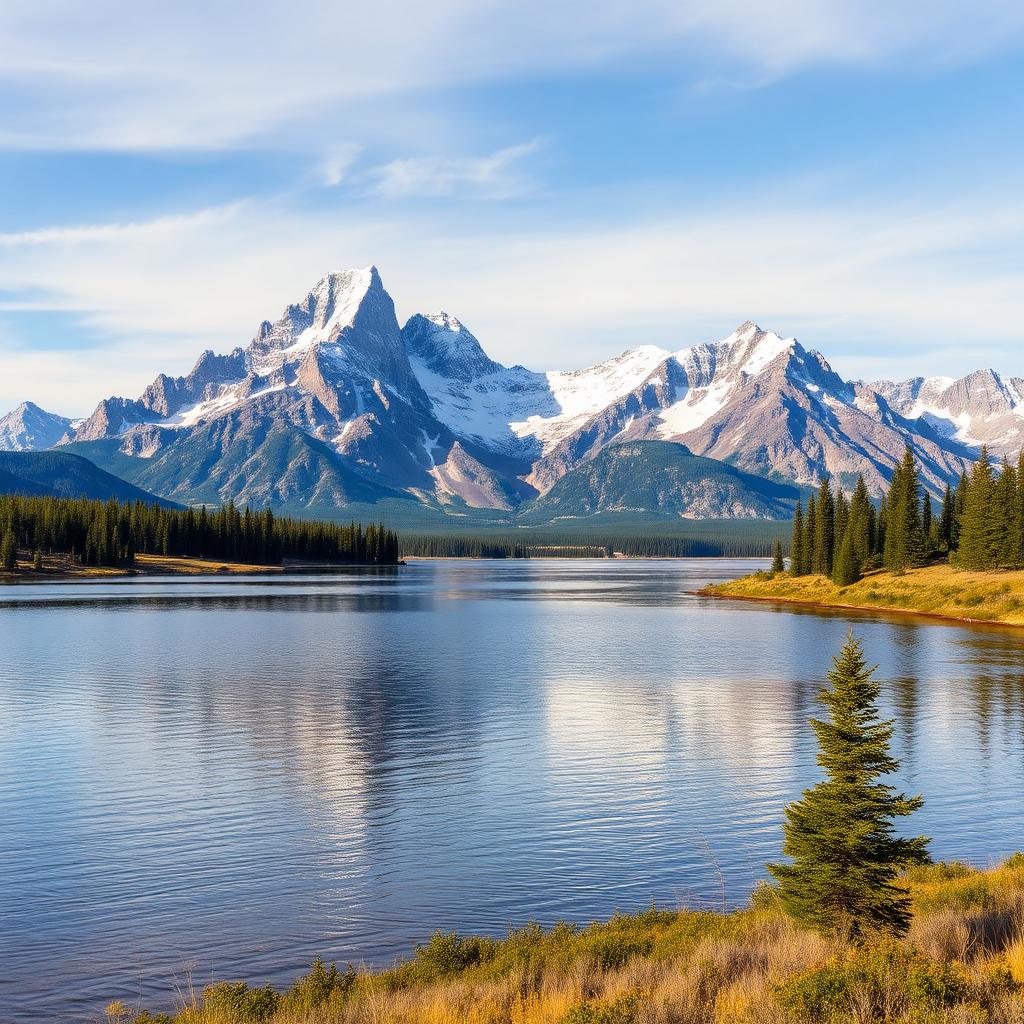
National parks vary wildly in how much backcountry they actually offer. This list favors parks where you can leave the roads behind for days, with permit systems that work for planners and real off-trail options for experienced trippers.
The short answer


Compare all 10 picks at a glance
Editorial ranking, what each pick is best at, and how we assessed it. Tap a name to jump to the full write-up.
| # | Pick | Best for | Key spec | Evidence |
|---|---|---|---|---|
| 1 | Wrangell–St. Elias Alaska | Multi-day mountaineering expeditions | Size: 13.2 million acres | Research only |
| 2 | Gates of the Arctic Alaska | Multi-day wilderness expeditions | Location: Northern Alaska, Brooks Range | Research only |
| 3 | Yellowstone Wyoming / Montana / Idaho | Multi-day backpacking trips | Location: Wyoming, Montana, Idaho | Research only |
| 4 | Olympic Washington | Long-distance thru-hiking | Location: Olympic Peninsula, Washington, USA | Research only |
| 5 | North Cascades Washington | Experienced Backpacking | Location: Northern Washington, USA | Research only |
| 6 | Isle Royale Michigan | Multi-day backpacking trips | Location: Michigan, Lake Superior | Research only |
| 7 | Big Bend Texas | Multi-day desert hiking | Location: West Texas, Chihuahuan Desert | Research only |
| 8 | Grand Canyon (Corridor and beyond) Arizona | Challenging multi-day hikes | Location: Northern Arizona, USA | Research only |
| 9 | Glacier Montana | Multi-day backpacking trips | Location: Northern Montana | Research only |
| 10 | Kings Canyon / Sequoia California | Multi-day alpine backpacking trips | Location: Central Sierra Nevada, California | Research only |
How we chose
We built this ranking from trip reports, agency data, permit records, and our editors' own time on the ground. 10 places made the final cut out of a much longer working list, and each one had to clear the same set of criteria before it earned a spot.
- Quality of the terrain
- Landscape, route variety, and whether the place rewards multiple days rather than one overlook.
- Season and weather windows
- How long the reliable window is, and how badly the shoulder seasons punish a bad forecast.
- Access and permits
- Trailhead logistics, permit odds, quotas, and how much lead time a trip realistically takes.
- Solitude vs. crowding
- How far you have to walk before the place feels like wilderness instead of a queue.
- Wildlife and ecology
- What you can reasonably expect to see, and what you have to plan around.
- Risk and skill required
- Navigation, water crossings, exposure, and rescue distance — stated plainly.
Best of the Best · Head to Head
Wrangell–St. Elias vs Gates of the Arctic
#1 vs #2 — side-by-side specs, pros & cons, and the final verdict.
Compare any two picks
Build your own side-by-side
Choose any two of these 10 picks and compare specs, price, pros, cons and reader ratings.
Topic summary
Parks with real wilderness, honest permit systems, and country worth a week or more.
Key takeaways
- #1 Wrangell–St. Elias — Alaska
- #2 Gates of the Arctic — Alaska
- #3 Yellowstone — Wyoming / Montana / Idaho
- #4 Olympic — Washington
- #5 North Cascades — Washington
- #6 Isle Royale — Michigan
Intended uses
Places
Verification notes
Editorial ranked list, 10 entries. Evidence mix — 10 research only. Buy links open the maker or a retailer search. Last reviewed September 2026.
Best us national parks for a specific job
Skip the ranking — jump to the pick that matches how you actually use it.
- Best for multi-day mountaineering expeditions
- #1 Wrangell–St. Elias — AlaskaThe largest US park — no established trails in most of it. True off-trail wilderness.Read the full profile
- Best for multi-day wilderness expeditions
- #2 Gates of the Arctic — AlaskaNo roads, no trails, no facilities. Genuine expedition park.Read the full profile
- Best for multi-day backpacking trips
- #3 Yellowstone — Wyoming / Montana / IdahoVast backcountry beyond the geyser basins — thermal features, bison, and real solitude.Read the full profile
- Best for long-distance thru-hiking
- #4 Olympic — WashingtonThree ecosystems in one park: coastal, rainforest, and alpine. Excellent backcountry permit system.Read the full profile
- Best for experienced backpacking
- #5 North Cascades — Washington'America's Alps' — glaciated peaks, quiet valleys, minimal crowds even in summer.Read the full profile
- Best for multi-day desert hiking
- #7 Big Bend — TexasChihuahuan desert, Rio Grande canyon paddling, and quiet mountain hiking.Read the full profile
- Best for challenging multi-day hikes
- #8 Grand Canyon (Corridor and beyond) — ArizonaCorridor for first trips, side canyons for real solitude. Water logistics dominate planning.Read the full profile
- Best for multi-day alpine backpacking trips
- #10 Kings Canyon / Sequoia — CaliforniaHigh Sierra wilderness with less foot traffic than Yosemite. JMT and Rae Lakes country.Read the full profile
Our editors test the gear, pick the ten, and set the order the day a list publishes. After that, the ranking is live: every member star rating feeds the community order, so picks climb or slide as real owners report back. Editorial judgment decides what earns a spot — you help decide where it sits.
- Editors set the field
Hands-on testing and spec research choose the ten and the published order.
- Readers re-rank it
Your 1–5 star ratings drive the community order on every list.
- Rankings keep moving
Picks rise or fall over time — nothing is frozen at launch day.
Rank this list
Loading community ratings… Ratings re-order the picks — they never change which products make the list.
Sign in to add your own ratings — it's free.
- Pros
- Unparalleled true wilderness experience and solitude
- Massive scale and diverse, dramatic landscapes
- Abundant and varied wildlife viewing opportunities
- Unlimited options for self-guided expedition planning
- Opportunity for deep immersion in an untouched ecosystem
Cons- Extreme remoteness demands advanced wilderness skills
- Significant logistical challenges and high costs for access
- Rapidly changing, unpredictable weather conditions
- No cell service and very limited emergency infrastructure
- Heavy bug pressure in summer can be relentless
Key features- Size
- 13.2 million acres
- State
- Alaska
- Designation
- National Park and Preserve
- Highest Peak
- Mount St. Elias (18,008 ft)
- Established
- 1980
Best forMulti-day mountaineering expeditions, Advanced backpacking trips, River rafting and packrafting, Wildlife photography, Remote scientific research
Pros- Unparalleled true wilderness experience and solitude
- Massive scale and diverse, dramatic landscapes
- Abundant and varied wildlife viewing opportunities
- Unlimited options for self-guided expedition planning
- Opportunity for deep immersion in an untouched ecosystem
Cons- Extreme remoteness demands advanced wilderness skills
- Significant logistical challenges and high costs for access
- Rapidly changing, unpredictable weather conditions
- No cell service and very limited emergency infrastructure
- Heavy bug pressure in summer can be relentless
Assessed by Adele Marchetti against our ranking criteria.No ratings yet - Pros
- Unparalleled wilderness solitude and pristine Arctic landscape
- Genuine expedition experience, true self-reliance required
- Exceptional wildlife viewing opportunities, especially caribou
- Diverse terrain from boreal forest to glaciated peaks
- Opportunity for unique packrafting and hiking combinations
Cons- Extremely high cost due to air taxi access
- No established trails or facilities, demanding navigation skills
- High inherent risks: bears, swift rivers, unpredictable weather
- Slow and physically demanding travel over challenging terrain
- Abundant mosquitoes during summer months
Key features- Size
- 8.4 million acres
- Location
- Northern Alaska, Brooks Range
- Access
- Bush plane primarily
- Designation
- National Park and Preserve
- Key Feature
- No roads, no trails, no facilities
- Nearest Town
- Fairbanks (gateway)
Best forMulti-day wilderness expeditions, Advanced backpacking trips, Packrafting or canoeing journeys, Wildlife photography and observation, Technical mountaineering in the Arrigetch Peaks
Pros- Unparalleled wilderness solitude and pristine Arctic landscape
- Genuine expedition experience, true self-reliance required
- Exceptional wildlife viewing opportunities, especially caribou
- Diverse terrain from boreal forest to glaciated peaks
- Opportunity for unique packrafting and hiking combinations
Cons- Extremely high cost due to air taxi access
- No established trails or facilities, demanding navigation skills
- High inherent risks: bears, swift rivers, unpredictable weather
- Slow and physically demanding travel over challenging terrain
- Abundant mosquitoes during summer months
Assessed by Adele Marchetti against our ranking criteria.No ratings yet - Pros
- Unparalleled solitude in vast wilderness areas
- Unique geothermal features deep in the backcountry
- Exceptional wildlife viewing opportunities
- Diverse ecosystems and challenging terrain
- Opportunity for multi-day, immersive trips
Cons- Crowds at popular trailheads and access points
- Competitive permit system for desirable campsites
- Active grizzly bear population requires vigilance
- Rapidly changing weather and potential for snow year-round
Key features- Size
- 2.2 million acres
- Location
- Wyoming, Montana, Idaho
- Established
- March 1, 1872
- Terrain
- Volcanic plateaus, mountains, forests, rivers
- Wildlife
- Bison, elk, bears, wolves
- Permits
- Required for all overnight stays
Best forMulti-day backpacking trips, Wildlife photography, Geothermal feature exploration, Remote wilderness immersion, Fly fishing in backcountry streams
Pros- Unparalleled solitude in vast wilderness areas
- Unique geothermal features deep in the backcountry
- Exceptional wildlife viewing opportunities
- Diverse ecosystems and challenging terrain
- Opportunity for multi-day, immersive trips
Cons- Crowds at popular trailheads and access points
- Competitive permit system for desirable campsites
- Active grizzly bear population requires vigilance
- Rapidly changing weather and potential for snow year-round
Assessed by Adele Marchetti against our ranking criteria.No ratings yet - Pros
- Unparalleled ecosystem diversity: coast, rainforest, mountains in one park
- Excellent, well-managed backcountry permit system for predictable planning
- Opportunities for true wilderness solitude, despite overall popularity
- Iconic old-growth forests and unique coastal geology
- Good range of difficulty from accessible coastal walks to challenging alpine routes
Cons- Weather can be extremely unpredictable, especially in the rainforest and mountains
- Mosquitoes and biting insects are prevalent in summer, particularly near water
- Popular trailheads can be very crowded during peak season and holidays
- Road access to some trailheads can be long and unpaved, requiring higher clearance
Key features- Location
- Olympic Peninsula, Washington, USA
- Area
- 922,650 acres
- Ecosystems
- Coastal, Temperate Rainforest, Alpine
- Highest Point
- Mount Olympus (7,965 ft)
- Designation
- National Park, UNESCO World Heritage Site
- Primary Access
- US-101 loop around the peninsula
Best forLong-distance thru-hiking, Ecosystem diversity studies, Coastal backpacking, Temperate rainforest immersion, Alpine lake camping
Pros- Unparalleled ecosystem diversity: coast, rainforest, mountains in one park
- Excellent, well-managed backcountry permit system for predictable planning
- Opportunities for true wilderness solitude, despite overall popularity
- Iconic old-growth forests and unique coastal geology
- Good range of difficulty from accessible coastal walks to challenging alpine routes
Cons- Weather can be extremely unpredictable, especially in the rainforest and mountains
- Mosquitoes and biting insects are prevalent in summer, particularly near water
- Popular trailheads can be very crowded during peak season and holidays
- Road access to some trailheads can be long and unpaved, requiring higher clearance
Assessed by Adele Marchetti against our ranking criteria.No ratings yet - Pros
- Exceptional solitude and minimal crowds even in peak season
- Stunning alpine scenery with abundant glaciers and jagged peaks
- Challenging terrain provides a true wilderness experience
- Diverse ecosystems from deep forests to high alpine zones
- Opportunity for extensive multi-day backpacking and climbing
Cons- Short backcountry season due to heavy snowpack
- Difficult access; main highway closed for much of the year
- Weather can be highly unpredictable and harsh
- Requires advanced navigation and outdoor skills
- Limited cell service; remote and self-reliant travel is essential
Key features- Size
- 504,000 acres
- Location
- Northern Washington, USA
- Designation
- National Park Complex (NPS)
- Glaciers
- Over 300 active glaciers
- Nearest Town
- Sedro-Woolley, Marblemount
- Terrain
- Rugged, glaciated, alpine
Best forExperienced Backpacking, Alpine Climbing, Wilderness Immersion, Glacier Viewing, Solitude Seeking
Pros- Exceptional solitude and minimal crowds even in peak season
- Stunning alpine scenery with abundant glaciers and jagged peaks
- Challenging terrain provides a true wilderness experience
- Diverse ecosystems from deep forests to high alpine zones
- Opportunity for extensive multi-day backpacking and climbing
Cons- Short backcountry season due to heavy snowpack
- Difficult access; main highway closed for much of the year
- Weather can be highly unpredictable and harsh
- Requires advanced navigation and outdoor skills
- Limited cell service; remote and self-reliant travel is essential
Assessed by Adele Marchetti against our ranking criteria.No ratings yet - Pros
- Unparalleled isolation and true wilderness experience
- Unique wolf-moose ecosystem study destination
- Excellent for both backpacking and canoe/kayak camping
- Stunning boreal forest and Great Lakes scenery
- Well-maintained, though rugged, trail network
Cons- Difficult and time-consuming access via ferry or plane
- Unpredictable and often harsh Lake Superior weather
- Intense insect pressure possible early in the season
- Limited emergency services and self-sufficiency required
Key features- Location
- Michigan, Lake Superior
- Access
- Ferry (MI or MN), Seaplane (MI)
- Primary Activity
- Backpacking, Canoe/Kayak Camping
- Wildlife
- Moose, Wolves, Beaver, Fox, Birds
- Best Season
- June to early September
- Typical Trip Length
- 4-10 days
Best forMulti-day backpacking trips, Canoe camping on inland lakes, Sea kayaking expeditions, Wildlife observation (moose, wolves), Disconnecting from modern life
Pros- Unparalleled isolation and true wilderness experience
- Unique wolf-moose ecosystem study destination
- Excellent for both backpacking and canoe/kayak camping
- Stunning boreal forest and Great Lakes scenery
- Well-maintained, though rugged, trail network
Cons- Difficult and time-consuming access via ferry or plane
- Unpredictable and often harsh Lake Superior weather
- Intense insect pressure possible early in the season
- Limited emergency services and self-sufficiency required
Assessed by Adele Marchetti against our ranking criteria.No ratings yet - Pros
- Unparalleled solitude and vast wilderness
- Incredible diversity of desert, mountain, and river ecosystems
- Stunning night skies with minimal light pollution
- Unique geology and cultural history
- Excellent for experienced, self-reliant adventurers
Cons- Extreme temperatures and limited water sources
- Remote location requires significant travel planning
- Rough roads often require high-clearance vehicles
- Limited cell service and potential for hazards
Key features- Size
- Over 800,000 acres
- Location
- West Texas, Chihuahuan Desert
- Primary Terrain
- Desert, mountains, river canyon
- Best Seasons
- Fall, Winter, Spring
- Established
- 1944
- Iconic Feature
- Rio Grande, Chisos Mountains
Best forMulti-day desert hiking, Remote river paddling trips, Winter backpacking, Stargazing
Pros- Unparalleled solitude and vast wilderness
- Incredible diversity of desert, mountain, and river ecosystems
- Stunning night skies with minimal light pollution
- Unique geology and cultural history
- Excellent for experienced, self-reliant adventurers
Cons- Extreme temperatures and limited water sources
- Remote location requires significant travel planning
- Rough roads often require high-clearance vehicles
- Limited cell service and potential for hazards
Assessed by Adele Marchetti against our ranking criteria.No ratings yet - Pros
- Unparalleled scenery and geological wonder
- Well-established trails for introductory backcountry trips
- Opportunities for true solitude in side canyons
- Unique desert and riparian ecosystems
- Challenging elevation profiles for rewarding efforts
Cons- Extreme heat in summer, demanding water logistics
- Corridor trails can be very crowded
- Backcountry permits are highly competitive
- Steep descents and ascents are physically demanding
- Limited natural water sources require careful planning
Key features- Location
- Northern Arizona, USA
- Primary Access
- South Rim (year-round), North Rim (seasonal)
- Elevation Change
- Up to 5000 ft (rim to river)
- Key Trails
- Bright Angel, South Kaibab, North Kaibab
- Water Availability
- Highly seasonal; often piped, not natural
- Permits
- Required for all overnight stays
Best forChallenging multi-day hikes, Winter and shoulder season trips, Geology and photography focus, Introductory desert backpacking, Solitude seekers (beyond Corridor)
Pros- Unparalleled scenery and geological wonder
- Well-established trails for introductory backcountry trips
- Opportunities for true solitude in side canyons
- Unique desert and riparian ecosystems
- Challenging elevation profiles for rewarding efforts
Cons- Extreme heat in summer, demanding water logistics
- Corridor trails can be very crowded
- Backcountry permits are highly competitive
- Steep descents and ascents are physically demanding
- Limited natural water sources require careful planning
Assessed by Adele Marchetti against our ranking criteria.No ratings yet - Pros
- Unparalleled wilderness immersion in the Northern Rockies
- Stunning alpine scenery with abundant glacial lakes and peaks
- High likelihood of diverse wildlife viewing, including large mammals
- Extensive trail network for multi-day expeditions
- True escape from front-country crowds
Cons- Highly competitive and difficult to secure backcountry permits
- Short weather window and unpredictable mountain conditions
- Grizzly country requires constant vigilance and preparedness
- Significant elevation gain and strenuous trail conditions
Key features- Location
- Northern Montana
- Terrain
- Glaciated mountains, alpine meadows, dense forests
- Dominant Wildlife
- Grizzly bears, black bears, moose, mountain goats
- Best Season
- Late July - Early September
- Permits
- Required for all overnight backcountry stays
Best forMulti-day backpacking trips, Experienced wilderness trekkers, Wildlife photography, Solitude seekers
Pros- Unparalleled wilderness immersion in the Northern Rockies
- Stunning alpine scenery with abundant glacial lakes and peaks
- High likelihood of diverse wildlife viewing, including large mammals
- Extensive trail network for multi-day expeditions
- True escape from front-country crowds
Cons- Highly competitive and difficult to secure backcountry permits
- Short weather window and unpredictable mountain conditions
- Grizzly country requires constant vigilance and preparedness
- Significant elevation gain and strenuous trail conditions
Assessed by Adele Marchetti against our ranking criteria.No ratings yet - Pros
- Stunning high alpine scenery, rivaling Yosemite's
- Fewer crowds than other popular Sierra parks
- Extensive network of long-distance trails
- Opportunity for true solitude in remote areas
- Home to iconic giant sequoia groves
Cons- Permits are highly competitive for popular routes
- Significant elevation gain and loss on most trails
- Road access limited seasonally by snow
- Limited resupply options within the park backcountry
- Afternoon thunderstorms are common in summer
Key features- Location
- Central Sierra Nevada, California
- Terrain
- High alpine, granite peaks, deep canyons, sequoia groves
- Best Season
- July to mid-September
- Elevation
- 4,000 ft to over 14,000 ft
- Key Trails
- JMT, PCT, Rae Lakes Loop
- Crowd Level
- Moderate (permits limit numbers)
Best forMulti-day alpine backpacking trips, Section hiking the JMT/PCT, Experienced wilderness travelers, Solitude seekers, High elevation photography
Pros- Stunning high alpine scenery, rivaling Yosemite's
- Fewer crowds than other popular Sierra parks
- Extensive network of long-distance trails
- Opportunity for true solitude in remote areas
- Home to iconic giant sequoia groves
Cons- Permits are highly competitive for popular routes
- Significant elevation gain and loss on most trails
- Road access limited seasonally by snow
- Limited resupply options within the park backcountry
- Afternoon thunderstorms are common in summer
Assessed by Adele Marchetti against our ranking criteria.No ratings yet




Award picks
The ranking above is price-blind and judged on merit. These awards call out the pick we'd hand a specific person with a specific need.
The largest US park — no established trails in most of it.
Ranked #1No roads, no trails, no facilities.
Ranked #2Vast backcountry beyond the geyser basins — thermal features, bison, and real solitude.
Ranked #3Three ecosystems in one park: coastal, rainforest, and alpine.
Ranked #4'America's Alps' — glaciated peaks, quiet valleys, minimal crowds even in summer.
Ranked #5Ferry-in wilderness island.
Ranked #6How to choose between these us national parks
Every pick on this page was judged against the same criteria. If you want the short answer, Wrangell–St. Elias by Alaska is the one we point most people at. If you want to decide for yourself, here is what actually separates a good us national park from an expensive one.
Quality of the terrain
Landscape, route variety, and whether the place rewards multiple days rather than one overlook.
Season and weather windows
How long the reliable window is, and how badly the shoulder seasons punish a bad forecast.
Access and permits
Trailhead logistics, permit odds, quotas, and how much lead time a trip realistically takes.
Solitude vs. crowding
How far you have to walk before the place feels like wilderness instead of a queue.
Wildlife and ecology
What you can reasonably expect to see, and what you have to plan around.
Risk and skill required
Navigation, water crossings, exposure, and rescue distance — stated plainly.
Match the trip to your season and skill
The right us national parks depends on what you are actually doing with it: Multi-day mountaineering expeditions; Advanced backpacking trips; River rafting and packrafting; Wildlife photography; Remote scientific research; Multi-day wilderness expeditions. Start from the use case, then work down the ranking until you hit the first pick that covers it.
Common mistakes
- Booking travel before checking permit windows and quota draw dates.
- Planning peak-season mileage without a weather-day buffer.
- Assuming an access road or ferry runs year-round.
- Ignoring local fire, bear, and camping regulations for the unit you are entering.
Frequently asked questions
- What is the best us national parks in 2026?
- Wrangell–St. Elias by Alaska takes the top spot. The largest US park — no established trails in most of it.
- How did The Wild10 choose and rank these us national parks?
- We judged every pick against the same criteria — quality of the terrain, season and weather windows, access and permits, solitude vs. crowding — and ranked them on merit regardless of price. Parks with real wilderness, honest permit systems, and country worth a week or more.
- Which of these us national parks is easiest to plan on a budget?
- Kings Canyon / Sequoia by California — High Sierra wilderness with less foot traffic than Yosemite.
- Wrangell–St. Elias vs Gates of the Arctic — which should I pick?
- Wrangell–St. Elias ranks first: The largest US park — no established trails in most of it. Gates of the Arctic is the close second: No roads, no trails, no facilities. Our full head-to-head compares them side by side.
- How often is this list updated?
- We review this ranking on a rolling basis and update it whenever a pick is discontinued, meaningfully revised, or beaten by something new. Rankings are editorial — brands do not see them before publication and affiliate links never change the order.
Get The Field List
One short, honest email a week: gear we actually trust, planning guides, and survival-TV coverage. Free, unsubscribe anytime.