


Alaska. The word itself conjures images of vast wilderness, towering peaks, and unparalleled adventure. For many, it also brings to mind hefty price tags, guided tours, and crowded cruise ships. But what if you crave the authentic Alaskan experience without mortgaging your future? It's entirely possible. Ditch the guided Denali bus tours and exorbitant fishing charters. With a bit of planning and a willingness to do it yourself, Alaska becomes surprisingly accessible.
This isn't about cutting corners on safety or preparedness, but rather about leveraging public lands, understanding local resources, and embracing self-sufficiency. Alaska rewards those who put in the effort.
Paddle the Alaska Marine Highway System
Forget the luxury cruise liner. The Alaska Marine Highway System (AMHS) is a working ferry system, and it's one of the best kept secrets for budget-conscious adventurers. You can bring your own kayak or canoe, or even just your backpacking gear, and explore coastal communities and wilderness areas that are otherwise incredibly difficult and expensive to access. The ferries run year-round, connecting communities from Bellingham, Washington, all the way to Dutch Harbor.
- Route Planning: Study the AMHS schedule and choose a segment that aligns with your interests. The Inside Passage from Bellingham to Haines/Skagway is a classic, but don't overlook shorter hops between towns in Southeast Alaska.
- Deck Passage: The cheapest ticket is "deck passage," which means you sleep on the deck (under cover, often in heated solariums) in your sleeping bag. Set up a tent, hang a hammock, or just roll out your pad. It's a community experience and often quite social.
- Resupply: Research towns along your route for groceries, water, and fuel if you're cooking. Many communities have small stores or even co-ops.
- Shore Excursions: Disembark at remote stops for day hikes or multi-day paddles into pristine wilderness. Be sure to check ferry schedules carefully to ensure you catch your next connection.
Hike and Camp in State Parks and National Forests
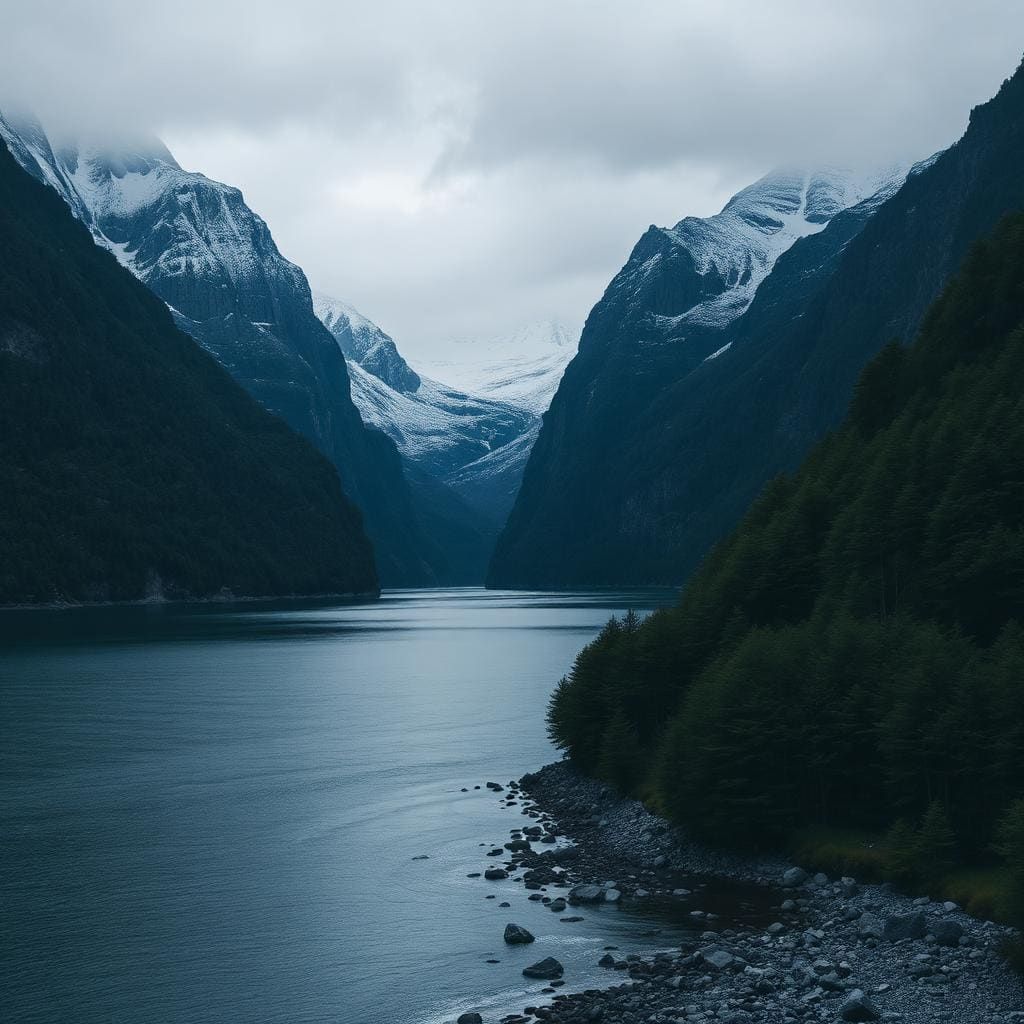
While the National Parks get all the press and crowds, Alaska's State Parks and National Forests offer incredible backcountry opportunities, often with far fewer people and lower costs. Chugach National Forest, for example, is easily accessible from Anchorage and offers a lifetime of hiking, fishing, and camping.
- Chugach State Park: Just outside Anchorage, this vast park provides immediate access to mountains, glaciers, and wildlife. Trails range from easy day hikes to challenging multi-day traverses. Backcountry permits are often free or very inexpensive.
- Tongass National Forest: Covering most of Southeast Alaska, the Tongass is the largest national forest in the US. It's a temperate rainforest environment, offering incredible paddling, fishing, and hiking amongst ancient trees. Many public use cabins are available for rent at reasonable rates (book well in advance).
- Bureau of Land Management (BLM) Lands: The BLM manages vast tracts of land in interior and western Alaska, offering dispersed camping and hunting opportunities. Always check local regulations and fire restrictions.
- Cabin Rentals: Public use cabins managed by the US Forest Service, BLM, and Alaska State Parks are an excellent budget option. They often come equipped with bunks, a table, and a woodstove, providing a warm, dry basecamp for exploration.
DIY Hunting and Fishing
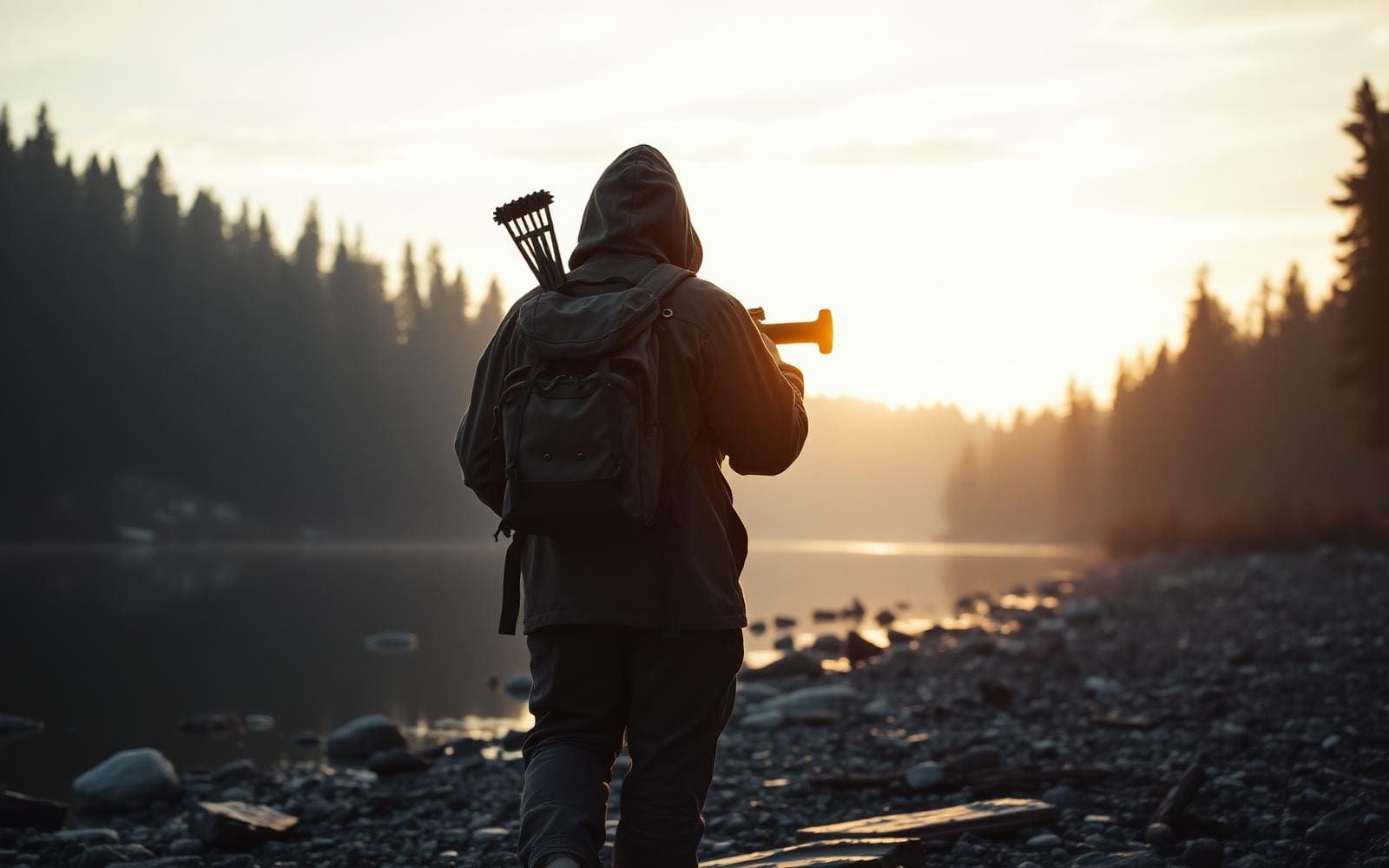
Alaska is a hunter's and angler's paradise, but guided trips quickly become prohibitive. With careful planning, research, and a commitment to self-reliance, you can pursue your own Alaskan harvest.
- Understand Regulations: This is paramount. Alaska Department of Fish and Game (ADF&G) regulations are complex and change annually. Purchase licenses and tags well in advance and study the regulations thoroughly for your chosen species and Game Management Unit (GMU).
- Access: Consider areas accessible by road system or via the AMHS. Bush planes are fantastic but expensive. For big game, look into areas accessible by ATV, boat, or extended backpacking trips from roadheads.
- Gear: Invest in reliable, cold-weather appropriate gear. Quality optics, navigation tools (GPS, map, compass), and a durable pack are essential. Practice with your rifle or bow extensively before your trip.
- Processing and Transport: Plan how you will field dress, quarter, and transport your game. This is often the biggest logistical challenge for a DIY hunt. Coolers, game bags, and a vehicle capable of hauling weight are critical.
- Fishing: Coastal communities often have public docks or easily accessible shorelines for fishing salmon, halibut, and bottom fish. Freshwater fishing for trout and grayling is abundant in roadside rivers and lakes. A collapsible pack raft can open up many more fishing opportunities.
Alaska isn't just for the wealthy. It's for the prepared, the resourceful, and those willing to trade luxury for authenticity. By embracing the DIY spirit, you can unlock incredible adventures and create memories that will last a lifetime, all without breaking the bank.