


What Happened
Episode 7, titled "Echoes of Emptiness," lived up to its name, as the isolation and mounting pressures of the wilderness continued to take their toll on the remaining contestants. Two more participants made the decision to tap out, bringing the field down further and underscoring the relentless nature of the Alone challenge.
Dug North was the first to exit. On day 14, he experienced a fainting spell, a concerning physical event that prompted a medical check-in. Given the remote conditions and the inherent risks of such an incident occurring alone, Dug made the call to tap out, prioritizing his health and safety. The wilderness offers little margin for error, and any significant medical event often necessitates an exit.
Shortly after, Douglas S. Meyer also decided to withdraw from the competition, also on day 14. His decision was a confluence of factors: persistent wet weather conditions contributing to discomfort and potential health risks, coupled with deep-seated worry over his father's cancer diagnosis. The psychological burden of family concerns, amplified by extreme isolation, can be as debilitating as any physical ailment. Douglas's situation highlights how the mental game is often the most critical aspect of long-term wilderness survival.
Who Is Under Pressure
At this stage, every remaining contestant is under immense pressure. The mental battle against isolation and the psychological weight of the challenge are increasingly prominent themes. The cold and damp conditions mentioned by Douglas are also a universal challenge, making it difficult to maintain core body temperature, dry gear, and preserve morale.
Participants who are struggling with consistent calorie intake or those whose shelters are not fully robust against the elements will face escalating difficulties. Any contestant whose psychological resilience is wavering, or who has a deeply personal concern outside of the challenge, like Douglas, will find the internal struggle intensifying. The show's premise inherently puts pressure on everyone, but those with pre-existing stressors or physical vulnerabilities are at heightened risk.
Gear That Mattered
While no specific gear was cited as directly causing a tap-out in this episode, the general utility of reliable equipment cannot be overstated. For Dug, the lack of medical monitoring in such an isolated environment made a fainting spell a serious event, underscoring the critical importance of a robust emergency communication device (often a satellite communicator) for medical evacuation or support. This gear, though not for survival, is essential for safety in a competition of this nature.
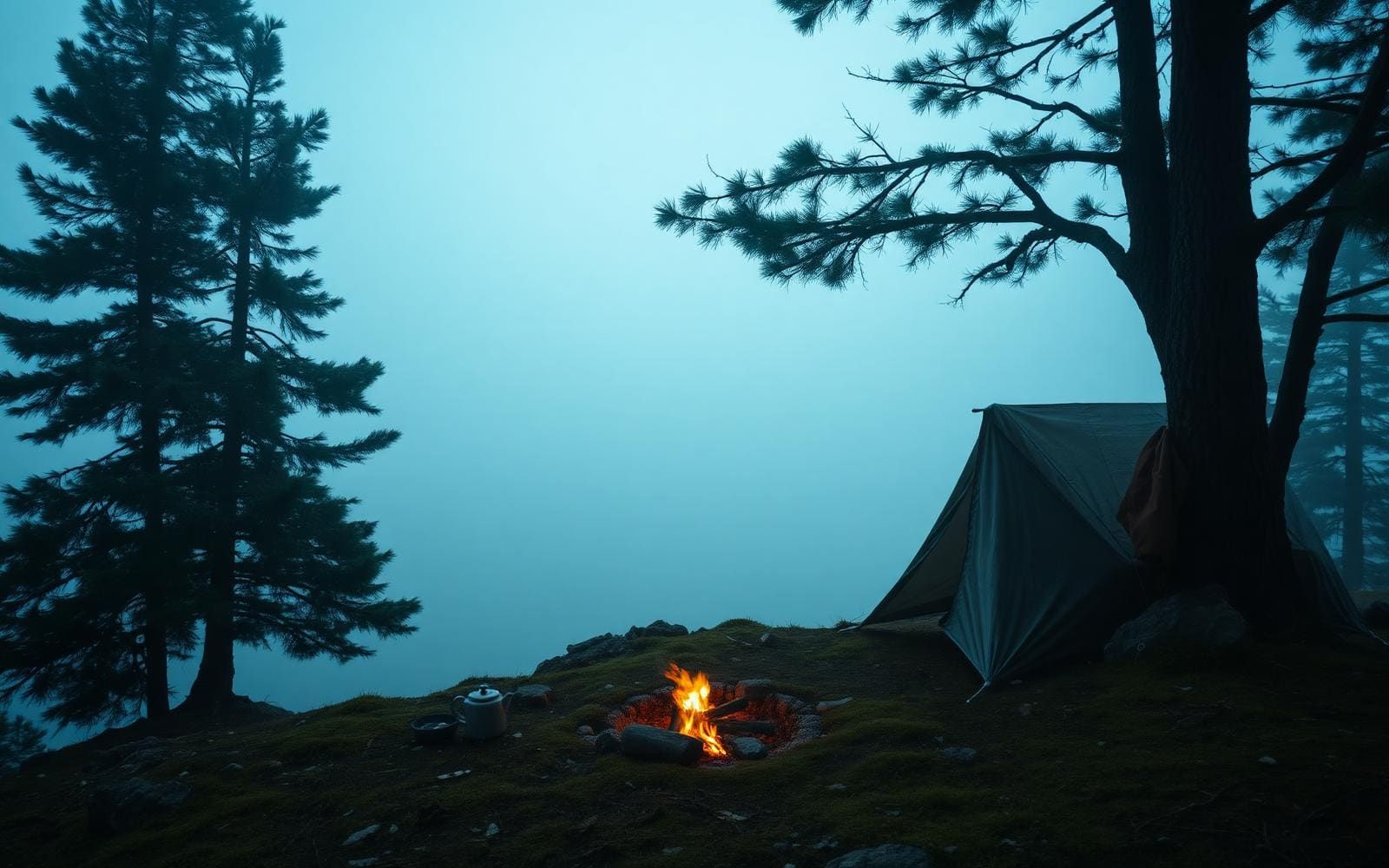
For Douglas, enduring wet weather suggests the critical importance of effective waterproofing in clothing and shelter materials. A well-constructed, dry shelter and reliable rain gear are fundamental in preventing hypothermia and maintaining morale in persistently damp conditions. The psychological impact of being perpetually cold and wet can erode even the strongest resolve. Items like a quality tarp, durable waterproof jacket, and effective fire-starting tools for drying clothes become paramount in such environments.
Standings
With the departures of Dug North and Douglas S. Meyer, the field has further narrowed. The precise number of remaining contestants is not specified, but the competition moves forward with a smaller, more resilient group, each individual facing the accumulating mental and physical demands of the challenge. The contest for the season's prize continues among those who have thus far withstood the trials.
Bottom Line
Episode 7 served as a stark reminder that the Alone challenge tests not only physical endurance and wilderness skills but, perhaps most profoundly, mental fortitude. Both exits were driven by critical, yet distinct, pressures: Dug's by an immediate health concern, and Douglas's by a combination of environmental hardship and the heavy emotional burden of external family worries. The psychological game intensifies significantly past the two-week mark, with isolation magnifying every discomfort and concern. As the season progresses, expect the mental and emotional aspects of survival to become even more central to who remains in the competition. Effective shelter, consistent fire, and resilient personal psychology are proving to be the most valuable assets.
Build the kit you just watched
Every item below is ranked from field use — no filler, no budget picks.
- The 10 items, rankedWhat actually survives 100 days — our tested picks for every slot on the list.
- Best bushcraft axesThe axe is the highest-leverage pick in the game. Here are the ones worth the weight.
- Best bushcraft knivesEvery winner carried one. These are the fixed blades that hold up to a full season.
- What the winners carriedSeason-by-season loadout analysis of every Alone champion.