



Top 10 · Gear
Top 10 Rain Jackets & Pants for Real Weather (2026)
Hardshells and traditional cottons that actually keep you working in sustained rain.
Updated September 2026 · 10 picks re-checked for availability and current spec, reader ratings refreshed live.
Truly waterproof gear falls into two camps: modern breathable membranes (fast, packable, expensive) and traditional oiled or ventile cotton (heavier, longer lifespan, quieter). Both work; the right choice depends on how long you're out and how hard you are moving. Sized for a base + insulation layer underneath is non-negotiable.
The short answer


Compare all 10 picks at a glance
Editorial ranking, what each pick is best at, and how we assessed it. Tap a name to jump to the full write-up.
| # | Pick | Best for | Key spec | Evidence |
|---|---|---|---|---|
| 1 | Yukon TR Rain Jacket & Pant KUIU | Backcountry hunting in wet conditions | Waterproofing: 3-layer Toray Membrane | Research only |
| 2 | Beta AR / Beta LT Arc'teryx | Mountaineering and ice climbing | Maker: Arc'teryx | Research only |
| 3 | Torrentshell 3L Patagonia | Hiking and Backpacking | Maker: Patagonia | Research only |
| 4 | Traverse Jacket & Pant Lundhags | Multi-day backpacking | Maker: Lundhags | Research only |
| 5 | Halkon-Anorak / Sarek Anorak Fjällräven | Bushcraft and wilderness living | Maker: Fjällräven | Research only |
| 6 | Guide Jacket (Bison Ventile) Hilltrek | Wildlife photography | Material: Double Ventile Cotton | Research only |
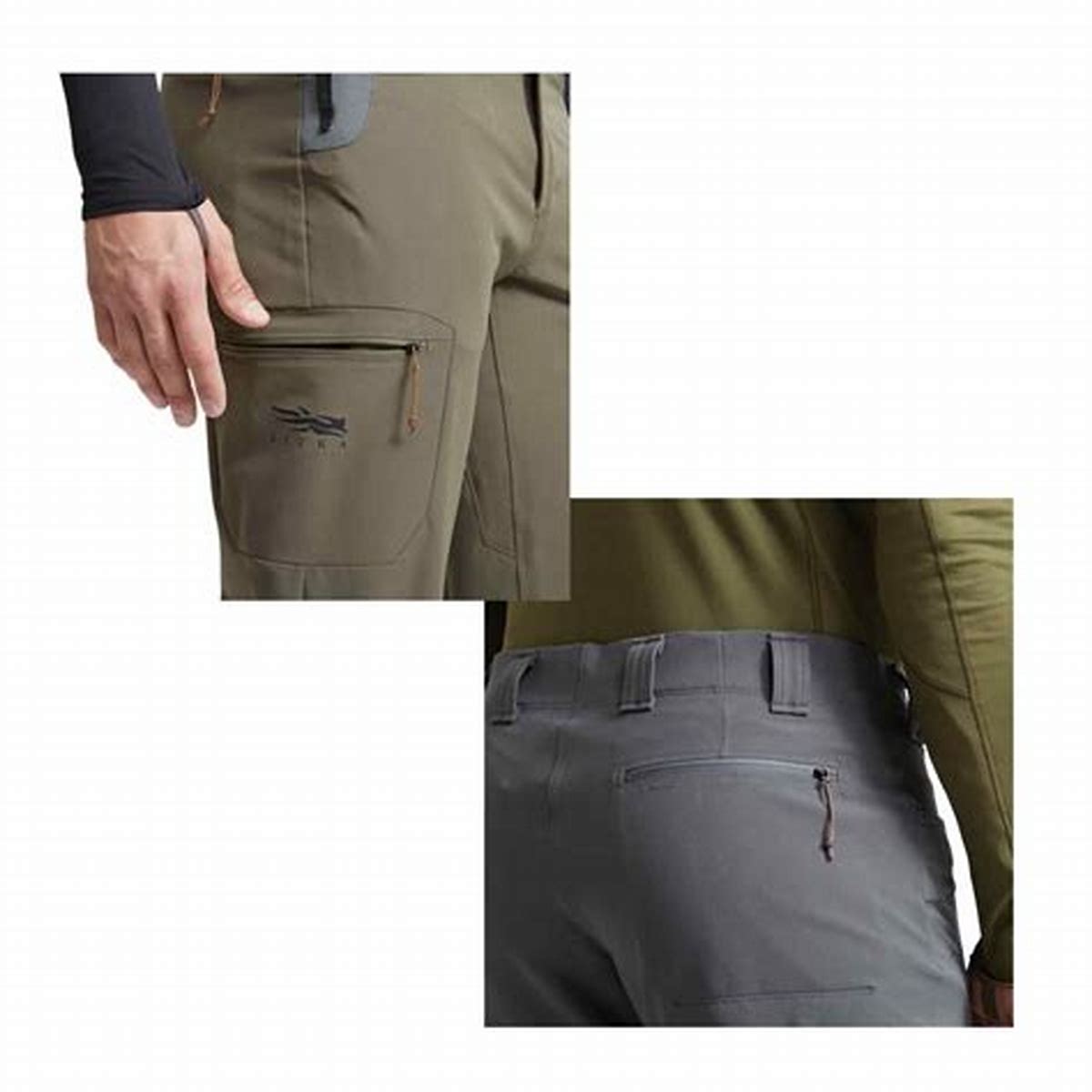
| 7 | Stikine Rain Jacket & Pant Sitka | Still-hunting in wet weather | Maker: Sitka | Research only |
| 8 | Rainbird Poncho / Silnylon Poncho-Tarp Various | Ultralight backpacking | Type: Rain Poncho / Tarp | Research only |
| 9 | Guide's Jacket (waxed cotton) Filson | Fishing and hunting | Material: 12.5-oz. Oil Finish Waxed Cotton | Research only |
| 10 | Storm Anorak Snugpak | Hunting and fishing in wet conditions | Material: Paratex Dry polyester | Research only |
How we chose
We started with a long list of rain gear that people actually buy, cut anything that could not clear our baseline for durability and field performance, then ranked the 10 that were left against the same criteria. Rankings are editorial. No brand pays for placement, and affiliate links never move a pick up or down.
- Fabric behavior over time
- Breathability, DWR life, loft retention, and how the piece performs after repeated washing.
- Real-world durability
- How the material, stitching, or steel holds up after a season of hard use — not how it looks new.
- Performance in bad conditions
- Wind, rain, cold, and grit are the test. Anything that only works on a nice day gets marked down.
- Weight and packability
- Every ounce has to earn its place in the pack, but not at the cost of something that fails in the field.
- Ease of use
- Setup, adjustment, and maintenance with cold hands, in the dark, without the manual.
- Value at its price point
- Compared against the closest competitors in the same tier, not against cheaper gear in a different class.
Best of the Best · Head to Head
Yukon TR Rain Jacket & Pant vs Beta AR / Beta LT
#1 vs #2 — side-by-side specs, pros & cons, and the final verdict.
Compare any two picks
Build your own side-by-side
Choose any two of these 10 picks and compare specs, price, pros, cons and reader ratings.
Topic summary
Hardshells and traditional cottons that actually keep you working in sustained rain.
Key takeaways
- #1 Yukon TR Rain Jacket & Pant — KUIU
- #2 Beta AR / Beta LT — Arc'teryx
- #3 Torrentshell 3L — Patagonia
- #4 Traverse Jacket & Pant — Lundhags
- #5 Halkon-Anorak / Sarek Anorak — Fjällräven
- #6 Guide Jacket (Bison Ventile) — Hilltrek
Intended uses
Gear
Verification notes
Editorial ranked list, 10 entries. Evidence mix — 10 research only. Buy links open the maker or a retailer search. Last reviewed September 2026.
Best rain gear for a specific job
Skip the ranking — jump to the pick that matches how you actually use it.
- Best for backcountry hunting in wet conditions
- #1 Yukon TR Rain Jacket & Pant — KUIU3-layer Toray membrane, hunter-cut. The premium modern shell for cold-country trips.Read the full profile
- Best for mountaineering and ice climbing
- #2 Beta AR / Beta LT — Arc'teryxThe mountaineering benchmark. Gore-Tex Pro, tuned cut, priced accordingly.Read the full profile
- Best for hiking and backpacking
- #3 Torrentshell 3L — PatagoniaThe workhorse H2No shell. Best value 3-layer rain jacket on the market.Read the full profile
- Best for multi-day backpacking
- #4 Traverse Jacket & Pant — LundhagsNordic-cut 3-layer for trekking. Long back, generous hood, no gimmicks.Read the full profile
- Best for bushcraft and wilderness living
- #5 Halkon-Anorak / Sarek Anorak — FjällrävenG-1000 waxed cotton in a full anorak cut. Not waterproof out of the box — wax it, and it becomes rain-country armor.Read the full profile
- Best for wildlife photography
- #6 Guide Jacket (Bison Ventile) — HilltrekDouble Ventile cotton. Silent, breathable, extremely durable — the tracker's rain jacket.Read the full profile
- Best for still-hunting in wet weather
- #7 Stikine Rain Jacket & Pant — SitkaGore-Tex, hunt-cut with articulated joints. Quiet enough for still-hunting.Read the full profile
- Best for ultralight backpacking
- #8 Rainbird Poncho / Silnylon Poncho-Tarp — VariousCheapest, lightest option that doubles as a shelter. Perfect for canoe country.Read the full profile
Size it yourself
Free Wild10 calculators for this kit — no signup, formulas published.
Our editors test the gear, pick the ten, and set the order the day a list publishes. After that, the ranking is live: every member star rating feeds the community order, so picks climb or slide as real owners report back. Editorial judgment decides what earns a spot — you help decide where it sits.
- Editors set the field
Hands-on testing and spec research choose the ten and the published order.
- Readers re-rank it
Your 1–5 star ratings drive the community order on every list.
- Rankings keep moving
Picks rise or fall over time — nothing is frozen at launch day.
Rank this list
Loading community ratings… Ratings re-order the picks — they never change which products make the list.
Sign in to add your own ratings — it's free.
- Pros
- Exceptional waterproofness and wind protection
- Outstanding durability for a backcountry shell
- Thoughtful hunter-specific cut and features
- Manages internal condensation well for its class
- Reliable performance in severe, sustained weather
Cons- Premium price point is a significant investment
- Not the lightest option for minimalist trips
- Breathability is very good, but not best-in-class for high-output activity
Key features- Jacket Weight (L)
- Approx. 16 oz
- Pant Weight (L)
- Approx. 14 oz
- Waterproofing
- 3-layer Toray Membrane
- Fit
- Articulated, Hunter-cut
- Primary Use
- Severe Weather, Cold Environments
Best forBackcountry hunting in wet conditions, Multi-day backpacking in changeable weather, Cold-weather treks and expeditions, Fishing and boating in foul weather
Pros- Exceptional waterproofness and wind protection
- Outstanding durability for a backcountry shell
- Thoughtful hunter-specific cut and features
- Manages internal condensation well for its class
- Reliable performance in severe, sustained weather
Cons- Premium price point is a significant investment
- Not the lightest option for minimalist trips
- Breathability is very good, but not best-in-class for high-output activity
Assessed by Renata Cho against our ranking criteria.No ratings yet - Pros
- Unrivaled weather protection against rain, wind, and snow
- Exceptional durability and abrasion resistance for harsh conditions
- Superior helmet-compatible hood design (StormHood)
- Articulated fit allows excellent range of motion
- High-quality construction and materials ensure long lifespan
Cons- Very high price point, significant investment
- Relatively stiff and noisy fabric compared to lighter shells
- Not the lightest or most packable option for fair weather trips
- Trim fit may not suit all body types or layering preferences
Key features- Maker
- Arc'teryx
- Model
- Beta AR / Beta LT
- Protection
- Gore-Tex Pro (AR), Gore-Tex (LT)
- Intended Use
- Mountaineering, Backpacking, Alpine Climbing
- Key Feature
- Helmet-compatible StormHood
- Fit
- Trim, articulated
Best forMountaineering and ice climbing, Multi-day backpacking in inclement weather, Backcountry skiing and snowboarding, Alpine climbing, Expedition travel
Pros- Unrivaled weather protection against rain, wind, and snow
- Exceptional durability and abrasion resistance for harsh conditions
- Superior helmet-compatible hood design (StormHood)
- Articulated fit allows excellent range of motion
- High-quality construction and materials ensure long lifespan
Cons- Very high price point, significant investment
- Relatively stiff and noisy fabric compared to lighter shells
- Not the lightest or most packable option for fair weather trips
- Trim fit may not suit all body types or layering preferences
Assessed by Renata Cho against our ranking criteria.No ratings yet - Pros
- Exceptional value for a 3-layer rain jacket
- Reliable, long-lasting waterproof protection
- Comfortable next-to-skin feel due to 3-layer construction
- Durable 50-denier recycled nylon face fabric
- Effective pit zips for ventilation
Cons- Breathability is good but not top-tier
- Slightly heavier and bulkier than 2.5-layer options
Key features- Weight (Men's M)
- 13.9 oz (394 g)
- Material
- H2No® Performance Standard 3-layer
- Maker
- Patagonia
- Pockets
- 2 handwarmer
- Fit
- Regular
- Sustainability
- PFC-free DWR, Recycled Nylon
Best forHiking and Backpacking, General Outdoor Use, Wet Weather Commuting, Travel, Camping
Pros- Exceptional value for a 3-layer rain jacket
- Reliable, long-lasting waterproof protection
- Comfortable next-to-skin feel due to 3-layer construction
- Durable 50-denier recycled nylon face fabric
- Effective pit zips for ventilation
Cons- Breathability is good but not top-tier
- Slightly heavier and bulkier than 2.5-layer options
Assessed by Renata Cho against our ranking criteria.No ratings yet - Pros
- Exceptional weather protection, even in sustained storms
- Outstanding durability and abrasion resistance for long-term use
- Generous, articulated fit allows for comfortable layering
- Extended back length provides superior coverage
- High-quality components and construction throughout
Cons- Heavier and less packable than ultralight alternatives
- Proprietary membrane details are not fully disclosed
- Might be overkill for casual use or fair-weather outings
Key features- Maker
- Lundhags
- Type
- 3-layer Hardshell
- Fit
- Trekking (Generous)
- Primary Use
- Multi-day trekking, Backpacking
- Origin
- Sweden
- Key Feature
- Durability, Extended Coverage
Best forMulti-day backpacking, Alpine trekking, Winter hiking, Expedition support
Pros- Exceptional weather protection, even in sustained storms
- Outstanding durability and abrasion resistance for long-term use
- Generous, articulated fit allows for comfortable layering
- Extended back length provides superior coverage
- High-quality components and construction throughout
Cons- Heavier and less packable than ultralight alternatives
- Proprietary membrane details are not fully disclosed
- Might be overkill for casual use or fair-weather outings
Assessed by Renata Cho against our ranking criteria.No ratings yet - Pros
- Exceptional durability and abrasion resistance
- Adaptable weather protection through waxing
- Highly wind-resistant and sheds heavy rain when waxed
- Comfortable deep hood and practical pocketing
- Long lifespan and easily repairable
Cons- Requires manual waxing for full water resistance
- Heavier and bulkier than most modern rain jackets
- Slower to vent and don due to anorak design
- Not as breathable as top-tier membrane shells during high exertion
Key features- Weight (approx. M)
- 780g
- Material
- G-1000 Original (65% Polyester, 35% Cotton)
- Maker
- Fjällräven
- Style
- Pullover Anorak
- Primary Use
- Robust weather protection, bushcraft
- Waterproofness
- Wax-dependent
Best forBushcraft and wilderness living, Extended trekking in varied weather, Cold weather rain protection, Activities involving rough terrain or heavy packs
Pros- Exceptional durability and abrasion resistance
- Adaptable weather protection through waxing
- Highly wind-resistant and sheds heavy rain when waxed
- Comfortable deep hood and practical pocketing
- Long lifespan and easily repairable
Cons- Requires manual waxing for full water resistance
- Heavier and bulkier than most modern rain jackets
- Slower to vent and don due to anorak design
- Not as breathable as top-tier membrane shells during high exertion
Assessed by Renata Cho against our ranking criteria.No ratings yet - Pros
- Exceptional breathability, prevents clamminess
- Completely silent movement, ideal for wildlife observation
- Outstanding durability, built for decades of use
- Natural material feel, comfortable against skin
- Excellent wind and highly water resistant
Cons- Heavy and bulky, not very packable
- Requires specific care and reproofing
- Can be slower to dry than synthetic shells
- Higher initial cost
Key features- Weight
- Heavy
- Material
- Double Ventile Cotton
- Waterproofness
- Highly Water Resistant
- Breathability
- Excellent
- Noise Level
- Silent
- Origin
- Scotland
Best forWildlife photography, Bushcraft & survival, Forest trekking, Wet, cold weather
Pros- Exceptional breathability, prevents clamminess
- Completely silent movement, ideal for wildlife observation
- Outstanding durability, built for decades of use
- Natural material feel, comfortable against skin
- Excellent wind and highly water resistant
Cons- Heavy and bulky, not very packable
- Requires specific care and reproofing
- Can be slower to dry than synthetic shells
- Higher initial cost
Assessed by Renata Cho against our ranking criteria.No ratings yet - Pros
- Exceptionally quiet fabric for stealthy movement
- Reliable Gore-Tex waterproofing and breathability
- Articulated cut provides excellent freedom of movement
- Highly durable construction withstands tough conditions
- Thoughtful design features for active outdoor use
Cons- High price point is a significant investment
- Heavier and less packable than ultralight shells
- Specialized design might be overkill for casual users
Key features- Maker
- Sitka
- Type
- Rain Jacket & Pant System
- Membrane
- Gore-Tex
- Fit
- Hunt-cut, articulated
- Primary Use
- Active wet-weather excursions
- Noise Level
- Quiet
Best forStill-hunting in wet weather, Wildlife photography in rain, Backcountry hiking with active movement, Fishing in inclement conditions
Pros- Exceptionally quiet fabric for stealthy movement
- Reliable Gore-Tex waterproofing and breathability
- Articulated cut provides excellent freedom of movement
- Highly durable construction withstands tough conditions
- Thoughtful design features for active outdoor use
Cons- High price point is a significant investment
- Heavier and less packable than ultralight shells
- Specialized design might be overkill for casual users
Assessed by Renata Cho against our ranking criteria.No ratings yet - Pros
- Extremely lightweight and packable
- Covers both wearer and backpack completely
- Doubles as a minimalist tarp shelter or ground cloth
- Very cost-effective rain protection
- Simple, durable, and easy to repair
Cons- Poor wind resistance, can be noisy and flap
- Limited mobility compared to a jacket
- Not ideal for active, high-exertion pursuits
- Can snag easily in dense brush
Key features- Weight
- Light to ultralight
- Material
- PU Coated Nylon / Silnylon
- Type
- Rain Poncho / Tarp
- Coverage
- Full body + pack
- Versatility
- Rain gear, tarp, ground cloth
Best forUltralight backpacking, Canoeing and kayaking, Emergency shelter, Rainy day camp cooking, Long-distance hiking with a large pack
Pros- Extremely lightweight and packable
- Covers both wearer and backpack completely
- Doubles as a minimalist tarp shelter or ground cloth
- Very cost-effective rain protection
- Simple, durable, and easy to repair
Cons- Poor wind resistance, can be noisy and flap
- Limited mobility compared to a jacket
- Not ideal for active, high-exertion pursuits
- Can snag easily in dense brush
Assessed by Renata Cho against our ranking criteria.No ratings yet - Pros
- Unmatched durability and abrasion resistance
- Exceptional water and wind protection
- Heirloom quality, built to last generations
- Develops a unique patina over time
- Warmth without bulk when stationary
Cons- Heavy and bulky, not packable
- Limited breathability for active use
- Requires periodic re-waxing for optimal performance
- Higher upfront cost compared to many alternatives
Key features- Weight
- Heavy (approx. 4 lbs)
- Material
- 12.5-oz. Oil Finish Waxed Cotton
- Weather Resistance
- Highly Water-Resistant, Windproof
- Fit
- Generous, layering-friendly
- Care
- Rewax as needed
- Origin
- USA (imported materials)
Best forFishing and hunting, Outdoor work and chores, Camping in cold, damp weather, Equestrian activities, Casual wear in harsh conditions
Pros- Unmatched durability and abrasion resistance
- Exceptional water and wind protection
- Heirloom quality, built to last generations
- Develops a unique patina over time
- Warmth without bulk when stationary
Cons- Heavy and bulky, not packable
- Limited breathability for active use
- Requires periodic re-waxing for optimal performance
- Higher upfront cost compared to many alternatives
Assessed by Renata Cho against our ranking criteria.No ratings yet - Pros
- Excellent waterproof and windproof protection for the price
- Very durable and abrasion-resistant construction
- Generous pit zips for ventilation
- Ample pocket storage
- Good value for a robust rain shell
Cons- Relatively heavy and bulky compared to premium shells
- Breathability can be limited during high exertion
- Half-zip design is less convenient for quick layering changes
Key features- Weight
- Approx. 26 oz (740g) for size M
- Material
- Paratex Dry polyester
- Waterproof Rating
- 5000mm hydrostatic head
- Breathability
- 5000g/m²/24hr
- Closure
- Half-zip pullover
- Pockets
- Large chest pouch, two handwarmer
Best forHunting and fishing in wet conditions, Bushcraft and survival training, Cold weather general outdoor work, Emergency rain protection in a bug-out bag
Pros- Excellent waterproof and windproof protection for the price
- Very durable and abrasion-resistant construction
- Generous pit zips for ventilation
- Ample pocket storage
- Good value for a robust rain shell
Cons- Relatively heavy and bulky compared to premium shells
- Breathability can be limited during high exertion
- Half-zip design is less convenient for quick layering changes
Assessed by Renata Cho against our ranking criteria.No ratings yet


Award picks
The ranking above is price-blind and judged on merit. These awards call out the pick we'd hand a specific person with a specific need.
3-layer Toray membrane, hunter-cut.
Ranked #1The mountaineering benchmark.
Ranked #2The workhorse H2No shell.
Ranked #3Cheapest, lightest option that doubles as a shelter.
Ranked #8Double Ventile cotton.
Ranked #6Nordic-cut 3-layer for trekking.
Ranked #4How to choose rain gear
Every pick on this page was judged against the same criteria. If you want the short answer, Yukon TR Rain Jacket & Pant by KUIU is the one we point most people at. If you want to decide for yourself, here is what actually separates a good rain gear from an expensive one.
Fabric behavior over time
Breathability, DWR life, loft retention, and how the piece performs after repeated washing.
Real-world durability
How the material, stitching, or steel holds up after a season of hard use — not how it looks new.
Performance in bad conditions
Wind, rain, cold, and grit are the test. Anything that only works on a nice day gets marked down.
Weight and packability
Every ounce has to earn its place in the pack, but not at the cost of something that fails in the field.
Ease of use
Setup, adjustment, and maintenance with cold hands, in the dark, without the manual.
Value at its price point
Compared against the closest competitors in the same tier, not against cheaper gear in a different class.
Match the pick to your use
The right rain gear depends on what you are actually doing with it: Backcountry hunting in wet conditions; Multi-day backpacking in changeable weather; Cold-weather treks and expeditions; Fishing and boating in foul weather; Mountaineering and ice climbing; Multi-day backpacking in inclement weather. Start from the use case, then work down the ranking until you hit the first pick that covers it.
Common mistakes
- Buying the lightest rain gear you can find and discovering it cannot take a season of hard use.
- Paying for a specialist feature you will use once a year instead of the versatile option.
- Comparing headline specs across tiers instead of within the same class.
- Skipping fit, sizing, or adjustment checks that decide whether you actually carry it.
Frequently asked questions
- What is the best rain gear in 2026?
- Yukon TR Rain Jacket & Pant by KUIU takes the top spot. 3-layer Toray membrane, hunter-cut.
- How did The Wild10 choose and rank these rain gear?
- We judged every pick against the same criteria — fabric behavior over time, real-world durability, performance in bad conditions, weight and packability — and ranked them on merit regardless of price. Hardshells and traditional cottons that actually keep you working in sustained rain.
- What is the best budget rain gear?
- Beta AR / Beta LT by Arc'teryx — The mountaineering benchmark.
- Yukon TR Rain Jacket & Pant vs Beta AR / Beta LT — which should I pick?
- Yukon TR Rain Jacket & Pant ranks first: 3-layer Toray membrane, hunter-cut. Beta AR / Beta LT is the close second: The mountaineering benchmark. Our full head-to-head compares them side by side.
- How often is this list updated?
- We review this ranking on a rolling basis and update it whenever a pick is discontinued, meaningfully revised, or beaten by something new. Rankings are editorial — brands do not see them before publication and affiliate links never change the order.
Learn the craft: hunting guides
All hunting guides →
Get The Field List
One short, honest email a week: gear we actually trust, planning guides, and survival-TV coverage. Free, unsubscribe anytime.