


Alone: The World Championship is not just a bigger cast. It is a different kind of cast. The producers pulled winners, near-winners, and standouts from multiple international editions, which means the contestants arrived with fundamentally different assumptions about what the game rewards. Understanding those assumptions is how you read the rest of the season.
The North American archetype
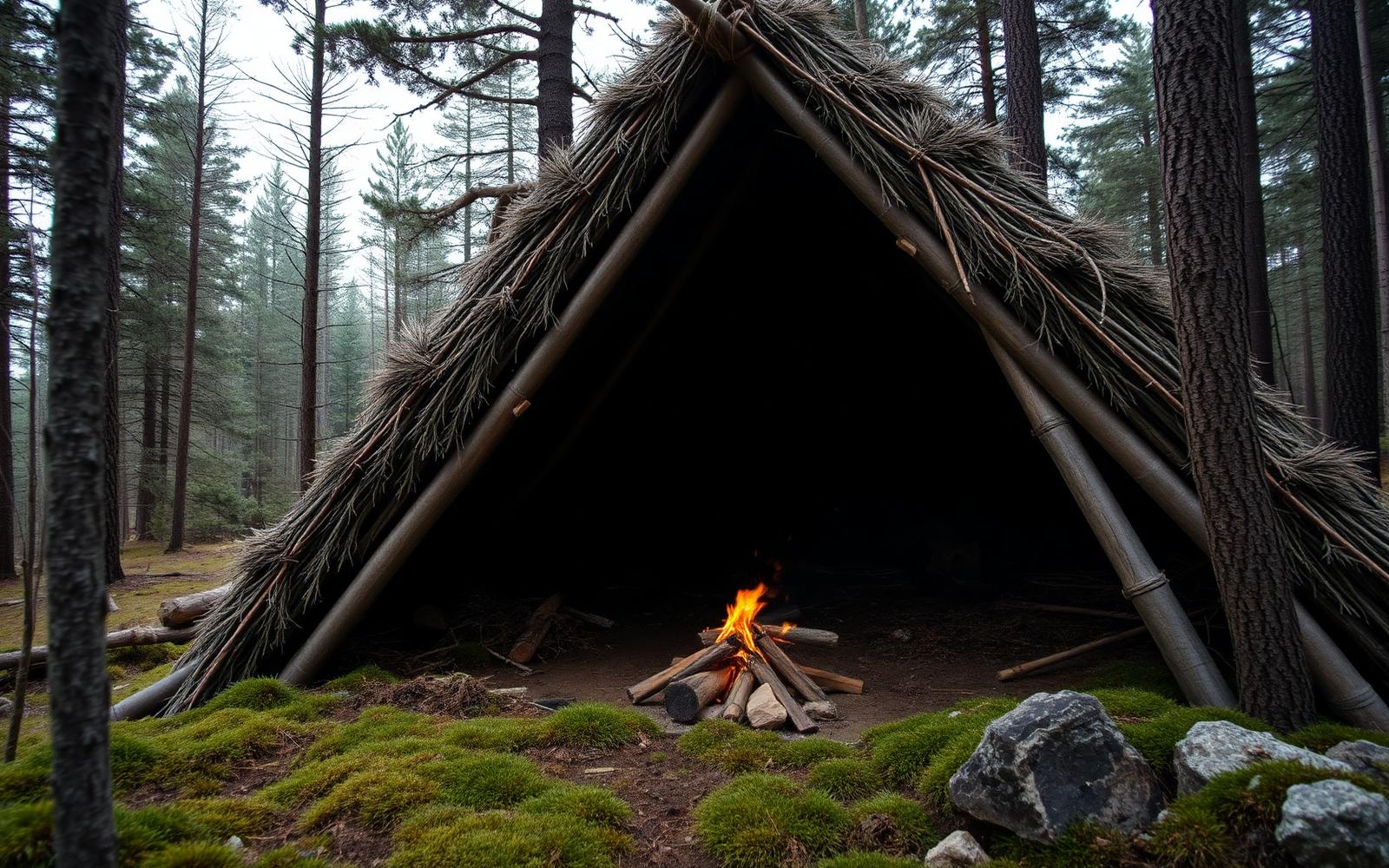
Contestants who came through the U.S., Canadian, and Nordic pipelines tend to be shelter-first, wood-heavy, and comfortable running a long protein deficit while they build. Their tap-out risk is late-season medical rather than mid-season morale. When they win, they win by attrition.
The Southern Hemisphere archetype
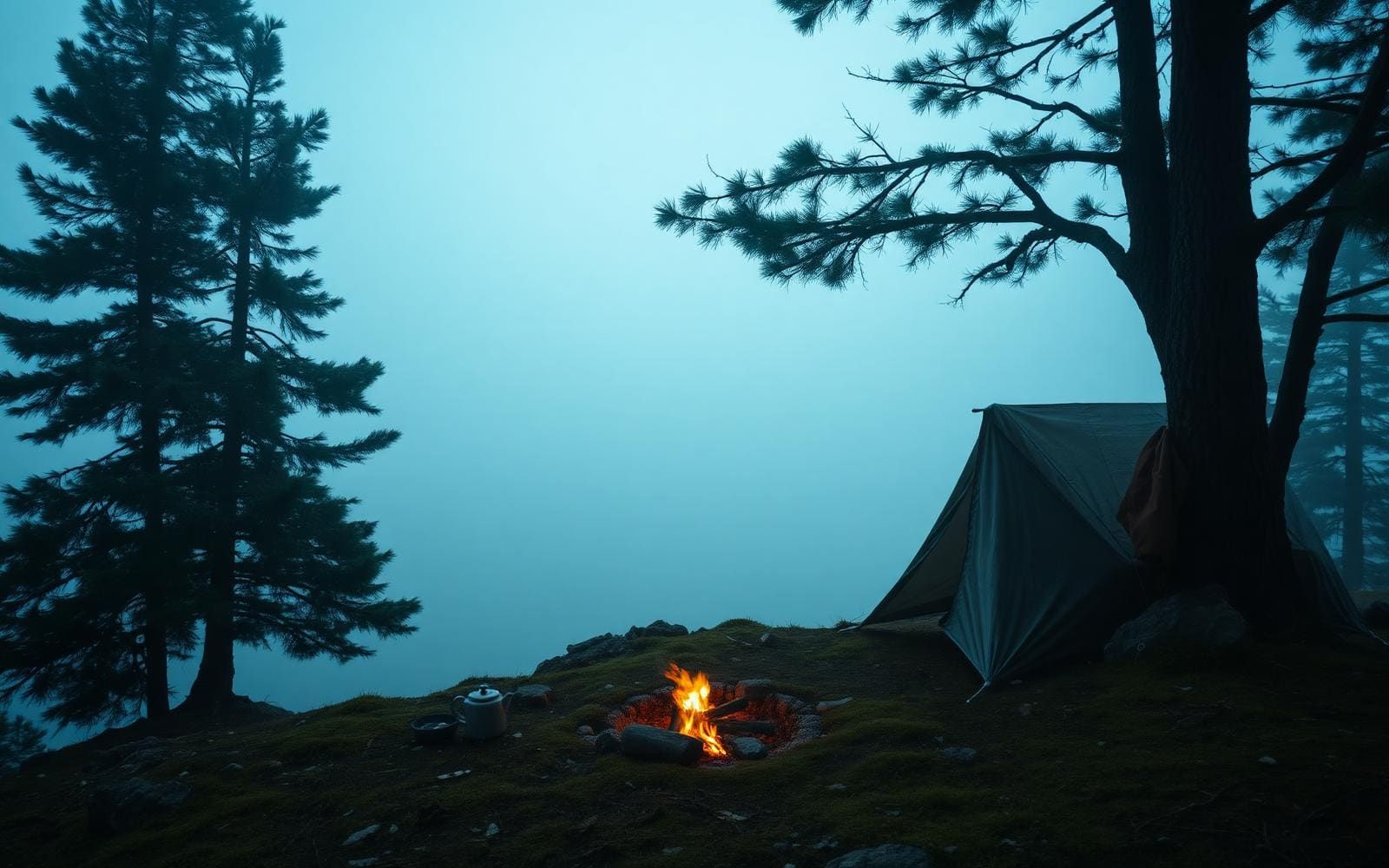
Contestants from Australian and South American editions tend to be foragers before they are builders. They are faster to secure food, slower to secure long-term shelter, and much more comfortable improvising with whatever the biome offers. Their tap-out risk is a single bad weather week hitting an under-hardened shelter. When they win, they win by adaptability.
The specialist archetype
A few contestants in the field are true specialists — one dominant skill (trapping, fishing, bushcraft, or bow hunting) far above the mean and a deliberate willingness to lean on it. Specialists produce the most memorable moments of any season, but historically they finish third through fifth rather than first. The generalist who is above average in five things beats the specialist who is elite in one.
Why this matters for the winner call
A world championship rewards the archetype that best matches the biome. In a wet, cold, long-winter location, the North American attrition player has the structural edge. In a milder or more food-rich location, the Southern Hemisphere adaptability player closes the gap. Match the archetype to the map and the finalists become predictable much earlier than the edit suggests.
Build the kit you just watched
Every item below is ranked from field use — no filler, no budget picks.
- The 10 items, rankedWhat actually survives 100 days — our tested picks for every slot on the list.
- Best bushcraft axesThe axe is the highest-leverage pick in the game. Here are the ones worth the weight.
- Best bushcraft knivesEvery winner carried one. These are the fixed blades that hold up to a full season.
- What the winners carriedSeason-by-season loadout analysis of every Alone champion.