


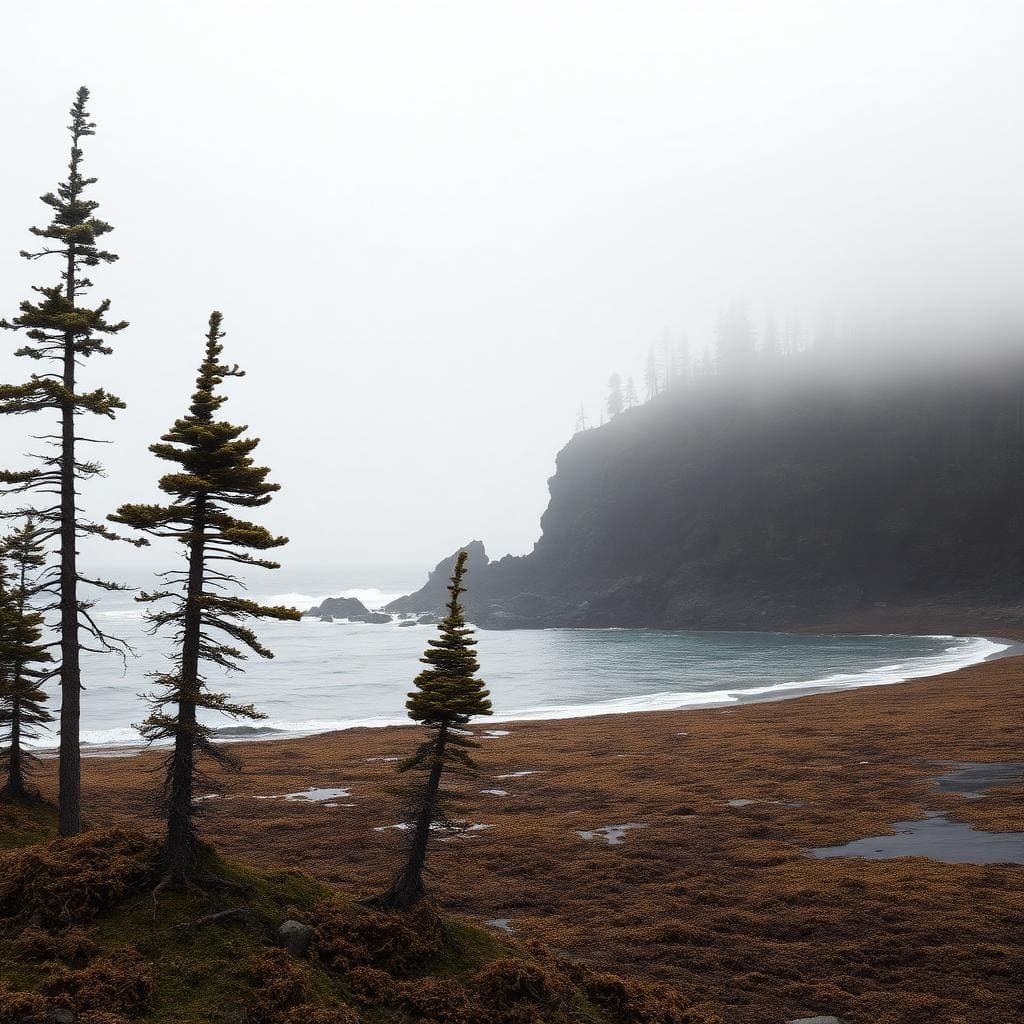
By episode five it is possible to see the shape of the shelter game in Season 13. The World Championship field brought a wider range of building traditions than any previous season, and the shelters reflect that. But under the visual differences, the ones that are holding up share three principles, and the ones that failed early violated at least one of them.
Principle 1: Volume follows fire, not floor plan
The most consistent early exit signal was a shelter sized for comfortable sleeping rather than for the thermal reality of the fire. In a wet, cold biome, a smaller air volume around a properly built fire beats a larger, better-organized space with a fire that cannot warm it. Several contestants built beautiful shelters that were simply too big to heat.
Principle 2: The roof is a system, not a layer
Every shelter still standing at mid-season has a roof that is doing three jobs — shedding water, holding heat, and surviving snow load — through layered materials that can be repaired without disassembling the structure. The shelters that failed treated the roof as one decision made on day two rather than a system maintained every week.
Principle 3: Firewood is the real square footage
The contestants who look most stable at mid-season are the ones whose firewood stack is visibly larger than their shelter. The ones who look brittle have a firewood stack that is smaller than a week of hard weather would consume. In Alone, the firewood stack is the true measure of preparedness, not the shelter itself.
What this predicts
The shelters that satisfy all three principles are not necessarily the most photogenic. They tend to look boring on camera — low, tight, and dominated by an obviously oversized wood pile outside. That is exactly what a month-three shelter should look like.
Build the kit you just watched
Every item below is ranked from field use — no filler, no budget picks.
- The 10 items, rankedWhat actually survives 100 days — our tested picks for every slot on the list.
- Best bushcraft axesThe axe is the highest-leverage pick in the game. Here are the ones worth the weight.
- Best bushcraft knivesEvery winner carried one. These are the fixed blades that hold up to a full season.
- What the winners carriedSeason-by-season loadout analysis of every Alone champion.