


What Happened
By the third episode of Alone Season 3, the initial scramble of setting up basic shelters has shifted into the grinding operational phase of a long-term wilderness stay. The setting in Patagonia introduces environmental variables distinct from the coastal rainforests of Vancouver Island seen in the first two seasons. Here, contestants contend with different flora, rocky and uneven lake margins, unpredictable Andean weather systems, and the psychological impact of prolonged darkness.
Episode 3, titled "Eternal Darkness," zeroes in on the practical realities of winter approach in the southern hemisphere. Days are contracting, leaving participants with fewer usable daylight hours to perform high-priority manual labor. The logistical window for gathering firewood, checking gillnets or lines, processing water, and hunting game narrows considerably. Consequently, contestants spend upwards of twelve to fourteen hours confined inside their shelters each night.
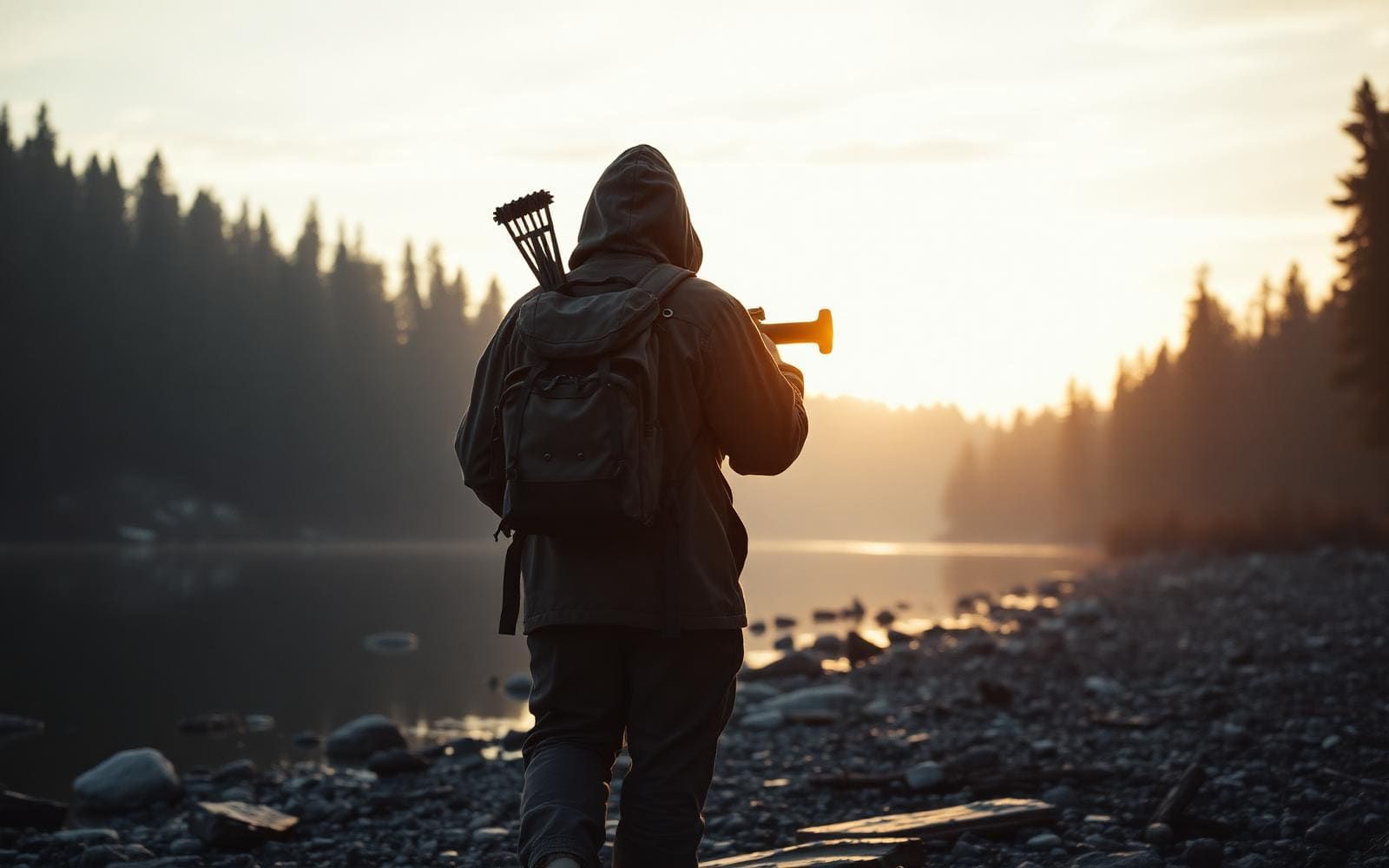
During this phase, food procurement shifts from an opportunistic exercise to a systematic necessity. While early days can be cushioned by residual body fat and forageable greens, the transition into week two demands protein and dietary fat. The episode highlights the diverging tactical paths available in this biome: stationary passive systems like bank lines and gillnets, versus active pursuit via archery and stalking small game through unfamiliar terrain.
Who Is Under Pressure
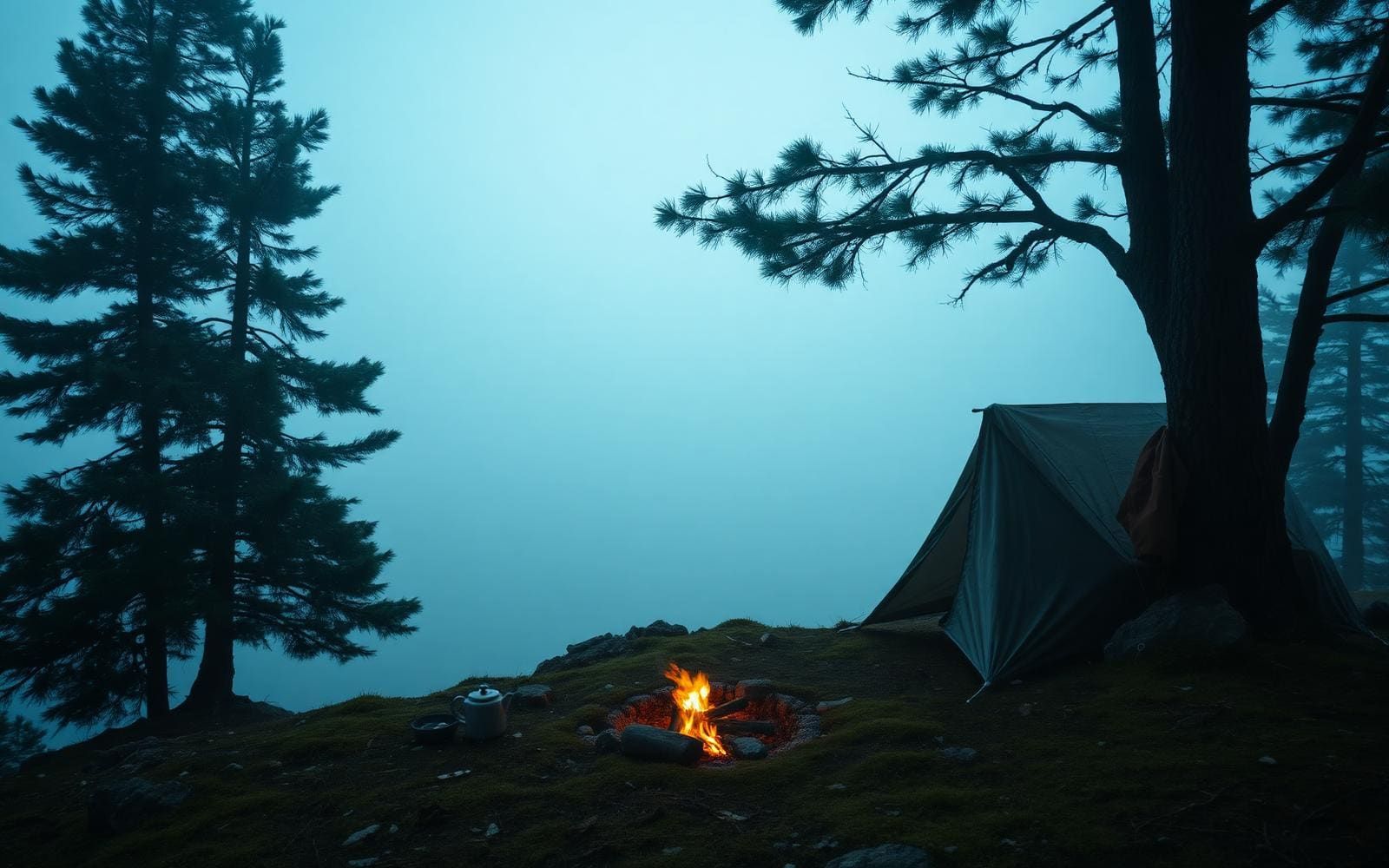
The overarching adversary at this stage of the expedition is not yet acute starvation, but rather the psychological weight of isolation compounded by the extended nocturnal cycle. When an individual is trapped inside a cramped, primitive debris hut or tarp shelter for over half of every twenty-four-hour cycle, mental discipline becomes as critical as physical stamina.
In standard wilderness conditions, activity keeps anxiety at bay. Chopping wood, boiling water, and improving bedding burn calories, but they also occupy the mind. Once the sun dips behind the Andean ridgelines, activity drops to near zero to preserve both calories and personal safety. Navigating dense bamboo thickets or steep scree fields in the dark is an unacceptable risk of injury, leaving contestants with hours of forced contemplation.
Every participant remaining in the field faces the pressure of calorie budgeting. Active hunting burns significant energy over rugged ground. If a contestant stalks terrain for four hours and returns empty-handed, they have incurred a net metabolic loss that accelerates physical decline. Conversely, sitting idle waiting for a fish run risks muscle wasting and rapid demoralization. The pressure mounts on those who have yet to secure a consistent, repeatable food source before severe cold locks in.
Gear That Mattered
Season 3 reinforces how gear selections made weeks earlier in staging dictate tactical options on the ground. In an environment defined by deep cold and long nights, several kit items stand out:
Illumination and Headlamps
Whether contestants rely on the small allotted headlamps or firelight, light management is critical. Navigating shelter interiors, performing minor gear repairs, and maintaining a clean, mouse-free living space in extended darkness requires reliable illumination. Burning firewood purely for shelter light consumes dry fuel reserves at an unsustainable rate, making efficient headlamp battery management essential.
Fishing Tackle vs. Hunting Bows
Patagonia's cold, deep lake waters present unique angling challenges compared to tidal zones. Those relying on gillnets face structural issues with wind, wave action, and snagging along submerged debris. Bank lines require proper weight selection to sit at the appropriate depth where native and introduced fish feed. Meanwhile, archers carrying recurve or longbows must balance the quiet approach needed in dry scrub with the fact that small game—such as birds or rodents—yield relatively few calories relative to the energy spent hunting them.
The Sleeping System
With nights expanding, the sleeping bag and pad configuration functions as the core survival engine. A 0-degree or sub-zero rated down or synthetic bag provides survival-level warmth, but ground conduction remains the primary heat sink. Contestants who engineered thick, elevated bough beds or insulation layers beneath their sleeping bags preserved critical core temperature without burning surplus calories through shivering during the freezing overnight hours.
Cutting Tools
A reliable axe and folding saw combination remains the backbone of the shelter-fuel cycle. As darkness encroaches earlier, fuel processing must become more efficient. Breaking deadfall by hand wastes energy and introduces puncture and strain hazards. Precision cuts from a quality saw yield clean firewood that stacks tightly inside shelters, keeping fuel dry and ready for overnight burn management.
Standings
With no official departures logged in this installment, the field continues to operate under the baseline attrition model of the Patagonia wilderness. Ten participants entered the South American wilderness at the launch of Season 3, and the group is now navigating the sorting phase where initial reserves deplete and systemic shelter and food strategies are tested against reality.
At this point in the season, the standings are defined less by named rank and more by physical stability. Those who have built weather-tight, smoke-ventilated shelters and established at least one functional passive food stream hold a massive advantage. Those who are still improvising basic infrastructure while burning baseline reserves enter the danger zone where small mistakes compound into medical extractions or voluntary taps.
Bottom Line
Episode 3 establishes the operational tempo that will dictate the rest of the Patagonia campaign. Survival on Alone is rarely settled by dramatic, high-energy heroics; it is an accounting problem where calories out must eventually be reconciled with calories in.
"Eternal Darkness" demonstrates that the real challenge of this terrain is maintaining behavioral consistency when environmental conditions actively discourage movement. As the daylight hours continue to compress, the advantage shifts squarely to contestants who can endure extended periods of sensory deprivation inside their shelters without losing emotional composure, and who can convert limited daytime hours into measurable caloric returns. The field has settled in, but the environment is steadily tightening its parameters.
Build the kit you just watched
Every item below is ranked from field use — no filler, no budget picks.
- The 10 items, rankedWhat actually survives 100 days — our tested picks for every slot on the list.
- Best bushcraft axesThe axe is the highest-leverage pick in the game. Here are the ones worth the weight.
- Best bushcraft knivesEvery winner carried one. These are the fixed blades that hold up to a full season.
- What the winners carriedSeason-by-season loadout analysis of every Alone champion.