



A useful camp kitchen turns meals into a short, controlled process instead of scattering food, flame, knives, and wildlife attractants across the site. Plan the menu around the equipment, create clean and dirty zones, protect cold food, and make storage rules part of cooking—not an exhausted task postponed until bedtime.
Design the menu around the system
Choose meals that fit the available stove, fuel, pot volume, water, cleanup method, and storage. Premeasure ingredients and prepare what can be safely prepared at home. Account for allergies, dietary needs, and the energy demands of the trip. Keep at least one no-cook meal in reserve in case weather, equipment failure, or fire restrictions disrupt the plan.
Separate heat, cutting, and sanitation
Place the stove on a stable, level, noncombustible surface with ventilation and clearance specified by the manufacturer. Never use fuel-burning stoves inside tents, vehicles, or other enclosed sleeping spaces. Establish a stable cutting board and keep knife work away from children and traffic. Create a handwashing setup and use clean utensils for cooked food.
Control temperature and cross-contamination
Keep perishable food cold in a dependable cooler system, limit lid opening, separate raw meat from ready-to-eat food, and use a food thermometer when appropriate. Do not judge doneness only by appearance. Discard questionable food. Remote settings do not make foodborne illness more adventurous; they make it farther from plumbing.
Clean without contaminating the site
Strain food particles from dishwater and pack them out with trash. Dispose of wastewater according to local guidance and well away from water sources. Use small amounts of soap where permitted, clean cookware promptly, and remove every crumb. Store food, trash, cookware, toiletries, and other scented items using the required wildlife-resistant method.
Camp kitchen zones
| Zone | Contents | Rule |
|---|---|---|
| Heat | Stove, fuel, pot | Stable, ventilated, supervised |
| Prep | Board, knife, ingredients | Clean and separated from raw-food contamination |
| Wash | Water, soap, basin, towel | Away from natural water; capture food scraps |
| Storage | Cooler, dry food, scented items | Follow wildlife and temperature rules |
| Waste | Trash and strained particles | Sealed and packed out |
Common mistakes to avoid
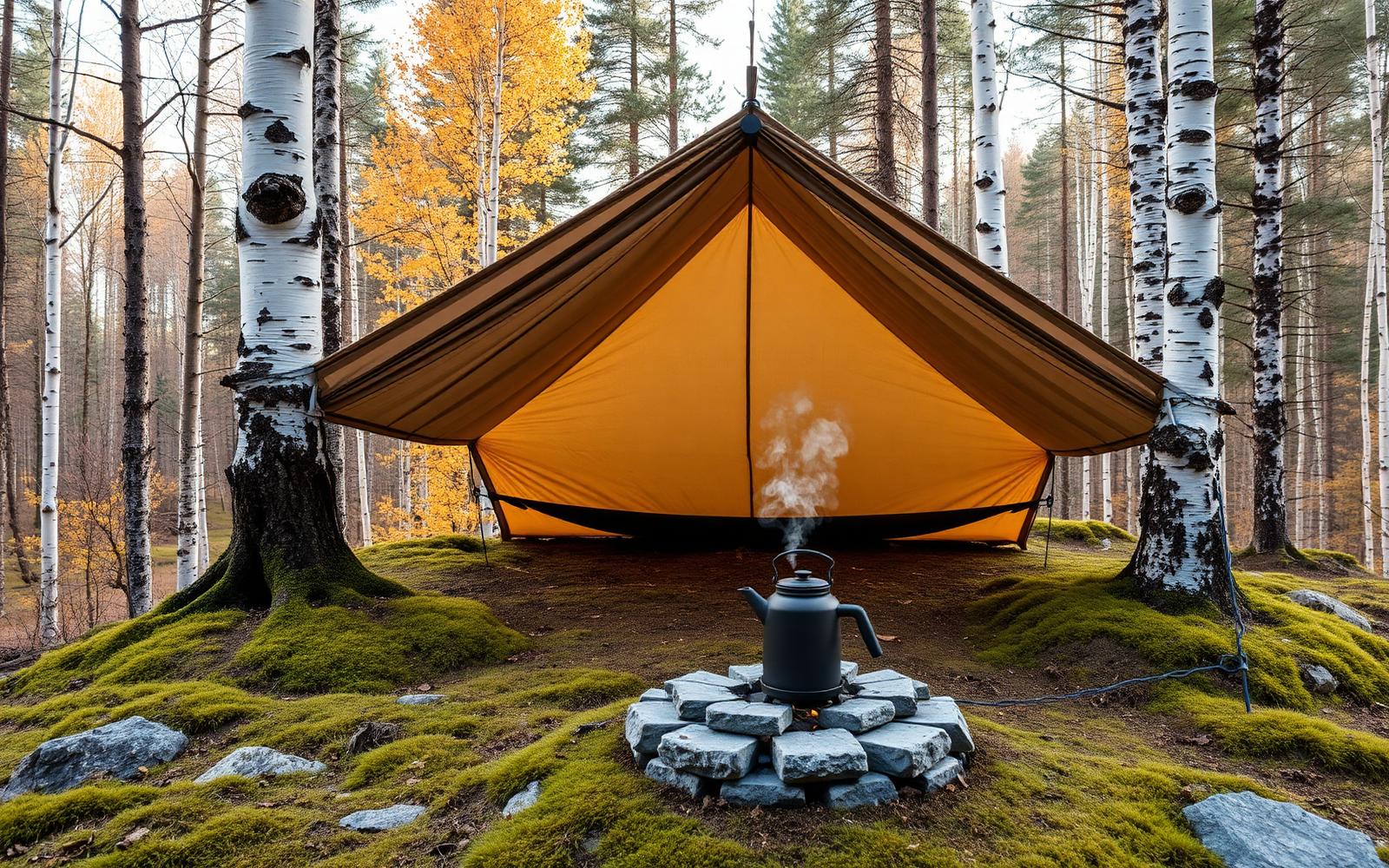
- Cooking inside the tent: Fire and carbon monoxide risks make this a dangerous convenience.
- Bringing a menu more complex than the kitchen: Every extra step adds fuel, water, cleanup, and failure points.
- Leaving the cooler unsecured: A cooler is food storage only when wildlife cannot open or reach it.
Field checklist
- Match meals to stove, fuel, pot, and water
- Bring a no-cook backup
- Set handwashing and waste systems before cooking
- Keep cold food cold and raw food separated
- Secure all food and scented items after every meal
Frequently asked questions
Can I use biodegradable soap in a lake or stream?
No. Biodegradable does not mean harmless in water. Use it sparingly away from water and dispose of wash water as directed.
Is a campfire safe for all cooking?
No. Restrictions, wind, weather, and inconsistent heat can make it unsuitable. A stove is more controllable where permitted.
How do I reduce dishes?
Use one-pot meals, preportion ingredients, eat from the cooking vessel when practical, and avoid unnecessary serving ware.
Final word
A clean camp kitchen is not fussy. It is faster, safer, less attractive to wildlife, and far less likely to introduce the group to gastrointestinal team building.