



A campfire is optional. Warm clothing, a stove, and good company work without sparks, smoke, or a shovel. Light a fire only when it is legal, conditions are suitable, the site can contain it, and enough water is available to extinguish it completely. Tradition is not a fire-management plan.
Check restrictions and conditions first
Verify current fire bans, allowed fuel, designated-ring requirements, and seasonal restrictions with the land manager. Consider wind, drought, humidity, nearby fuels, overhead branches, roots, and whether an existing ring is safe. Do not build a new ring when fires are prohibited or an established option is available. If conditions feel marginal, use a stove or choose a fire-free evening.
Keep the fire small and attended
Clear the immediate area as permitted, keep water and a tool ready, and use only manageable fuel. Never use accelerants such as gasoline. Maintain a fire small enough for the purpose and never leave it unattended, even briefly. Supervise children and pets, control loose clothing, and keep tents, chairs, and spare firewood beyond spark range.
Use legal, responsible fuel
Buy local firewood where required to reduce movement of invasive pests, or gather only dead-and-down wood where collection is permitted. Do not cut live trees, strip standing deadwood, or burn trash, foil, glass, plastics, food, or treated material. Large logs that cannot burn completely create a disposal problem and encourage dangerous fires.
Drown, stir, and verify cold
Extinguish with water, stir ash and coals, add more water, and repeat until no heat remains. Check the entire ring, edges, and underlying material. Do not bury coals; buried heat can persist and spread through roots or organic soil. If you cannot spare enough water to make the site cold, you did not have enough water to light the fire.
Campfire go/no-go decision
| Question | Go only when |
|---|---|
| Is it legal? | Current land-manager rules explicitly allow it |
| Is the weather suitable? | Wind and fire danger are low enough |
| Is the site appropriate? | Approved ring or low-risk durable location |
| Can it be supervised? | A responsible adult remains present |
| Can it be extinguished? | Enough water and time are available |
Common mistakes to avoid
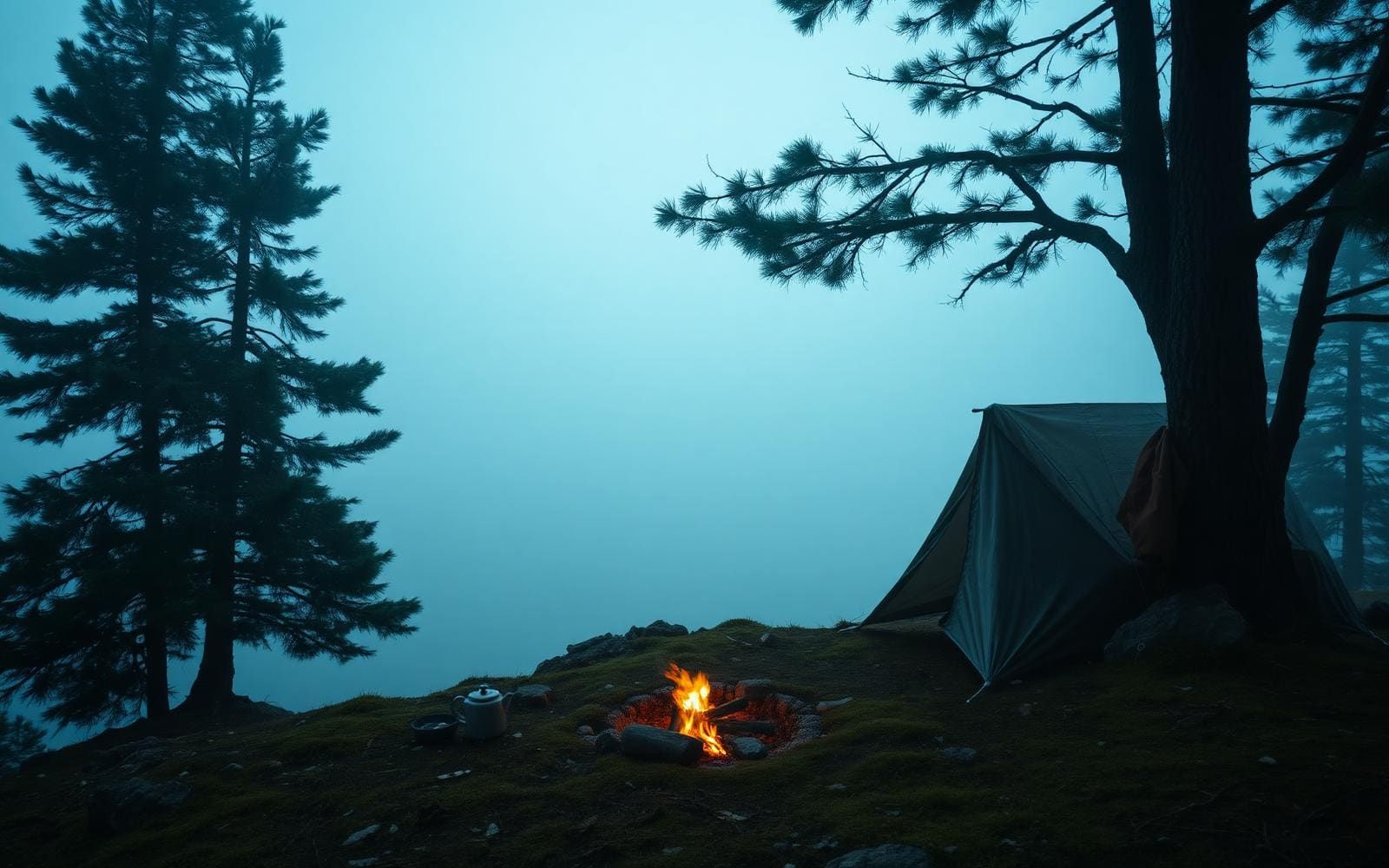
- Trusting an old fire ring: It may be illegal, poorly placed, or full of hidden heat.
- Leaving for 'just a minute': Wind and rolling fuel do not respect short errands.
- Covering coals with dirt: Insulated coals can remain hot and spread fire underground.
Field checklist
- Confirm restrictions immediately before lighting
- Keep the fire small
- Stage water and a tool
- Burn only permitted clean wood
- Leave the entire site cold
Frequently asked questions
Can I use rocks to contain a fire?
Use approved existing structures where provided. Some rocks can fracture when heated, and building new rings increases impact.
Is a propane fire pit always allowed during a ban?
No. Restrictions define what devices are permitted and can change. Verify current rules.
Can ash be warm when I leave?
No. The goal is cold to the touch throughout, with no smoke or steam after final stirring.
Final word
The mark of a skilled fire builder is not the flame at its peak. It is the black, cold, fully controlled absence left at departure.