


People often focus on the final result of camping with kids, but the result is usually decided by preparation. Children learn outdoor judgment through repeated small jobs, clear boundaries, and calm modeling more than through long lectures. Build the routine in controlled conditions before asking it to carry a real trip.
Field answer: For camping with kids tips, use a five-part sequence: teach one skill at a time with a visible demonstration, give jobs that have a clear start and finish, use a buddy rule around water and trails, create a no-go zone around stoves, fires, tools, and vehicles, and praise careful decisions rather than speed. Practice the sequence with the exact gear you will carry and stop when the legal, weather, or safety margin changes.
Why this skill matters
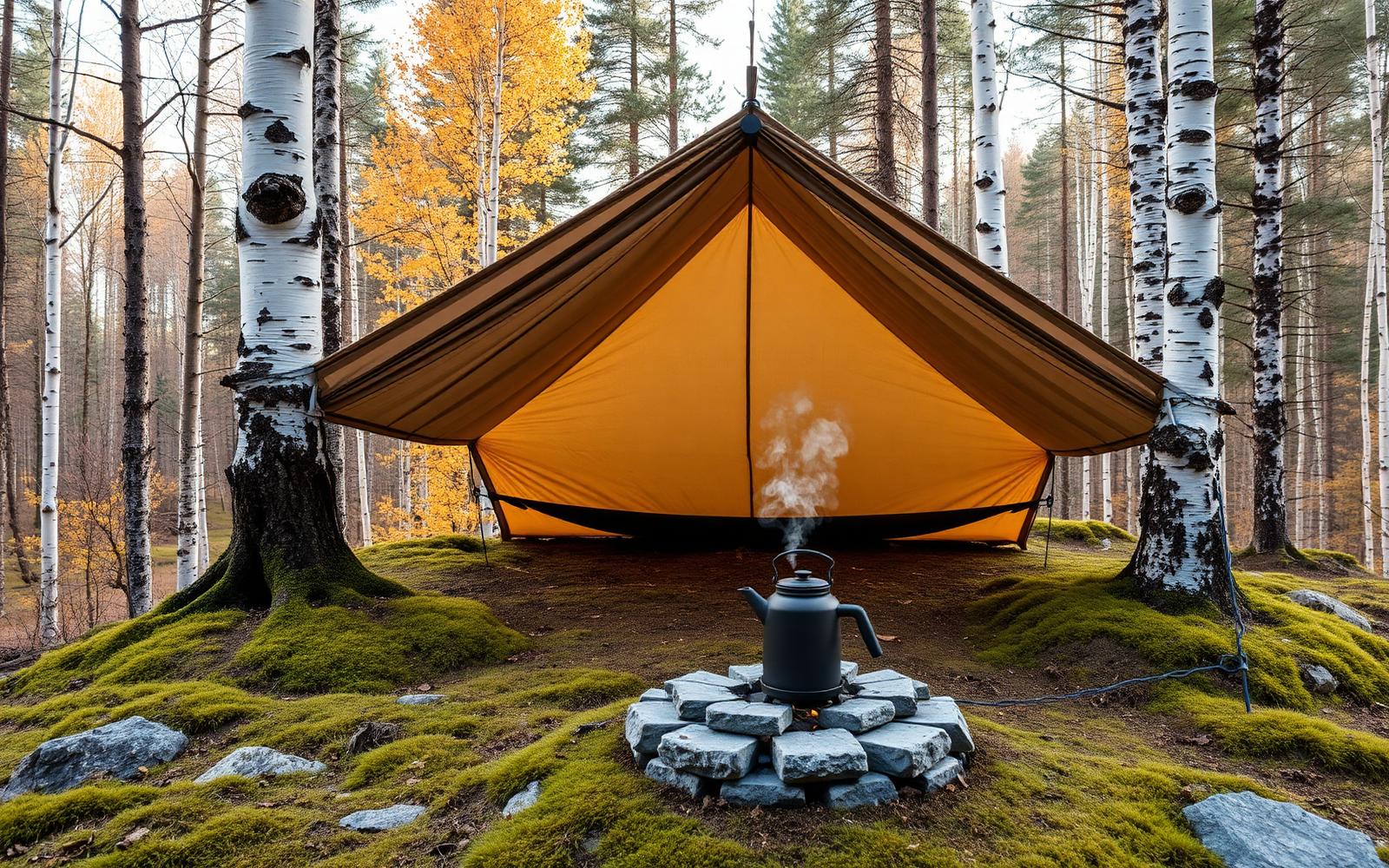
Children learn outdoor judgment through repeated small jobs, clear boundaries, and calm modeling more than through long lectures. At basecamp, small systems compound: a dry sleep area, clean kitchen, clear paths, and predictable storage make the entire group safer and calmer.
The useful standard is repeatability. A technique that works once in a backyard demonstration but fails when the ground is wet, the group is tired, or a critical item is buried is not yet a field system. Define the conditions in which the skill is appropriate, the warning signs that should stop it, and the simpler backup that remains available.
A field-ready method
1. Teach one skill at a time with a visible demonstration
The field version is straightforward: Teach one skill at a time with a visible demonstration. The goal is not speed; it is a repeatable result that remains safe when hands are cold or attention is divided. Keep the critical item reachable; equipment that exists only at the bottom of a pack is not part of the active system.
2. Jobs that have a clear start and finish
Make the action observable: Give jobs that have a clear start and finish. This step turns a vague intention into something the group can observe, verify, and correct. A useful check is whether another person can look at the setup and explain what happens next.
3. A buddy rule around water and trails
For camping with kids, this is the working action: Use a buddy rule around water and trails. A conservative setup here prevents a small inconvenience from becoming the dominant problem later in the day. Keep the critical item reachable; equipment that exists only at the bottom of a pack is not part of the active system.
4. A no-go zone around stoves, fires, tools, and vehicles
Apply the step in plain terms: Create a no-go zone around stoves, fires, tools, and vehicles. Use the simplest method that works, then keep enough margin to adapt when conditions change. A useful check is whether another person can look at the setup and explain what happens next.
5. Praise careful decisions rather than speed
The field version is straightforward: Praise careful decisions rather than speed. This is where preparation replaces improvisation and makes the next decision easier to evaluate. Keep the critical item reachable; equipment that exists only at the bottom of a pack is not part of the active system.
Gear and setup
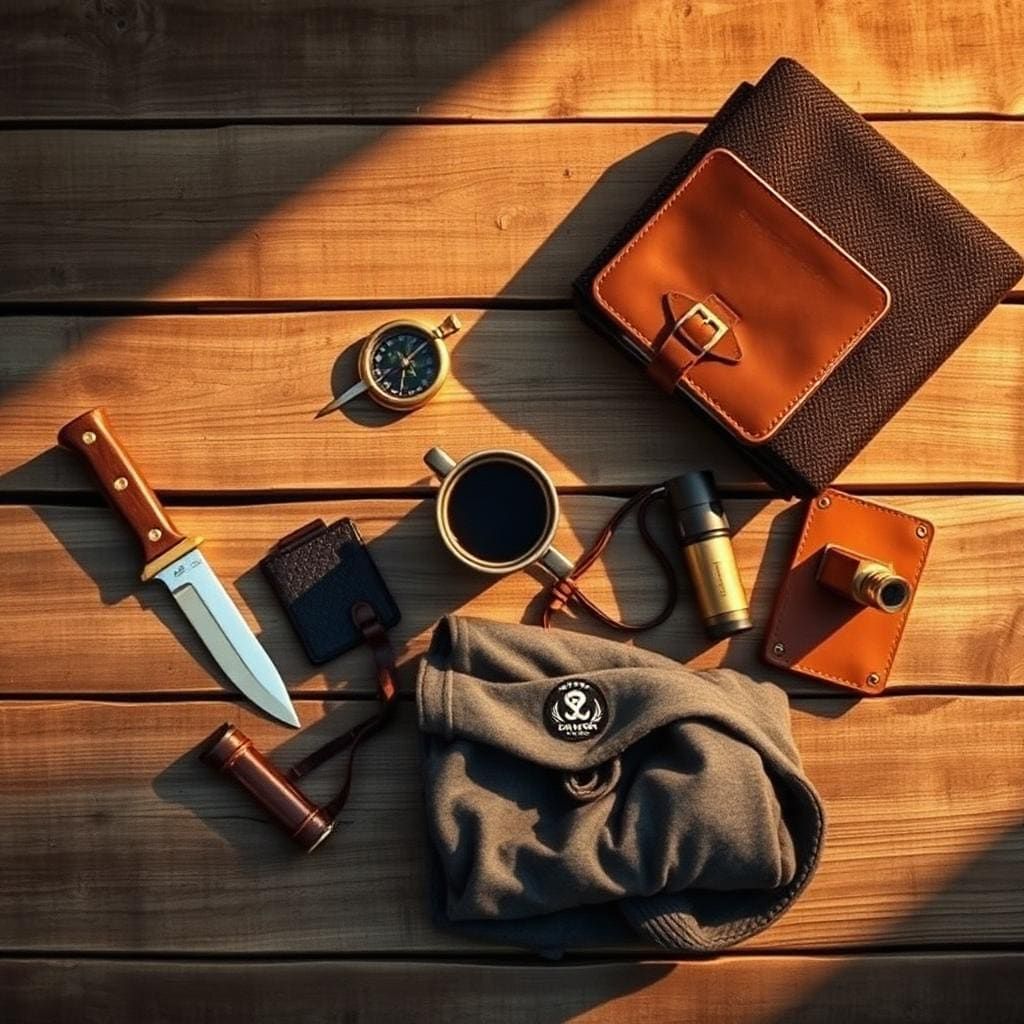
A practical starting kit is child-sized clothing, properly fitted life jacket when near water, headlamp, whistle, and simple personal gear bag. Pack it as a working system, not as unrelated objects. Inspect condition, confirm fit or compatibility, and place the item needed first where it can be reached first.
Before the trip, perform the whole sequence from packed state to finished state. That exposes missing connectors, empty fuel, incompatible parts, dull edges, dead batteries, poor fit, and instructions that were never read.
Common mistakes
- Giving a child a tool before teaching the safe zone. The mistake is tempting because it feels faster in calm conditions, but it removes margin when conditions deteriorate. Correct it before continuing: Teach one skill at a time with a visible demonstration.
- Using fear as the main wildlife lesson. This often comes from copying a finished technique without seeing the preparation that made it work. Reset by returning to this earlier action: Give jobs that have a clear start and finish.
- Expecting adult attention spans. Fatigue and schedule pressure make this error more likely, which is why the correction should be decided in advance. The better move is to pause and re-establish the system: Use a buddy rule around water and trails.
A practice session that builds judgment
Use this drill: Practice a ten-minute camp setup game in the yard where children identify hazards, place headlamps, and organize their own sleep area.
Run the first repetition slowly and narrate each decision. On the second, remove narration but keep every checkpoint. On the third, add one controlled complication such as gloves, low light, a modest load, or light weather—never all at once. End by resetting the site and writing one change for the next session.
Safety and stewardship
Check current land-manager rules, weather, fire restrictions, food-storage orders, and emergency access before leaving home. Wild10Basecamp provides educational outdoor information. Conditions, regulations, and individual capabilities vary. Readers are responsible for obtaining current local guidance, training, permits, and professional help when needed.
Use durable surfaces, minimize disturbance, pack out small waste, and choose a stove, established facility, or no-fire option whenever it reduces impact. Skill does not create an exemption from land rules or from the obligation to leave the place functional for wildlife and the next visitor.
Frequently asked questions
What is the fastest safe way to improve at camping with kids?
Use short, repeatable practice sessions in low-consequence conditions. A strong session for this topic is: Practice a ten-minute camp setup game in the yard where children identify hazards, place headlamps, and organize their own sleep area. Stop when fatigue, weather, or tool control begins to reduce quality.
What gear do I need for camping with kids?
Start with the activity-appropriate essentials: child-sized clothing, properly fitted life jacket when near water, headlamp, whistle, and simple personal gear bag. Add location-specific equipment only after checking current rules, weather, and the consequences of failure.
What is the most common camping with kids mistake?
A recurring mistake is giving a child a tool before teaching the safe zone. Correct it by returning to the setup sequence and verifying each step before adding speed or commitment.
Final takeaway
The durable lesson in camping with kids is to make preparation visible, practice the full sequence, and respond to feedback before conditions force the decision. Add original field experience and qualified review before publishing this draft as advice.
Sources and further reading
- The Seven Principles — Leave No Trace
- Trip Planning Guide — Health & Safety — U.S. National Park Service
- Know Before You Go: Fire — U.S. Forest Service
Editorial safety note: Wild10Basecamp provides educational outdoor information. Conditions, regulations, and individual capabilities vary. Readers are responsible for obtaining current local guidance, training, permits, and professional help when needed.