



Most problems with hunting camp do not come from a lack of effort. They come from starting too late, skipping the setup, or continuing after feedback says the system is failing. A hunting camp must support early departures, safe equipment handling, food storage, warmth, and recovery work without disturbing other users.
Quick diagnostic: The biggest hunting camp mistakes problems are handling equipment in crowded sleeping areas, leaving food, blood, or scraps accessible to wildlife, and using generators or lights beyond local rules. Reset by returning to the first safe action—choose a legal durable site with safe vehicle access—and rebuild the sequence before adding speed or exposure.
Diagnose the system before blaming the skill
In hunting, safety, legality, positive identification, ethical recovery, and respect for landowners and other users always outrank opportunity. A poor result is often the last link in a chain: the wrong site, an inaccessible item, unclear roles, unrealistic timing, or a decision to keep going after conditions changed. Write down what was observed before deciding what caused it. That distinction prevents a new purchase from becoming the automatic answer to a practice problem.
The mistakes that matter
1. Handling equipment in crowded sleeping areas
Handling equipment in crowded sleeping areas. The mistake is tempting because it feels faster in calm conditions, but it removes margin when conditions deteriorate. The better move is to pause and re-establish the system: Choose a legal durable site with safe vehicle access.
Repeat the correction at low speed until it is boring. Reliability grows when the right action happens before urgency, not after it.
2. Leaving food, blood, or scraps accessible to wildlife
Leaving food, blood, or scraps accessible to wildlife. This often comes from copying a finished technique without seeing the preparation that made it work. Correct it before continuing: Create a separate equipment-handling zone.
Repeat the correction at low speed until it is boring. Reliability grows when the right action happens before urgency, not after it.
3. Using generators or lights beyond local rules
Using generators or lights beyond local rules. Fatigue and schedule pressure make this error more likely, which is why the correction should be decided in advance. Reset by returning to this earlier action: Store food and meat according to wildlife rules.
Repeat the correction at low speed until it is boring. Reliability grows when the right action happens before urgency, not after it.
Reset with this five-step sequence
1. A legal durable site with safe vehicle access
Make the action observable: Choose a legal durable site with safe vehicle access. This step turns a vague intention into something the group can observe, verify, and correct. Confirm that the action follows current local rules and does not create avoidable impact.
2. A separate equipment-handling zone
For hunting camp, this is the working action: Create a separate equipment-handling zone. A conservative setup here prevents a small inconvenience from becoming the dominant problem later in the day. Before continuing, ask what would fail first if wind, rain, darkness, or fatigue increased.
3. Food and meat according to wildlife rules
Apply the step in plain terms: Store food and meat according to wildlife rules. Use the simplest method that works, then keep enough margin to adapt when conditions change. Confirm that the action follows current local rules and does not create avoidable impact.
4. Organize lights and clothing for quiet early starts
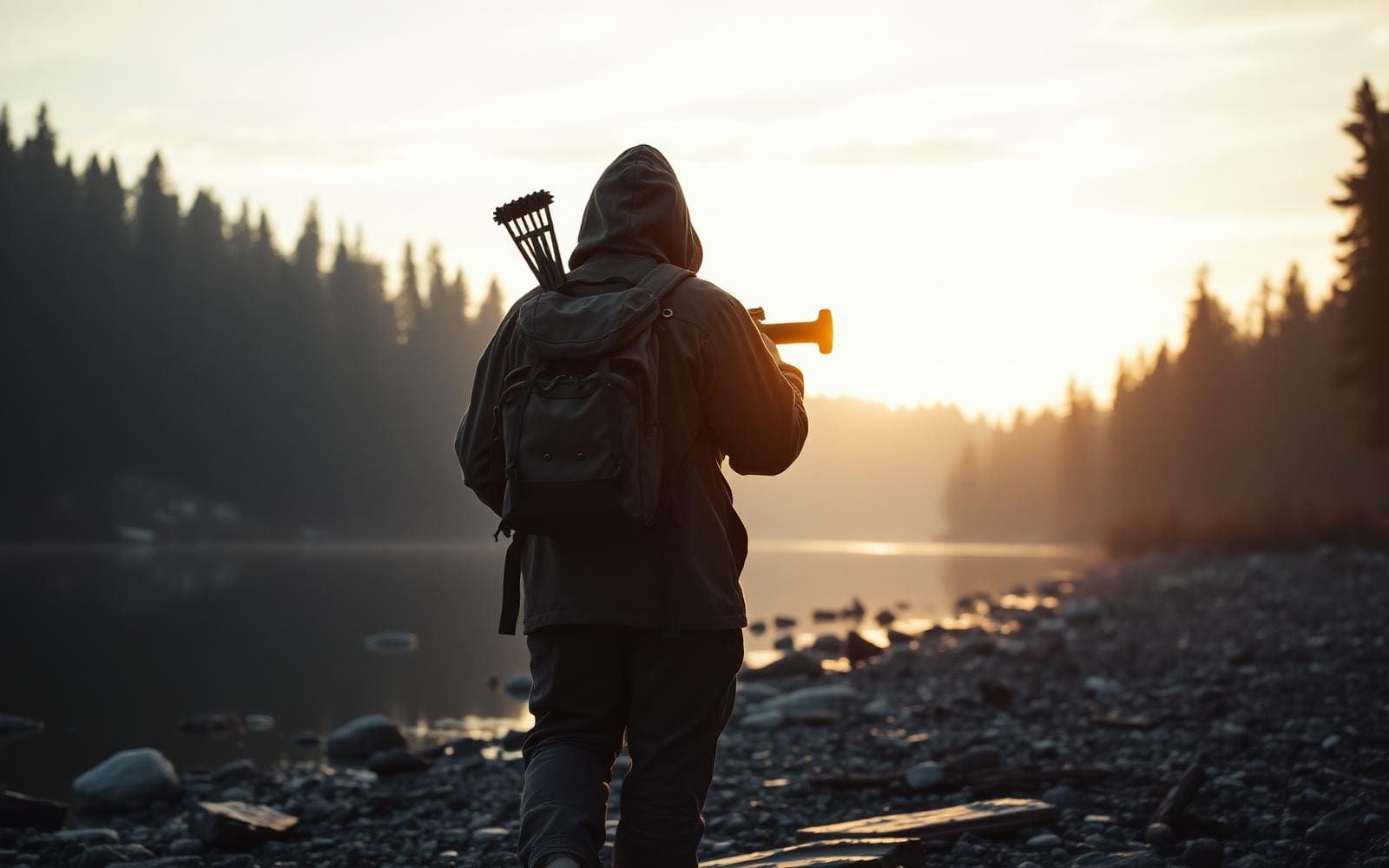
The field version is straightforward: Organize lights and clothing for quiet early starts. This is where preparation replaces improvisation and makes the next decision easier to evaluate. Before continuing, ask what would fail first if wind, rain, darkness, or fatigue increased.
5. Camp clean enough to detect missing gear
Make the action observable: Keep camp clean enough to detect missing gear. Pause long enough to confirm the setup before adding force, distance, heat, exposure, or commitment. Confirm that the action follows current local rules and does not create avoidable impact.
A compact practice plan
Core drill: Set up the complete camp before season and rehearse a dark, quiet departure without crossing another person's equipment.
Use one session to establish a clean baseline, one to repeat the sequence without prompts, and one to add a single realistic complication. Keep the practice close to help and easy to stop. Photograph or record the setup, not for social proof, but so a qualified reviewer can see the exact position, order, and equipment involved.
Pre-trip checklist
- Choose a legal durable site with safe vehicle access
- Create a separate equipment-handling zone
- Store food and meat according to wildlife rules
- Organize lights and clothing for quiet early starts
- Keep camp clean enough to detect missing gear
- Pack and inspect shelter, sleep system, food storage, lighting, cleaning supplies, equipment cases, and first aid.
- Confirm current weather, access, permits, restrictions, and emergency communication.
- Define the condition that will make you stop, simplify, or turn around.
Safety and stewardship
Complete required hunter education and follow every current season, licensing, access, blaze-color, method-of-take, transport, and firearm or archery rule in the jurisdiction where you hunt. Wild10Basecamp provides educational outdoor information. Conditions, regulations, and individual capabilities vary. Readers are responsible for obtaining current local guidance, training, permits, and professional help when needed.
A field drill should never create the emergency it is meant to prevent. Use controlled conditions, qualified instruction when the consequence is high, and a complete cleanup and site-restoration routine.
Frequently asked questions
Can a beginner practice hunting camp safely?
Yes, when the practice is legal, controlled, close to help, and below the consequence level of a real trip. Use the reviewer role assigned to this article: certified hunter-education instructor familiar with local law.
How do I know whether my hunting camp system is ready for a trip?
It should work repeatedly with the exact gear you will carry, in realistic but controlled weather, without skipped safety checks. One successful attempt is not enough evidence.
What should I review before using hunting camp outdoors?
Review local regulations, current conditions, manufacturer instructions, and the activity-specific safety guidance linked below. Pay particular attention to handling equipment in crowded sleeping areas.
Final takeaway
The durable lesson in hunting camp is to make preparation visible, practice the full sequence, and respond to feedback before conditions force the decision. Add original field experience and qualified review before publishing this draft as advice.
Sources and further reading
- Hunter Education — U.S. Fish & Wildlife Service
- Passing Along the Hunting Ethic — U.S. Fish & Wildlife Service
- Trip Plan — U.S. National Park Service
- The Seven Principles — Leave No Trace
Editorial safety note: Wild10Basecamp provides educational outdoor information. Conditions, regulations, and individual capabilities vary. Readers are responsible for obtaining current local guidance, training, permits, and professional help when needed.