


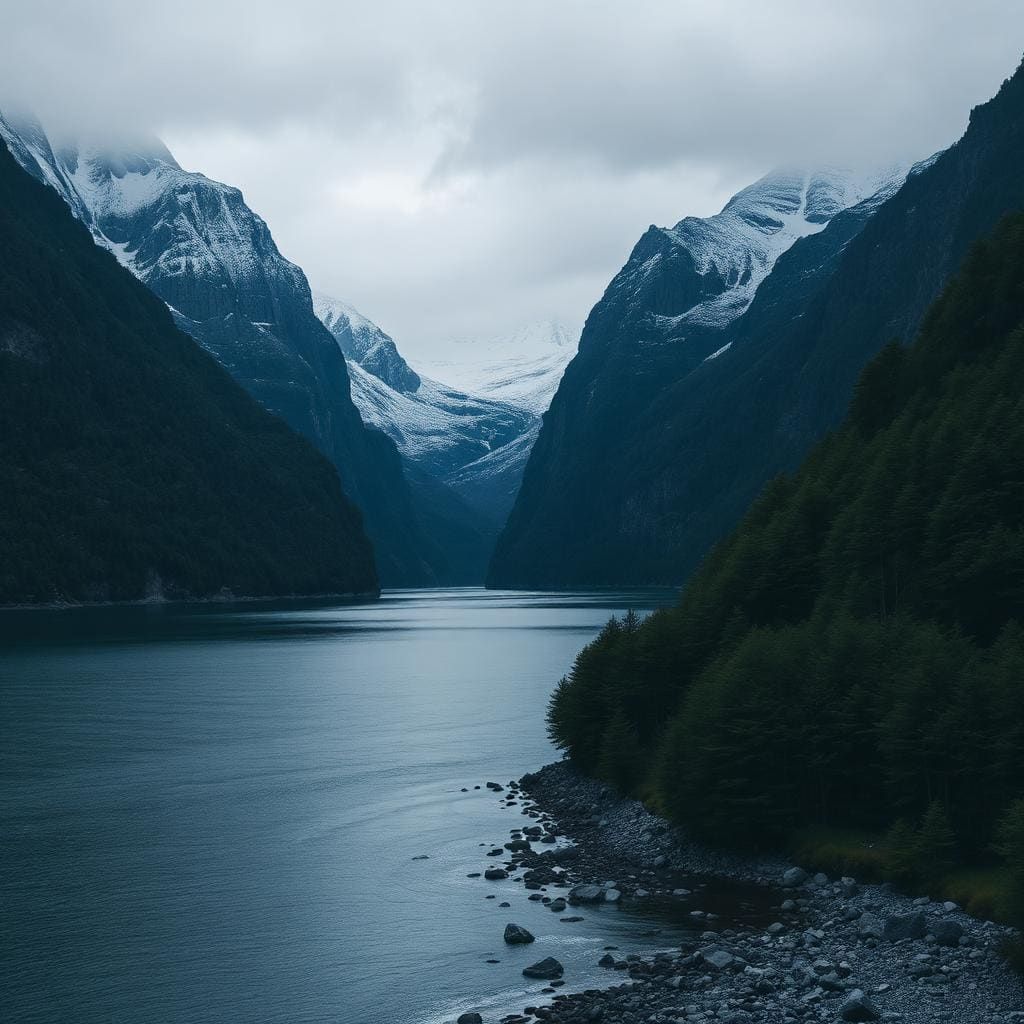
A high-adventure trip to New River Gorge National Park and Preserve should be difficult because the group selected a meaningful objective—not because logistics, weather, or training were ignored. The destination offers high-adventure days that can mix rim hikes with guided whitewater, while the planning problem is cliffs, technical river hazards, heat, and rapidly changing access information.
Planning answer: Build the trip around a verified route or activity in deep gorge, sandstone cliffs, forest, and a powerful river, pass the skill gates below, carry a simpler alternate, and preserve enough time and supplies to retreat before the main hazard becomes urgent.
Define the adventure without manufacturing danger
The strongest objective uses the place's real character: high-adventure days that can mix rim hikes with guided whitewater. It should have a clear start, finish, skills requirement, and bailouts. Write the objective in one sentence, then write a second sentence describing the easier version. If the easier version sounds like failure, the group has not yet separated identity from risk management.
Five skill gates
1. Navigation and route understanding
Every participant should understand the route, major terrain, checkpoints, restrictions, and the point after which retreat becomes harder. Carry independent navigation and know how to use it without service.
2. Environmental exposure
Train for the setting—deep gorge, sandstone cliffs, forest, and a powerful river—including the relevant heat, cold, altitude, immersion, snow, storm, surf, current, or smoke exposure. A forecast is not a substitute for clothing, shelter, and a tested response.
3. Activity-specific rescue
For hiking, paddling with outfitters, climbing, and camping, identify the failure that would require outside rescue and obtain instruction before the trip. This may include paddling rescue, river hazards, climbing systems, glacier travel, canyoneering, winter travel, or remote first aid. Do not learn a consequential rescue from a written article at the scene.
4. Communication and group decisions
Name the leader for safety calls, define regroup points, carry a communication method appropriate to the coverage, and give a responsible contact the full plan. The least-experienced person's condition controls the group's limit.
5. Exit and recovery capacity
Keep enough food, water, daylight, transport margin, and physical capacity to retreat. The plan is incomplete until the group can explain how it exits after weather, injury, a missed transport connection, or a closed route.
Build the itinerary from the exit backward
Start with the final transport or drive, then reserve the time needed to break camp, complete the return, and absorb delay. Place the most committing objective on the day with the best forecast and the strongest group—not automatically on the final available day. Keep one lower-exposure day or weather hold whenever transport and reservations allow.
A four-day outline might use day one for arrival and a skills check, day two for the primary objective, day three as a weather day or secondary objective, and day four for a short exit. Remote aviation, ferries, long shuttles, or water travel may require substantially more buffer.
Turnaround triggers
Write at least one trigger for cliffs, technical river hazards, heat, and rapidly changing access information and one for group health. Add time, weather, water, visibility, route, equipment, and communication triggers. A trigger must produce an action: stop, retreat, seek shelter, move to the alternate, or activate help. Avoid soft language such as 'use caution' when the group needs a decision.
Gear and professional support
Carry the Ten Essentials, route-specific shelter and insulation, redundant navigation, water capacity and treatment, activity-specific personal protective equipment, repair supplies, first aid within the group's training, and reliable communication. Consider a credentialed local guide or outfitter when the objective involves technical water, exposed climbing, glacier travel, canyons, aviation logistics, winter, or unfamiliar remote terrain.
Current conditions are part of the route
spring through fall supports many activities; water and weather drive choices. Verify all information through the official New River Gorge National Park and Preserve website and linked alerts, then compare it with the route-specific forecast and any permit instructions. Rebuild the decision the week of the trip and again within twenty-four hours of departure.
Frequently asked questions
What makes a New River Gorge National Park and Preserve trip high adventure?
At this destination, the adventure comes from high-adventure days that can mix rim hikes with guided whitewater. It should not come from skipping permits, entering water or technical terrain beyond training, or losing the exit margin to weather and daylight.
Should I hire a guide at New River Gorge National Park and Preserve?
A qualified local guide is worth considering for technical water, climbing, canyoneering, glacier, mountaineering, remote aviation, winter, or route-finding objectives. A guide does not remove risk, but can add local systems, instruction, and conservative decision support.
What should I verify the week of a New River Gorge National Park and Preserve trip?
Check official alerts, closures, permits, road and transport status, water availability, fire restrictions, wildlife notices, air quality, and a route-specific forecast. Recheck within twenty-four hours of departure.
Final planning note
This draft should not publish unchanged. Add a current on-location field note, at least one verified route or activity example appropriate to New River Gorge National Park and Preserve, exact permit and access links, and a local expert review. Remove any detail that cannot be confirmed for the publication date.
Sources and further reading
- Trip Planning Guide — Health & Safety — U.S. National Park Service
- Ten Essentials — U.S. National Park Service
- The Seven Principles — Leave No Trace
- New River Gorge National Park and Preserve — official site — U.S. National Park Service
Trip-planning disclaimer: Permits, reservations, access, weather, water, road conditions, closures, and local hazards change. Verify every logistical detail on the official land-manager website immediately before booking and departure.