


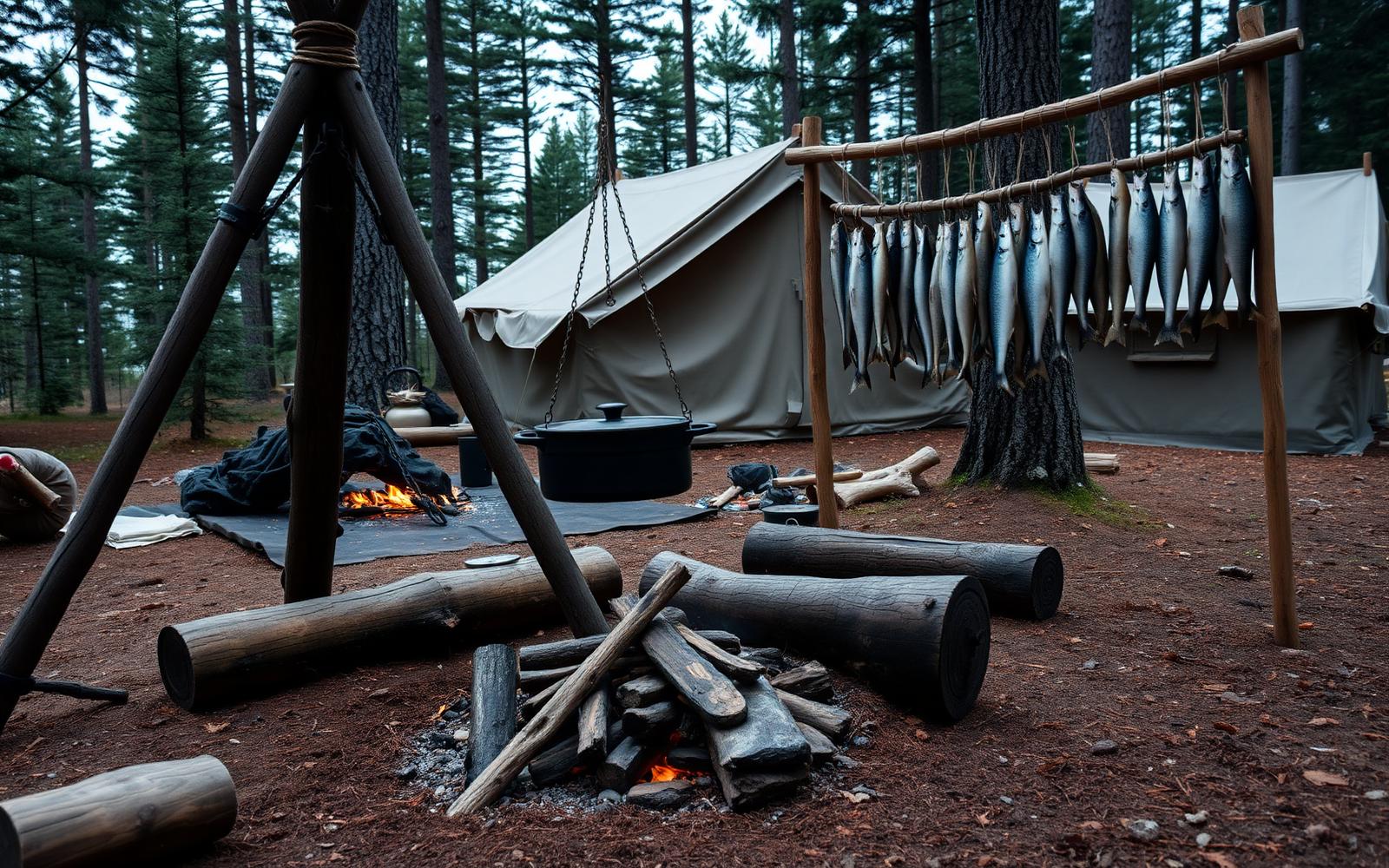
Every good camp plan starts with a map, but the best camp plans are finalized on the ground, reading the language of the forest. The landscape, the foliage, and the subtle signs left by its inhabitants tell a story. Learning to interpret these can prevent a miserable night or, more importantly, a dangerous one.
Animal Trails and Camp Placement
Animal trails are everywhere, from faint deer paths to well-worn game trails. Most are simply efficient routes animals use between food, water, and shelter. However, establishing your camp directly on or too close to a frequently used animal trail can invite unwanted visitors or disturb their routines.
- Observe animal sign: Look for tracks, scat, and rub marks. Heavy sign indicates high traffic.
- Higher ground: Animals, especially large ungulates, often prefer to travel along contours or ridgelines. Camp slightly off these major thoroughfares.
- Water sources: Trails often radiate from water sources. Avoid camping directly on these approaches, especially if you rely on the same water.
- Predator trails: While less common, be aware of signs of larger predators (bear scat, cougar scrapes). If you find fresh, abundant sign, consider moving to a different drainage or area altogether.
Water: Too Close, Too Far, or Just Right?
Water is life, and finding a reliable source is paramount. However, camping too close to water can present its own set of problems.
- Mosquitoes and insects: Stagnant or slow-moving water is a breeding ground for insects. A good breeze helps, but proximity to marshes or stagnant pools often means a bug-filled night.
- Flash flooding: Dry creek beds can become raging torrents with a distant downpour. If rain is expected, or if you're in a canyon, always camp above the high water mark and off the main channel.
- Animal congregation: Water sources attract animals, including those you might prefer to keep at a distance for camp safety. Give them space.
- Sustainable sourcing: Aim to camp far enough away from the water source (at least 200 feet is a good guideline, if the terrain allows) to avoid contaminating it, but close enough for easy access. Consider the slope and drainage around your tent.

Weather Indicators in the Wild
Nature provides subtle clues about impending weather changes. Learning to read these can help you batten down the hatches or find better shelter before a storm hits.
- Wind direction and consistency: A sudden shift in wind direction or an increase in gusts can precede a front.
- Cloud formations: While not a comprehensive meteorology lesson, recognize the basics. Towering cumulonimbus clouds, often called thunderheads, signal potential thunderstorms. A mackerel sky (altocumulus clouds) can sometimes indicate a change in weather within 24 hours.
- Vegetation behavior: Some plants close their leaves or droop before rain. Pine needles can become more fragrant, or you might notice a fresh earth smell before a downpour.
- Animal activity: Birds often fly lower before a storm. Insects can become more active. Fish may bite more aggressively before a pressure drop.
Tree Selection and Forest Hazards
The trees around your campsite offer shade, shelter, and sometimes, danger.
- Widowmakers: Dead branches, especially large ones, or entire dead trees (snags) can fall without warning. Always look up before pitching your tent. Avoid camping directly under or near anything that looks unstable.
- Tree health: Examine trees for signs of disease, rot, or insect infestation that might weaken them.
- Species identification: Some trees, like aspens or birches, have shallower root systems and are more prone to falling in high winds when mature. Others, like oaks or maples, are generally more stable.
- Undergrowth: Dense undergrowth can indicate good soil and moisture, but also makes for harder movement and can harbor more insects.
Ultimately, the map and compass get you to the general area, but your observation skills fine-tune your exact camping spot. Taking a few extra minutes to read the forest before setting up your shelter can make the difference between a restful night and a night filled with discomfort or even peril. Develop your eye for these details, and you'll find yourself integrating into the landscape more seamlessly, and safely.