



In the backcountry, every ounce in your pack and every minute spent setting up matters. While tents offer a sense of security and often more enclosed space, there are numerous situations where a simple tarp becomes the superior shelter choice.
Weight and Packability
One of the most immediate benefits of a tarp is its significantly lower weight and smaller packed size compared to even the lightest tents. Eliminating poles, heavier fabrics, and complex pitching systems sheds considerable bulk. For long treks, ultralight backpacking, or fast-and-light approaches, this weight reduction directly translates to less fatigue and more ground covered. A smaller packed size also means more room in your pack for other essentials or simply a more streamlined kit. This allows for greater agility and less strain on your body, especially over varied terrain or during extended trips.
Versatility in Pitching
Unlike a tent with a fixed design, a tarp offers unparalleled versatility in how it can be pitched. With just a few tie-outs, cordage, and trekking poles (or found sticks), you can adapt your shelter to diverse conditions and terrains. Need maximum airflow in a warm, bug-free environment? Pitch it high for an open A-frame. Battling relentless wind and rain? Create a low-slung, storm-worthy lean-to or a half-pyramid. This adaptability allows you to optimize your shelter for view, ventilation, privacy, and protection, rather than being confined to a single configuration. This flexibility is a key advantage, letting you respond to changing weather or campsite realities.
Common Tarp Pitches:
- A-frame: Classic and effective, offering good coverage and shedding rain.
- Lean-to: Excellent for reflecting heat from a fire, quick to set up.
- Half-pyramid/Modified A-frame: Provides more enclosed space and wind protection from one side.
- Flap/Porch: Creates an extended covered area for cooking or gear staging.
- Low Wedge: Ideal for stealth camping and minimal wind exposure.
Environmental Connection and Awareness
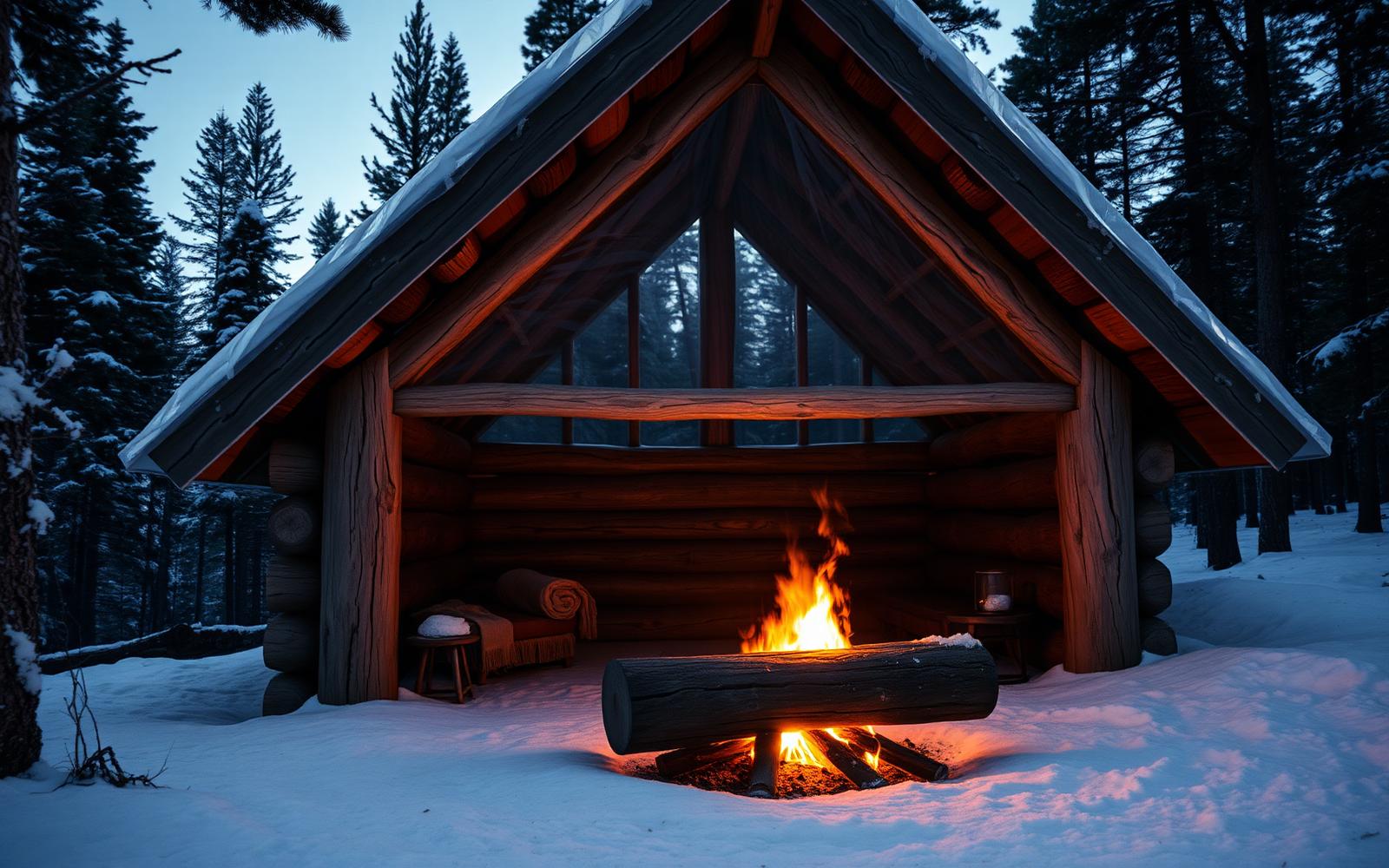
Sleeping under a tarp offers a more immersive experience with nature. Without the mesh and fabric walls of a tent, you're more exposed to the sounds, smells, and sights of the wilderness. This can be a profound advantage for those seeking a deeper connection to their surroundings. You're more likely to notice wildlife, feel the breeze, and observe the stars. This heightened environmental awareness can also translate to practical benefits, such as hearing approaching weather changes or wildlife more readily. It fosters a minimalist mindset, encouraging you to be more acutely aware of your immediate environment and its nuances.
Durability and Repairability
Many high-quality tarps are made from robust, ripstop fabrics that are surprisingly durable for their weight. Moreover, due to their simple construction, repairs are often straightforward. A tear in a tent's mesh or floor can be a complicated fix in the field, potentially compromising its integrity. A tarp, however, can often be patched quickly with tape or a needle and thread, often without impacting its overall function significantly. This simplicity contributes to a longer lifespan and less frustration if damage occurs.
Cost-Effectiveness
Generally, a quality tarp will be significantly less expensive than a comparable ultralight tent. While high-end tarps exist, the entry cost for a functional and reliable tarp setup is often much lower. This makes tarps an excellent option for those on a budget or for individuals looking to experiment with ultralight backpacking without a substantial initial investment. The savings can then be allocated to other essential gear, improving the overall quality of your kit.
Situational Awareness and Safety
With fewer visual obstructions, a tarp can offer better situational awareness. You can more easily monitor your surroundings for potential hazards, approaching animals, or other people. While this might feel less secure to some, seasoned bushcrafters often value this broader perspective for safety and readiness. In situations where stealth or a quick departure might be necessary, a tarp setup is often faster to pack up than a tent, allowing for a more agile response to unforeseen circumstances.
In conclusion, while tents have their place, understanding when a tarp offers a superior alternative can significantly enhance your backcountry experience. Consider a tarp for its weight savings, pitching versatility, deeper communion with nature, durability, cost-effectiveness, and heightened situational awareness. It's a tool that, once mastered, opens up new possibilities for lightweight and adaptable wilderness shelter.