


Alone succeeds because it removes most of the machinery that makes reality television feel manufactured. There is no villa, no voting bloc, and no host arriving at camp to announce a conveniently timed twist. There are skilled people, unforgiving landscapes, ten selected items, and a camera that keeps recording after confidence gives way to candor. The result is not merely a survival contest. It is one of television’s clearest studies of competence, solitude, judgment, and the stories people tell themselves when no audience is physically present.
The format trusts the wilderness
Most competition programs need producers to manufacture scarcity, conflict, or surprise. Alone begins with all three already built into the setting. Weather changes. Fish stop biting. Daylight contracts. A shelter leaks. Those events are not plot devices; they are ordinary wilderness facts with consequences. Because the environment supplies the pressure, the show can let participants make meaningful choices instead of forcing them through artificial challenges. That trust is the foundation of the series.
The contestants are subjects, not game pieces
The strongest episodes make room for people to explain why they came, what they fear, and how their thinking changes. A participant may demonstrate remarkable trapping or shelter skill one moment and admit homesickness the next. The combination is not contradictory. It is the point. The show works because competence does not erase vulnerability, and vulnerability does not cancel competence.
Self-filming creates unusual honesty
Participants operate their own cameras while also securing food, maintaining shelter, and protecting their health. That burden is real, yet it produces an intimacy a conventional crew might interrupt. A whispered thought at dawn or a frustrated confession after a failed set can feel less like an interview and more like a private field journal. The camera becomes witness rather than provocateur.
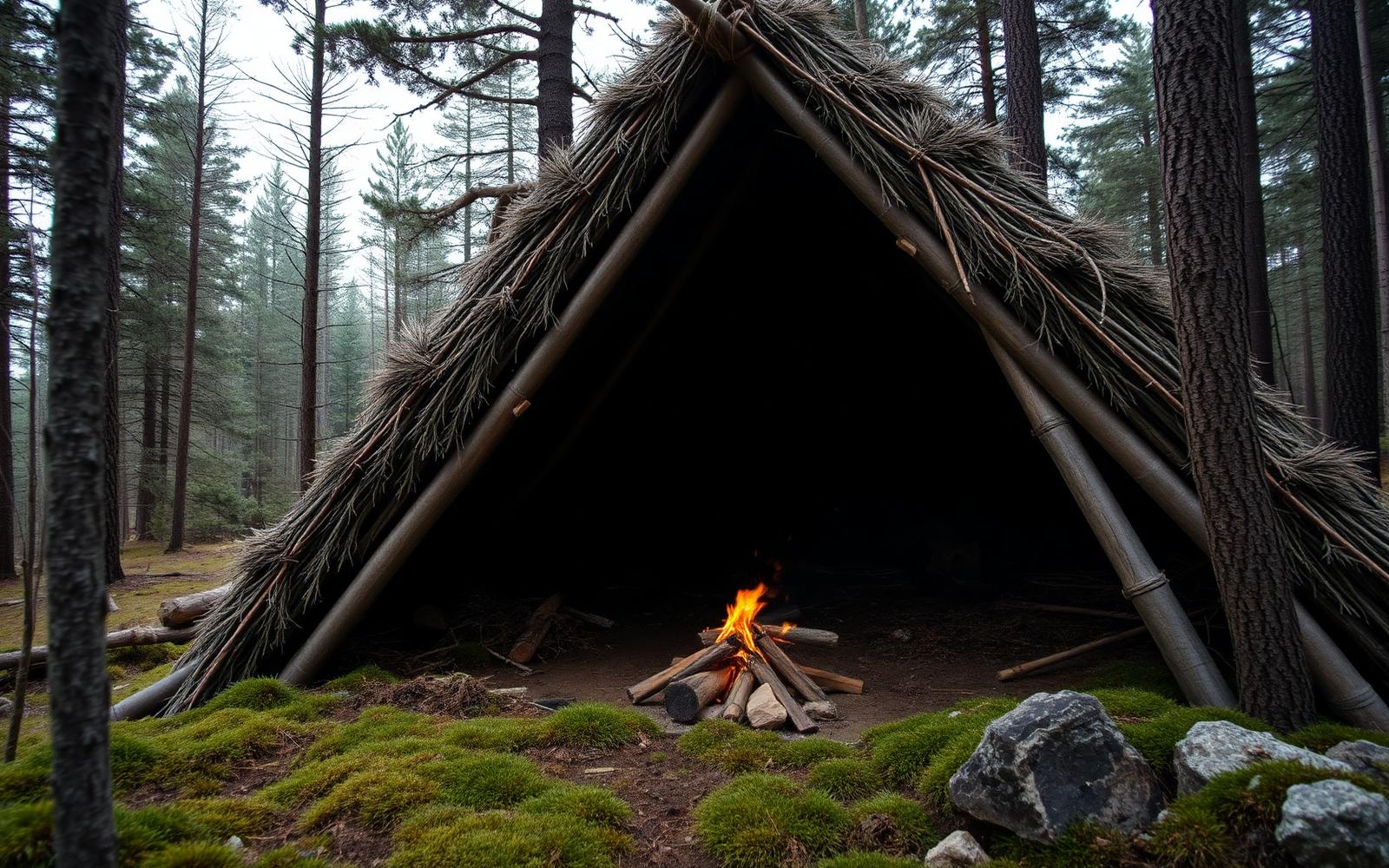
Every tap-out can still contain a success
Winning matters, but the series rarely reduces everyone else to failure. A medically necessary exit can show sound judgment. A participant who leaves for family may have discovered the answer to a deeper question. Someone who lasts fewer days may still teach viewers a superb knot, fishing method, or way of reading terrain. The scoreboard is simple; the human accounting is not.
It respects viewers enough to move slowly
The show allows time for small work: splitting kindling, resetting a trapline, drying socks, watching water, waiting for a bite. That pace is not empty. It teaches viewers what long-duration survival actually contains—maintenance, repetition, and decisions made before they become emergencies. In a television culture terrified of silence, Alone lets silence earn its place.
Final word
The finest compliment for Alone is that the series does not need to pretend survival is dramatic. It simply watches closely enough to reveal that judgment, hunger, weather, hope, and loneliness already are. Reality television usually asks people to perform. Alone asks them to endure—and, in doing so, often lets them become more fully themselves.
Editorial note: This is original, positive commentary. Series and season information was checked against official HISTORY episode guides on July 14, 2026.
Build the kit you just watched
Every item below is ranked from field use — no filler, no budget picks.
- The 10 items, rankedWhat actually survives 100 days — our tested picks for every slot on the list.
- Best bushcraft axesThe axe is the highest-leverage pick in the game. Here are the ones worth the weight.
- Best bushcraft knivesEvery winner carried one. These are the fixed blades that hold up to a full season.
- What the winners carriedSeason-by-season loadout analysis of every Alone champion.