


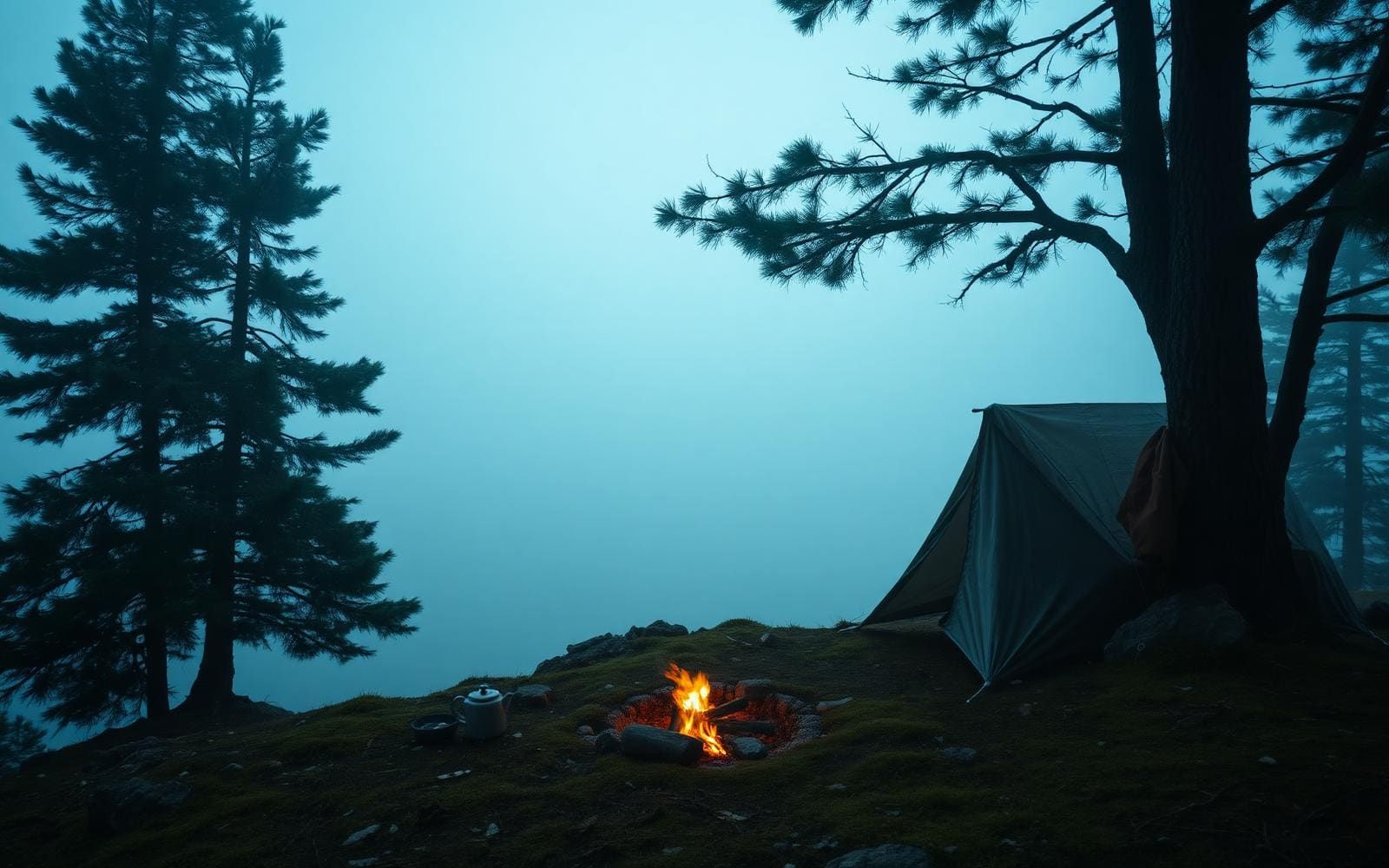
Fishing gives Alone a nearly perfect narrative device. It combines skill, uncertainty, local knowledge, patience, and immediate consequence. A participant can do almost everything correctly and still catch nothing. Another can adjust depth, location, bait, or timing and change the trajectory of a week. Every cast carries hope, but the water owes no one a satisfying ending.
The stakes are easy to understand
Viewers may not know the finer points of gill nets, set lines, fly selection, or lake structure, but everyone understands an empty hook and a landed fish. The visual grammar is immediate. That accessibility allows the show to teach technique without losing momentum.
Fishing turns adaptation into action
Conditions change with temperature, wind, water level, season, and available forage. Effective anglers observe and modify their approach. They move the set, alter presentation, repair equipment, or switch target species. Those changes make strategy visible and give the audience a fair chance to think along.
Success creates more decisions
A fish is not simply calories. It must be landed, dispatched, processed, cooked, preserved, and protected from contamination or scavengers. A large catch may solve one problem while creating labor and storage concerns. The story expands after the victory rather than ending with it.
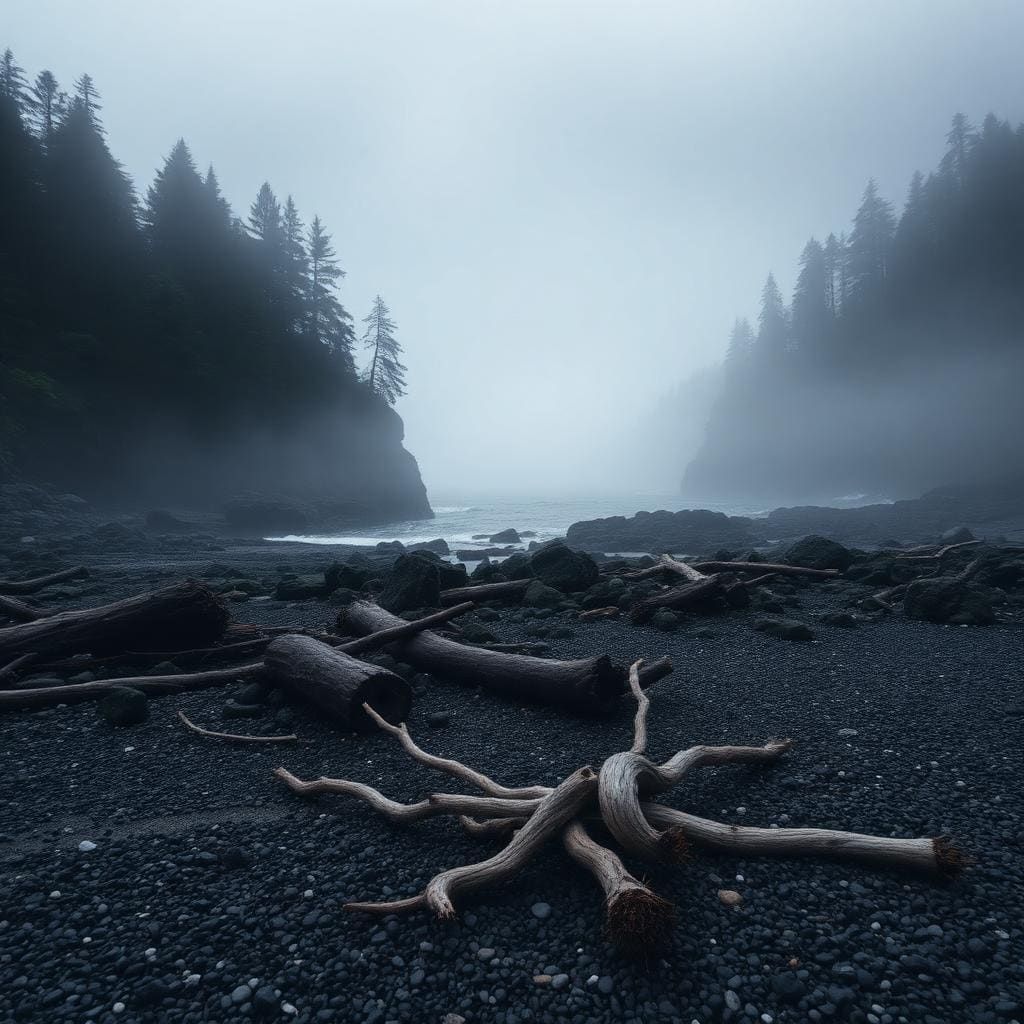
Failure remains dramatic without villainy
A lost fish, broken line, stolen bait, or unproductive water can be devastating because the participant has invested scarce energy and expectation. No antagonist is required. The tension comes from probability, fatigue, and need—cleaner forces than manufactured interpersonal conflict.
Fishing also offers beauty
Some of the series’ most peaceful images involve water: first light on a lake, line cutting a current, hands releasing an unsuitable catch, or a quiet meal after patient effort. The activity can hold suspense and serenity in the same scene. That tonal range serves the show unusually well.
Final word
Fishing on Alone works because it is never only fishing. It is resource assessment, technical adaptation, emotional regulation, food security, and chance braided into one activity. The line disappears beneath the surface, and for a moment the participant and viewer are waiting for the same answer.
Editorial note: This is original, positive commentary. Series and season information was checked against official HISTORY episode guides on July 14, 2026.
Build the kit you just watched
Every item below is ranked from field use — no filler, no budget picks.
- The 10 items, rankedWhat actually survives 100 days — our tested picks for every slot on the list.
- Best bushcraft axesThe axe is the highest-leverage pick in the game. Here are the ones worth the weight.
- Best bushcraft knivesEvery winner carried one. These are the fixed blades that hold up to a full season.
- What the winners carriedSeason-by-season loadout analysis of every Alone champion.