


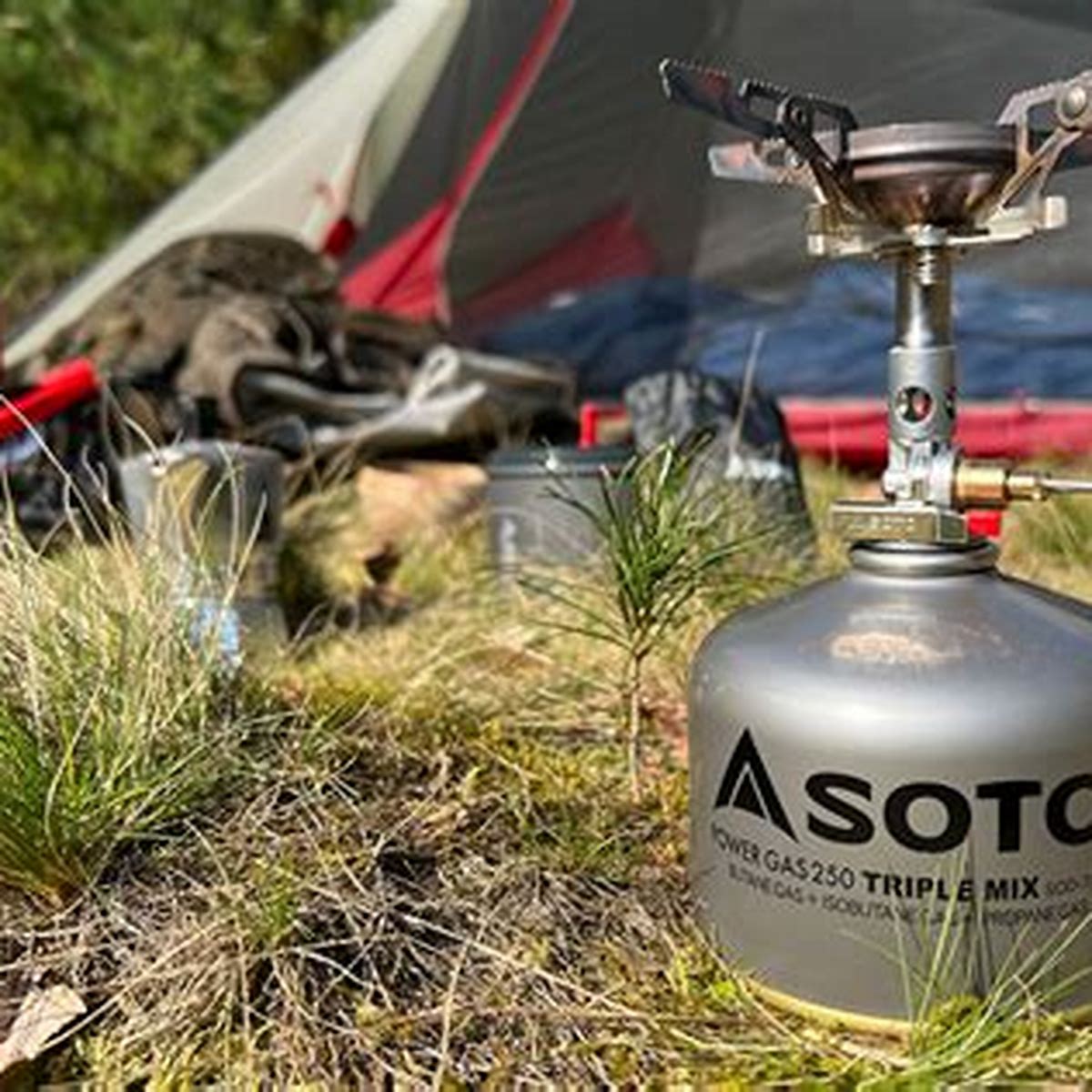
Best overall
Windmaster— Soto
Best for: Two-person trips that actually cook
Regulated burner holds a flame in wind and simmers without scorching.
Verified product record
Buying guide
A camp stove is a portable burner — canister, liquid fuel, alcohol, or wood — paired with a pot or integrated cook system that boils water and cooks meals away from a kitchen.
By Wild10 Editors · Fieldcraft desk · Updated 7/16/2026
A camp stove is a portable burner — canister, liquid fuel, alcohol, or wood — paired with a pot or integrated cook system that boils water and cooks meals away from a kitchen.
Backpackers counting grams, canoe and basecamp cooks feeding a group, and winter travelers who need reliable heat when canisters go cold.
Isobutane canisters are simplest and lightest; white gas runs hot in deep cold and refills anywhere; alcohol is silent and simple; multi-fuel travels internationally.
Integrated systems boil fastest and shield wind. Separate burner-and-pot setups simmer real meals without scorching.
A regulated burner with a recessed head or a built-in heat exchanger holds output in wind far better than a bare tripod burner.
One or two people: 0.8–1 L. Three or four: 1.5–2 L with a wide base. Larger groups: two burners or a liquid-fuel stove and a 4 L pot.
| Trip profile | Stove type | Pot | Fuel |
|---|---|---|---|
| Solo fast-and-light, boil water only | Integrated canister system | 0.8–1 L | Isobutane |
| Two people cooking real meals | Regulated canister burner | 1.5 L wide | Isobutane |
| Winter and expedition | Liquid-fuel pump stove | 2 L with lid | White gas |
| International travel | Multi-fuel stove | 2 L | White gas / kerosene / unleaded |
| Basecamp and canoe trips | Two-burner or alcohol set | Nested cookset | Propane or alcohol |
| Stove type | Weight | Boil (1 L) | Cold weather | Simmer |
|---|---|---|---|---|
| Ultralight canister burner | 2–3 oz | 3:30–4:30 | Poor below -5 °C | Fair |
| Regulated canister burner | 3–4 oz | 3:00–4:00 | Good to -10 °C | Very good |
| Integrated canister system | 12–16 oz | 2:00–2:40 | Good | Poor to fair |
| Liquid-fuel pump stove | 11–17 oz | 3:00–3:45 | Excellent | Good |
| Alcohol burner | 1–4 oz | 6:00–9:00 | Poor | None |
Below about -5 °C, canister pressure drops and boil times balloon; sleep with the canister, invert it if the stove supports liquid feed, or carry white gas. In sustained wind, a heat exchanger pot saves more fuel than any windscreen.
Budget roughly 100 ml of white gas or 20 g of isobutane per person per day for two hot meals and drinks in mild weather, and double it for snow melting.
Best overall
Best for: Two-person trips that actually cook
Regulated burner holds a flame in wind and simmers without scorching.
Verified product record
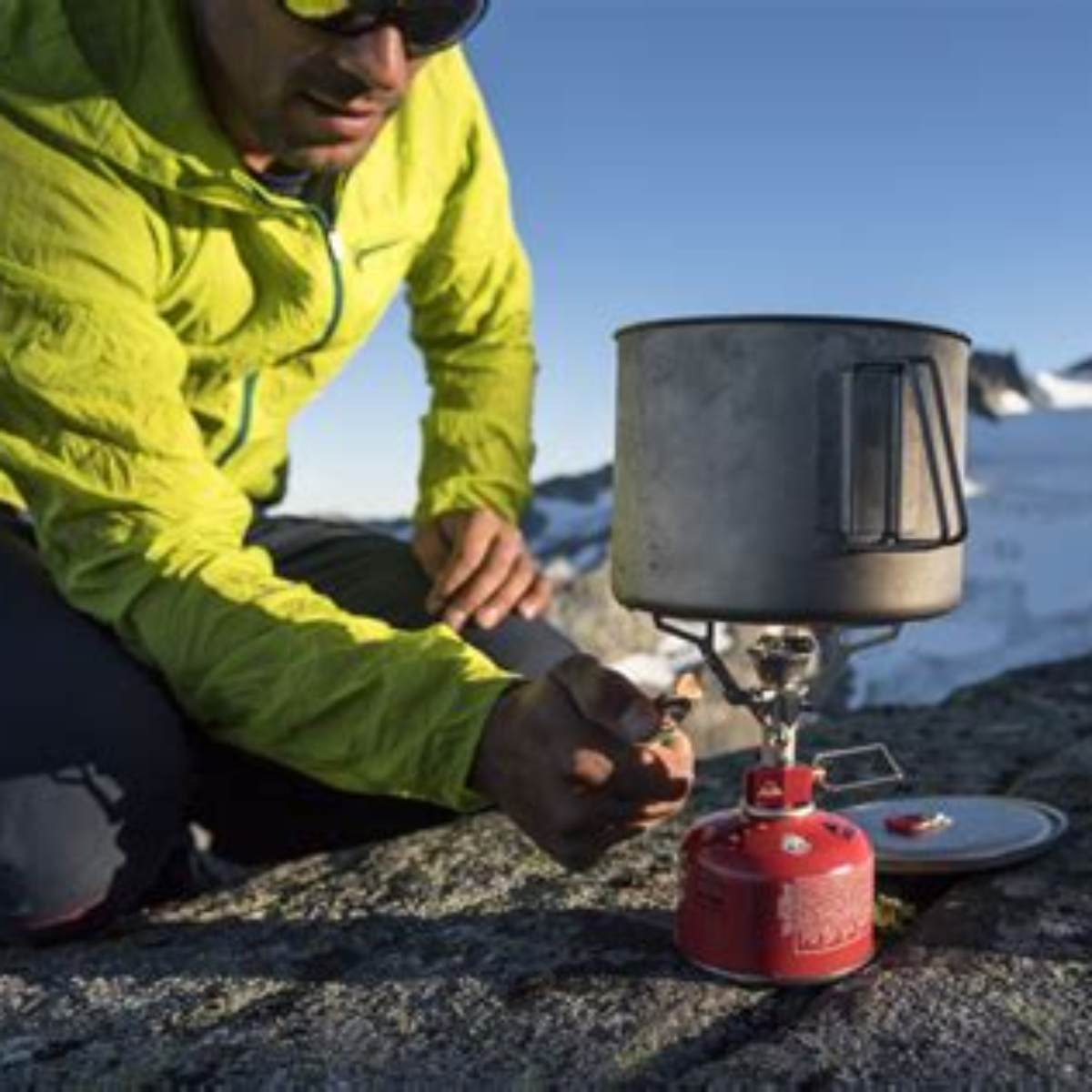
Best value
Best for: First backpacking stove
Tiny, cheap, endlessly serviceable, and boils fast enough for anyone.
Verified product record

Best integrated system
Best for: Fast hot water in wind
Pressure-regulated with a locking pot; boils while other stoves flicker.
Verified product record
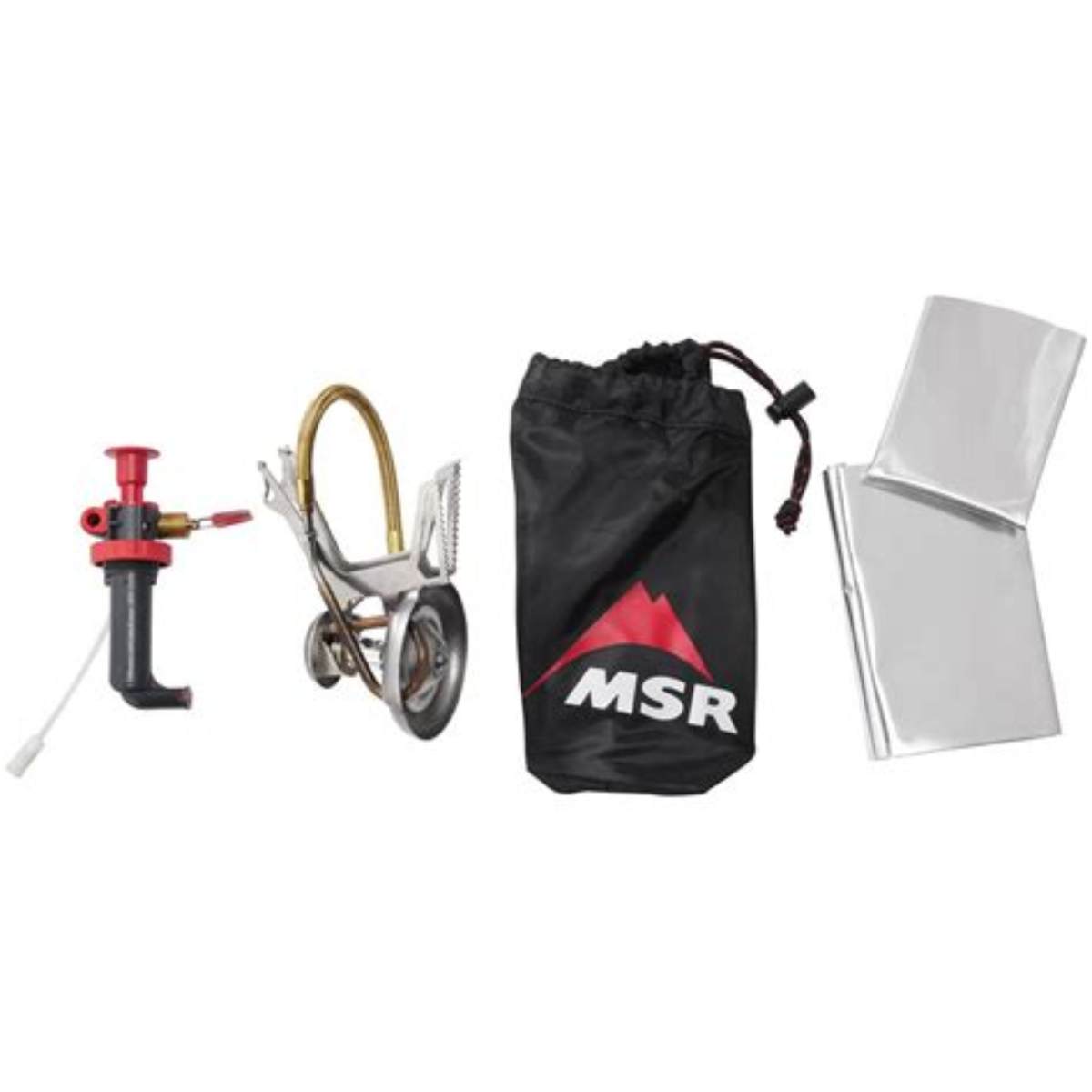
Best for winter and expeditions
Best for: Snow melting and deep cold
White gas pump stove that does not care how cold the morning is.
Verified product record
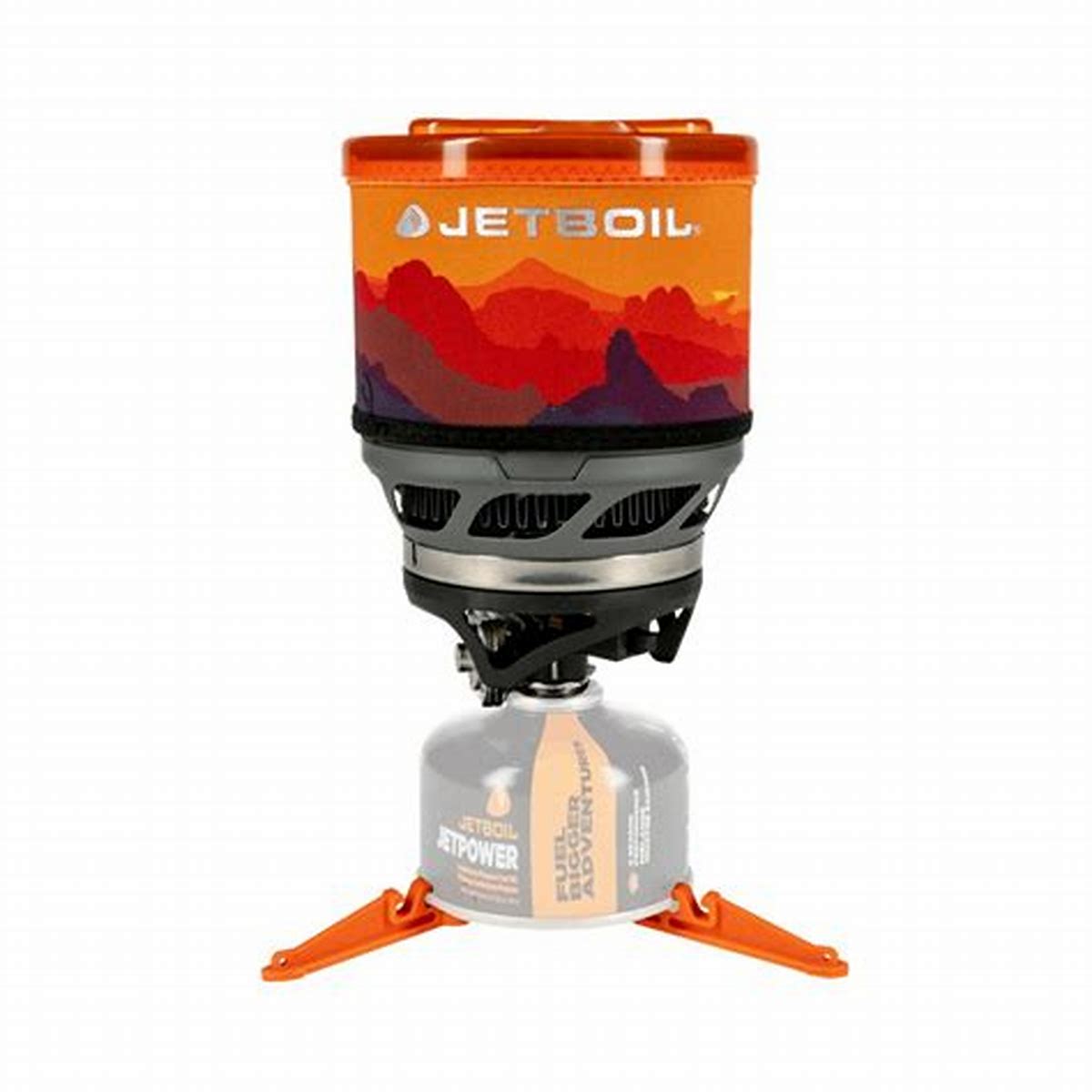
Best simmering system
Best for: Real meals for two
Integrated pot with a usable simmer valve and a spoon-friendly shape.
Verified product record
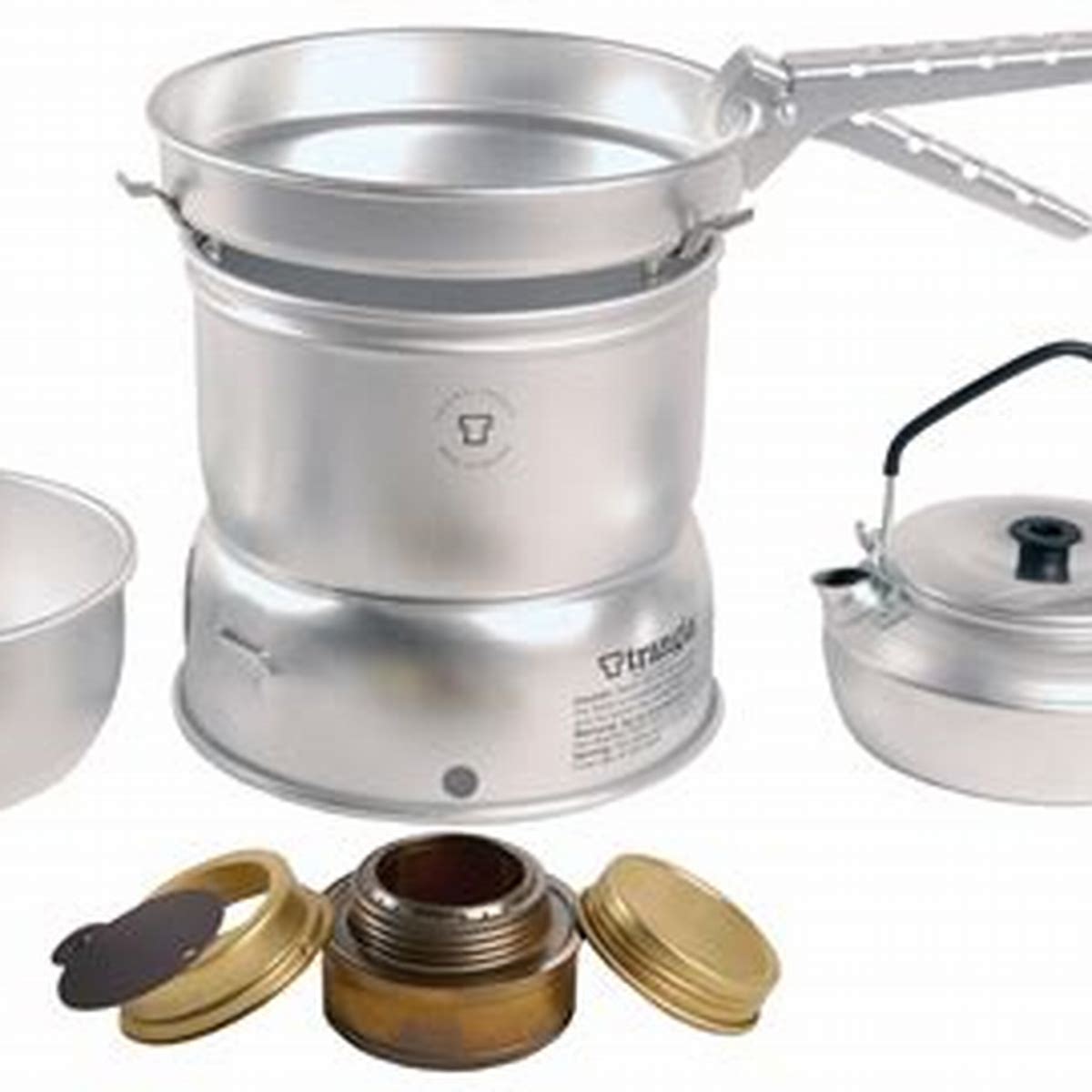
Best silent set
Best for: Canoe trips and quiet camps
Alcohol cookset with nothing to break and no fuel canisters to pack out.
Verified product record
| Role | Product | Brand | Price (USD) | Weight | Made in |
|---|---|---|---|---|---|
| Best overall | Windmaster | Soto | — | — | Japan |
| Best value | PocketRocket 2 | MSR | — | — | United States |
| Best integrated system | MSR WindBurner | MSR | — | — | United States |
| Best for winter and expeditions | WhisperLite International | MSR | — | — | United States |
| Best simmering system | MiniMo | Jetboil | — | — | United States |
| Best silent set | Trangia 27 | Trangia | — | — | Sweden |
Boil times are measured with 1 L of water at sea level in still air, then re-checked in wind where possible. Weights exclude fuel and are cross-checked against manufacturer specifications.
Once you know what to look for, these lists rank the specific products we recommend.