



Top 10 · Gear
The 10 Best Backpacking Cook Kits (2026)
Integrated systems and modular pot kits ranked on fuel efficiency, packability, and real-world simmering.
Updated September 2026 · 10 picks re-checked for availability and current spec, reader ratings refreshed live.
A cook kit is a system: burner, pot, lid, handle, and the way it nests. We ranked on measured boil times in wind, fuel burned per liter, and whether the kit can actually simmer — the single feature most integrated systems ignore. Titanium sets from Japanese and European makers still lead on refinement.
The short answer


Compare all 10 picks at a glance
Editorial ranking, what each pick is best at, and how we assessed it. Tap a name to jump to the full write-up.
| # | Pick | Best for | Key spec | Evidence |
|---|---|---|---|---|
| 1 | Reactor 1.0 L System MSR | Mountaineering and alpine starts | Weight: 14.7 oz (417 g) | Research only |
| 2 | MiniMo Jetboil | Backpacking and camping | Maker: Jetboil | Research only |
| 3 | Titanium Trek 1400 + LiteMax Snow Peak | Ultralight backpacking | Material: Titanium | Research only |
| 4 | 27-2 UL Alcohol Set Trangia | International backpacking where fuel availability is uncertain | Fuel Type: Denatured alcohol | Research only |
| 5 | Lite XL Primus | Cold weather backpacking | Capacity: 1.0 Liter | Research only |
| 6 | Titanium 750 ml Pot + BRS-3000T Toaks | Solo ultralight backpacking | Total Weight: 130g (pot + stove) | Research only |
| 7 | WindMaster with 4Flex Soto | Backpacking in cold weather | Fuel Type: Isobutane-Propane Canister | Research only |
| 8 | WhisperLite Universal Kit MSR | International expeditions | Fuel Type: Liquid (white gas, kerosene, unleaded), Canister | Research only |
| 9 | Pinnacle Dualist II GSI Outdoors | Multi-day backpacking trips for two | Capacity: 1.8 Liters | Research only |
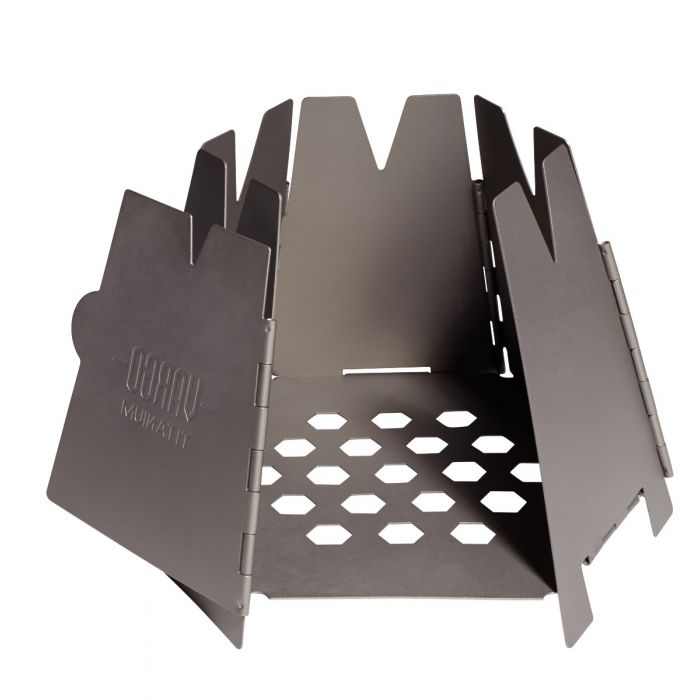
| 10 | Titanium Hexagon Wood Stove Vargo | Ultralight backpacking | Material: Titanium | Research only |
How we chose
We started with a long list of best backpacking cook kits that people actually buy, cut anything that could not clear our baseline for durability and field performance, then ranked the 10 that were left against the same criteria. Rankings are editorial. No brand pays for placement, and affiliate links never move a pick up or down.
- Load carriage
- How the suspension handles the loads the pack is actually rated for, over long days.
- Throughput and fuel economy
- Boil times, flow rates, and how much fuel or effort a real trip consumes.
- Real-world durability
- How the material, stitching, or steel holds up after a season of hard use — not how it looks new.
- Performance in bad conditions
- Wind, rain, cold, and grit are the test. Anything that only works on a nice day gets marked down.
- Weight and packability
- Every ounce has to earn its place in the pack, but not at the cost of something that fails in the field.
- Ease of use
- Setup, adjustment, and maintenance with cold hands, in the dark, without the manual.
Best of the Best · Head to Head
Reactor 1.0 L System vs MiniMo
#1 vs #2 — side-by-side specs, pros & cons, and the final verdict.
Compare any two picks
Build your own side-by-side
Choose any two of these 10 picks and compare specs, price, pros, cons and reader ratings.
Topic summary
Integrated systems and modular pot kits ranked on fuel efficiency, packability, and real-world simmering.
Key takeaways
- #1 Reactor 1.0 L System — MSR
- #2 MiniMo — Jetboil
- #3 Titanium Trek 1400 + LiteMax — Snow Peak
- #4 27-2 UL Alcohol Set — Trangia
- #5 Lite XL — Primus
- #6 Titanium 750 ml Pot + BRS-3000T — Toaks
Intended uses
Gear
Verification notes
Editorial ranked list, 10 entries. Evidence mix — 10 research only. Buy links open the maker or a retailer search. Last reviewed September 2026.
Best backpacking cook kits for a specific job
Skip the ranking — jump to the pick that matches how you actually use it.
- Best for mountaineering and alpine starts
- #1 Reactor 1.0 L System — MSRThe best stove in wind, full stop. Radiant burner and an enclosed heat exchanger that ignores gusts.Read the full profile
- Best for backpacking and camping
- #2 MiniMo — JetboilThe only integrated system that simmers properly, thanks to a regulator valve and low-profile pot.Read the full profile
- Best for ultralight backpacking
- #3 Titanium Trek 1400 + LiteMax — Snow PeakJapanese titanium, 1.9 oz burner. The refined minimalist kit that lasts a lifetime.Read the full profile
- Best for cold weather backpacking
- #5 Lite XL — PrimusSwedish-built with a genuine heat exchanger and a hangable pot. Superb cold-weather regulator.Read the full profile
- Best for solo ultralight backpacking
- #6 Titanium 750 ml Pot + BRS-3000T — ToaksThe ultralight cult kit: 130 grams complete and better made than the price suggests.Read the full profile
- Best for backpacking in cold weather
- #7 WindMaster with 4Flex — SotoJapanese micro-regulator burner that holds output at 20°F. The best small-canister stove made.Read the full profile
- Best for international expeditions
- #8 WhisperLite Universal Kit — MSRMulti-fuel for expeditions and foreign travel. Field-serviceable with a wire and a shaker jet.Read the full profile
- Best for multi-day backpacking trips for two
- #9 Pinnacle Dualist II — GSI OutdoorsThe best two-person kit with real dishes, insulated mugs, and a stuff-sack strainer.Read the full profile
Size it yourself
Free Wild10 calculators for this kit — no signup, formulas published.
Our editors test the gear, pick the ten, and set the order the day a list publishes. After that, the ranking is live: every member star rating feeds the community order, so picks climb or slide as real owners report back. Editorial judgment decides what earns a spot — you help decide where it sits.
- Editors set the field
Hands-on testing and spec research choose the ten and the published order.
- Readers re-rank it
Your 1–5 star ratings drive the community order on every list.
- Rankings keep moving
Picks rise or fall over time — nothing is frozen at launch day.
Rank this list
Loading community ratings… Ratings re-order the picks — they never change which products make the list.
Sign in to add your own ratings — it's free.
- Pros
- Unmatched wind performance and fuel efficiency
- Extremely fast boil times, even in adverse conditions
- Durable, robust construction for serious use
- Integrated design for compact packing
- Consistent performance in cold weather due to pressure regulator
Cons- Heavier and bulkier than minimalist stove setups
- No simmering capability, strictly for boiling
- Higher initial cost compared to basic canister stoves
- Limited pot size options
Key features- Weight
- 14.7 oz (417 g)
- Material
- Hard-anodized aluminum pot, stainless steel burner
- Volume
- 1.0 Liter
- Boil Time
- Approx. 3 minutes for 1L (ideal conditions)
- Fuel
- Isobutane-propane canister
- Ignition
- Manual (lighter/match required)
Best forMountaineering and alpine starts, Winter camping and snow melting, Expeditions and extended trips, Fast and light rehydrated meals, Emergency preparedness kit
Pros- Unmatched wind performance and fuel efficiency
- Extremely fast boil times, even in adverse conditions
- Durable, robust construction for serious use
- Integrated design for compact packing
- Consistent performance in cold weather due to pressure regulator
Cons- Heavier and bulkier than minimalist stove setups
- No simmering capability, strictly for boiling
- Higher initial cost compared to basic canister stoves
- Limited pot size options
Assessed by Wes Donnelly against our ranking criteria.No ratings yet - Pros
- Excellent simmer control for real cooking
- Wide, shallow pot makes cooking and eating easier
- Efficient fuel consumption thanks to regulator technology
- Stable design with included canister stabilizer
- Compact all-in-one packing solution
Cons- Slightly heavier than boil-only integrated systems
- Higher price point than basic stove setups
- Not ideal for ultralight hikers focused solely on boiling
Key features- Weight (system)
- 14 oz (397g)
- Maker
- Jetboil
- Model
- MiniMo
- Volume
- 1 Liter
- Boil Time (1L)
- 4 minutes 30 seconds
- Fuel Type
- Isobutane/Propane Canister
Best forBackpacking and camping, Cooking diverse meals on trail, Solo or duo adventures, Cold weather cooking
Pros- Excellent simmer control for real cooking
- Wide, shallow pot makes cooking and eating easier
- Efficient fuel consumption thanks to regulator technology
- Stable design with included canister stabilizer
- Compact all-in-one packing solution
Cons- Slightly heavier than boil-only integrated systems
- Higher price point than basic stove setups
- Not ideal for ultralight hikers focused solely on boiling
Assessed by Wes Donnelly against our ranking criteria.No ratings yet - Pros
- Exceptional strength-to-weight ratio for ultralight packing
- Superior durability and corrosion resistance (titanium)
- Efficient boiling performance for rehydrating meals
- Compact nesting design saves valuable pack space
- Reliable and simple stove operation
Cons- High upfront cost compared to aluminum kits
- Uneven heat distribution for complex cooking tasks
- Less stable than stoves with wider bases
Key features- Stove Weight
- 1.9 oz (LiteMax)
- Cook Pot Capacity
- 1400 ml
- Material
- Titanium
- Packed Dimensions
- Compact nested
- Origin
- Japan
Best forUltralight backpacking, Solo thru-hiking, Fast-and-light mountaineering, Emergency preparedness kits
Pros- Exceptional strength-to-weight ratio for ultralight packing
- Superior durability and corrosion resistance (titanium)
- Efficient boiling performance for rehydrating meals
- Compact nesting design saves valuable pack space
- Reliable and simple stove operation
Cons- High upfront cost compared to aluminum kits
- Uneven heat distribution for complex cooking tasks
- Less stable than stoves with wider bases
Assessed by Wes Donnelly against our ranking criteria.No ratings yet - Pros
- Extremely reliable and robust, almost impossible to break in the field
- Excellent wind protection, maintains efficiency in challenging conditions
- Quiet operation, contributes to a more peaceful backcountry experience
- Simple to use, no complex parts or maintenance required
- Fuel is widely available internationally and inexpensive
Cons- Slower boil times compared to gas canister stoves, especially in cold weather
- Alcohol fuel has a lower energy density, meaning more fuel volume to carry
- Not the lightest option for ultralight backpackers
Key features- Weight
- Approximately 25.7 oz (730 g)
- Material
- Ultra-light aluminum
- Fuel Type
- Denatured alcohol
- Cook System Type
- Integrated stove with windscreen
- Included Pots
- 2 (1L each)
- Frying Pan
- Included
Best forInternational backpacking where fuel availability is uncertain, Solo or two-person trips with a relaxed cooking pace, Cold weather camping where wind protection is crucial, Beginner backpackers seeking an easy-to-use system
Pros- Extremely reliable and robust, almost impossible to break in the field
- Excellent wind protection, maintains efficiency in challenging conditions
- Quiet operation, contributes to a more peaceful backcountry experience
- Simple to use, no complex parts or maintenance required
- Fuel is widely available internationally and inexpensive
Cons- Slower boil times compared to gas canister stoves, especially in cold weather
- Alcohol fuel has a lower energy density, meaning more fuel volume to carry
- Not the lightest option for ultralight backpackers
Assessed by Wes Donnelly against our ranking criteria.No ratings yet - Pros
- Genuine heat exchanger provides excellent fuel efficiency
- Superb cold-weather performance and wind resistance
- Precise simmer control for versatile cooking
- Hangable pot option enhances stability
- All-in-one nested design for compact packing
Cons- Heavier than minimalist pot-and-burner combos
- Larger packed volume than some integrated systems
- Integrated design limits pot-swapping flexibility
Key features- Weight
- 17.9 oz (507 g)
- Capacity
- 1.0 Liter
- Materials
- Hard-anodized aluminum, plastic, stainless steel
- Fuel Type
- Canister (Propane/Butane)
- Boil Time
- Approx. 2:45 for 0.5L (lab)
Best forCold weather backpacking, Fuel-conscious trips, Solo to small group cooking, Camps where hanging is ideal
Pros- Genuine heat exchanger provides excellent fuel efficiency
- Superb cold-weather performance and wind resistance
- Precise simmer control for versatile cooking
- Hangable pot option enhances stability
- All-in-one nested design for compact packing
Cons- Heavier than minimalist pot-and-burner combos
- Larger packed volume than some integrated systems
- Integrated design limits pot-swapping flexibility
Assessed by Wes Donnelly against our ranking criteria.No ratings yet - Pros
- Unbeatable low weight for a full cooking setup
- Incredibly compact, stove and fuel canister nest inside pot
- Rapid boil times for single servings of water
- Budget-friendly price point for both components
- Durable titanium construction resists dents and corrosion
Cons- Lacks stability on uneven ground
- Poor wind performance without an external windscreen
- Not suitable for simmering or complex cooking
- No integrated igniter, requires external flame source
Key features- Total Weight
- 130g (pot + stove)
- Pot Capacity
- 750 ml
- Pot Material
- Titanium
- Stove Material
- Titanium, copper alloy
- Packed Size
- Fits within pot
- Fuel Type
- Isobutane/Propane canister
Best forSolo ultralight backpacking, Fast and light hikes, Emergency kit, Boiling water only
Pros- Unbeatable low weight for a full cooking setup
- Incredibly compact, stove and fuel canister nest inside pot
- Rapid boil times for single servings of water
- Budget-friendly price point for both components
- Durable titanium construction resists dents and corrosion
Cons- Lacks stability on uneven ground
- Poor wind performance without an external windscreen
- Not suitable for simmering or complex cooking
- No integrated igniter, requires external flame source
Assessed by Wes Donnelly against our ranking criteria.No ratings yet - Pros
- Exceptional performance in cold and windy conditions
- Consistent fuel output due to micro-regulator
- Fast boil times in real-world scenarios
- Durable and high-quality construction
- Integrated piezo igniter is reliable and protected
Cons- Slightly heavier than some minimalist stoves
- Not the cheapest option on the market
- Pot supports are separate, a minor assembly step
Key features- Weight (Stove Only)
- 2.3 oz (67g)
- Weight (with 4Flex)
- 3.0 oz (87g)
- Fuel Type
- Isobutane-Propane Canister
- Boil Time (1L)
- Approx. 2:50 (Soto Test)
- Ignition
- Built-in Piezo
- Output
- 11,000 BTU
Best forBackpacking in cold weather, High-altitude cooking, Fast and light trips, Thru-hiking
Pros- Exceptional performance in cold and windy conditions
- Consistent fuel output due to micro-regulator
- Fast boil times in real-world scenarios
- Durable and high-quality construction
- Integrated piezo igniter is reliable and protected
Cons- Slightly heavier than some minimalist stoves
- Not the cheapest option on the market
- Pot supports are separate, a minor assembly step
Assessed by Wes Donnelly against our ranking criteria.No ratings yet - Pros
- Exceptional multi-fuel capability (white gas, kerosene, unleaded, canister)
- Highly reliable and robust construction for harsh conditions
- Field-serviceable design allows for in-the-wild repairs
- Excellent fuel efficiency for extended trips
- Stable pot supports handle larger cookware well
Cons- Requires priming before use (liquid fuel mode)
- Heavier and bulkier than many canister-only stoves
- Can be a bit finicky and loud compared to simpler designs
- Simmer control is good for liquid fuel, but not precise like some canister stoves
Key features- Packed Weight
- 13.7 oz (liquid fuel mode)
- Fuel Type
- Liquid (white gas, kerosene, unleaded), Canister
- Boil Time
- 3.5 min (1L, white gas)
- Average Burn Time
- 110 min (20 oz white gas)
- Ignition
- Manual
- Serviceability
- Field-serviceable
Best forInternational expeditions, Cold weather camping, Long-duration backpacking, Remote wilderness trips, Groups of 2-4
Pros- Exceptional multi-fuel capability (white gas, kerosene, unleaded, canister)
- Highly reliable and robust construction for harsh conditions
- Field-serviceable design allows for in-the-wild repairs
- Excellent fuel efficiency for extended trips
- Stable pot supports handle larger cookware well
Cons- Requires priming before use (liquid fuel mode)
- Heavier and bulkier than many canister-only stoves
- Can be a bit finicky and loud compared to simpler designs
- Simmer control is good for liquid fuel, but not precise like some canister stoves
Assessed by Wes Donnelly against our ranking criteria.No ratings yet - Pros
- Comprehensive two-person system with dishes and mugs included
- Excellent non-stick pot makes cooking and cleaning easier
- Smart nesting design saves significant pack space
- Insulated mugs keep beverages hot longer
- Stuff sack doubles as a wash basin
Cons- Not the lightest option for ultralight backpackers
- Teflon coating requires careful handling to prevent damage
- Components are specific to this kit; not easily interchangeable
Key features- Capacity
- 1.8 Liters
- Material
- Hard-Anodized Aluminum, Nylon, Silicone
- Packed Size
- 6.4" x 6.4" x 5.9"
- Serves
- 2 People
- Coating
- Teflon with Radiance Technology
Best forMulti-day backpacking trips for two, Car camping for couples, Canoeing and kayaking excursions, Comfort-focused outdoor cooking
Pros- Comprehensive two-person system with dishes and mugs included
- Excellent non-stick pot makes cooking and cleaning easier
- Smart nesting design saves significant pack space
- Insulated mugs keep beverages hot longer
- Stuff sack doubles as a wash basin
Cons- Not the lightest option for ultralight backpackers
- Teflon coating requires careful handling to prevent damage
- Components are specific to this kit; not easily interchangeable
Assessed by Wes Donnelly against our ranking criteria.No ratings yet - Pros
- Extremely lightweight
- Folds completely flat for superior packability
- Uses free, renewable fuel (wood, biomass)
- Durable titanium construction
- Reliable, no moving parts to fail
Cons- Requires active fuel foraging and management
- Slower cooking time than gas stoves
- Can be difficult to use in wet or high-altitude conditions
- Will blacken cooking pots
Key features- Weight
- 4.1 oz
- Material
- Titanium
- Packed Size
- Folds Flat (approx. 5" x 6" x 0.25")
- Fuel Type
- Wood, Biomass
- Includes
- Nylon Carry Case
Best forUltralight backpacking, Thru-hiking, Emergency backup stove, Fuel-free wilderness trips, Areas with abundant dry biomass
Pros- Extremely lightweight
- Folds completely flat for superior packability
- Uses free, renewable fuel (wood, biomass)
- Durable titanium construction
- Reliable, no moving parts to fail
Cons- Requires active fuel foraging and management
- Slower cooking time than gas stoves
- Can be difficult to use in wet or high-altitude conditions
- Will blacken cooking pots
Assessed by Wes Donnelly against our ranking criteria.No ratings yet


Award picks
The ranking above is price-blind and judged on merit. These awards call out the pick we'd hand a specific person with a specific need.
The best stove in wind, full stop.
Ranked #1The only integrated system that simmers properly, thanks to a regulator valve and low-profile pot.
Ranked #2Swedish, silent, and unbreakable.
Ranked #4Japanese titanium, 1.
Ranked #3The ultralight cult kit: 130 grams complete and better made than the price suggests.
Ranked #6Swedish-built with a genuine heat exchanger and a hangable pot.
Ranked #5Solo hikers should buy an integrated system for water-only cooking; anyone who actually cooks should buy a remote-canister stove and a wide, low pot.
How to choose best backpacking cook kits
Every pick on this page was judged against the same criteria. If you want the short answer, Reactor 1.0 L System by MSR is the one we point most people at. If you want to decide for yourself, here is what actually separates a good best backpacking cook kit from an expensive one.
Load carriage
How the suspension handles the loads the pack is actually rated for, over long days.
Throughput and fuel economy
Boil times, flow rates, and how much fuel or effort a real trip consumes.
Real-world durability
How the material, stitching, or steel holds up after a season of hard use — not how it looks new.
Performance in bad conditions
Wind, rain, cold, and grit are the test. Anything that only works on a nice day gets marked down.
Weight and packability
Every ounce has to earn its place in the pack, but not at the cost of something that fails in the field.
Ease of use
Setup, adjustment, and maintenance with cold hands, in the dark, without the manual.
Match the pick to your use
The right best backpacking cook kits depends on what you are actually doing with it: Mountaineering and alpine starts; Winter camping and snow melting; Expeditions and extended trips; Fast and light rehydrated meals; Emergency preparedness kit; Backpacking and camping. Start from the use case, then work down the ranking until you hit the first pick that covers it.
Common mistakes
- Buying the lightest best backpacking cook kits you can find and discovering it cannot take a season of hard use.
- Paying for a specialist feature you will use once a year instead of the versatile option.
- Comparing headline specs across tiers instead of within the same class.
- Skipping fit, sizing, or adjustment checks that decide whether you actually carry it.
Frequently asked questions
- What is the best best backpacking cook kits in 2026?
- Reactor 1.0 L System by MSR takes the top spot. The best stove in wind, full stop.
- How did The Wild10 choose and rank these best backpacking cook kits?
- We judged every pick against the same criteria — load carriage, throughput and fuel economy, real-world durability, performance in bad conditions — and ranked them on merit regardless of price. Integrated systems and modular pot kits ranked on fuel efficiency, packability, and real-world simmering.
- What is the best budget best backpacking cook kits?
- Titanium 750 ml Pot + BRS-3000T by Toaks — The ultralight cult kit: 130 grams complete and better made than the price suggests.
- Reactor 1.0 L System vs MiniMo — which should I pick?
- Reactor 1.0 L System ranks first: The best stove in wind, full stop. MiniMo is the close second: The only integrated system that simmers properly, thanks to a regulator valve and low-profile pot. Our full head-to-head compares them side by side.
- How often is this list updated?
- We review this ranking on a rolling basis and update it whenever a pick is discontinued, meaningfully revised, or beaten by something new. Rankings are editorial — brands do not see them before publication and affiliate links never change the order.
Get The Field List
One short, honest email a week: gear we actually trust, planning guides, and survival-TV coverage. Free, unsubscribe anytime.