


Reader rating
Rate it and you move it. Community ratings re-rank this product inside its Top 10 list.
Expert-picked, reader-ranked. Our editors choose the products and the launch order; member star ratings move picks up or down over time.
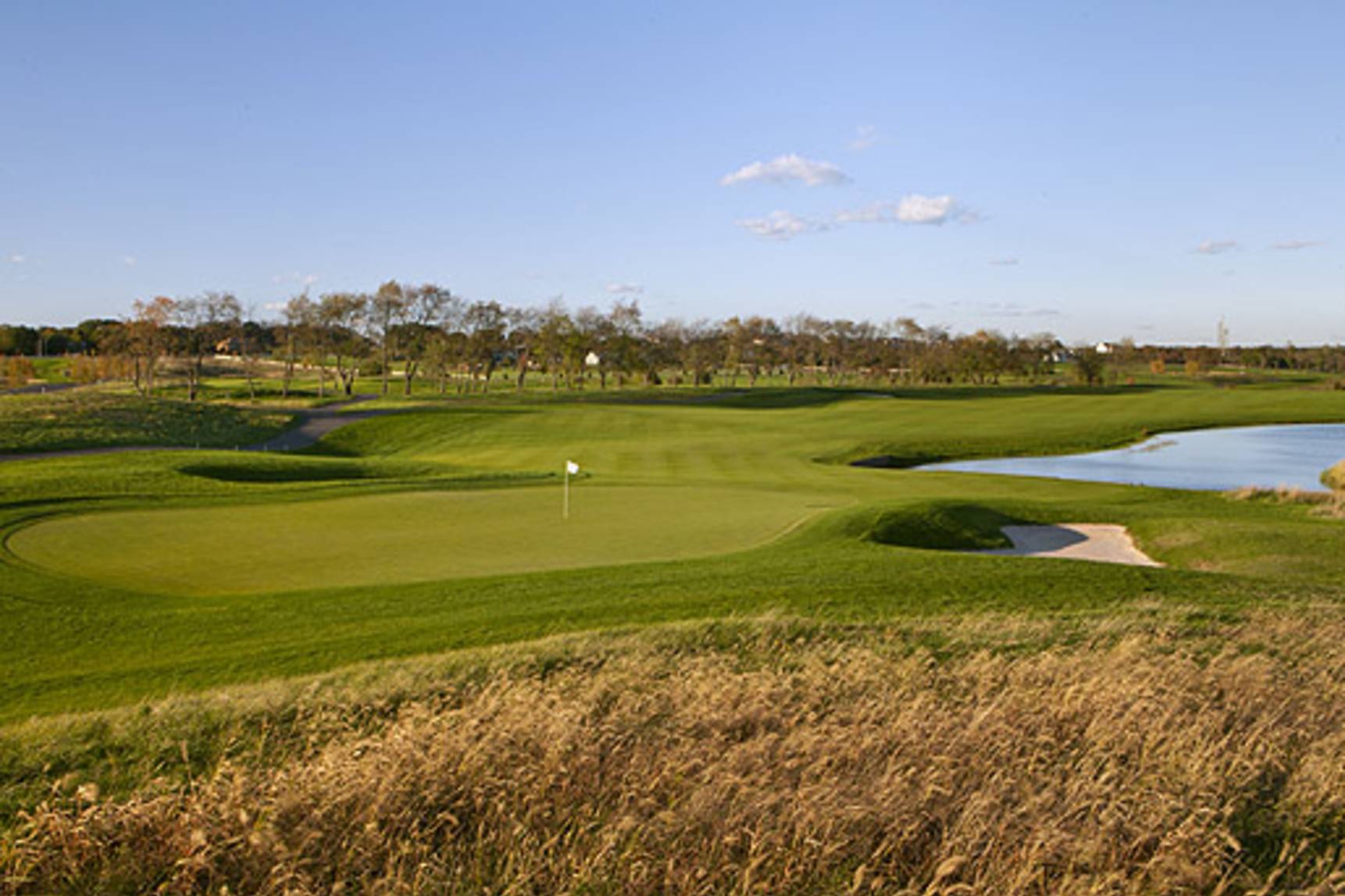
Neshanic Valley is built for players who want resort-grade practice facilities, expansive views, and multiple routing options. Owned and operated by the Somerset County Park Commission in central New Jersey, this 27-hole complex was designed by Michael Hurdzan and Dana Fry. Built across rolling farmland with the Neshanic and Sourland Mountains in the background, it provides a spacious, open-air round that feels grand in scope. The property features three distinct nine-hole courses—the Lake, Meadow, and Ridge—that rotate to form varying 18-hole combinations. Fairways are broad and inviting off the tee, accommodating wind and letting players drive the ball aggressively. However, Hurdzan and Fry protected par by installing large, fescue-rimmed bunkers and sprawling, fast-running green complexes. The bentgrass playing surfaces are maintained to exceptionally high municipal standards. The chief trade-off is the exposed nature of the terrain. The open farmland offers little shade during midsummer heatwaves, and sustained winds can dry out the greens and heavily influence club choice. Because of its stellar reputation across the tri-state area, weekend tee times fill up quickly, and pace of play can slow when the layout is packed. **Highlights** - 27-hole layout offering three distinct nine-hole combinations - Michael Hurdzan and Dana Fry design featuring expansive, strategic bunkering - Broad, generous bentgrass fairways that encourage confident driving - Outstanding practice campus including an extensive driving range and short-game area - Well-managed county park facility with strong environmental stewardship **Watch-outs** - Wide-open landscape offers minimal shade during hot summer rounds - Popular weekend slots can lead to extended rounds over four and a half hours
Pros
- Expansive 27-hole routing offering three diverse 18-hole combinations
- Tour-quality bentgrass greens and fairways maintained to high municipal standards
- Generous driving corridors balanced by sophisticated, strategic bunker design
- Comprehensive practice academy featuring short-game greens and a par-3 course
Cons
- Wide-open farmland topography provides zero shade during peak summer heat
- High regional demand frequently leads to slow weekend rounds exceeding four hours
Best uses
- All-day practice sessions
- Competitive weekend stroke play
- Variable wind golf tactics
- Tri-state destination municipal rounds
Specifications
- Location
- Neshanic Station, New Jersey
- Course Type
- 27-hole municipal complex
- Architects
- Michael Hurdzan and Dana Fry
- Estimated Fee
- Around $90
- Turf Composition
- Bentgrass greens, tees, and fairways
- Governing Body
- Somerset County Park Commission
Pricing
We don't publish a price we haven't verified. The retailer links below open the live listing for this exact model.
Best for
All-day practice sessions, Competitive weekend stroke play, Variable wind golf tactics, Tri-state destination municipal rounds
Where to buy the Valley
We don't have a direct Amazon listing on file yet — this opens an Amazon search for the exact make and model.
Some links are affiliate links. Buying through them supports our testing at no extra cost to you.
Neshanic Valley Golf Course in Somerset County, New Jersey, stands as one of the premier municipal golf developments in the Mid-Atlantic region. Designed by the architectural team of Michael Hurdzan and Dana Fry, the facility transformed rolling agricultural acreage into an expansive 27-hole championship property. Rather than adhering to the tight, tree-lined mold common to older municipal tracks in the Northeast, the routing takes full advantage of rural topography, presenting sweeping vistas toward the Sourland Mountains and a layout shaped by natural contours. The complex consists of three nine-hole rotations—Meadow, Lake, and Ridge—that combine into distinct 18-hole tests. Wide fairway corridors provide generous landing areas off the tee, but Hurdzan and Fry protected par through cavernous, sculpted bunkers edged with native fescue and undulating, multi-tiered green complexes. The property also features an extensive practice academy, including a double-ended driving range and dedicated short-game greens, elevating it beyond basic public facilities. At approximately $90 for non-resident weekend play, Neshanic Valley sits at the higher end of municipal pricing, yet it consistently rivals daily-fee resort tracks in turf quality and design variety. The primary trade-offs reflect its open, rural character: the exposed site catches relentless wind and offers virtually no shade during peak summer, while intense regional popularity often strains weekend pace of play.
Target Audience and Player Fit
Neshanic Valley is built for golfers who appreciate modern, strategic architecture with generous driving corridors and demanding approaches. Mid-to-low handicap players will find a rigorous test from the back tee boxes, where approach angles into tucked pin positions require precise trajectory control and distance discipline. High-handicap golfers benefit from wide fairways that reduce lost balls off the tee, though the sprawling green complexes and deep greenside bunkers can punish errant iron play. Beginners may find the sheer acreage and forced carries across native grass areas intimidating, particularly when winds pick up across the plains. Golfers seeking a parkland stroll beneath mature tree canopies should look elsewhere; this course is tailored for those who enjoy open skies, links-inspired hazards, and firm, rolling ground.
Layout Architecture and Strategic Construction
Architects Michael Hurdzan and Dana Fry built Neshanic Valley to reflect an inland links aesthetic across broad, undulating farm pastures. The three nines—Meadow, Lake, and Ridge—each present distinct identities while maintaining a unified visual style characterized by tall native grasses and dramatic sand hazards. Fairways are intentionally broad to accommodate shifting winds, rewarding players who challenge fairway bunkers to achieve optimal angles into greens. Green complexes are expansive and heavily contoured, requiring careful attention to pin sheets to avoid severe three-putt situations. Water comes into play primarily on the Lake nine, where wetlands and ponds penalize mishit shots, while the Ridge and Meadow rely more heavily on elevation changes and bunkering to defend par. The overall construction highlights high-end earthmoving integrated smoothly into preserved rural surroundings.
Environmental Factors and Course Conditions
Because the course sits on high, open ground near the Sourland Mountain ridge, wind is a constant tactical factor. Crosswinds and head breezes routinely alter club selection by two or three numbers, drying out the turf and quickening the greens throughout afternoon rounds. The lack of interior tree lines means the layout offers zero sun shelter, leaving golfers fully exposed to midsummer heat and humidity. However, the site’s modern drainage engineering ensures excellent playability after heavy Northeast rainfall, preventing the boggy conditions common to older riverbank courses. The bentgrass playing surfaces are maintained to high agronomical standards, with fairways cut tight and greens rolling smoothly and true through the shoulder seasons.
Operational Realities and Pace Notes
Operating under the Somerset County Park Commission, Neshanic Valley attracts heavy traffic from across New Jersey, Philadelphia, and the New York metropolitan area. Tee times for prime weekend mornings book up almost immediately upon release, requiring golfers to plan well in advance. Because of the course's challenging green surrounds, extensive bunkering, and overall yardage, rounds during peak hours frequently push past the four-and-a-half-hour mark. Walking is permitted, but the sprawling routing and significant distances between certain greens and subsequent tee boxes make it a strenuous physical trek that prompts most visitors to take motorized carts. Off-peak weekday tee times offer a substantially faster, more relaxed cadence.
Practice Facilities and Amenities
A defining strength of the Neshanic Valley property is its dedicated learning center, which outclasses nearly all regional municipal peers. The facility includes a massive, double-ended driving range with bentgrass hitting stations and target greens, alongside expansive putting surfaces that mirror the green speeds found on the main course. A comprehensive short-game area allows players to practice bunker shots, pitches, and wedge approaches from varying lies. Complementing the 27-hole layout is a nine-hole par-3 course, providing an accessible practice venue for juniors, beginners, and players refining their scoring clubs before taking on the larger championship nines.
Price Value and Competitive Context
Priced around $90 for general public play, Neshanic Valley occupies a sweet spot between bare-bones inner-city munis and triple-digit daily fee resort courses. When stacked against private club conditions or commercial operations in northern and central New Jersey, the maintenance quality and architectural pedigree represent exceptional dollar-for-dollar value. While neighboring public tracks may charge lower rates, they rarely match Neshanic's turf consistency, practice infrastructure, or visual scale. Golfers who prioritize immaculate bentgrass conditions and a legitimate tournament-style test will find the admission price well justified, provided they prepare for the exposed climate and weekend crowds.
How we picked
We started with a long list of america’s 20 best municipal golf courses that people actually buy, cut anything that could not clear our baseline for durability and field performance, then ranked the 10 that were left against the same criteria. Rankings are editorial. No brand pays for placement, and affiliate links never move a pick up or down.
- Real-world durability
- How the material, stitching, or steel holds up after a season of hard use — not how it looks new.
- Performance in bad conditions
- Wind, rain, cold, and grit are the test. Anything that only works on a nice day gets marked down.
- Weight and packability
- Every ounce has to earn its place in the pack, but not at the cost of something that fails in the field.
- Ease of use
- Setup, adjustment, and maintenance with cold hands, in the dark, without the manual.
- Value at its price point
- Compared against the closest competitors in the same tier, not against cheaper gear in a different class.
- Repairability and support
- Field-fixable design, available parts, and a warranty the maker actually honors.
Valley — frequently asked questions
- Is the Valley worth it?
- We rank it #8 in America’S 20 Best Municipal Golf Courses. Neshanic Valley is built for players who want resort-grade practice facilities, expansive views, and multiple routing options. Owned and operated by the Somerset County Park Commission in central New Jersey, this 27-hole complex was designed by Michael Hurdzan and Dana Fry.
- What is the Valley best for?
- Best for all-day practice sessions, competitive weekend stroke play, variable wind golf tactics and tri-state destination municipal rounds. Standouts: expansive 27-hole routing offering three diverse 18-hole combinations and tour-quality bentgrass greens and fairways maintained to high municipal standards.
- What are the downsides of the Valley?
- Wide-open farmland topography provides zero shade during peak summer heat and High regional demand frequently leads to slow weekend rounds exceeding four hours.
- What are the key specs of the Valley?
- Location: Neshanic Station, New Jersey · Course Type: 27-hole municipal complex · Architects: Michael Hurdzan and Dana Fry · Estimated Fee: Around $90 · Turf Composition: Bentgrass greens, tees, and fairways
- Target Audience and Player Fit — what should I know about the Valley?
- Neshanic Valley is built for golfers who appreciate modern, strategic architecture with generous driving corridors and demanding approaches. Mid-to-low handicap players will find a rigorous test from the back tee boxes, where approach angles into tucked pin positions require precise trajectory control and distance…
- Layout Architecture and Strategic Construction — what should I know about the Valley?
- Architects Michael Hurdzan and Dana Fry built Neshanic Valley to reflect an inland links aesthetic across broad, undulating farm pastures. The three nines—Meadow, Lake, and Ridge—each present distinct identities while maintaining a unified visual style characterized by tall native grasses and dramatic sand hazards.
Compare side by side
Put the Valley against any other pick on this list — specs, price, pros, cons and reader ratings.