


Best of the Best: Hunting District 313 (Gardiner) vs Hunting District 390 (Big Belt Mountains)
Hunting District 313 (Gardiner) vs Hunting District 390 (Big Belt Mountains)
Our #1 and #2 picks from Top 10 Public Land Elk Units in Montana: High-Percentage Archery and Rifle, compared spec-by-spec with clear pros, cons, and a verdict.
Choosing an elk hunting district in Montana can be as critical as the gear you pack. For those eyeing two popular yet distinct regions, Hunting District 313 (Gardiner) and Hunting District 390 (Big Belt Mountains) offer wildly different experiences. HD 313, known for its proximity to Yellowstone National Park, presents unique challenges and opportunities, especially with its late-season migration hunts. Conversely, HD 390 in the Big Belts provides a more traditional backcountry archery or rifle experience, with diverse terrain and a strong resident elk population. Your decision will hinge on your preferred hunting style, tolerance for crowds, and accessibility to specific elk behaviors.
Hunting District 313 (Gardiner)
Montana, USA
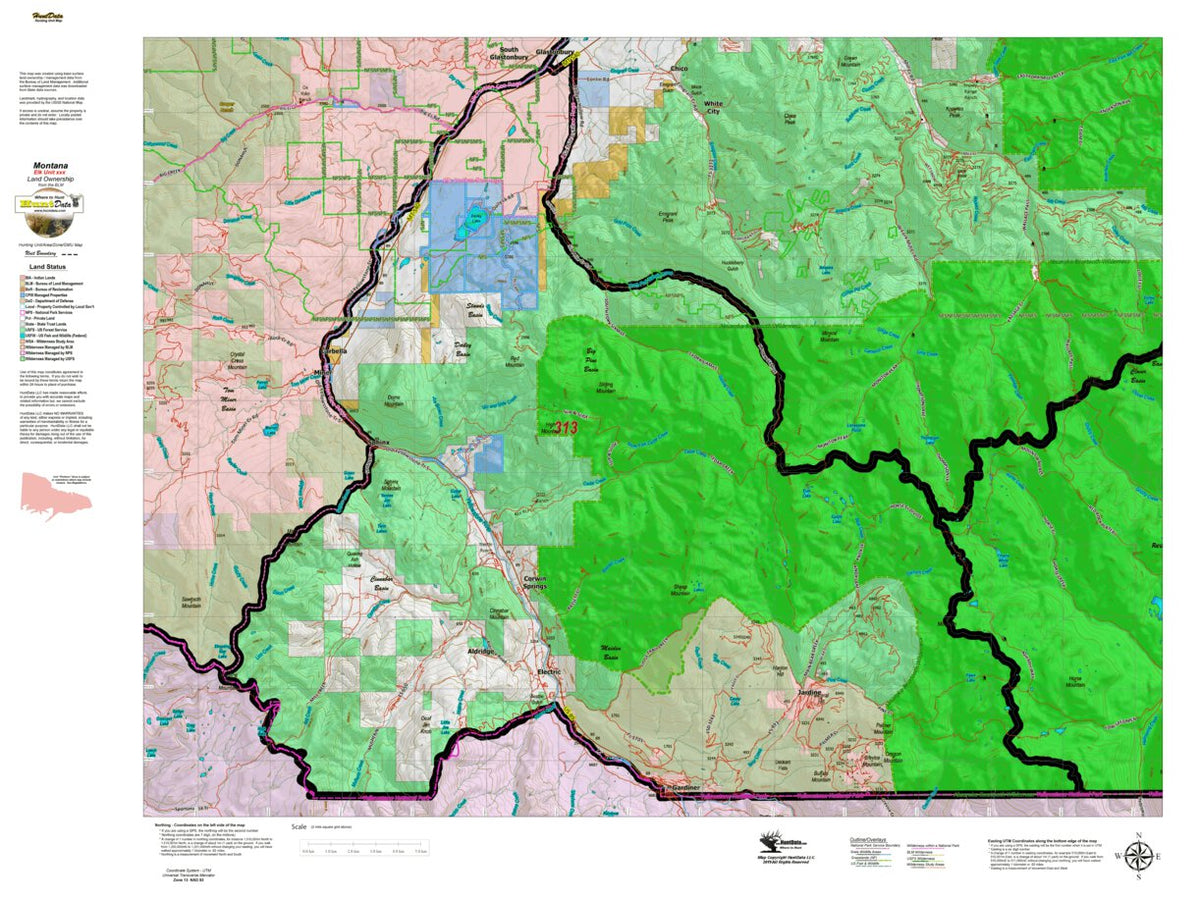
HD 313, bordering Yellowstone National Park, offers a unique and highly sought-after elk hunting experience. Its proximity to the park means elk frequently move in and out of the huntable areas, particularly during the late seasons as they migrate for winter range. This unit is characterized by rugged, steep terrain, dense timber, and open slopes, demanding significant physical exertion. Access is primarily via foot or horse, with numerous trailheads leading into the Absaroka-Beartooth Wilderness or areas bordering the park. The sheer size and wild nature of this district make it less susceptible to overcrowding in its deeper reaches, though trailheads can be busy. Hunters should expect challenging weather, from early season snow to high winds. Success here often depends on hunters willing to pack in several miles, find unpressured elk, and be prepared for rapidly changing conditions. Its 'general' tag status makes it highly accessible for residents and non-residents alike, contributing to its popularity. Outfitters operate in the area, but DIY hunting is very possible with adequate preparation. Best access is typically from the Gardiner area or Highway 89. The ideal season is late archery or the general rifle season, especially after the first significant snow pushes elk out of higher elevations and the park. This unit suits experienced, physically fit hunters comfortable with backcountry travel and spike camping. Permits are standard general tags; no special draw is required for the district itself. Trade-offs include unpredictable elk movements due to park proximity, demanding terrain, and potentially cold, harsh weather.
Find it on AmazonHunting District 390 (Big Belt Mountains)
Montana, USA
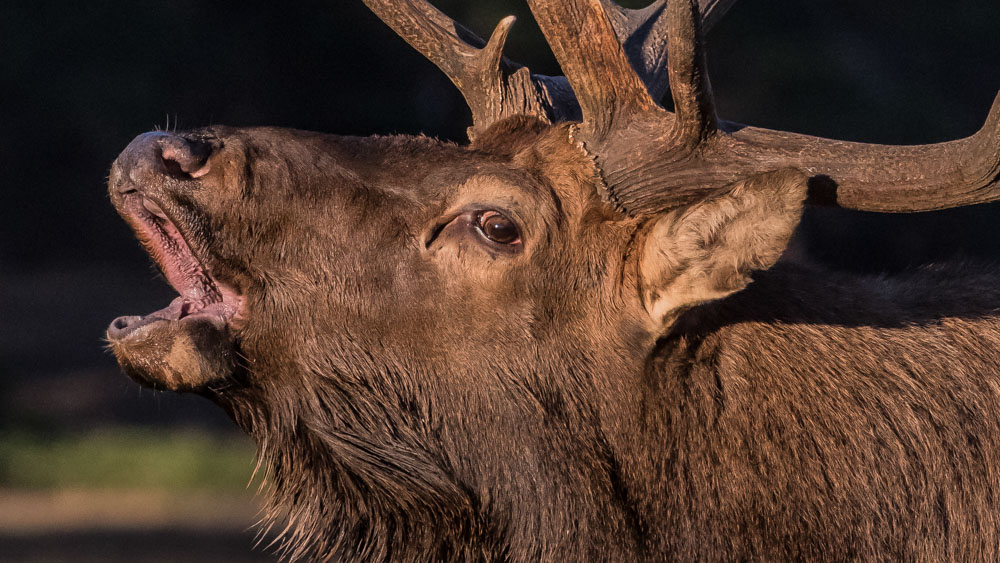
HD 390, encompassing the Big Belt Mountains, is a consistent producer for public land elk. This district offers a good mix of timbered mountains, open parks, and drainages, providing excellent habitat. Much of it is national forest land, ensuring ample public access, though some private timber holdings exist. The terrain is moderately challenging, with elevations ranging from 5,000 to 9,000 feet, making it accessible to a wider range of physical abilities than some of the more extreme wilderness units. Helena is the closest major hub, providing good services and access points. Success here often comes from covering ground, locating elk in their timbered bedding areas, and ambushing them near water or feeding grounds. It’s a popular unit, so expect company, especially on weekends and during the general rifle season opener. Hunters willing to hike a few miles off primary trails will find more solitude and often more successful. Archery season can be very productive as elk are vocal. Late season rifle hunting can also be good as snow pushes elk to lower elevations. Best access is generally from roads off Highway 12 or Highway 287. Ideal seasons are mid-September for archery and the general rifle season, particularly the first and last weeks. Skill level is moderate to advanced; physical fitness is a key advantage. Permits are standard general tags. Trade-offs include moderate to high hunting pressure, especially in easily accessible areas, and elk can become very wary quickly.
Find it on AmazonSpec-by-Spec
| Spec | #1 Hunting District 313 (Gardiner) | #2 Hunting District 390 (Big Belt Mountains) |
|---|---|---|
| Primary Access | Road-accessible (HWY 89), trailheads into national forest | Forest Service roads, extensive trail systems, some wilderness access |
| Terrain Type | Steep, rugged mountains, dense timber, high alpine, Yellowstone border | Mixed conifer forests, open meadows, steep ridges, river breaks |
| Elk Population Status | Migratory and resident herds, influenced by Yellowstone ecosystem | Strong resident population, good calf recruitment |
| Hunter Pressure | High, especially during late-season migration hunts and general rifle season | Moderate to high, particularly on easily accessible public lands |
| Trophy Potential | Good, particularly during migration as older bulls move out of Yellowstone | Good, with consistent production of mature bulls |
| Tags & Licenses | General season, specific late-season special draws for antlerless/archery | General season, some limited entry opportunities |
| Hunting Style | Backcountry spike camps, day hunting, migration ambush points | Backpacking, spot and stalk, calling, still hunting |
| Public Land % | High (National Forest, some State Land), borders Yellowstone NP | High (National Forest, some State Land), includes designated Wilderness |
Hunting District 313 (Gardiner)
Best for: The adventurous, patient hunter targeting a trophy bull during late-season migrations, willing to brave crowds and harsh weather.
Pros
- Opportunity for late-season migration elk
- Potential for larger bulls migrating from Yellowstone
- Diverse habitat offers various hunting strategies
- Stunning scenery bordering a national park
Cons
- Extremely high hunter pressure, especially late-season
- Weather can be severe and unpredictable
- Elk behavior highly influenced by Yellowstone movements, unpredictable
- Limited easy access; often requires significant physical exertion
Hunting District 390 (Big Belt Mountains)
Best for: The traditional backcountry elk hunter seeking consistent opportunities in a diverse landscape with a strong resident elk population.
Pros
- Strong resident elk population offers consistent opportunities
- Extensive public land and trail systems
- Less extreme weather conditions than high alpine Yellowstone border
- Good mix of timber and open country for diverse hunting
Cons
- Popular areas can experience high hunter density
- Elk can be pressured and nocturnal in some accessible spots
- Access may require 4x4 or significant hiking to escape crowds
The Verdict
For hunters seeking a truly unique, migration-focused challenge with the potential for exceptional trophy opportunities, Hunting District 313 is the clear winner. Its late-season allure, drawing elk from Yellowstone, offers an experience unlike any other, albeit with intense hunter competition and demanding conditions. However, for the hunter prioritizing a more classic, consistent elk hunting experience with strong resident populations and slightly less extreme environmental factors, HD 390 in the Big Belt Mountains takes the cake. While not without its pressures, it provides a solid foundation for varied hunting styles across extensive public lands. Your choice hinges on whether you prefer the unpredictable, high-stakes gamble of migration or the more reliable, traditional pursuit of resident herds.