



Reader rating
Rate it and you move it. Community ratings re-rank this product inside its Top 10 list.
Expert-picked, reader-ranked. Our editors choose the products and the launch order; member star ratings move picks up or down over time.
Located deep in the Nebraska Sandhills, Valentine covers 71,516 acres of native grass dunes and 39 natural, spring-fed shallow lakes. Unlike engineered river impoundments, these are pristine, natural prairie sandhill waters loaded with submerged aquatic vegetation. During the October migration, canvasbacks, redheads, and dabblers carpet lakes like Pelican, Hackberry, and Dewey. The town of Valentine lies 30 miles north on US-83. Travel inside the refuge relies on narrow, two-track sand roads that demand four-wheel drive and low tire pressure. Physical exertion is low to moderate, but navigating the soft sand requires concentration. Late September through early November is the sweet spot before deep freezes glaze the lakes. Entry is free, and the refuge offers open walking access around lakes outside designated sanctuary zones. Beware of the soft sand; getting high-centered in a remote dune section means a massive towing bill. Cattle grazing is part of the habitat management, so expect open gates and livestock along roads.
Pros
- Pristine natural sandhill lakes free of artificial dikes or pumps
- Exceptional autumn concentrations of canvasbacks and redheads
- Open foot access without mandatory check-in fees or crowded blinds
- Wild, expansive prairie landscape with virtually no industrial noise
Cons
- Severe risk of getting high-centered in soft sand trails without proper 4WD
- Total lack of cell service, potable water, and fuel on-site
- Shallow lakes freeze quickly, ending staging activity abruptly
Best uses
- Staging diver duck observation
- Remote walk-in waterfowl hunts
- Autonomous sandhill birding expeditions
- Fall waterfowl photography
Specifications
- Location
- Cherry County, Nebraska
- Total Area
- 71,516 acres
- Managing Agency
- U.S. Fish and Wildlife Service
- Primary Water
- 39 natural, spring-fed sandhill lakes
- Migration Peak
- October through early November
- Access Requirement
- Four-wheel drive with high clearance
Best for
Staging diver duck observation, Remote walk-in waterfowl hunts, Autonomous sandhill birding expeditions, Fall waterfowl photography
Located in the heart of the Nebraska Sandhills, Valentine National Wildlife Refuge protects a rare expanse of natural interdunal lakes, grass-stabilized sand dunes, and subirrigated wet meadows. Unlike engineered flyway basins that rely on levees and diesel pumps, these spring-fed waters are surface expressions of the massive Ogallala Aquifer. Dense beds of submerged aquatic vegetation, particularly sago pondweed, provide an unbroken feeding stop for hundreds of thousands of migrating waterfowl tracking through the central United States. Peak migration arrives in October, filling water bodies like Pelican, Hackberry, and Dewey with dense rafts of diving ducks alongside northern pintails, mallards, and wigeon. The landscape is sparse, windswept, and exceptionally quiet, offering a view of mid-continent staging grounds as they existed before mass agricultural drainage. Visiting demands genuine self-reliance; interior movement requires navigating narrow, two-track sand paths where soft blowouts and lack of cellular connectivity test both vehicle capability and driver judgment.
Sandhills Hydrology and Terrain
The topography consists of rolling prairie dunes stabilized by deep-rooted native grasses, cupping shallow, alkaline to fresh interdunal basins. Because the underlying sand allows rapid precipitation infiltration, runoff does not carve traditional river valleys. Instead, ground water continuously seeps into 39 natural lakes, sustaining a stable, nutrient-dense aquatic ecosystem. Submerged vegetation thrives in the clear, shallow water, creating extensive feeding flats rarely exceeding eight feet in depth. The surrounding dunes drop directly into wet meadows, forming natural transition zones where waterfowl rest sheltered from persistent prairie winds. The absence of concrete water-control structures means water levels fluctuate on multi-year climatic cycles rather than seasonal mechanical adjustments, preserving genuine wild wetland characteristics.
Fall Waterfowl Concentrations
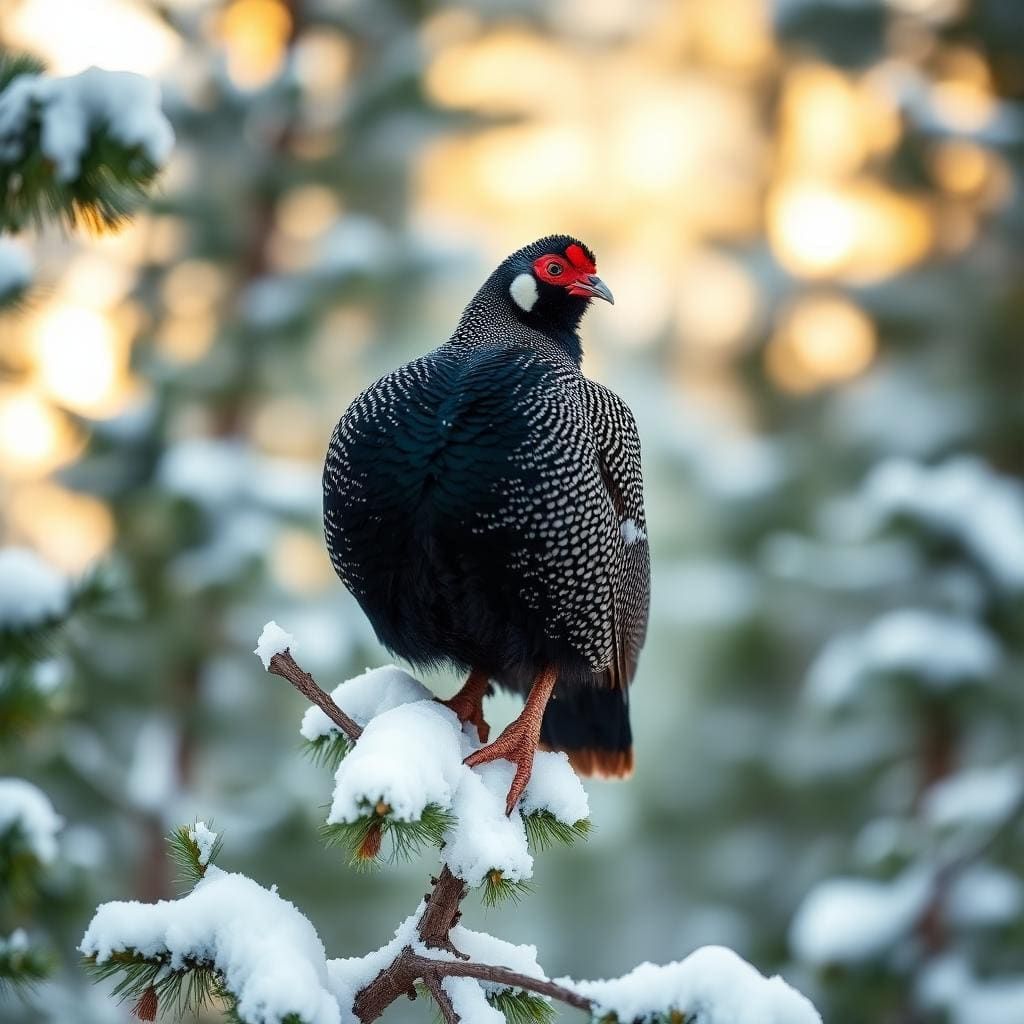
Migration starts quietly in late August with blue-winged teal, but the dramatic push arrives with October cold fronts. Valentine serves as a vital mid-latitude staging ground for canvasbacks and redheads, which congregate by the thousands to feed on energy-rich pondweed tubers. Dabblers mass in the marshy lake margins, led by northern pintails, gadwalls, and green-winged teal. In addition to ducks, tundra swans and greater white-fronted geese make regular autumn stops. Beyond water birds, the surrounding uplands support native sharp-tailed grouse and greater prairie chickens that flush from the choppy dunes. Bird activity peaks in early morning when birds trade between open roost lakes and sheltered feeding potholes across the refuge.
Two-Track Sand Navigation
Navigating the refuge interior requires serious mechanical preparation. The primary artery, US-83, provides paved access to the north and south, but all internal lake routes are primitive sand trails. Soft blow sand easily traps all-wheel-drive crossovers; true four-wheel drive with low range and substantial ground clearance is mandatory. Airing down all-terrain tires to 18 or 20 PSI significantly improves flotation across loose dune cuts. Turnouts are rare, requiring drivers to read the sand ahead and maintain momentum up dune faces. Refuge management utilizes rotational cattle grazing to mimic historic bison disturbance, meaning visitors will encounter livestock and must leave all pasture gates exactly as found.
Regulations and Lake Access
There are no entrance fees, and the refuge remains open from sunrise to sunset. To ensure adequate rest for migrating flocks, seasonal sanctuary zones close specific lake basins to human entry during the peak migration window; boundary signs must be respected. Waterfowl hunting is permitted on designated waters in accordance with state and federal limits, while other lakes remain strictly non-shooting wildlife refuges. On open waters, watercraft are limited to non-motorized craft or boats propelled by electric trolling motors to prevent propeller damage to delicate aquatic plant beds and avoid disrupting feeding rafts. Bank access is entirely foot-traffic only beyond established sand tracks.
Weather Windows and Logistics
The optimal staging window extends from early October until freeze-up, which typically occurs by mid-November. Autumn weather on the northern plains is volatile; bluebird conditions can collapse into driving sleet or sub-zero northwest gales within hours. Once shallow lakes develop an ice sheet, waterfowl depart southward almost overnight. Valentine, Nebraska, thirty miles north, offers the nearest fuel, repair services, lodging, and groceries. The refuge has no potable water, trash collection, or developed campgrounds. Visitors must carry emergency recovery gear, including a tow strap, shovel, traction boards, and reliable cold-weather shelter in case of an axle hang-up far out of mobile network range.
How we chose
We built this ranking from land-manager and agency sources, permit records and published trip reports. Each of the 10 places was compared against the same criteria below. This is desk research unless a pick is marked field tested.
- Quality of the terrain
- Landscape, route variety, and whether the place rewards multiple days rather than one overlook.
- Season and weather windows
- How long the reliable window is, and how badly the shoulder seasons punish a bad forecast.
- Access and permits
- Trailhead logistics, permit odds, quotas, and how much lead time a trip realistically takes.
- Solitude vs. crowding
- How far you have to walk before the place feels like wilderness instead of a queue.
- Wildlife and ecology
- What you can reasonably expect to see, and what you have to plan around.
- Risk and skill required
- Navigation, water crossings, exposure, and rescue distance — stated plainly.
Valentine National Wildlife Refuge — frequently asked questions
- Is Valentine National Wildlife Refuge worth the trip?
- We rank it #8 in Central Flyway Waterfowl Refuges. Located deep in the Nebraska Sandhills, Valentine covers 71,516 acres of native grass dunes and 39 natural, spring-fed shallow lakes. Unlike engineered river impoundments, these are pristine, natural prairie sandhill waters loaded with submerged aquatic vegetation.
- Who is Valentine National Wildlife Refuge best for?
- Best for staging diver duck observation, remote walk-in waterfowl hunts, autonomous sandhill birding expeditions and fall waterfowl photography. Standouts: pristine natural sandhill lakes free of artificial dikes or pumps and exceptional autumn concentrations of canvasbacks and redheads.
- What are the drawbacks of Valentine National Wildlife Refuge?
- Severe risk of getting high-centered in soft sand trails without proper 4WD, Total lack of cell service, potable water, and fuel on-site and Shallow lakes freeze quickly, ending staging activity abruptly.
- What are the key details for Valentine National Wildlife Refuge?
- Location: Cherry County, Nebraska · Total Area: 71,516 acres · Managing Agency: U.S. Fish and Wildlife Service · Primary Water: 39 natural, spring-fed sandhill lakes · Migration Peak: October through early November
- Sandhills Hydrology and Terrain — what should I know about the Valentine National Wildlife Refuge?
- The topography consists of rolling prairie dunes stabilized by deep-rooted native grasses, cupping shallow, alkaline to fresh interdunal basins. Because the underlying sand allows rapid precipitation infiltration, runoff does not carve traditional river valleys.
- Fall Waterfowl Concentrations — what should I know about the Valentine National Wildlife Refuge?
- Migration starts quietly in late August with blue-winged teal, but the dramatic push arrives with October cold fronts. Valentine serves as a vital mid-latitude staging ground for canvasbacks and redheads, which congregate by the thousands to feed on energy-rich pondweed tubers.
Where on earth
Satellite imagery flying in from a world view to Valentine National Wildlife Refuge, Nebraska, United States. Use the + / − buttons, or click the map to zoom with your scroll wheel; drag to pan and pinch to zoom on touch.
Valentine National Wildlife Refuge, 39679 Pony Lake Rd, Valentine, NE 69201, USA · 42.487, -100.520
Wildlife found around Valentine National Wildlife Refuge


Compare side by side
Put the Valentine National Wildlife Refuge against any other pick on this list — specs, price, pros, cons and reader ratings.