


From the north · Wildlife
Snowshoe hare
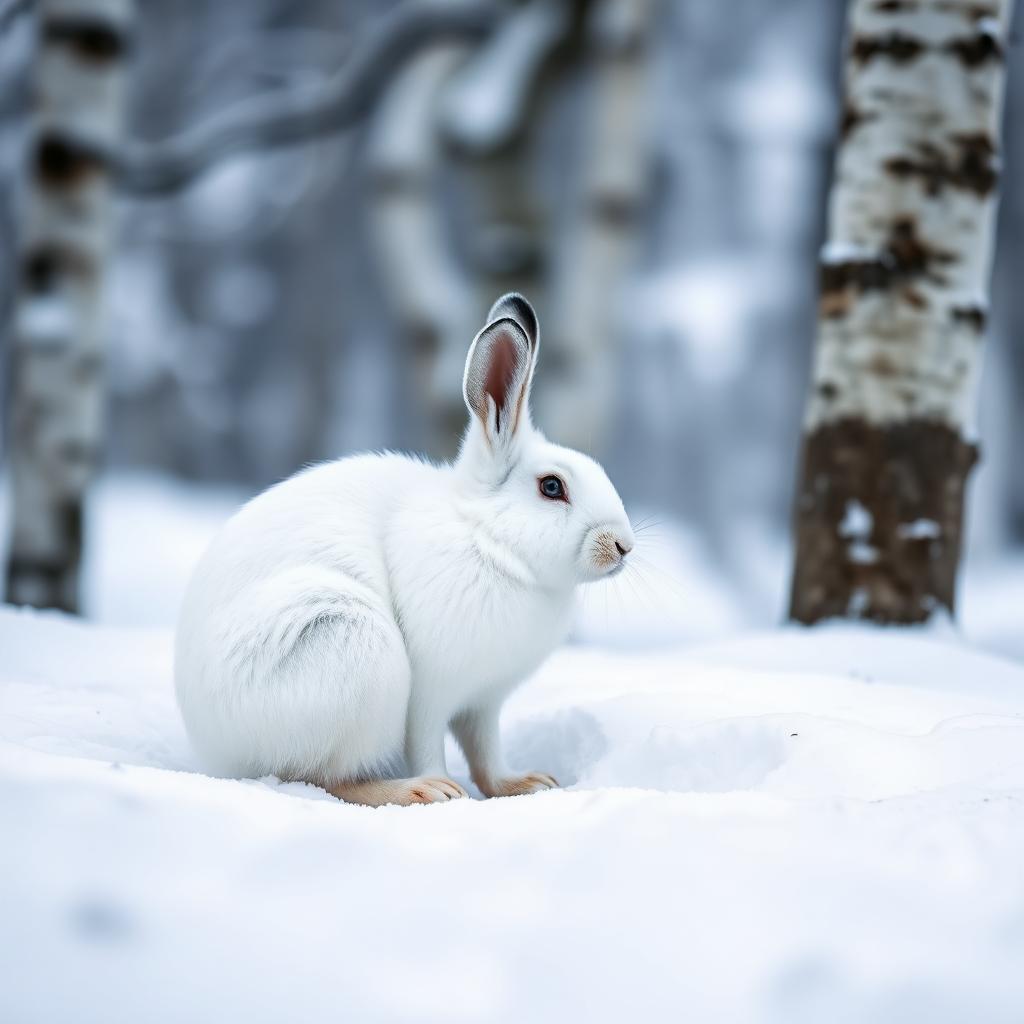
The keystone rodent-shaped animal of the boreal — feeds lynx, fisher, marten, owl, fox, and coyote, and turns pure white when the snow arrives.
Lepus americanus
- Weight
- 2–4 lb (0.9–1.8 kg)
- Length
- 16–20 in
- Lifespan
- 1–5 yr wild (usually 1)
- Feet
- Hind feet 4–6 in long, heavily furred
- Coat
- Rusty-brown in summer, pure white in winter
- Cycle
- 10-year population boom/crash, driving lynx numbers
- Litters
- 2–4 per year, 1–7 leverets each
- Range
- Boreal & montane forests of N. America
- Peak season
- Dec – Feb
- Tag access
- Over-the-counter
- Live weight
- 3–4 lb
Regulations by region
Snowshoe hare rules where you're headed
Seasons, tags, limits, and legal methods for snowshoe hare are set jurisdiction by jurisdiction. Pick your state or province and we'll point you at the agency that writes the rules.
Jump to another species
The cornerstone prey
Almost every mid-sized boreal predator eats hare. When hares boom, lynx boom, goshawks nest more, owls fledge more chicks. When hares crash, the whole predator community crashes with them. Reading hare sign is reading the health of the forest.
Molt and mismatch
Snowshoe hares molt twice a year: brown to white in fall, white to brown in spring. The trigger is day length, not weather. In warm years when snow arrives late (or leaves early), hares stand out as bright white against bare ground — a 'mismatch' that predators exploit. Modern climate shifts are stretching the mismatch window, which is a rising pressure on hare populations at the southern edge of their range.
Reproduction and turnover
Hares are the definition of an r-strategist prey animal: 2–4 litters per year, up to 7 leverets each, born fully furred with eyes open and running within hours. In a peak year, a single female can produce 15+ young. In a crash year, most of those young are eaten inside a week. Average adult lifespan is under two years.
Finding sign
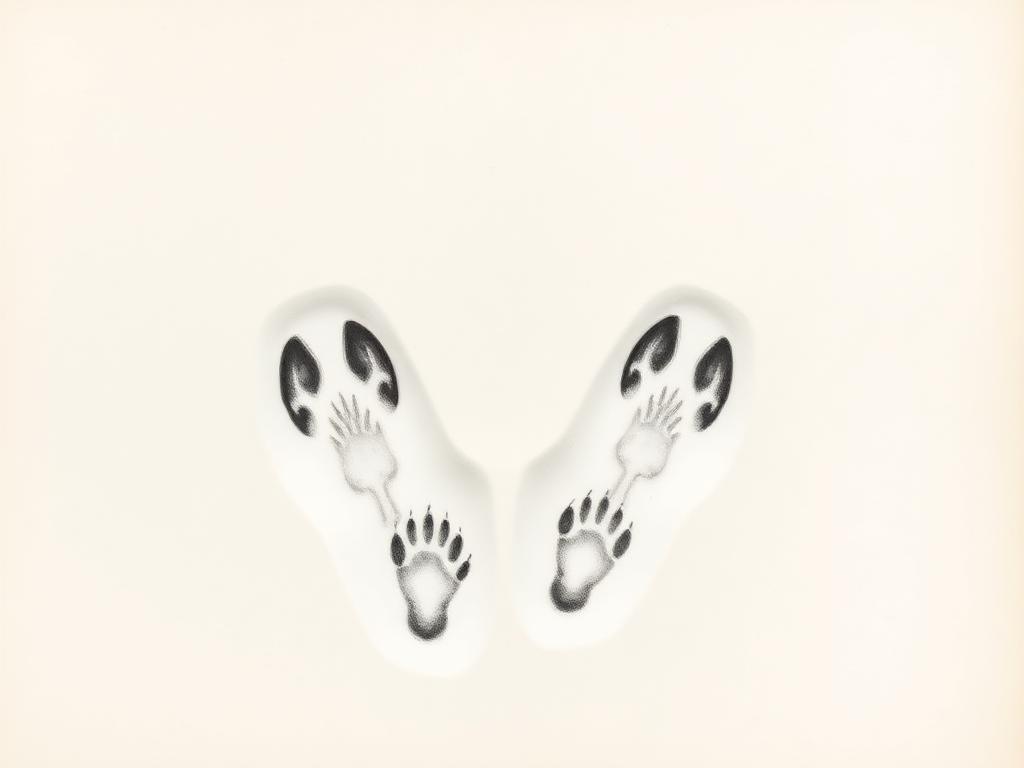
Look for browse — clean 45-degree cuts on willow, alder, and spruce seedlings, at snow-depth height. Round pellet piles, packed runways through thickets, and Y-shaped tracks with the two long hind feet ahead of the small forefeet. Runways get so hard-packed in winter you can ski them.
As trapline protein
Hares are the classic boreal snare animal. A simple wire snare on a well-used runway, set at hare-shoulder height with a supporting stick, catches them cleanly. Where legal and in season, they're the highest-return trapline protein in the North — but hare meat is famously lean, so pair it with fat sources or you risk 'rabbit starvation.'
About the snowshoe hare
Snowshoe hares live in dense conifer swamps, alder thickets, and regenerating boreal forest across the northern U.S. and Canada, and are named for their oversized hind feet that let them travel on top of deep snow that would bog down most predators. Unlike cottontails, snowshoes turn white in winter, making them exceptionally well camouflaged against snow, and their preferred habitat — thick young conifer and alder cover — is genuinely difficult terrain to hunt through even for experienced beagle handlers. It's a cold-weather, deep-snow pursuit that demands proper winter clothing and often snowshoes for the hunters themselves, following dogs bred and conditioned specifically to work in harsh northern winter conditions.
Range and habitat
Snowshoe hare hunting quality follows dense boreal and northern conifer habitat, with the best populations found in the north woods of the Great Lakes states and much of Canada. Maine north woods: Extensive dense conifer habitat with a strong hare-hunting tradition. Northern Minnesota & Wisconsin: Large public forest tracts with good hare populations, cycling with the ten-year hare/lynx rhythm. Michigan Upper Peninsula: Dense conifer swamps and alder thickets with solid hare numbers. New Hampshire & Vermont: Classic New England hare hunting in mixed conifer-hardwood forest. Ontario & Quebec: Vast boreal forest with abundant hare populations.
Behavior and field method
Snowshoe hare hunting follows the same beagle-and-circle principle as cottontail hunting, adapted for deep snow and dense conifer cover. Hunt dense young conifer stands, alder thickets, and regenerating cutover areas where hares find both food and cover from predators. Use beagles or other hounds conditioned for deep snow and cold to trail hares by scent through thick cover. Position hunters at likely crossing points in open lanes or trails, since hares circle back toward their home cover just like cottontails. Watch carefully against the snow — a hare's white winter coat provides excellent camouflage and requires close attention to spot even when close. Move slowly and quietly between drives if hunting without dogs, since hares hold extremely tight in dense cover and flush at close range. Use snowshoes or skis in deep-snow terrain to move efficiently and keep pace with dogs working difficult conifer thickets. Hunt during daylight hours when hares are more likely to be moving between feeding and resting cover. Watch for fresh tracks in snow to identify active areas before committing dogs to a full drive through difficult terrain.
Tracks, droppings, and sign
Hare sign is written in snow in the spruce and alder swamps, and it is the entire basis of hunting them behind beagles. Tracks — Enormous, splayed hind prints — 5 inches or more long and nearly as wide — landing ahead of small front prints in the same bounding Y as a cottontail, but at twice the scale. The furred feet leave a soft, fuzzy-edged print. Droppings — Round fibrous pellets noticeably larger than a cottontail's, scattered heavily along runways in conifer swamps. Runways — Hard-packed trails in deep snow through alder, spruce, and cedar, worn down by repeated use. Hares run these runways in circles when pushed, which is why beagles work. Browse & bark — Clean 45-degree clipped conifer and alder twigs and gnawed bark at snow height, sometimes several feet up on top of deep snowpack. Forms — Melted-out hollows under low spruce boughs and blowdowns, often with hair and droppings.
In the field
A snowshoe hare hunt is a genuine winter wilderness experience — deep snow, bitter cold, and dense conifer cover that makes every step a workout even before the dogs strike a trail. The visual challenge is unique: a hare in full winter white against fresh snow can be nearly invisible until it moves, testing a hunter's eye as much as any calling or scent-based skill in other small-game hunting. It rewards hunters who genuinely enjoy hard winter conditions — the payoff is a quiet, snow-covered forest, the distant bay of hounds working difficult cover, and a hunt that few others are willing to brave.
Regulations, tags, and seasons
Snowshoe hare tags require only a basic small-game license — the challenge is access to dense northern conifer habitat and cold-weather preparedness rather than any licensing complexity. Buy a small-game hunting license online from the relevant state or provincial wildlife agency. Confirm season dates, which typically run through the coldest winter months when snow is deepest. Check whether your state's hare population is in a cycle high or low year, since snowshoe hares follow a roughly 10-year boom-bust cycle tied to lynx predation. Identify dense young conifer and alder cover on public forest land using state forestry management maps. Prepare cold-weather and deep-snow gear in advance, since this hunt happens in genuinely harsh winter conditions.
Harvest and processing
Hares run a big circle and come back. The shot comes when you stand still and let the dogs work. Post at a runway junction or an opening in the alders and wait — a pushed hare will circle back to where it was jumped. Identify your target completely before shooting; in winter a white hare against snow is easy to misjudge, and shooting toward dogs is unforgivable. Mark the fall in the snow, which is fortunately easy. Dispatch cripples immediately. Glove up: hares carry tularemia and are handled the same way as rabbits. Field dress within the hour and check the liver for white lesions. Hare is darker and stronger than cottontail and it wants a long, wet cook.
Meat care and what you take home
Snowshoe hare yields lean, dark meat, slightly gamier than cottontail, typically around 1-1.5 pounds per animal. Best slow-braised given the firmer texture compared to cottontail, often in a hearty winter stew with root vegetables. As with all wild rabbits and hares, cook thoroughly given the tularemia risk, and handle carcasses with gloves during field dressing.
Reading the tracks
How to identify snowshoe hare sign
- Size
- Hind foot 4–6 in long; group of 4 prints spans 10–20 in in a bound
- Gait
- Bounding — hind feet land ahead of and outside the smaller front paws in a Y or triangle pattern
- Best substrate
- Fresh powder snow 6+ in deep in willow / alder thickets at dawn.
What to look for
Look for the classic four-print bound: two elongated fur-blurred hind prints out front, two round front prints tucked behind and inside. Runways under alder and willow get packed hard as concrete.
Don't confuse with
Cottontail (much smaller, prints closer together) or red squirrel (tiny, tree-to-tree). Hare prints are the biggest small-mammal bound in the boreal.
Male vs. female
How to tell a male from a female
Male
Bucks are slightly smaller and leaner than does, with a slightly narrower face and no visible mammary development. In spring, dominant bucks show scarring on the ears and back from mating chases and boxing matches with rivals.
Female
Does are 10–25% heavier than bucks (rare among mammals — hares and rabbits are 'reverse dimorphic'). A pregnant or nursing doe shows a rounder body and visible nipples along the belly in summer.
At a distance
You almost never sex a snowshoe hare in the field — the size difference is too small at a glance. In March and April, watch for boxing pairs standing on hind legs and cuffing each other: that is a doe fending off a buck, not two males fighting. If leverets are close by, the adult present is the doe.
Field notes
- A pure-white hare against bare ground during a late freeze-up is the most exposed animal in the woods — take the photo, then move on.
- Fresh runway packed hard as concrete means hare density is high right now — lynx and marten are nearby too.
- Willow browsed at a clean 45° cut, all at snow-depth height, is the fingerprint of a hare feeding station.
- 12- or 20-gauge with improved cylinder choke: Similar to cottontail hunting, an open choke with 6 shot handles the typical close-range shot through dense cover.
- Cold-conditioned beagles or hounds: Dogs bred and conditioned for northern winter conditions handle deep snow and bitter cold far better than standard beagle lines.
- Snowshoes: Essential for keeping pace with dogs and moving efficiently through conifer swamps with two feet or more of snow.
- Serious cold-weather layering: This hunt happens in real winter cold; insulated boots, base layers, and a windproof outer shell are not optional.
- Blaze orange over white camo: Balancing visibility to hunting partners with concealment from wary hares against snow is a real consideration in this hunt.
Plan around this species
Where this matters in planning
The single most abundant boreal small-game animal, and the easiest to snare. If you plan a long trip, plan a snare kit.
- Build Your 10
Slot in a small-game tool (22LR, slingshot, snare wire) and a compact game bag.
- Gear categories
Filter to small-game tools, snare kits, and lightweight cordage.
- Field Dressing Small Game
Skin and gut a hare in a few minutes.
- Bushcraft Tools & Weapons
Snare wire, sets, and trail placement.
- Useful Fauna Knowledge
Read runs and pellet groups to pick a snare line.
Where you'll find it
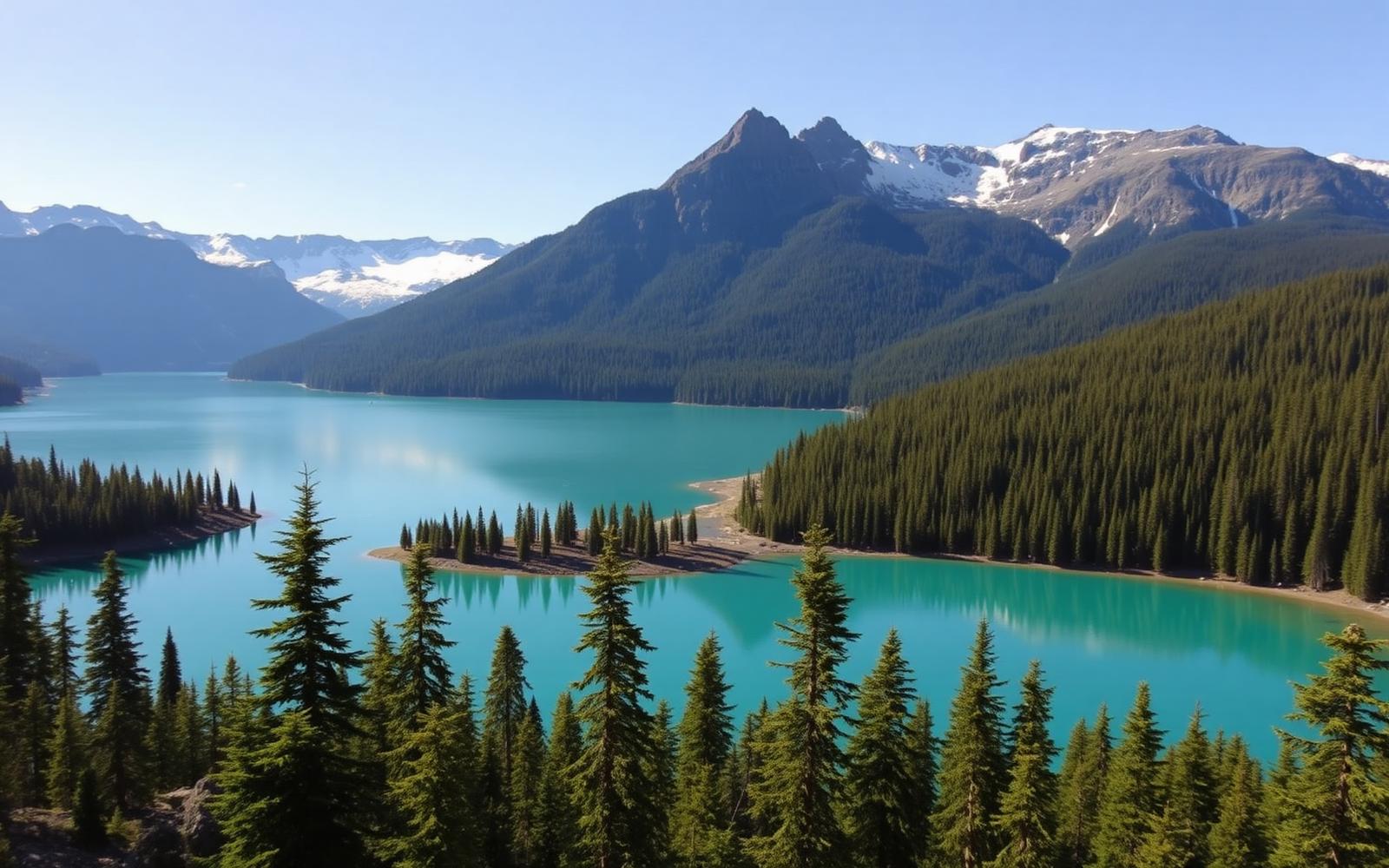
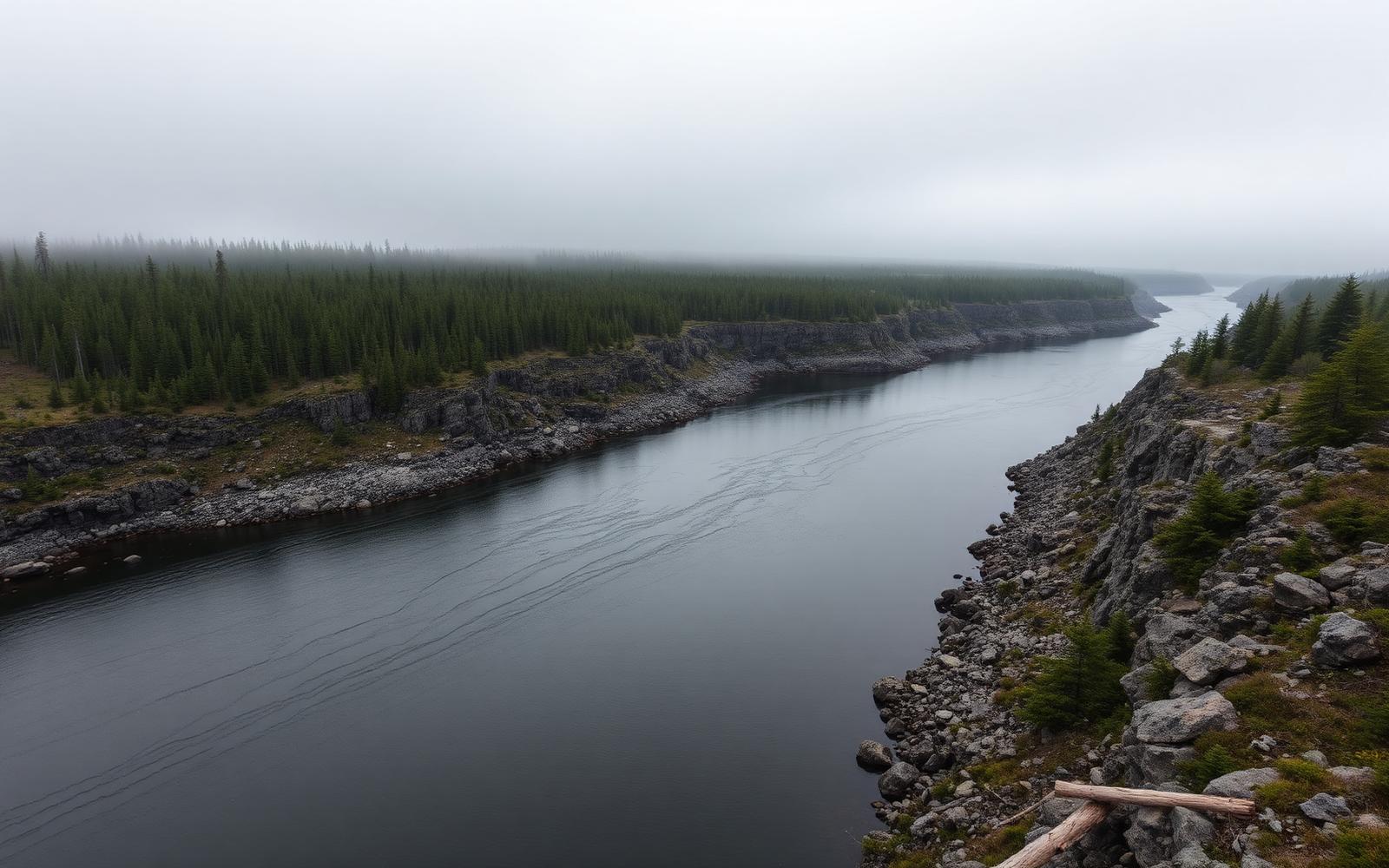
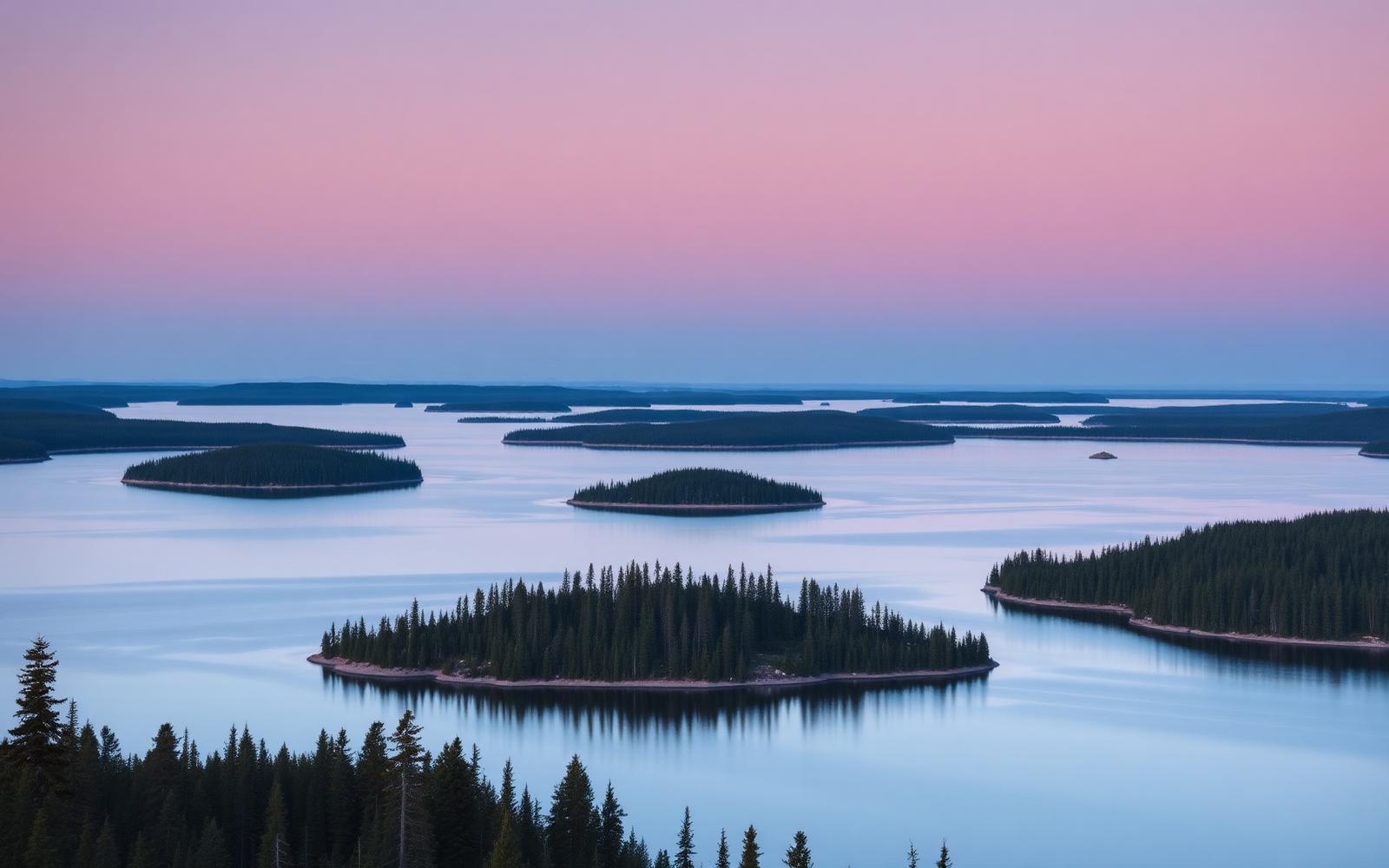
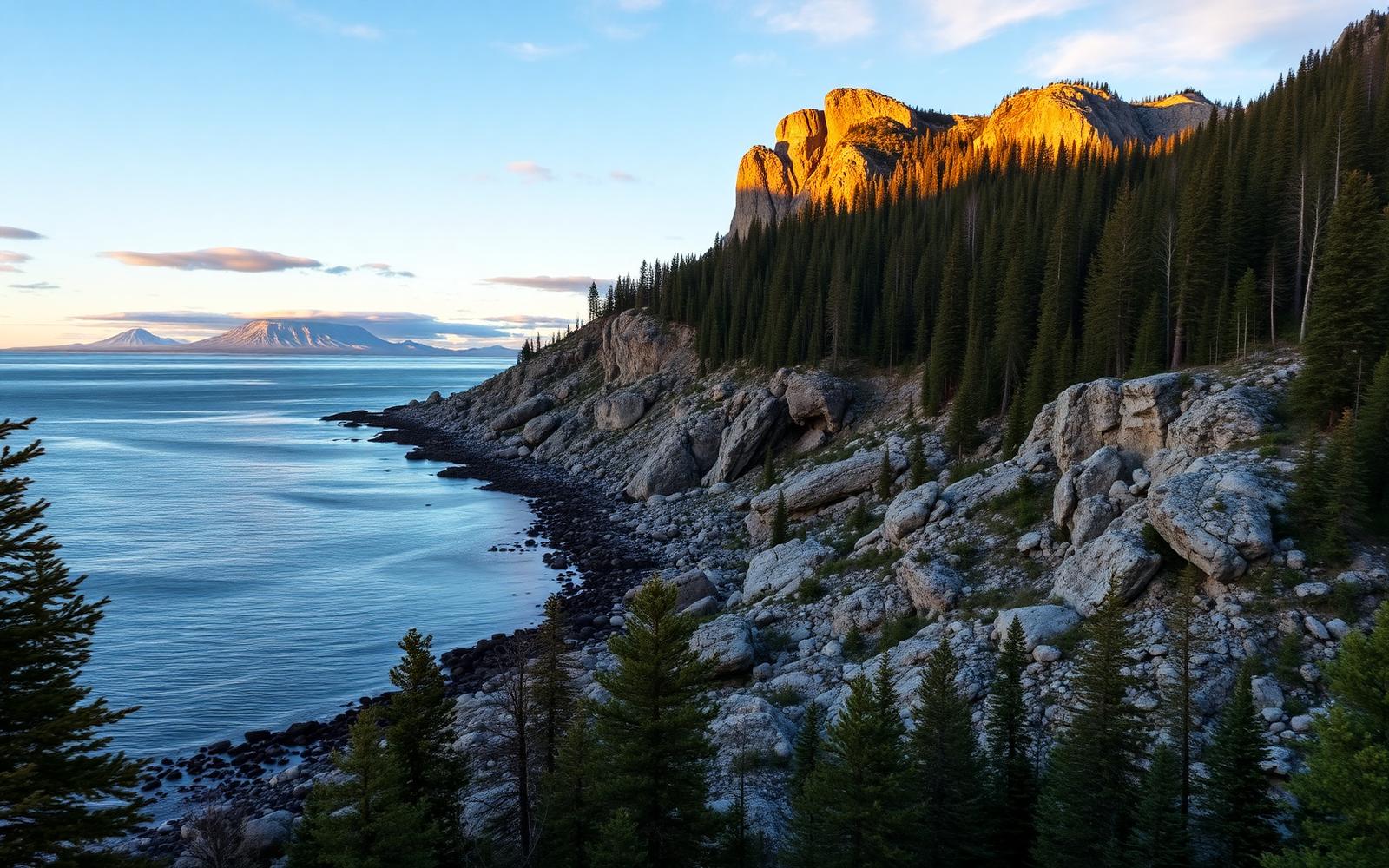
Filming locations with snowshoe hare

On screen
Alone seasons where contestants encountered snowshoe hare
Snowshoe hare questions, answered
- Why do snowshoe hare populations cycle so dramatically?
- They follow a well-documented roughly 10-year boom-bust cycle tied closely to Canada lynx predation and habitat quality — check regional wildlife agency reports to know whether you're hunting a high or low year.
- How is hunting snowshoe hares different from cottontails?
- Snowshoes live in denser, colder, snowier habitat, turn white for winter camouflage, and require snow-adapted dogs and hunters equipped for genuine winter conditions rather than a mild fall hunt.
- Do I need snowshoes to hunt them?
- In deep-snow conifer habitat, yes — without them, moving through two or more feet of snow to keep pace with dogs or access cover is exhausting and inefficient.
- What time of year is peak hare season?
- December through February generally offers the deepest, most consistent snow cover and the full white winter coat that defines this hunt.
- Are snowshoe hares and jackrabbits the same thing?
- No — snowshoe hares are a distinct northern conifer-forest species that turns white in winter, while jackrabbits are larger, open-country hares found in the West that don't change color in most regions.
- What's the best cover to focus on?
- Dense young conifer stands, alder thickets, and regenerating cutover areas that provide both food and thermal cover through harsh winter conditions.
Official sources and further reading
- Maine Dept. of Inland Fisheries and Wildlife
Hare population data and northern forest hunting access information.
- National Beagle Club of America
Cold-weather beagle training and hare-hunting tradition information.
- USDA Forest Service — find a forest
Locate national forest land with dense conifer habitat open to public hunting.
- USFWS — Hunting
Federal hunting resources and public land access information.