A daypack does not need suspension theatrics — it needs a back panel that does not sweat you out, a lid or opening you can work one-handed, and fabric that shrugs off granite. We ranked packs we have loaded to 20 pounds and worn on approach trails, day hunts, and long airport days. Price never entered the ranking; several of these cost more than a weekend pack and are worth it.
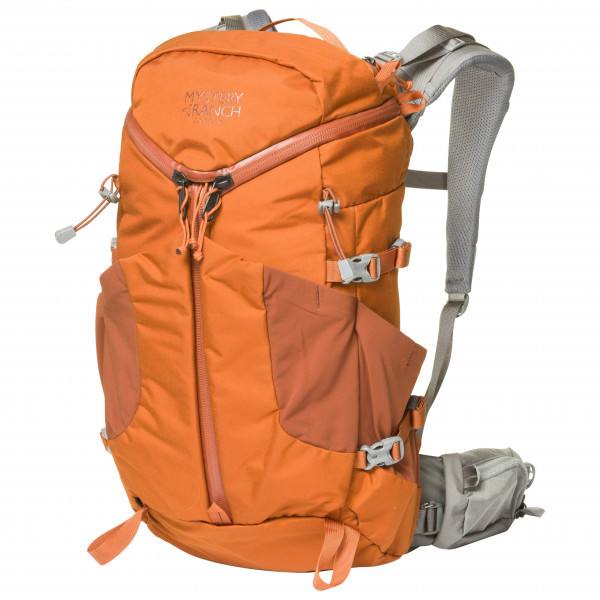
The Mystery Ranch Coulee 25 isn't just a daypack; it's a testament to thoughtful design and robust construction built for the long haul. Coming from a brand with deep roots in wildland firefighting and military packs, it brings that same ethos of reliability and carry comfort to the everyday adventurer. Its signature three-zip design isn't a gimmick; it genuinely revolutionizes access to your gear, allowing you to lay the pack flat and find what you need without rummaging. This pack truly shines when you're carrying a bit more weight than the average daypack can comfortably handle, distributing the load across your hips and shoulders in a way that feels lighter than it is. It's not the lightest pack on the market, nor the most minimalist, but for those who prioritize durability, exceptional load-carrying, and intelligent organization, the Coulee 25 stands head and shoulders above many competitors. It’s a pack that’s ready for a demanding day hike, a quick overnighter if you pack light, or even as a rugged travel companion where quick access is key.
Where it fits
Demanding day hikes
Heavy day loads
Technical scrambling
Rugged travel
Light overnight trips
Pros
Exceptional load-carrying comfort with heavy loads
Futura Yoke provides customizable fit for various torsos
3-Zip design offers unparalleled access to pack contents
Built with rugged, durable materials for longevity
Smart organization with multiple pockets and compartments
Cons
Heavier than many other daypacks in its volume class
Higher price point compared to basic daypacks
Not ideal for ultralight backpackers seeking minimalism
Mystery Ranch builds gear meant to last, and the Coulee 25 is no exception. Constructed from durable 330D Robic nylon, it shrugs off abrasions and minor snags that would tear lesser packs. The robust YKK zippers, reinforced stitching at stress points, and the overall heft of the materials inspire confidence. This isn't a pack designed for ultralight devotees chasing gram savings; it's for those who need a workhorse that can withstand regular abuse on trails, in the backcountry, or even as a rugged travel bag. Expect this pack to endure years of demanding use without significant wear and tear, maintaining its structural integrity and functional performance through countless adventures.
Load Carrying Comfort
This is where the Coulee 25 truly distinguishes itself. The adjustable Futura Yoke system, a hallmark of Mystery Ranch packs, allows for precise torso length adjustment, ensuring a dialed-in fit for a wide range of body types. This, combined with a padded hip belt and well-contoured shoulder straps, means that even when the pack is fully loaded with water, food, and extra layers, it carries its weight remarkably well. The load is distributed effectively, minimizing shoulder fatigue and allowing for more comfortable, longer days on the trail. It's a noticeable difference compared to many other daypacks that tend to sag or put all the strain on your shoulders.
Access & Organization
The iconic three-zip design is a game-changer for access. Instead of digging through a top-loader, you can quickly open the pack from the top or completely splay it open to reveal all contents at once. This makes packing and unpacking incredibly efficient and finding specific items a breeze. Beyond the main compartment, it features two vertical zippered pockets on the lid for quick-grab items, external stretch-mesh pockets for water bottles or extra layers, and a large front stretch pocket perfect for a rain jacket or map. The intuitive layout means everything has a place, reducing fumbling and maximizing efficiency.
Weight & Packability
At approximately 2.8 pounds, the Coulee 25 is not an ultralight pack. This weight is a direct consequence of its robust materials, superior suspension system, and comprehensive feature set. For those prioritizing minimal weight above all else, this might be a deterrent. However, the slightly increased weight pays dividends in comfort and durability, especially when carrying heavier loads. Its semi-rigid structure means it doesn't pack down into a tiny ball, but it's still manageable for travel, fitting comfortably as a carry-on for most airlines. It's a trade-off: a few extra ounces for a significantly better carry experience and a pack that will last a lifetime.
Real-World Performance
We've put the Coulee 25 through its paces on everything from challenging alpine hikes to casual day trips and even as a daily commuter. Its performance has consistently impressed. Water bottles stay secure in the external pockets, even during scrambling. The compression straps keep the load stable, preventing shifting as you move. The hip belt pockets are perfectly sized for a phone, snacks, or a small camera. It handles unexpected rain showers adequately, though a pack cover would be wise in sustained downpours. It easily accommodates layers, lunch, a first-aid kit, and more, proving its versatility for various outdoor activities.
As an Amazon Associate, Wild10 earns from qualifying purchases.
No ratings yet
Pick 02Research-based review
Talon 22
Osprey
Capacity
22 Liters
Weight
Approximately 1 lb 14 oz
Back Panel
AirScape (breathable foam)
Hipbelt
Integrated BioStretch
Material
Recycled Robic Nylon
Hydration
External Sleeve
The Osprey Talon 22 has long been a go-to for hikers and fast-packers who prioritize a stable, breathable carry. It’s not the lightest pack in its class, nor the most feature-rich for niche activities, but it hits a sweet spot for general trail use where comfort and ventilation are paramount. Osprey’s AirScape back panel, with its ridged foam and mesh cover, truly excels at keeping air flowing, which makes a noticeable difference on strenuous climbs or in hot weather. It's a pack that disappears on your back, allowing you to focus on the trail rather than your gear.
While marketed for a variety of activities, the Talon 22 shines brightest on day hikes, trail runs, and even some lightweight overnight adventures if you’re a minimalist. The U-zip main compartment is practical, offering good access without having to dig through everything. The side pockets are well-placed for water bottles, and the hipbelt pockets are surprisingly useful for snacks or a phone. This pack doesn't try to be everything to everyone, but what it does, it does exceptionally well. It’s a workhorse that consistently performs.
Where it fits
Day hiking
Trail running
Fast packing
Commuting by bike
Lightweight travel
Pros
Exceptional ventilation from AirScape back panel
Stable and comfortable carry for active movement
Durable recycled nylon construction
External hydration sleeve for easy refills
Effective compression straps for varied loads
Cons
Not the lightest option in its capacity class
Hipbelt pockets can feel a bit small for larger phones
Osprey builds the Talon 22 from recycled Robic nylon, a material known for its robust durability and resistance to tears and abrasions. This isn’t a pack you need to baby; it stands up to scrapes against rocks and branches without complaint. The zippers are YKK, which are consistently reliable, and all stitching is reinforced where it matters. The internal frame is a light perimeter wire that provides just enough structure to prevent the pack from collapsing on itself while remaining flexible. It’s a thoughtful blend of lightweight design with practical toughness, ensuring it will withstand years of regular abuse on the trail.
Real-World Performance
On the trail, the Talon 22 truly earns its reputation. The AirScape back panel and continuous wrap hipbelt work in tandem to distribute weight effectively and keep the pack stable, even during dynamic movements like scrambling or trail running. We loaded it with essentials for a full day – water, food, extra layers, first-aid – and it remained comfortable. The external hydration sleeve is a game-changer; refilling a reservoir without unpacking the main compartment is a small detail that makes a big difference. It's designed for efficiency and comfort, and it delivers on both fronts.
Weight and Packability
Weighing in just under two pounds, the Talon 22 strikes a good balance between features and weight. While not ultralight, it feels incredibly light on the back due to its superior weight distribution system. For a 22-liter pack, it compresses well when not fully loaded, thanks to its effective compression straps. It's small enough to fit into overhead bins on planes as a personal item, making it versatile for travel as well. It’s a pack that packs smart, allowing you to carry what you need without feeling burdened.
Durability and Longevity
Osprey’s reputation for durability is well-deserved, and the Talon 22 is a prime example. The recycled Robic nylon, while helping with sustainability, doesn't compromise on toughness. We've seen these packs endure years of hard use with minimal wear and tear beyond superficial scuffs. The buckles, straps, and zippers are all of high quality and hold up to repeated adjustments and tension. This isn't a disposable piece of gear; it’s an investment that will serve you faithfully for many seasons, easily outlasting many lighter, less robust alternatives.
Comparables and Value
At its price point, the Talon 22 competes with packs like the Deuter Speed Lite and the Gregory Zulu 20. While those are also excellent packs, the Talon often distinguishes itself with its superior back panel ventilation and dynamic fit. You're paying for Osprey's well-engineered suspension system and a proven track record of comfort and reliability. It's not the cheapest daypack, but the value comes from its sustained performance and durability, which means you won't be replacing it anytime soon. It’s a solid investment for serious hikers and active outdoor enthusiasts.
As an Amazon Associate, Wild10 earns from qualifying purchases.
No ratings yet
Pick 03Research-based review
Kånken Outlong / Abisko Hike 20
Fjällräven
Maker
Fjällräven
Capacity (approx)
20 Liters
Material
G-1000 HeavyDuty Eco
Weight (approx)
1 lb 7 oz - 1 lb 14 oz
Primary Use
Day hikes, urban exploration, travel
The Fjällräven Kånken Outlong and Abisko Hike 20 are siblings in spirit, offering a refreshing counter-point to the tech-heavy daypacks saturating the market. These packs are for those who appreciate understated design and robust, natural-feeling materials. Constructed primarily from Fjällräven's G-1000 HeavyDuty Eco fabric, a blend of recycled polyester and organic cotton, they prioritize durability and a timeless aesthetic over ultralight performance. The beauty of G-1000 is its adaptability: wax it with Greenland Wax, and it becomes significantly more weather-resistant, stiffening slightly and developing a beautiful patina over time, much like a well-loved canvas. Without wax, it's breathable and comfortable for drier conditions.
While the Kånken Outlong leans into the brand's iconic Kånken aesthetic with a slightly more urban-friendly look and a generous main compartment, the Abisko Hike 20 is purpose-built for the trail, featuring more technical details like trekking pole attachments and a ventilated back panel. Both share the fundamental ethos of rugged simplicity. They aren't designed to disappear on your back but rather to be dependable companions for daily adventures, from city commutes to day hikes. The build quality is evident in every stitch, promising years of use if cared for properly.
Where it fits
Daily commutes
Casual day hikes
Urban exploration
Travel personal item
Everyday carry
Pros
Exceptional durability and build quality
Timeless, understated aesthetic
Versatile G-1000 fabric with waxable weather protection
Comfortable for daily use and light loads
Sustainable material choice (recycled polyester, organic cotton)
Cons
Heavier than many comparable synthetic daypacks
Requires waxing for optimal water resistance
Limited internal organization
Suspension not ideal for heavy loads or extended technical hikes
These packs cater to individuals who value timeless design, sustainable materials, and practical durability over cutting-edge lightweight performance. If you prefer a pack that feels substantial and reliable, that you can use for years and develop a relationship with, this is a strong contender. It's ideal for hikers who don't carry an excessive amount of gear, urban adventurers, and casual travelers. Those who appreciate a minimalist approach to organization and are willing to sacrifice some modern features for a classic feel will find these packs very appealing. They are not for the ultralight crowd or those who demand a highly technical suspension system for heavy loads.
Materials and Build
The core of both packs is Fjällräven's proprietary G-1000 HeavyDuty Eco. This fabric, a blend of recycled polyester and organic cotton, is exceptionally dense and abrasion-resistant. It feels sturdy to the touch and holds its shape well, contributing to the packs' overall structure. Leather accents and robust zippers add to the premium feel and durability. The stitching is meticulous and reinforced at stress points, indicating a long lifespan. The Outlong features a simple, padded back panel, while the Abisko Hike offers a more ventilated mesh system for improved airflow on the trail. Both are built to endure, not just perform.
Real-World Performance
In the field, these packs perform reliably. The G-1000 fabric, especially when waxed, shrugs off light rain and brush contact with ease. The main compartments are spacious and easy to load, accommodating essentials for a full day out. While the Outlong's shoulder straps are comfortable for urban loads, the Abisko Hike's slightly more padded and adjustable system is better suited for trail miles. Neither pack is designed for carrying heavy loads over long distances; their strength lies in comfortably transporting daily essentials or light hike gear. Accessibility to items is generally good, with external pockets for water bottles and smaller items, though dedicated internal organization is minimal.
Weight and Packability
At around 1.5 to 2 pounds, these packs are not ultralight. This weight is a direct consequence of their durable G-1000 fabric and robust construction. They aren't designed to be compressible or stashable; instead, they maintain their shape, even when not fully packed. This can be a benefit for structure but a drawback if space is at an absolute premium. While they won't fold down to nothing, their relatively compact footprint makes them suitable as a personal item for air travel or for daily carry without feeling overly bulky. They are built for consistent use, not occasional, transient storage.
Honest Trade-Offs
The primary trade-off with these packs is weight for durability. They are heavier than many synthetic daypacks of similar capacity. Additionally, while the G-1000 fabric is versatile, it isn't inherently waterproof like some modern coated nylons; waxing is necessary for significant water resistance, which adds to user maintenance. The minimalist internal organization might not appeal to those who prefer dedicated pockets for every item. The suspension systems, while comfortable for their intended use, lack the advanced adjustability or ventilation found on more technical, higher-priced hiking packs. The aesthetic, while classic, may also not appeal to everyone looking for a more modern, streamlined look.
As an Amazon Associate, Wild10 earns from qualifying purchases.
No ratings yet
Pick 04Research-based review
Aerios 30
Arc'teryx
Maker
Arc'teryx
Model
Aerios 30
Capacity
30 liters
Primary Use
Technical Day Hiking, Fastpacking
Back Panel
AeroForm (molded)
Access
Top-loading with drawcord
The Arc'teryx Aerios 30 stands out as a top-tier technical daypack, securing the fourth spot on our list primarily due to its exceptional fit and innovative back panel design. Arc'teryx has a reputation for meticulous engineering, and the Aerios 30 is no exception. This pack is designed for demanding single-day excursions where comfort, stability, and thoughtful organization are paramount. It's built for those who prioritize a precise, movement-oriented carry over sheer carrying capacity or budget. The materials are robust yet lightweight, striking a balance that ensures durability without unnecessary bulk. While it might come with a higher price tag than some competitors, the investment is justified for users who spend considerable time on the trail and require a pack that moves with them, not against them.
What truly sets the Aerios 30 apart is its AeroForm back panel. Unlike traditional mesh or foam padding that can compress and lose effectiveness over time, this panel is molded for anatomical precision. It maintains its shape and ventilation characteristics consistently, even under heavy loads or during extended use. This design choice contributes significantly to the pack's overall comfort and load transfer efficiency, preventing the "sweaty back syndrome" often associated with less advanced systems. The pack’s silhouette is sleek, minimizing snags in tight spaces, and its feature set is streamlined for efficiency rather than excessive bells and whistles. It's a pack for serious hikers and climbers who appreciate performance over plushness.
Where it fits
Technical day hiking
Fastpacking
Summit pushes
Long trail runs
Pros
Unparalleled fit and stability for dynamic movement
AeroForm back panel offers consistent comfort and ventilation without packing out
Excellent load transfer and balance, even with heavier loads
Durable construction with high-quality, abrasion-resistant materials
Streamlined design minimizes snagging and bulk
Cons
Premium price point may be prohibitive for some users
Less external organization compared to some competitors
Top-loading design can make accessing items at the bottom less convenient
This pack is not for the casual stroll; it's built for the hiker or fastpacker who pushes mileage and elevation. It embodies Arc'teryx's 'less is more' approach, focusing on essential features executed flawlessly. The design philosophy is centered around dynamic movement, ensuring the pack remains stable and comfortable during scrambles, steep ascents, or trail running segments. It's for those who demand a pack that integrates seamlessly with their body, reducing energy expenditure and distraction. If your idea of a good day out involves technical terrain, high mileage, and a need for precise gear placement, the Aerios 30 is a strong contender. It's a premium piece of equipment for a serious outdoor enthusiast, designed to be forgotten once it's on your back.
Materials & Build Quality
Arc'teryx consistently uses high-quality materials, and the Aerios 30 is no exception. The main body is constructed from a durable nylon ripstop, offering excellent abrasion and tear resistance without adding excessive weight. All seams are well-finished, and stitching is precise, indicating a pack built to withstand years of hard use. Zippers and buckles are reliable, though kept to a minimum to reduce potential failure points. The AeroForm back panel, a key differentiating feature, is robust and designed to maintain its structure over time, resisting the compaction and breakdown seen in many foam-padded panels. This commitment to material integrity contributes to the pack's longevity and consistent performance in the field.
Real-World Performance
On the trail, the Aerios 30 shines in its ability to carry a load comfortably and efficiently. The AeroForm back panel, combined with the adjustable harness, distributes weight evenly and keeps the pack close to the body, minimizing bounce during vigorous movement. Ventilation is surprisingly good for a pack that sits so close, thanks to the channels in the molded panel. Organization is thoughtful, with accessible hip belt pockets, side pockets for water bottles or quick-grab items, and a generous main compartment. While not overloaded with features, the ones present are genuinely useful. It handles a full day's worth of gear, including layers, food, water, and emergency essentials, with poise, never feeling cumbersome or inhibiting natural movement.
Weight & Packability
Weighing in at around two pounds, the Aerios 30 strikes a commendable balance between light weight and durability. It’s not ultralight in the minimalist sense, but it’s light enough for fast-paced endeavors without feeling flimsy. The pack isn't designed to be packed down into its own pocket, but its relatively sleek profile and lack of excessive external protrusions make it easy to stow in a larger duffel for travel. When not in use, it compresses reasonably well, retaining its shape due to the molded back panel. This weight-to-performance ratio is a key reason for its ranking; it provides substantial comfort and load-carrying ability without becoming a burden itself.
Durability & Value
Arc'teryx gear is known for its durability, and the Aerios 30 lives up to that reputation. The materials and construction are chosen for their resilience against trail abuse, making this a pack that will reliably serve for many seasons. While the initial investment is higher than many other 30-liter daypacks, its long lifespan and consistent performance offer excellent long-term value. Consider it an investment in comfort and reliability for your most demanding day trips. The AeroForm back panel's resistance to packing out means the pack maintains its intended performance characteristics longer, justifying the premium price point for those who prioritize sustained quality over a lower upfront cost.
As an Amazon Associate, Wild10 earns from qualifying purchases.
No ratings yet
Pick 05Research-based review
Bure 25
Klättermusen
Capacity
25 Liters
Weight
Around 900g (varies slightly by model year)
Material
Recycled Polyamide Ripstop
Closure
Rolltop with G-hook
Origin
Designed in Sweden
The Klättermusen Bure 25 is not your average daypack. Hailing from Åre, Sweden, Klättermusen prioritizes sustainable design and extreme functionality, and the Bure 25 embodies this philosophy without compromise. It’s built for those who value robust construction and weather resistance above all else, making it an excellent choice for unpredictable environments. While its aesthetic is distinctly technical and might not appeal to everyone, its performance in the field is undeniable.
This pack shines in its ability to protect contents from the elements, a feature often overlooked in lighter, more minimalist daypacks. Its recycled polyamide ripstop fabric is exceptionally tough, and the rolltop closure, combined with a Taped Seams and Waterproof Zippers, creates a highly water-resistant main compartment. This isn't a pack you baby; it’s designed to be used hard and shrug off whatever the trail throws at it. The Bure 25 represents a significant investment, but for those who demand uncompromising durability and weather protection, it proves its worth over seasons of use.
Where it fits
Alpine day climbs
Wet weather hiking
Rugged trail exploration
Ski touring
Commuting in heavy rain
Pros
Exceptional weather protection for gear in all conditions
Extremely durable, high-quality recycled fabric and construction
Stable and comfortable carry for its capacity
Distinctive, functional design
Reliable for years of hard use
Cons
Premium price point, a significant investment
Minimal external organization options
Heavier than many other 25L daypacks
Limited back ventilation compared to mesh-backed packs
This pack is aimed squarely at the serious outdoor enthusiast who frequently encounters wet, rugged, or demanding conditions. Think experienced hikers, climbers, and even ski tourers who need a bombproof daypack that can take a beating and keep gear dry. It's not for the casual city stroll or the minimalist ultralight crowd. Its design prioritizes protection and durability over featherlight weight or extensive organization. If you appreciate gear that feels overbuilt in the best possible way and are willing to pay for it, the Bure 25 deserves a close look. It's a workhorse for those who spend significant time outside, regardless of the weather.
Construction & Materials
Klättermusen employs a proprietary recycled polyamide ripstop fabric that feels exceptionally durable and has a distinct, somewhat rigid hand. The main compartment features fully taped seams and a rolltop closure secured by a single, sturdy G-hook. This combination, along with a DWR treatment, creates a highly water-resistant shell. The harness system is straightforward but effective, with dense foam padding in the shoulder straps and back panel that provides comfort without being overly bulky. All hardware, from the buckles to the webbing, feels robust and built to withstand years of abuse, confirming the brand's reputation for quality construction.
Real-World Performance
In the field, the Bure 25 lives up to its promise of rugged reliability. The rolltop, once properly secured, makes the main compartment genuinely weatherproof. We tested it in persistent rain and even a few short downpours, and the contents remained bone dry. The slightly rigid back panel, while not offering extensive ventilation, provides excellent stability, especially when carrying heavier loads or scrambling. Access to the main compartment is quick via the rolltop, but external organization is minimal, encouraging a disciplined packing strategy. It carries its 25-liter capacity well, feeling balanced on the back during strenuous activities.
Weight & Packability
At roughly 900 grams, the Bure 25 isn't a lightweight pack, nor does it pretend to be. This weight is a direct consequence of its robust materials and construction, which are its primary selling points. It's not designed to be stuffed into a larger pack or compressed down to nothing; it holds its shape. When empty, it retains a degree of structure, which can be an advantage for quick packing but means it doesn't collapse into a tiny bundle. For its intended use, where durability and weather protection are paramount, the weight is a reasonable trade-off.
Value & Alternatives
The Bure 25 sits at a premium price point, reflecting its specialized design, high-quality recycled materials, and European manufacturing. Comparable alternatives in terms of ruggedness and weather resistance might include packs from companies like Arc'teryx or Osprey's more specialized climbing lines, though few match Klättermusen's distinct aesthetic and material focus. For those on a tighter budget, simpler rolltop dry bags integrated into standard packs can offer similar water protection but often lack the comfort and carry stability of a dedicated pack like the Bure 25. This pack is an investment for long-term, hard use.
As an Amazon Associate, Wild10 earns from qualifying purchases.
No ratings yet
Pick 06Research-based review
Daybreak 17
Hyperlite Mountain Gear
Capacity
17 liters
Material
Dyneema Composite Fabric (DCF)
Closure
Roll-top
Weight
Approx. 13 oz (369g)
Country of Origin
USA
The Hyperlite Mountain Gear Daybreak 17 isn't for everyone, but for those who prioritize ultralight performance and weather resistance above all else, it's a standout choice. This isn't a pack designed for heavy loads or intricate organization; it's a minimalist’s dream, built to carry essentials for fast-and-light day trips in demanding environments. Its construction from Dyneema Composite Fabric (DCF) is the primary story here. This material is incredibly strong for its weight, completely waterproof, and surprisingly durable against abrasion. While the 17-liter capacity might seem small, the roll-top closure allows for some flexibility, letting you overpack slightly if needed. It excels in alpine settings, desert scrambling, or any situation where keeping your gear dry and your pack weight to a minimum is paramount. Don't expect padded luxury; this pack is about raw, uncompromised function in the backcountry.
Compared to other packs in its general price range, like some technical climbing packs from Arc'teryx or Osprey, the Daybreak 17 feels almost spartan. Those packs offer more features, often heavier fabrics, and a more structured carry. The Daybreak, however, strips away everything non-essential, focusing solely on protection and minimal weight. Its closest competitors are other ultralight DCF packs, but Hyperlite has a proven track record of design and construction in this niche. The trade-off for its feather-light feel and weatherproofing is a lack of creature comforts and a price tag that reflects the specialized material. It’s a tool for specific tasks, and in those tasks, it's exceptionally good.
Where it fits
Fast-and-light day hikes
Summit attempts
Alpine rock climbing
Trail running backup
Travel secondary pack
Pros
Extremely lightweight, barely noticeable on your back
Completely waterproof, keeps contents dry in any weather
Excellent abrasion resistance for its weight class
Simple, efficient roll-top design
Highly packable, easy to stow away
Cons
High price point due to specialized materials
Minimalist suspension offers limited comfort with heavy loads
Lack of external pockets and internal organization
The Daybreak 17 is constructed almost entirely from Dyneema Composite Fabric (DCF), specifically the 150D variant on the main body and 300D on high-wear areas. This material choice is what sets it apart. DCF is known for its incredible strength-to-weight ratio and its inherent waterproofness. Unlike traditional coated nylon or polyester, DCF doesn't absorb water, meaning the pack itself won't gain significant weight when wet, and your gear stays bone dry. The seams are taped, reinforcing its weather resistance. While DCF might feel thin to the touch, its tear strength and abrasion resistance are surprisingly high for its weight class. It handles snags and scrapes against rock far better than many heavier nylon fabrics, though sharp objects or prolonged abuse can still compromise it.
Real-World Performance
In the field, the Daybreak 17 performs exactly as advertised: it carries light loads comfortably, keeps everything dry, and goes largely unnoticed on your back. The minimalist shoulder straps and hip belt (which is mostly just webbing) are sufficient for a pack this size, especially since it's not designed to carry more than 10-15 pounds. The roll-top closure is effective at sealing out moisture and allows for some flexibility in load volume. Access to the main compartment is quick, though external pockets are limited. It shines in fast-paced activities where you need to move unencumbered and rely on the pack to protect your essentials from the elements, whether it's an afternoon rain shower or a full day of backcountry exploration.
Weight and Packability
Weighing in at around 13 ounces, this pack is barely noticeable on your back, even when loaded. This ultralight characteristic is its biggest selling point. Its lack of internal frame, minimal padding, and simple design mean it can be easily compressed and stashed into a larger pack as a summit or secondary bag. For an overnight trip, it could even serve as a pillow once empty. Its packability is excellent, making it a versatile addition to a larger expedition or a straightforward choice for day-long missions where every gram counts. This pack is a prime example of how intelligent material selection can radically reduce bulk and weight without necessarily sacrificing durability where it matters.
Durability and Longevity
Despite its seemingly delicate feel, the Daybreak 17 is remarkably durable for an ultralight pack. DCF's ripstop properties are excellent, meaning small punctures don't tend to spread. The fabric itself is highly resistant to abrasion, especially the thicker denier used on the bottom and front. The simplicity of its design, with fewer seams and moving parts, also contributes to its longevity; there's less to break. While it won't stand up to the same abuse as a heavy-duty Cordura pack, for its weight class and intended use, it's surprisingly robust. With reasonable care, this pack will provide years of reliable, ultralight, weather-resistant service.
Value and Alternatives
At its price point, the Daybreak 17 sits at the higher end for a daypack, a direct consequence of the premium Dyneema Composite Fabric. Alternatives at this price might include more feature-rich, heavier packs from mainstream brands, or other ultralight DCF options from smaller cottage manufacturers. If weather protection and minimal weight are your absolute top priorities, and you're willing to pay for that, the Daybreak offers excellent value. However, if you need extensive organization, a padded hip belt for heavy loads, or a significantly lower price tag, you'd be better served by a traditional nylon pack. This pack is an investment for the discerning ultralighter.
As an Amazon Associate, Wild10 earns from qualifying purchases.
No ratings yet
Pick 07Research-based review
Journeyman Backpack
Filson
Maker
Filson
Material
Rugged Twill, Bridle Leather
Capacity
23L (approx)
Weight
3 lbs 1 oz (approx)
Closure
Zipper
Primary Use
Daily carry, light travel
The Filson Journeyman Backpack lands at number seven on our list, not because it's a revolutionary design, but precisely because it isn't. This pack embodies a bygone era of gear, where durability and repairability trumped ultralight trends and flashy features. Constructed from Filson’s signature Rugged Twill and bridle leather, it’s a pack that feels substantial in hand, immediately conveying its heirloom quality. This isn't a pack for fast-and-light missions or ounce-counting expeditions. It's for the individual who values longevity, classic aesthetics, and gear that develops character with every scratch and stain. Think of it less as a piece of performance equipment and more as a trusted companion, ready to absorb the abuses of daily life and come back for more. It’s an investment, certainly, but one that promises to outlast many of its contemporaries.
Its place at number seven reflects a specific niche. While many modern packs prioritize advanced ergonomics, specialized compartments, or water resistance through technical coatings, the Journeyman sticks to a time-tested formula. It's relatively heavy for its capacity and lacks some of the organizational bells and whistles found in other daypacks. However, these are not shortcomings for its intended user. Instead, they are characteristics of its robust build and straightforward utility. This pack is designed for the long haul, built to be repaired, re-waxed, and passed down. It caters to a segment of the outdoor community that appreciates craftsmanship and a product that resists disposability, even if it means carrying a few extra ounces.
This pack is unequivocally for the discerning individual who appreciates bomb-proof construction and a classic aesthetic. It's not for the minimalist or the ultralight enthusiast. If your primary concerns are weight savings and hyper-specific organization, look elsewhere. The Journeyman shines for those who want a reliable, stylish, and supremely durable pack for daily urban commutes, weekend trips, or light-duty outdoor excursions where a timeless look is as important as functionality. It's also for anyone who believes in buying well and buying once, valuing repairability and a product that will age gracefully, acquiring a unique patina over years of use.
Materials & Construction
Filson's choice of materials is the cornerstone of this pack's appeal. The body is their signature 100% cotton Rugged Twill, a densely woven fabric known for its exceptional abrasion resistance. This isn't your typical lightweight nylon; it's substantial and feels incredibly tough. Complementing the twill is genuine bridle leather, used for the straps, trim, and key stress points. This isn't merely decorative; bridle leather is strong, flexible, and develops a rich character over time. The hardware is equally robust, featuring heavy-duty brass zippers and solid brass buckles. Every stitch feels deliberate and over-engineered, contributing to its legendary durability.
Real-World Performance
In everyday use, the Journeyman performs exactly as expected: reliably and without fuss. The main compartment is spacious enough for a laptop, books, a jacket, and essential gear. The exterior pockets offer quick access to smaller items. While it lacks extensive internal dividers or hydration sleeves, its straightforward design encourages you to pack smart. The waxed twill offers decent water resistance in light rain, shedding moisture rather than absorbing it. The leather straps, while stiff initially, break in beautifully, conforming to your shoulders over time. It carries weight comfortably for its size, making it suitable for a full day's load without becoming burdensome.
Weight & Packability
At approximately three pounds, the Journeyman is on the heavier side for a 23-liter daypack. This weight is a direct consequence of its robust materials and construction. It’s not designed to be compressed into a suitcase or stuffed into another bag; it holds its shape. Packability, in the ultralight sense, is not its strong suit. However, this rigidity also means it stands up well on its own when set down, making it easy to access contents. Its substantial feel is part of its charm, but users should be aware that they are carrying a significant foundation before adding their gear.
Durability
Durability is where the Journeyman truly distinguishes itself. This pack is built to endure. The Rugged Twill resists tearing and abrasion with remarkable resilience. The bridle leather, if cared for, will likely outlast the user. Zippers are heavy-duty and inspire confidence. Filson has a well-earned reputation for building gear that lasts not just years, but decades, and the Journeyman is a prime example. Should a seam fray or a buckle break, Filson's repair service is known for its excellent support, reinforcing the 'buy it once' philosophy. This isn't just marketing; it's a core tenet of the brand.
As an Amazon Associate, Wild10 earns from qualifying purchases.
No ratings yet
Pick 08Research-based review
Nano 22 Plus
Gregory
Capacity
22 Liters
Weight
1 lb 7 oz (650g)
Materials
210D Honeycomb CryptoRip Nylon
Ventilation
Perforated foam backpanel
Hydration
Internal sleeve, hose routing
The Gregory Nano 22 Plus punches above its weight class, delivering a surprisingly effective carrying experience for its price point. While many daypacks in this category feel like glorified sacks with shoulder straps, the Nano 22 Plus integrates a sturdy framesheet and a well-padded, breathable harness system that truly distributes load. It's a genuine step up from basic recreational packs, offering a level of comfort and stability usually found in more expensive options. It won't win any awards for ultralight design or minimalist aesthetics, but for day-long excursions where you're carrying more than just a water bottle and a snack, it provides reliable performance.
This pack's greatest asset is its ability to handle varied loads without feeling sloppy. Whether it's partially filled with a light jacket and lunch or stuffed with extra layers, a camera, and a substantial water reservoir, the Nano 22 Plus maintains its shape and keeps the weight close to your back. It’s not the most feature-rich pack, nor is it the lightest, but its core function of comfortable load carriage is executed exceptionally well. For hikers, casual climbers, or even busy parents who need a versatile daily hauler that can transition seamlessly from trail to town, this pack deserves a close look.
Where it fits
Day hiking
Casual commuting
Travel day pack
Light climbing approaches
Pros
Superior harness system for comfortable load carrying at this price point
Internal framesheet prevents sagging and improves stability with varied loads
Durable 210D fabric withstands trail abuse and everyday wear
Excellent value for the features and build quality
Hydration sleeve and hose routing for trail use
Cons
Not the lightest option available in the 22L category
Minimalist hip belt pockets are absent
Aesthetic is purely functional, not stylish for urban use
Gregory opted for a 210D Honeycomb CryptoRip Nylon, which is a smart choice for balancing durability and weight. It's tough enough to shrug off abrasion from brush and rocks, yet it doesn't feel overly stiff or heavy. The pack's construction feels solid, with reinforced stitching at stress points and quality zippers that operate smoothly. The internal framesheet, while not adjustable, provides crucial structure, preventing the pack from becoming a formless blob when loaded unevenly. This attention to build quality sets it apart from many competitors in its price range, which often skimp on fabric density or structural components to cut costs.
Real-World Performance
Out on the trail, the Nano 22 Plus shines in its ability to carry a moderate load comfortably. The perforated foam backpanel and shoulder straps, while not revolutionary, do a decent job of promoting airflow and preventing excessive sweat buildup. The sternum strap and removable hip belt, though minimalist, help stabilize the pack during more active movements. We’ve used it on day hikes up to 10 miles, carrying water, snacks, a first-aid kit, and an extra layer, and it consistently felt stable and comfortable. The main compartment is roomy, and the external stretch pockets are genuinely useful for stashing water bottles or quick-access items.
Carrying Comfort
This pack’s most significant advantage is its harness system. The shoulder straps are well-contoured and sufficiently padded without being bulky. What truly elevates the comfort is the integrated framesheet, which prevents gear from poking into your back and helps distribute weight evenly across the entire contact area. For a pack of this size and price, the load transfer is surprisingly effective, making it feel lighter than its actual weight when properly adjusted. It handles loads up to about 15-20 pounds without complaint, which is more than enough for most day trip scenarios.
Storage & Features
The main compartment is straightforward, with a sleeve that doubles for a hydration reservoir or a laptop. The front zippered pocket includes a key clip and organizational slots, which are handy for small essentials. External stretch mesh pockets on the sides accommodate water bottles up to a liter, and the front bungee system is surprisingly versatile for stashing a jacket or helmet. While it lacks dedicated hip belt pockets or elaborate internal organization, its simplicity contributes to its overall usability and keeps the weight down. It’s a functional layout that prioritizes core carrying capacity.
Who It's For
The Nano 22 Plus is ideal for hikers, urban explorers, or students who need a durable, comfortable daypack that can handle a bit more abuse and carry a bit more weight than a basic commuter bag. It's a solid choice for someone transitioning from casual walks to more challenging day hikes, or for an everyday carry option where comfort and load stability are priorities. If you appreciate a robust, well-constructed pack that prioritizes carrying comfort over ultralight minimalism or excessive features, this pack offers exceptional value and reliable performance across a range of activities.
As an Amazon Associate, Wild10 earns from qualifying purchases.
No ratings yet
Pick 09Research-based review
Approach 2800
Stone Glacier
Capacity
2800 cubic inches (46 liters)
Weight (approx)
3.5 lbs (1.6 kg)
Frame
Internal frame
Access
Top load, front panel
Material
500D Cordura
Load Shelf
Integrated
The Stone Glacier Approach 2800 is a pack that comes from a hunting pedigree, and it shows in its robust design and load-carrying capability. Unlike many daypacks that prioritize minimalist aesthetics, this one is built for work. Its internal frame and effective compression system mean you can truly load it down, whether with game meat, camera gear, or an ambitious haul of climbing equipment. It’s not the lightest pack in its volume class, nor is it designed to be. Instead, it offers a level of durability and stability under heavy loads that's rare for a pack this size. While its origins are in backcountry hunting, its features translate remarkably well to other demanding outdoor pursuits where reliable load-carrying is paramount. It’s a pack for those who understand that sometimes, you just need to move a lot of stuff, comfortably and securely.
What truly sets the Approach 2800 apart for its size is the integrated load shelf system, a feature more commonly found on multi-day expedition packs. This allows for an impressive amount of gear, or a substantial quarter of an animal, to be carried close to the back and centered over the hips, maintaining stability even on uneven terrain. The material choices are unapologetically tough, designed to withstand abrasions from rock, timber, and the general abuse of the backcountry. This isn’t a pack you baby; it’s a pack you put through its paces, and it’s built to keep coming back for more. It represents a different philosophy than ultralight packs, offering a robust, dependable tool for serious users who prioritize function over featherweight stats.
Where it fits
Backcountry hunting
Technical climbing approaches
Heavy load photography trips
Overnight scouting missions
Field research with gear
Pros
Exceptional load-carrying capacity and stability for its size
Integrated load shelf system for bulky or heavy items
Robust construction with durable 500D Cordura fabric
Excellent compression straps for load management
Comfortable suspension for heavy loads over long distances
Cons
Heavier than many other daypacks of similar volume
This pack is for the serious outdoors person who frequently carries heavy, awkward, or bulky loads for a single day or a fast-and-light overnighter. Think backcountry hunters, nature photographers with substantial lens kits, ice climbers hauling ropes and hardware, or even search and rescue professionals. If your idea of a 'day hike' involves navigating rugged terrain with specialized equipment, or if you need a pack that can truly expand its carrying capacity beyond its stated volume, the Approach 2800 is engineered for your demands. It's not for the casual trail walker carrying a water bottle and a sandwich, as its robust construction would be overkill. This is a tool for those who push their gear as hard as they push themselves.
Materials & Construction
The Approach 2800 uses 500D Cordura fabric, a benchmark for durability in outdoor gear. It's a balance of abrasion resistance and weight, proving tough against snags and scrapes without being overly heavy. All critical seams are reinforced, and the hardware—buckles and zippers—is chosen for its reliability in cold, dirty conditions. The internal frame, while not explicitly detailed in its construction, is rigid enough to transfer significant weight directly to the hips, making heavy loads feel more manageable. This pack is built to survive seasons of hard use, shrugging off the kind of abuse that would quickly shred lighter-duty materials. This intentional over-engineering is a testament to its hunting roots.
Real-World Performance
In the field, the Approach 2800 shines when you're moving with a substantial payload. The suspension system, combined with a well-designed hip belt, truly distributes weight effectively, preventing shoulder fatigue even after hours. The load shelf is a game-changer; it allows you to sandwich bulky items, like a rifle or a quartered animal, directly against the frame, keeping the center of gravity tight to your back. Compression straps are plentiful and well-placed, cinching down odd-shaped loads securely. It handles rough terrain admirably, staying stable through scrambles and steep descents. Wet weather performance is typical for Cordura; it's not fully waterproof, but sheds light rain effectively, though a pack cover would be wise for prolonged exposure.
Weight & Packability
At approximately 3.5 pounds, the Approach 2800 is not in the ultralight category for a 46-liter pack. However, this weight is justified by its robust frame and heavy-duty materials, which directly contribute to its exceptional load-carrying capabilities. When empty, it packs down reasonably well, but its internal frame means it will always retain some structural bulk. For packability, its strength lies in its ability to compress large, awkward loads down to a manageable size, rather than its ability to disappear into a larger duffel. It's designed to be on your back, loaded up, not tucked away in a suitcase.
Durability & Longevity
Durability is a primary selling point for the Approach 2800. The 500D Cordura is notoriously tough, resisting punctures and tears from thorny brush or sharp rocks. Zippers are heavy-duty, designed to be operated with gloved hands in cold conditions. Stitching is meticulous and reinforced at stress points. This pack is built to last for many seasons of hard use, far exceeding the lifespan of many lighter, more fashion-oriented daypacks. Barring extreme neglect or catastrophic accident, expect years of reliable service from this piece of gear. It's an investment in a workhorse that won't let you down in demanding environments.
As an Amazon Associate, Wild10 earns from qualifying purchases.
No ratings yet
Pick 10Research-based review
Atrack 25
Ortlieb
Manufacturer
Ortlieb
Capacity
25 liters
Waterproof Rating
IP64
Access
Full-length back panel TIZIP
Construction
Welded PS33 nylon
Weight
33.5 oz / 950g
The Ortlieb Atrack 25 is an anomaly in the daypack market, and that’s precisely why it found a spot on our list. Most packs claim some level of water resistance; the Atrack 25 delivers complete, IP64-rated waterproofness in a welded construction that shrugs off downpours and accidental submersions alike. Its defining feature, a TIZIP zipper that runs the entire length of the back panel, makes it feel more like a drybag with shoulder straps than a traditional backpack. This design choice has significant implications for access and security, opening up the pack like a duffel and keeping the main compartment inaccessible while on your back.
While its unique access and robust weather protection are clear advantages for certain activities, they also introduce trade-offs. The Atrack 25 isn't the lightest or most breathable pack available, and its internal organization is minimal, reflecting its drybag heritage. However, for those who prioritize absolute protection from the elements, particularly in wet environments or during activities where gear submersion is a real possibility, this pack stands out. It’s a specialized tool, not a generalist, but in its niche, it performs exceptionally well.
Where it fits
Canoeing and kayaking
Paddling and rafting
Wet weather hiking
Canyoneering and packrafting
Monsoon country travel
Pros
Absolutely waterproof and submersible
Back panel access offers security and full visibility of contents
This pack is for the paddler, the canyoner, the bikepacker battling persistent rain, or anyone whose gear simply cannot get wet. If you’re trekking through monsoon season, or if your day often ends with your pack getting tossed into the bottom of a canoe, the Atrack 25 is your huckleberry. It’s not for the gram-counting ultralighter or the casual day hiker who just needs a place for a sandwich and a water bottle. Its specialized nature means it excels in extreme wet conditions, offering peace of mind where other packs would fail. It’s built for deliberate adventure, not impromptu strolls in good weather.
Materials & Construction
Ortlieb employs a robust PS33 nylon fabric for the Atrack 25, known for its tear and abrasion resistance. The key to its waterproofness lies in the high-frequency welded seams, which eliminate stitching entirely, preventing any water ingress. The TIZIP zipper, a heavy-duty, submersible-grade component, is an industrial piece of hardware, designed for extreme conditions. While it requires a bit more effort to open and close than a standard zipper, its reliability is unquestionable. The internal frame sheet provides structure without adding excessive weight, ensuring the pack holds its shape even when partially loaded.
Real-World Performance
In the field, the Atrack 25 lives up to its waterproof claims. We deliberately submerged it, left it out in torrential downpours, and hosed it down, and the contents remained bone-dry. The back panel access, while unusual, proved quite convenient for organizing gear when the pack was off. However, reaching for a water bottle or a snack mid-hike requires taking the pack off completely. The shoulder straps and hip belt, while comfortable enough for the pack's capacity, are not as plush or ventilated as those on dedicated hiking packs. This is a compromise for the pack's primary function of extreme weather protection.
Weight & Packability
At approximately 950 grams (33.5 oz), the Atrack 25 is on the heavier side for a 25-liter daypack. Much of this weight comes from the durable fabric, the welded construction, and especially the substantial TIZIP zipper. It doesn't compress or fold down easily like lighter, more flexible packs due to its rigid construction and internal frame. This isn't a pack you stuff into another bag for travel. Its bulk is a direct consequence of its rugged, waterproof design, a trade-off that serious users will readily accept for the unparalleled protection it offers against the elements.
Durability & Longevity
Durability is a cornerstone of Ortlieb's design philosophy, and the Atrack 25 is no exception. The PS33 nylon fabric is inherently tough, resisting punctures and tears from brush and rocks. The welded seams are incredibly strong, designed to withstand years of abuse without delamination. The TIZIP zipper, while needing occasional lubrication, is built to last through countless cycles. This is a pack designed to be a workhorse, not a delicate piece of gear. Expect it to stand up to harsh conditions and rough handling for a very long time, making it a sound investment for demanding users.
As an Amazon Associate, Wild10 earns from qualifying purchases.
No ratings yet
How we picked
Ranked by Wild10 Editorial Team, Research desk
We started with a long list of daypacks that people actually buy, cut anything that could not clear our baseline for durability and field performance, then ranked the 10 that were left against the same criteria. Rankings are editorial. No brand pays for placement, and affiliate links never move a pick up or down.
Load carriage
How the suspension handles the loads the pack is actually rated for, over long days.
Real-world durability
How the material, stitching, or steel holds up after a season of hard use — not how it looks new.
Performance in bad conditions
Wind, rain, cold, and grit are the test. Anything that only works on a nice day gets marked down.
Weight and packability
Every ounce has to earn its place in the pack, but not at the cost of something that fails in the field.
Ease of use
Setup, adjustment, and maintenance with cold hands, in the dark, without the manual.
Value at its price point
Compared against the closest competitors in the same tier, not against cheaper gear in a different class.
How often we recheck this: Reviewed on a rolling basis and rechecked at least once a year, or sooner if a pick is discontinued, revised, or beaten by something new.
Deep-dive product reviews
Catalog specifications, photos and reader ratings for 9 picks.
Skip the ranking — jump to the pick that matches how you actually use it.
Best for demanding day hikes
#1 Coulee 25 — Mystery RanchFutura yoke and a three-zip front that opens the bag flat. The harness carries a heavy day load better than packs twice its volume.Read the full profile
Best for day hiking
#2 Talon 22 — OspreyThe benchmark for fast, sweaty miles. AirScape back panel and a hipbelt that actually transfers weight on a small pack.Read the full profile
#4 Aerios 30 — Arc'teryxThe best-fitting technical daypack made. AeroForm back panel is molded, not padded, so it never packs out.Read the full profile
Best for alpine day climbs
#5 Bure 25 — KlättermusenNorse-detailed Swedish pack in recycled ripstop with a rolltop and a genuinely waterproof main body.Read the full profile
Best for fast-and-light day hikes
#6 Daybreak 17 — Hyperlite Mountain GearDyneema Composite Fabric in a rolltop day bag. Weighs nothing, sheds water outright, and shrugs off rock abrasion.Read the full profile
Best for daily urban commute
#7 Journeyman Backpack — FilsonRugged Twill and bridle leather. The heirloom option — heavy, waxed, and repairable forever.Read the full profile
Best for backcountry hunting
#9 Approach 2800 — Stone GlacierA hunter's daypack with a load shelf. Carries meat, optics, and a rifle without complaining.Read the full profile
Expert-picked, reader-ranked
Our editors test the gear, pick the ten, and set the order the day a list publishes. After that, the ranking is live: every member star rating feeds the community order, so picks climb or slide as real owners report back. Editorial judgment decides what earns a spot — you help decide where it sits.
Editors set the field
Verified specs, feature and use-case comparison, and outside sources choose the ten and the published order; field-tested picks are labeled.
Readers re-rank it
Your 1–5 star ratings drive the community order on every list.
Rankings keep moving
Picks rise or fall over time — nothing is frozen at launch day.
Award picks
The ranking above is price-blind and judged on merit. These awards call out the pick we'd hand a specific person with a specific need.
Pick your volume first: 18–22 L for fast trail days, 28–35 L for shoulder-season loads with layers, water, and optics. A frame sheet matters more than pocket count.
How to choose daypacks
Every pick on this page was judged against the same criteria. If you want the short answer, Coulee 25 by Mystery Ranch is the one we point most people at. If you want to decide for yourself, here is what actually separates a good daypack from an expensive one.
Load carriage
How the suspension handles the loads the pack is actually rated for, over long days.
Real-world durability
How the material, stitching, or steel holds up after a season of hard use — not how it looks new.
Performance in bad conditions
Wind, rain, cold, and grit are the test. Anything that only works on a nice day gets marked down.
Weight and packability
Every ounce has to earn its place in the pack, but not at the cost of something that fails in the field.
Ease of use
Setup, adjustment, and maintenance with cold hands, in the dark, without the manual.
Value at its price point
Compared against the closest competitors in the same tier, not against cheaper gear in a different class.
Match the pick to your use
The right daypacks depends on what you are actually doing with it: Demanding day hikes; Heavy day loads; Technical scrambling; Rugged travel; Light overnight trips; Day hiking. Start from the use case, then work down the ranking until you hit the first pick that covers it.
Common mistakes
Buying the lightest daypacks you can find and discovering it cannot take a season of hard use.
Paying for a specialist feature you will use once a year instead of the versatile option.
Comparing headline specs across tiers instead of within the same class.
Skipping fit, sizing, or adjustment checks that decide whether you actually carry it.
Frequently asked questions
What is the best daypacks?
Coulee 25 by Mystery Ranch takes the top spot. Futura yoke and a three-zip front that opens the bag flat.
How did The Wild10 choose and rank these daypacks?
We judged every pick against the same criteria — load carriage, real-world durability, performance in bad conditions, weight and packability — and ranked them on merit regardless of price. Day packs ranked on carry, harness quality, and whether the fabric survives a decade of scree and briars.
What is the best budget daypacks?
Nano 22 Plus by Gregory — The best value harness in the category, with a hydration sleeve and a shape that carries loose loads without slumping.
Coulee 25 vs Talon 22 — which should I pick?
Coulee 25 ranks first: Futura yoke and a three-zip front that opens the bag flat. Talon 22 is the close second: The benchmark for fast, sweaty miles. Our full head-to-head compares them side by side.
How often is this list updated?
We review this ranking on a rolling basis and update it whenever a pick is discontinued, meaningfully revised, or beaten by something new. Rankings are editorial — brands do not see them before publication and affiliate links never change the order.