


Reader rating
Rate it and you move it. Community ratings re-rank this product inside its Top 10 list.
Expert-picked, reader-ranked. Our editors choose the products and the launch order; member star ratings move picks up or down over time.
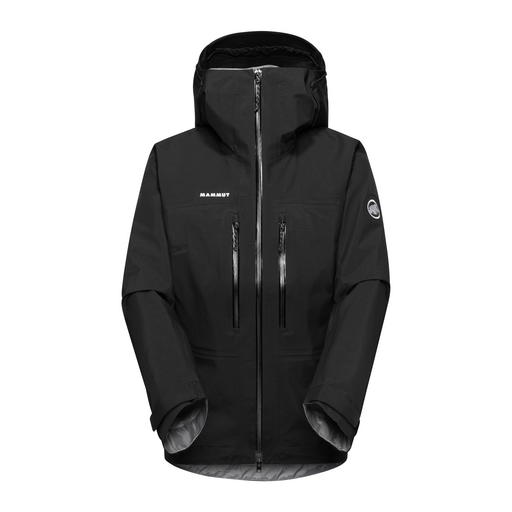
The Mammut Taiss HS offers technical Swiss alpine engineering at a price point that undercuts much of its direct competition. Retailing around $389, it is designed for climbers, mountaineers, and hillwalkers who need serious alpine protection without breaking into the $600-plus tier. Testing outlets have singled it out as an outstanding value for money, delivering the clean articulation and harness-friendly layout typical of higher-end shells. The jacket utilizes Mammut's proprietary 3-layer DRY Expedition material, constructed from recycled polyamide. The fabric delivers dependable water and windproofing while maintaining a surprisingly light, low-bulk feel in a pack. Mammut gave the Taiss deep, two-way underarm zips for dumping heat, high-mounted cross-body chest pockets that sit well clear of backpack belts, and a three-way adjustable, helmet-compatible hood that locks down tightly around the face. The primary compromise involves heavy-duty durability. While the recycled face fabric easily handles standard alpine weather and snow sports, it is noticeably thinner than expedition-weight Gore-Tex Pro shells. Repeated friction against coarse granite chimneys or heavy external equipment will test the fabric over time, making it best suited for fast-moving climbers who prioritize low weight and breathability over heavy armor. **Highlights** - 3-layer Mammut DRY Expedition membrane with recycled polyamide - Excellent value for a fully featured technical alpine shell at roughly $389 - Cross-over chest pockets remain accessible under climbing harnesses - Generous two-way underarm pit zips for heat dumping - Precision three-point hood adjustment with reinforced visor **Watch-outs** - Face fabric is less burly than heavyweight mountaineering shells - Athletic European cut can feel narrow through the midsection when layering
Pros
- Substantially lower price than comparable technical alpine shells
- High-set cross-over chest pockets clear harnesses and hipbelts easily
- Supple, low-bulk fabric allows easy packing and unhindered movement
- Deep two-way underarm pit zips provide excellent ventilation control
Cons
- Lighter face fabric is less abrasion-resistant against rough rock
- Athletic European cut limits thick midlayer insulation underneath
- Lacks traditional handwarmer pockets for casual, off-mountain use
Best uses
- Alpine rock and ice climbing
- High-altitude mountaineering
- Backcountry ski touring
- Technical ridge scrambles
Specifications
- Retail Price
- Around $389
- Membrane
- 3-layer Mammut DRY Expedition
- Face Fabric
- 100% recycled polyamide
- Ventilation
- Two-way underarm pit zippers
- Pockets
- Two climbing harness-compatible chest pockets
- Hood Design
- Three-point adjustable, helmet-compatible
Pricing
We don't publish a price we haven't verified. The retailer links below open the live listing for this exact model.
Full catalog listing & offersBest for
Alpine rock and ice climbing, High-altitude mountaineering, Backcountry ski touring, Technical ridge scrambles
Where to buy the Taiss HS
We don't have a direct Amazon listing on file yet — this opens an Amazon search for the exact make and model.
Some links are affiliate links. Buying through them supports our testing at no extra cost to you.
The Mammut Taiss HS occupies a compelling niche in the technical alpine shell landscape. Positioned at roughly $389, it offers mountaineers and alpine climbers a capable alternative to increasingly expensive flagship shells without stripping away essential climbing-focused design details. Independent testing consensus highlights the jacket as an outstanding value for money, largely because Mammut managed to implement legitimate high-alpine articulation, thoughtful pocket architecture, and solid weather sealing at a price point well below the category norm. Engineered around Mammut's proprietary three-layer DRY Expedition fabric made from recycled polyamide, the jacket balances storm protection, packability, and low weight. It includes harness-compatible cross-over pockets, deep two-way underarm zips, and an adaptable storm hood designed to fit securely over climbing helmets. The supple hand feel of the textile keeps the shell from feeling excessively stiff or loud during high-exertion ascents. The trade-off for this price and low pack weight lies in long-term abrasion resistance. Mammut chose a lighter-gauge face fabric over heavy-duty expedition armor to prioritize breathability and unhindered movement. For fast-moving climbers, ski tourers, and hillwalkers who demand reliable mountain stormproofing without paying an exorbitant alpine tax, the Taiss HS hits a practical sweet spot.
Target Audience and Intended Use
The Taiss HS is built primarily for alpine climbers, mountaineers, and active hillwalkers who need serious weather protection without lugging a stiff, heavy storm fortress. It caters to users who prioritize fluid movement on rock, snow, or steep ascents and who wear a harness or pack waist belt regularly. Because it retails substantially below premium Gore-Tex Pro garments, it also serves budget-conscious outdoor athletes stepping into more demanding technical terrain. It is less suited for casual trail walking or urban commuting where a roomier, heavier shell with standard hand pockets might feel more natural. Instead, this piece is dialed for active pursuits where low weight and overhead reach matter.
Fabric and Construction Details
At the heart of the Taiss HS is Mammut's proprietary three-layer DRY Expedition laminate, utilizing a face fabric spun entirely from recycled polyamide. The weave yields a smooth, matte finish that avoids the crinkly, rigid feel typical of heavy-duty hardshells. Seams are cleanly taped and minimalized throughout high-friction zones to keep weight and bulk low. The recycled face material sheds precipitation reliably when treated with its factory durable water repellent finish, while the internal backer glides comfortably over midlayers. While proprietary membranes can sometimes lag behind name-brand equivalents in edge-case humidity scenarios, this laminate manages internal moisture well during sustained mountain output.
Alpine Functionality and Features
Mammut's alpine design roots are evident in the layout of the jacket. The front features two high-volume chest pockets angled for cross-body access, positioned well above the hipbelt line of a backpack or a climbing harness. Under the arms, generous two-way pit zippers extend deep down the torso, allowing users to dump heat on steep ascents without removing the jacket. The hood incorporates three-point adjustment and a stiffened peak, providing a secure seal over low-profile climbing helmets while cinching down neatly over bare heads. All external zips are water-repellent, reducing the need for heavy storm flaps and keeping the profile exceptionally clean.
Durability Expectations and Trade-Offs
The trade-off for the jacket's low bulk and reasonable price point is its durability against mechanical wear. While the recycled polyamide face is plenty resilient for general alpine weather, ski touring, and snowy ridges, it lacks the rugged denier needed to resist continuous scraping against coarse granite chimneys or dense off-trail brush. Punctures and friction wear will manifest sooner than they would on heavyweight 70D or 80D mountaineering garments. For climbers who operate primarily on mixed ice, open snow, and established alpine routes, the shell holds up admirably, but those needing an indestructible workhorse should consider heavier alternatives.
Fit and Sizing Realities
The Taiss HS adheres to Mammut's tailored athletic cut, which emphasizes a trim silhouette through the torso and articulated sleeves that prevent the hem from lifting when reaching overhead. While this profile prevents billowing wind resistance on exposed faces, it provides limited room for bulky cold-weather layering. Users planning to wear thick fleece jackets or mid-weight synthetic puffies beneath the shell may need to size up. The cuffs are cut asymmetrical to protect the backs of the hands and secure via low-profile hook-and-loop tabs, making them easy to manipulate with mountaineering gloves.
Market Alternatives and Value
At roughly $389, the Taiss HS undercuts top-tier alpine shells while maintaining a climbing-specific feature set. Alternatives in this mid-tier bracket include the Black Diamond Highline Stretch and various direct-to-consumer three-layer shells. Where the Taiss stands out is its refined alpine patterning and harness-first geometry, giving it the feel of a higher-priced specialist shell. Buyers searching for a do-it-all hiking shell might miss traditional waist-level handwarmer pockets, but within technical alpine categories, the Taiss remains one of the strongest value propositions available.
How we picked
We started with a long list of hardshell jackets that people actually buy, cut anything that could not clear our baseline for durability and field performance, then ranked the 10 that were left against the same criteria. Rankings are editorial. No brand pays for placement, and affiliate links never move a pick up or down.
- Fabric behavior over time
- Breathability, DWR life, loft retention, and how the piece performs after repeated washing.
- Real-world durability
- How the material, stitching, or steel holds up after a season of hard use — not how it looks new.
- Performance in bad conditions
- Wind, rain, cold, and grit are the test. Anything that only works on a nice day gets marked down.
- Weight and packability
- Every ounce has to earn its place in the pack, but not at the cost of something that fails in the field.
- Ease of use
- Setup, adjustment, and maintenance with cold hands, in the dark, without the manual.
- Value at its price point
- Compared against the closest competitors in the same tier, not against cheaper gear in a different class.
Taiss HS — frequently asked questions
- Is the Taiss HS worth it?
- We rank it #7 in Hardshell Jackets. The Mammut Taiss HS offers technical Swiss alpine engineering at a price point that undercuts much of its direct competition. Retailing around $389, it is designed for climbers, mountaineers, and hillwalkers who need serious alpine protection without breaking into the $600-plus tier.
- What is the Taiss HS best for?
- Best for alpine rock and ice climbing, high-altitude mountaineering, backcountry ski touring and technical ridge scrambles. Standouts: substantially lower price than comparable technical alpine shells and high-set cross-over chest pockets clear harnesses and hipbelts easily.
- What are the downsides of the Taiss HS?
- Lighter face fabric is less abrasion-resistant against rough rock, Athletic European cut limits thick midlayer insulation underneath and Lacks traditional handwarmer pockets for casual, off-mountain use.
- What are the key specs of the Taiss HS?
- Retail Price: Around $389 · Membrane: 3-layer Mammut DRY Expedition · Face Fabric: 100% recycled polyamide · Ventilation: Two-way underarm pit zippers · Pockets: Two climbing harness-compatible chest pockets
- Target Audience and Intended Use — what should I know about the Taiss HS?
- The Taiss HS is built primarily for alpine climbers, mountaineers, and active hillwalkers who need serious weather protection without lugging a stiff, heavy storm fortress. It caters to users who prioritize fluid movement on rock, snow, or steep ascents and who wear a harness or pack waist belt regularly.
- Fabric and Construction Details — what should I know about the Taiss HS?
- At the heart of the Taiss HS is Mammut's proprietary three-layer DRY Expedition laminate, utilizing a face fabric spun entirely from recycled polyamide. The weave yields a smooth, matte finish that avoids the crinkly, rigid feel typical of heavy-duty hardshells.
Compare side by side
Put the Taiss HS against any other pick on this list — specs, price, pros, cons and reader ratings.