



Reader rating
Rate it and you move it. Community ratings re-rank this product inside its Top 10 list.
Expert-picked, reader-ranked. Our editors choose the products and the launch order; member star ratings move picks up or down over time.
The Ghost River Wilderness, located west of Calgary, offers a more rugged and adventurous ice climbing experience compared to the readily accessible Parkway. This area is known for its incredible volume of difficult, multi-pitch ice and mixed climbs, often in remote canyons and valleys. Access is primarily via a rough, unmaintained road, often requiring a high-clearance 4x4, especially after snow. Once in, you'll be trekking through pristine wilderness to reach many of the classic routes. The commitment level is higher here, rewarding those willing to put in the effort with a genuine wilderness experience and world-class climbing. Cochrane is the nearest town for last-minute supplies and a cell signal, but services are limited once you head into the Ghost. The climbing season is generally from late November to late March. Conditions can vary wildly, with heavy snow making road access and approaches very difficult, and chinook winds capable of rapidly deteriorating ice. This area is best suited for experienced climbers with strong route-finding skills, avalanche awareness, and self-rescue capabilities. There are no permits or fees for climbing, but respecting the wilderness and Leave No Trace principles is critical. The main trade-offs are the challenging access, remoteness, and exposure to rapidly changing mountain weather.
Pros
- World-class, difficult multi-pitch ice and mixed climbing
- Genuine wilderness experience with minimal crowds
- Exceptional volume and variety of routes
- No permits or fees required for climbing
Cons
- Challenging, unmaintained road access often requires 4x4
- Remote location with unreliable cell service
- Significant commitment level for approaches and safety
- Exposure to rapid weather changes and avalanche hazards
Best uses
- Experienced ice climbers
- Multi-pitch enthusiasts
- Wilderness skill development
- Remote expedition training
Specifications
- Location
- West of Calgary, Alberta, Canada
- Primary Activity
- Ice and Mixed Climbing
- Access Road
- Unmaintained, 4x4 recommended
- Nearest Town
- Cochrane
- Climbing Season
- Late November to Late March
- Permits
- Not required for climbing
Best for
Experienced ice climbers, Multi-pitch enthusiasts, Wilderness skill development, Remote expedition training
The Ghost River Wilderness, nestled in the front range of the Canadian Rockies west of Calgary, stands out as a premier destination for serious ice and mixed climbing. Unlike more developed areas, the Ghost demands commitment, offering a raw, challenging experience for those willing to earn it. This vast wilderness is characterized by its deep, often remote canyons and valleys, which funnel cold air and harbor an exceptional density of multi-pitch ice formations, many of them difficult and technical. It’s a place where the journey to the climb is as significant as the climb itself, frequently involving extensive trekking through pristine, rugged terrain. Access is a key differentiator here; the primary route in relies on an unmaintained road, often requiring a high-clearance 4x4, particularly after snowfall. This natural barrier helps preserve the area’s wild character and ensures a genuine wilderness experience for those who make the effort. Climbers venturing into the Ghost should be self-sufficient and well-versed in mountain travel, route-finding, and avalanche safety. The rewards, however, are world-class climbs in an environment that truly feels untamed, offering a stark contrast to more accessible crags.
Terrain and Geography
The Ghost River Wilderness encompasses a rugged section of the Canadian Rockies foothills, defined by its intricate network of deep canyons, river valleys, and exposed ridges. These geographic features are crucial to its identity as an ice climbing mecca, as they create the ideal conditions for the formation and preservation of massive ice routes. The landscape varies from open river flats to steep, forested slopes and sheer rock walls, all contributing to demanding approaches and a true sense of exploration. This complex terrain necessitates strong navigation skills and an understanding of mountain hydrology and snowpack dynamics.
Best Season & Weather
The prime season for ice climbing in the Ghost typically runs from late November through late March. Early season offers crisp, often stable ice, while late season can bring longer daylight hours and potentially warmer temperatures, but also increased avalanche risk and deteriorating ice in certain areas. Weather in the Canadian Rockies is notoriously fickle; chinook winds can rapidly warm the area, softening ice and increasing avalanche hazard, while heavy snowfalls can make road access impassable and approaches arduous. Climbers must monitor conditions closely and be prepared for rapid changes.
Wildlife & Wilderness
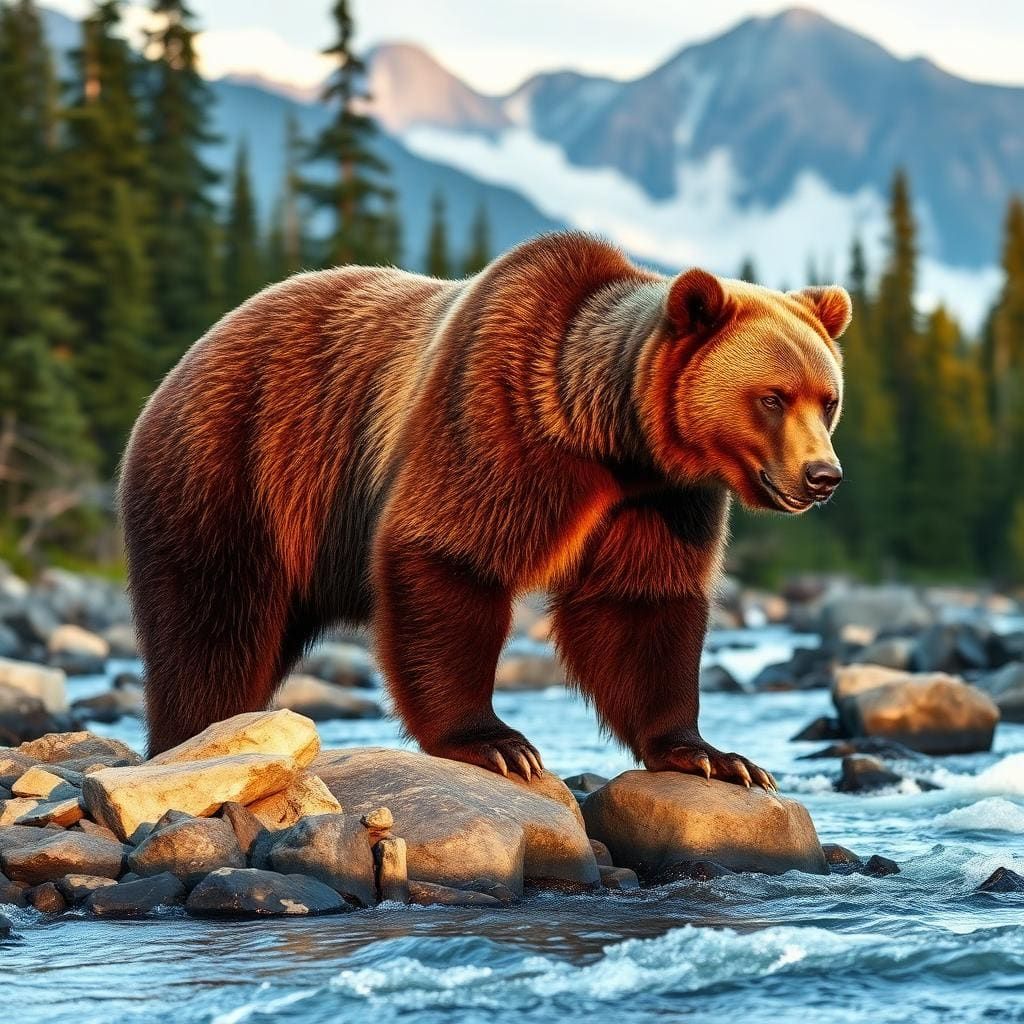
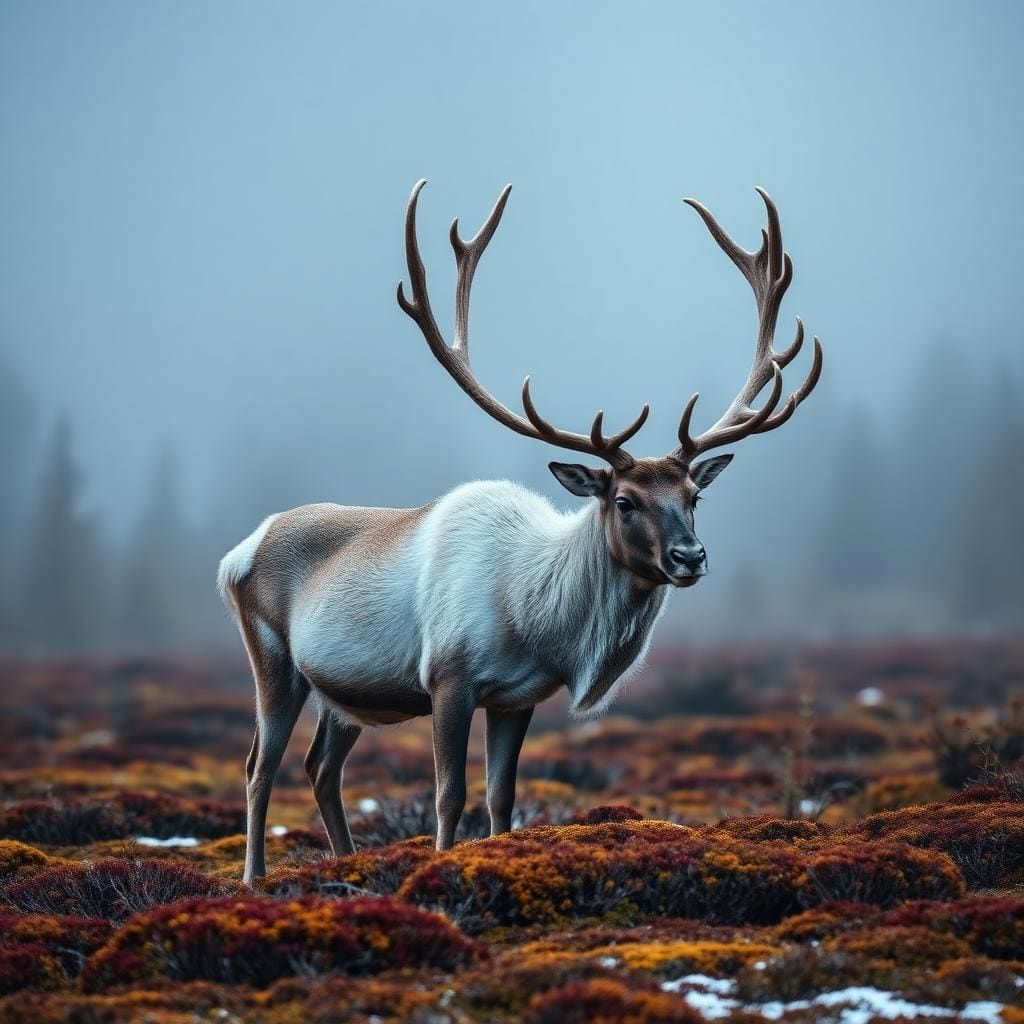
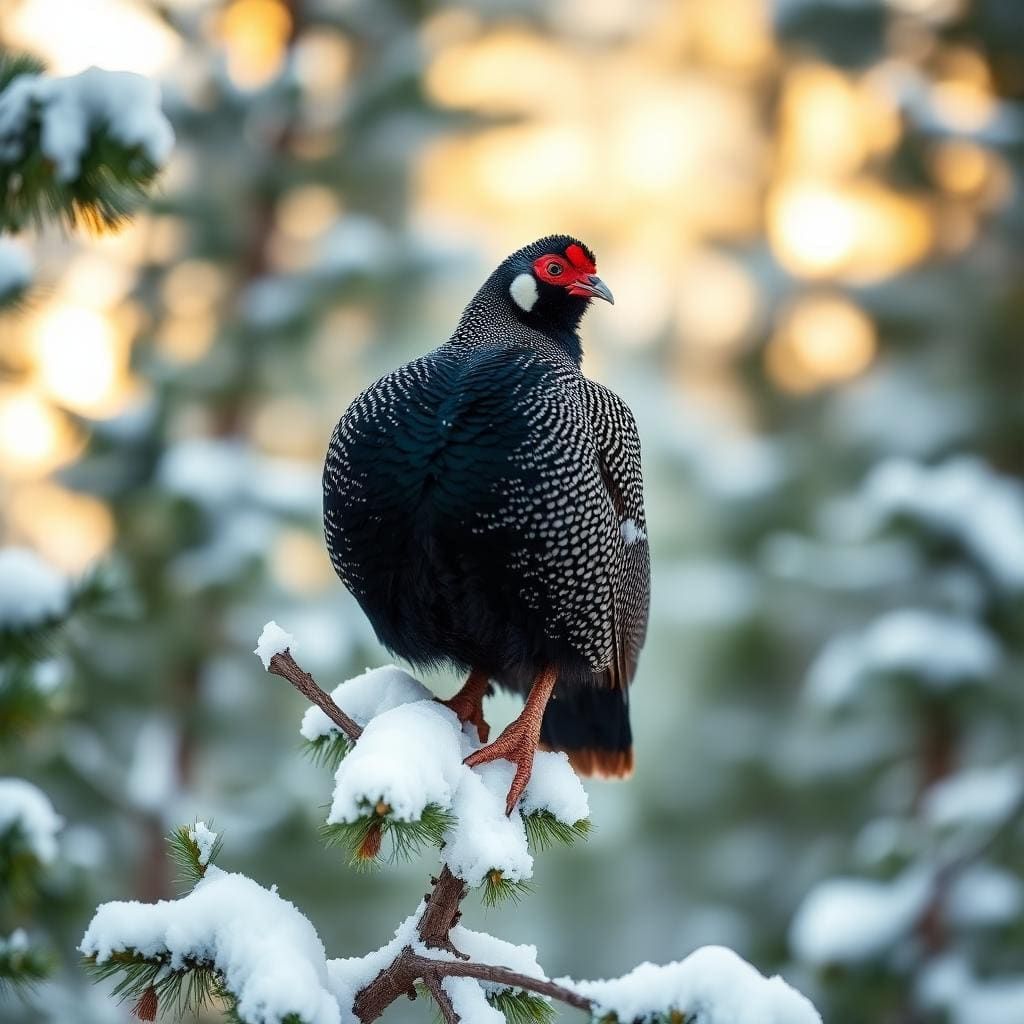
As a true wilderness area, the Ghost is home to diverse wildlife, including elk, deer, bighorn sheep, and various predators like wolves, cougars, and bears. While bears are typically hibernating during the climbing season, awareness of their presence and proper food storage are always important. Encountering wildlife is part of the experience here, underscoring the need for respectful behavior and adherence to Leave No Trace principles. This also means understanding that human presence is minimal, and aid is often hours away, reinforcing the need for self-reliance.
Key Routes & Attractions
The Ghost is renowned for its high concentration of difficult, multi-pitch ice and mixed climbs, attracting experienced climbers from around the globe. Classic routes often mentioned include those in areas like the Black Velvet Wall, Orient Point, and the Valley of the Birds. These routes are characterized by their sustained difficulty, exposure, and the remote settings in which they are found. While specific route details are beyond the scope here, the sheer volume and quality of challenging lines make it a destination for those seeking to push their technical limits on ice.
Permits & Access
There are no specific permits or fees required for ice climbing in the Ghost River Wilderness. However, the most significant access hurdle is the unmaintained gravel road leading into the area. This road frequently requires a high-clearance 4x4 vehicle, especially after snow or during periods of freeze-thaw. Beyond the road, approaches to many climbs involve significant hiking or ski touring through deep snow, often requiring route-finding skills in unmarked terrain. Cell service is unreliable or nonexistent once past Cochrane, emphasizing self-sufficiency.
How we picked
We built this ranking from trip reports, agency data, permit records, and our editors' own time on the ground. 10 places made the final cut out of a much longer working list, and each one had to clear the same set of criteria before it earned a spot.
- Quality of the terrain
- Landscape, route variety, and whether the place rewards multiple days rather than one overlook.
- Season and weather windows
- How long the reliable window is, and how badly the shoulder seasons punish a bad forecast.
- Access and permits
- Trailhead logistics, permit odds, quotas, and how much lead time a trip realistically takes.
- Solitude vs. crowding
- How far you have to walk before the place feels like wilderness instead of a queue.
- Wildlife and ecology
- What you can reasonably expect to see, and what you have to plan around.
- Risk and skill required
- Navigation, water crossings, exposure, and rescue distance — stated plainly.
Ghost River Wilderness — frequently asked questions
- Is Ghost River Wilderness worth the trip?
- We rank it #2 in Canadian Rockies Ice Climbing. The Ghost River Wilderness, located west of Calgary, offers a more rugged and adventurous ice climbing experience compared to the readily accessible Parkway. This area is known for its incredible volume of difficult, multi-pitch ice and mixed climbs, often in remote canyons and valleys.
- Who is Ghost River Wilderness best for?
- Best for experienced ice climbers, multi-pitch enthusiasts, wilderness skill development and remote expedition training. Standouts: world-class, difficult multi-pitch ice and mixed climbing and genuine wilderness experience with minimal crowds.
- What are the drawbacks of Ghost River Wilderness?
- Challenging, unmaintained road access often requires 4x4, Remote location with unreliable cell service and Significant commitment level for approaches and safety.
- What are the key details for Ghost River Wilderness?
- Location: West of Calgary, Alberta, Canada · Primary Activity: Ice and Mixed Climbing · Access Road: Unmaintained, 4x4 recommended · Nearest Town: Cochrane · Climbing Season: Late November to Late March
- Terrain and Geography — what should I know about the Ghost River Wilderness?
- The Ghost River Wilderness encompasses a rugged section of the Canadian Rockies foothills, defined by its intricate network of deep canyons, river valleys, and exposed ridges. These geographic features are crucial to its identity as an ice climbing mecca, as they create the ideal conditions for the formation and…
- Best Season & Weather — what should I know about the Ghost River Wilderness?
- The prime season for ice climbing in the Ghost typically runs from late November through late March. Early season offers crisp, often stable ice, while late season can bring longer daylight hours and potentially warmer temperatures, but also increased avalanche risk and deteriorating ice in certain areas.
Where on earth
Satellite imagery flying in from a world view to Ghost River Wilderness, Alberta, Canada. Use the + / − buttons, or click the map to zoom with your scroll wheel; drag to pan and pinch to zoom on touch.
Ghost River Wilderness Area, Bighorn No. 8, AB T1W 2V2, Canada · 51.348, -115.387
Wildlife found around Ghost River Wilderness





Compare side by side
Put the Ghost River Wilderness against any other pick on this list — specs, price, pros, cons and reader ratings.