



Reader rating
Rate it and you move it. Community ratings re-rank this product inside its Top 10 list.
Expert-picked, reader-ranked. Our editors choose the products and the launch order; member star ratings move picks up or down over time.
The Icefields Parkway, stretching between Lake Louise and Jasper, is arguably the world's most concentrated corridor of accessible, high-quality ice climbs. This is the heart of Canadian Rockies ice, offering everything from roadside single-pitch flows to multi-pitch alpine adventures. The sheer volume and variety of routes, often visible from the highway, make it an undeniable top pick. Climbs like 'Weeping Wall' and 'Polar Circus' are iconic, drawing climbers from around the globe. Expect a wide range of grades, from WI3 to WI6, often with approachable walk-ins. The scenery is consistently breathtaking, placing you deep within the majestic Canadian Rockies. The nearest major town for amenities and services is Canmore, followed by Lake Louise and Jasper. Lake Louise is the most central hub for many of the Parkway's popular climbs. The ideal season is typically November through March, with December and January often providing the best conditions. Snowpack can be a significant factor, with heavier snow making approaches more challenging. Skill levels vary wildly from beginner-friendly top-roping opportunities to highly committing expeditions. Banff and Jasper National Parks require park passes, and specific routes may have seasonal access restrictions due to wildlife or avalanche hazards. Trade-offs include cold temperatures, potential for high avalanche danger, and crowds on popular routes, especially on weekends.
Pros
- Unmatched concentration of high-quality ice routes
- Diverse range of grades for all skill levels
- Many iconic, world-renowned climbs
- Spectacular, pristine mountain scenery
- Relatively accessible roadside options
Cons
- Extreme cold and harsh weather conditions are common
- Significant avalanche hazard in much of the terrain
- Popular routes can be heavily trafficked
- Remote locations require self-sufficiency and experience
Best uses
- Multi-pitch ice climbing
- Introductory ice climbing courses
- Roadside ice cragging
- Winter photography expeditions
- Advanced alpine ascents
Specifications
- Location
- Alberta, Canadian Rockies (Banff/Jasper National Parks)
- Best Season
- November - March (December-January peak)
- Typical Grades
- WI3 - WI6+
- Nearest Hub
- Lake Louise, Canmore, Jasper
- Terrain
- Mountain valleys, roadside cliffs, alpine cirques
- Access
- Vehicle (Icefields Parkway)
Best for
Multi-pitch ice climbing, Introductory ice climbing courses, Roadside ice cragging, Winter photography expeditions, Advanced alpine ascents
The Icefields Parkway, a ribbon of road connecting Lake Louise and Jasper through the Canadian Rockies, represents an unparalleled nexus for ice climbing. This corridor is globally recognized for its sheer density of accessible, high-quality frozen waterfalls. Climbers here find themselves amidst a dramatic landscape of towering peaks and deep valleys, with many routes appearing directly from the roadside, simplifying logistics. It offers a comprehensive spectrum of ice climbing, from introductory single-pitch flows suitable for developing fundamental skills, to challenging, multi-pitch alpine endeavors that test seasoned veterans. The sheer volume and diversity of climbing, coupled with relatively straightforward access for many routes, firmly establish its reputation. This region’s allure extends beyond the quantity of ice; it’s the quality and iconic status of climbs like 'Weeping Wall' and 'Polar Circus' that draw an international contingent. Grades span a wide range, generally from WI3 to WI6, accommodating various skill levels. The scenery is a constant companion, providing a backdrop of majestic mountains and ancient glaciers that few other climbing destinations can rival. The Parkway itself is a journey through two national parks, ensuring a protected and pristine environment, though this also entails specific access regulations. The typical ice climbing season runs from November through March, with optimal conditions often found in December and January when ice formations are robust and temperatures consistently cold. Navigating snowpack is a crucial consideration, as deeper accumulations can complicate or extend approaches. While the area caters to a broad range of experience, from those seeking guided introductory experiences to highly self-sufficient expeditions, proper preparation for cold, mountain weather, and potential avalanche hazards is non-negotiable. Popular routes, especially on weekends, can see significant traffic, a common trade-off for world-class accessibility.
Geography & Terrain
The Icefields Parkway cuts through the heart of the Canadian Rockies, traversing a landscape shaped by ancient glaciers and immense tectonic forces. Climbs are primarily found in deep, U-shaped valleys and cirques, often fed by snowmelt and natural springs cascading over massive rock walls. The terrain ranges from easily accessible roadside cliffs to remote, high-alpine routes requiring significant approach and commitment. You will encounter dense coniferous forests at lower elevations, giving way to barren rock, ice, and permanent snowfields higher up. Elevation changes are significant, influencing weather and ice formation, creating a diverse palette of climbing environments.
Best Season & Weather
The prime ice climbing window spans from early November into late March. December and January typically offer the most stable and well-formed ice, benefiting from sustained cold temperatures. Temperatures during this period can frequently drop well below -20°C, often with significant wind chill, demanding appropriate layering and gear. Daylight hours are short in mid-winter. While cold ensures ice, heavy snowfall can increase avalanche risk and make approaches strenuous. Spring climbing in March can offer longer days and milder temperatures, but ice quality may begin to degrade, and avalanche danger often rises with warming trends.
Wildlife Encounters
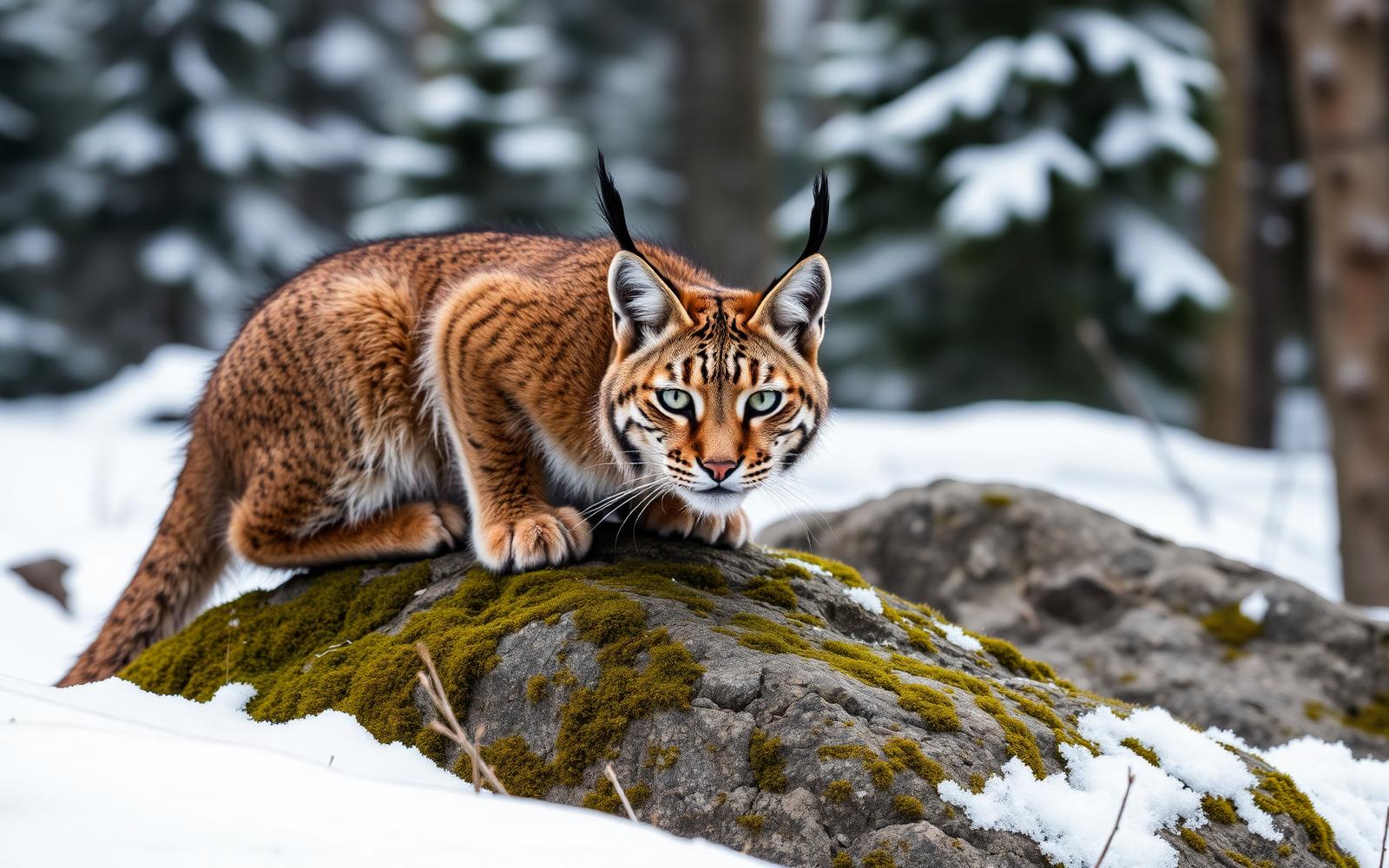
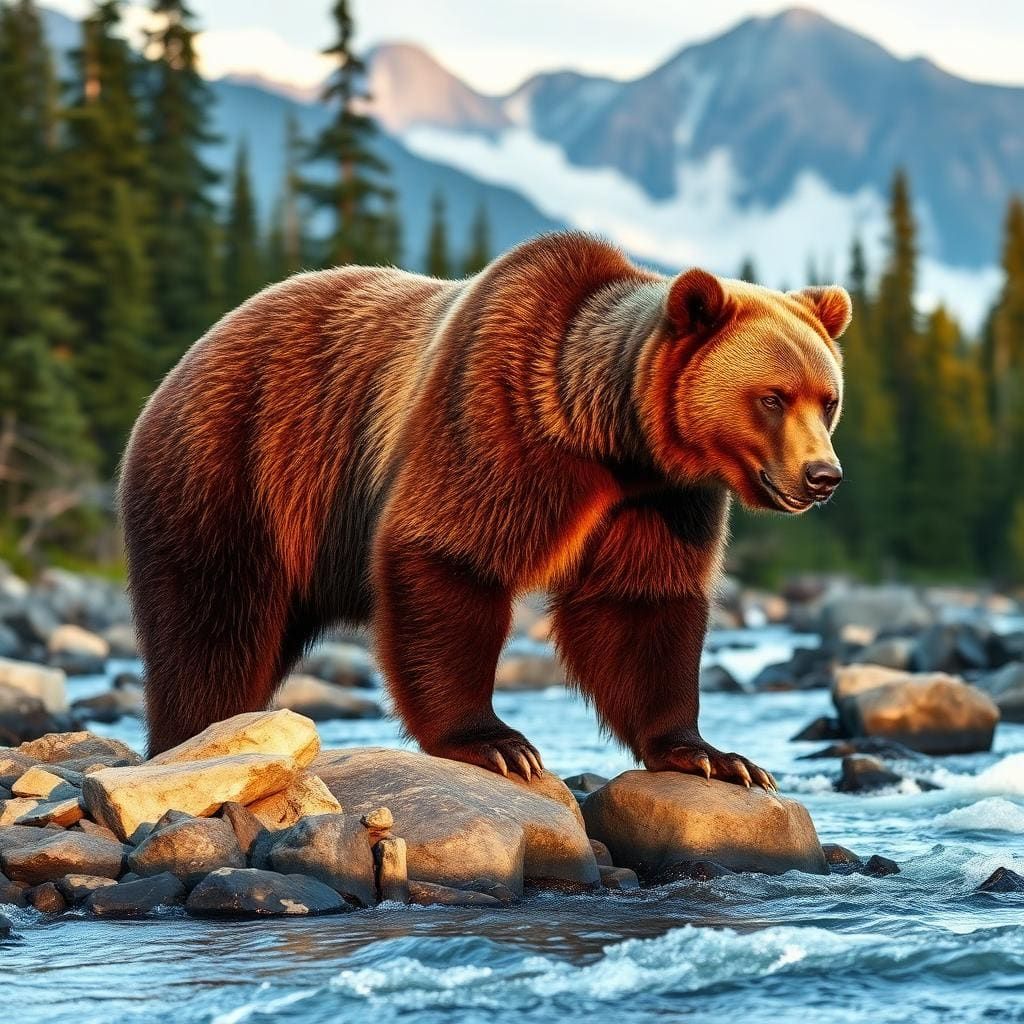
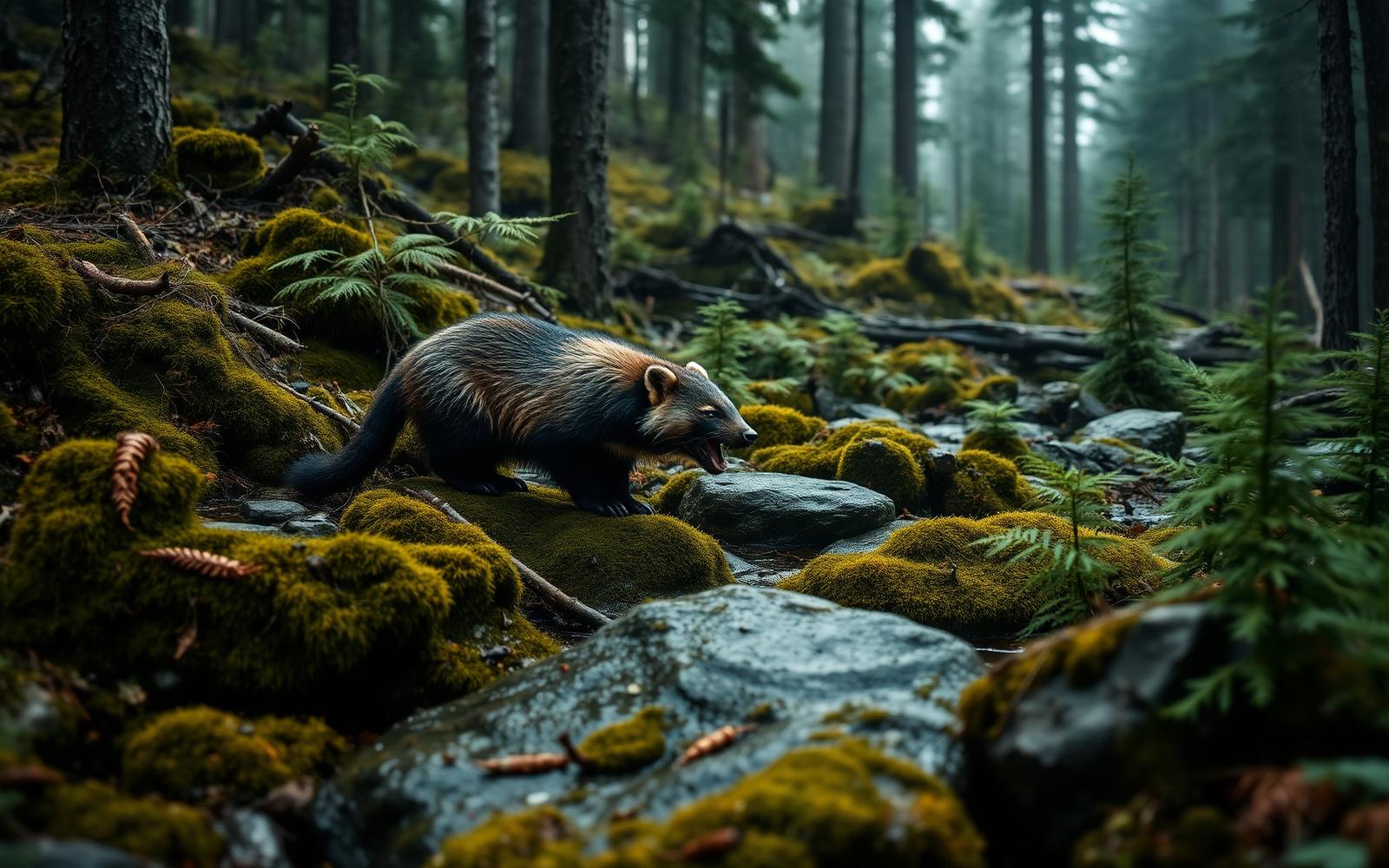
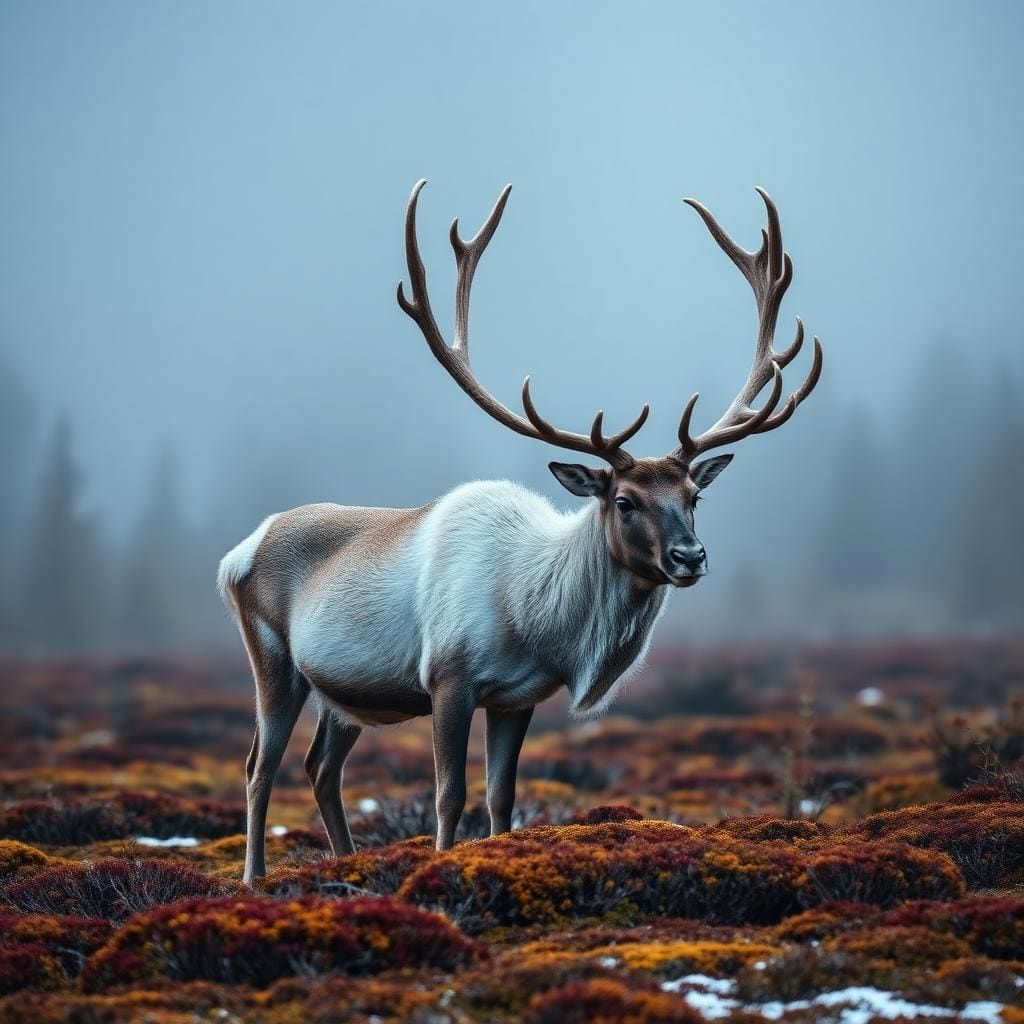
The Icefields Parkway is within national park boundaries, meaning active wildlife is common even in winter. Species include bighorn sheep, mountain goats, elk, and deer. While bears are typically denning, wolverines and wolves are present, though rarely seen. It is crucial to maintain a respectful distance from all animals, especially ungulates who may become aggressive if provoked. Store food securely, even during winter, and be aware of your surroundings, particularly during approaches and descents. Following park regulations for wildlife encounters is mandatory for both safety and conservation.
Key Routes & Attractions
Iconic routes abound, serving as a magnet for climbers worldwide. The 'Weeping Wall' near Lake Louise offers multiple pitches and moderate grades, making it a popular choice. 'Polar Circus,' a multi-pitch classic, presents a longer, more committing challenge. For single-pitch, easily accessed options, areas like 'Haffner Creek' provide numerous top-ropable lines. Further north, the 'Cline River' area and climbs near the 'Columbia Icefield' offer more adventurous, often less crowded, experiences. Beyond climbing, the Parkway itself is a scenic wonder, with numerous viewpoints and short hikes accessible, depending on snow conditions.
Permits & Access
A valid National Park pass is required for every person entering Banff and Jasper National Parks. These can be purchased at park gates or online. Many climbs are roadside or have relatively short, marked approaches. However, some routes require longer treks or specific technical approaches over difficult terrain. Seasonal road closures or advisories due to weather, avalanche risk, or wildlife management are common, especially on side roads. Always check Parks Canada's current conditions and warnings before heading out. Backcountry permits may be necessary for overnight stays or specific remote areas.
Hazards & Trade-offs
The primary hazards are extreme cold, high avalanche danger, and the inherent risks of ice climbing. Temperatures can drop dramatically, leading to frostbite if not properly equipped. Avalanche terrain is prevalent, requiring astute snow assessment skills and appropriate safety gear (beacon, shovel, probe). Ice itself presents challenges: brittle conditions, falling ice, and objective hazards like serac fall on alpine routes. Popular climbs can experience significant crowding, leading to falling ice from above. The demanding mountain environment means self-sufficiency and sound decision-making are paramount for a safe trip.
How we picked
We built this ranking from trip reports, agency data, permit records, and our editors' own time on the ground. 10 places made the final cut out of a much longer working list, and each one had to clear the same set of criteria before it earned a spot.
- Quality of the terrain
- Landscape, route variety, and whether the place rewards multiple days rather than one overlook.
- Season and weather windows
- How long the reliable window is, and how badly the shoulder seasons punish a bad forecast.
- Access and permits
- Trailhead logistics, permit odds, quotas, and how much lead time a trip realistically takes.
- Solitude vs. crowding
- How far you have to walk before the place feels like wilderness instead of a queue.
- Wildlife and ecology
- What you can reasonably expect to see, and what you have to plan around.
- Risk and skill required
- Navigation, water crossings, exposure, and rescue distance — stated plainly.
Icefields Parkway (Banff/Jasper National Parks) — frequently asked questions
- Is Icefields Parkway (Banff/Jasper National Parks) worth the trip?
- We rank it #1 in Canadian Rockies Ice Climbing. The Icefields Parkway, stretching between Lake Louise and Jasper, is arguably the world's most concentrated corridor of accessible, high-quality ice climbs. This is the heart of Canadian Rockies ice, offering everything from roadside single-pitch flows to multi-pitch alpine adventures.
- Who is Icefields Parkway (Banff/Jasper National Parks) best for?
- Best for multi-pitch ice climbing, introductory ice climbing courses, roadside ice cragging and winter photography expeditions. Standouts: unmatched concentration of high-quality ice routes and diverse range of grades for all skill levels.
- What are the drawbacks of Icefields Parkway (Banff/Jasper National Parks)?
- Extreme cold and harsh weather conditions are common, Significant avalanche hazard in much of the terrain and Popular routes can be heavily trafficked.
- What are the key details for Icefields Parkway (Banff/Jasper National Parks)?
- Location: Alberta, Canadian Rockies (Banff/Jasper National Parks) · Best Season: November - March (December-January peak) · Typical Grades: WI3 - WI6+ · Nearest Hub: Lake Louise, Canmore, Jasper · Terrain: Mountain valleys, roadside cliffs, alpine cirques
- Geography & Terrain — what should I know about the Icefields Parkway (Banff/Jasper National Parks)?
- The Icefields Parkway cuts through the heart of the Canadian Rockies, traversing a landscape shaped by ancient glaciers and immense tectonic forces. Climbs are primarily found in deep, U-shaped valleys and cirques, often fed by snowmelt and natural springs cascading over massive rock walls.
- Best Season & Weather — what should I know about the Icefields Parkway (Banff/Jasper National Parks)?
- The prime ice climbing window spans from early November into late March. December and January typically offer the most stable and well-formed ice, benefiting from sustained cold temperatures.
Where on earth
Satellite imagery flying in from a world view to Icefields Parkway (Banff/Jasper National Parks), Alberta, Canada. Use the + / − buttons, or click the map to zoom with your scroll wheel; drag to pan and pinch to zoom on touch.
Icefields Pkwy, Jasper, AB, Canada · 52.867, -118.093
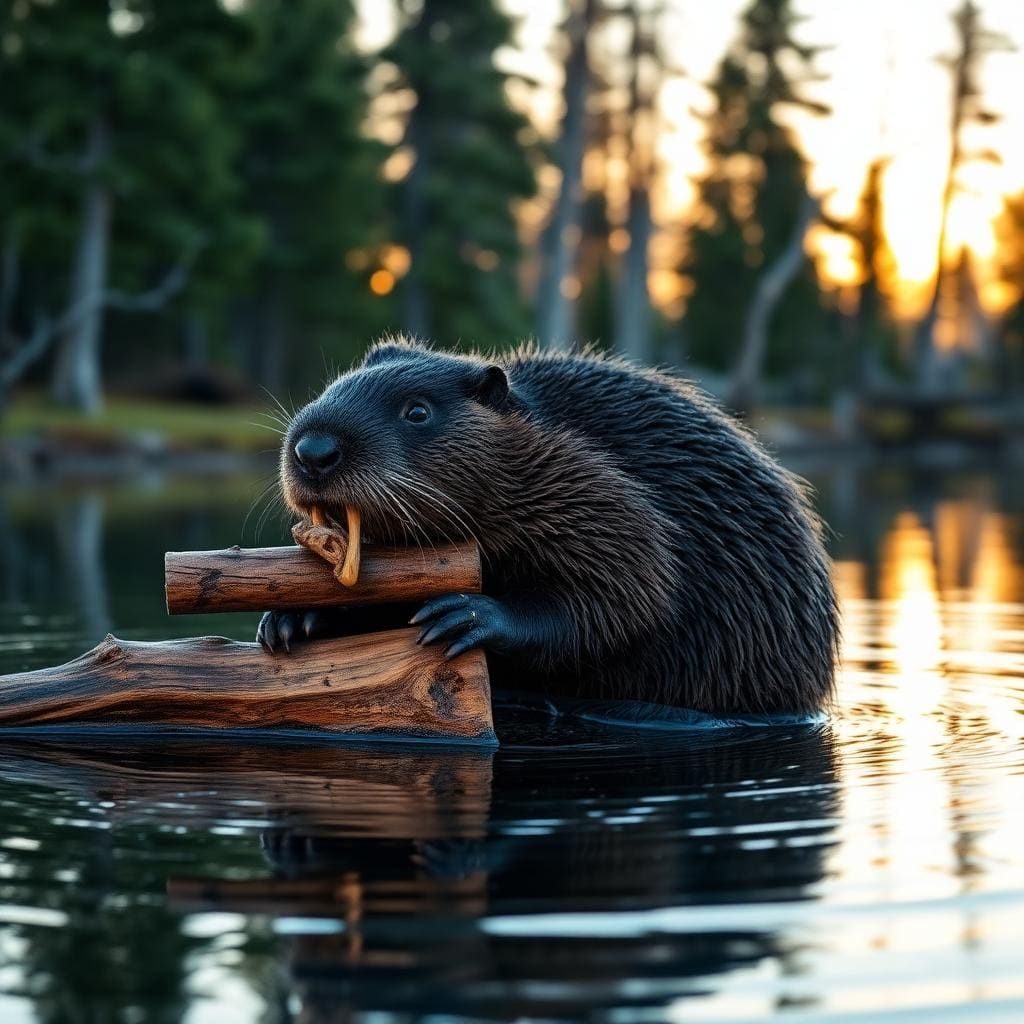
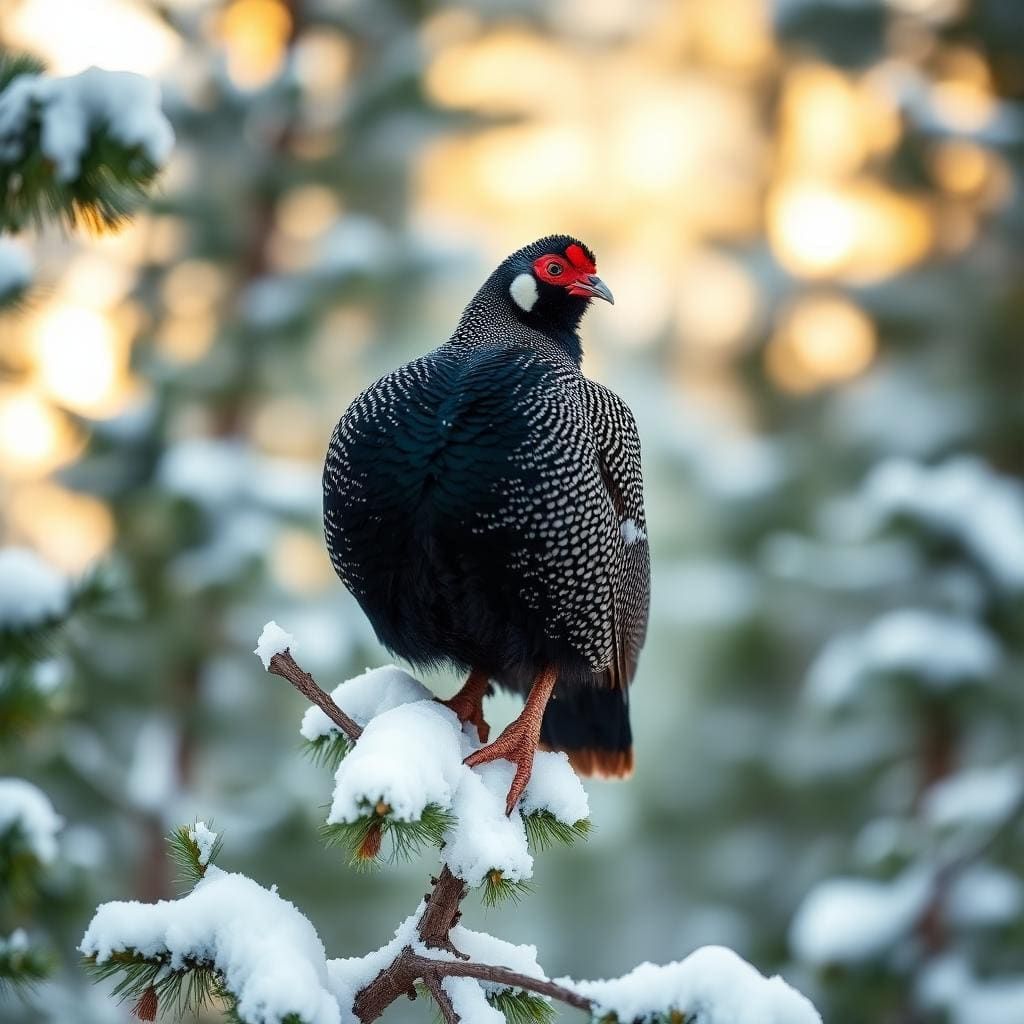
Wildlife found around Icefields Parkway (Banff/Jasper National Parks)


Compare side by side
Put the Icefields Parkway (Banff/Jasper National Parks) against any other pick on this list — specs, price, pros, cons and reader ratings.