



Reader rating
Rate it and you move it. Community ratings re-rank this product inside its Top 10 list.
Expert-picked, reader-ranked. Our editors choose the products and the launch order; member star ratings move picks up or down over time.
While often lumped in with the Icefields Parkway, Jasper National Park offers its own distinct flavor of ice climbing, particularly further north. The climbs here tend to be more remote and often require more commitment than their southern counterparts, offering a true sense of adventure. The area around Jasper townsite and up towards the Columbia Icefield still boasts classics, but the longer approaches and colder temperatures often thin out the crowds. This is a great choice for those looking to combine ice climbing with a more wilderness-focused trip, away from the Banff/Lake Louise hustle. Jasper townsite is the main hub, offering full services, accommodation, and a relaxed atmosphere. The season for ice climbing typically extends from late November through March, sometimes into April in higher elevations. While there are some beginner-friendly flows, many of Jasper's gems cater to intermediate and advanced climbers due to longer approaches and more serious terrain. A Parks Canada pass is required. Trade-offs include longer drives from major cities, generally colder temperatures than areas further south, and the need for solid backcountry skills due to the more remote nature of many routes.
Pros
- Genuine wilderness experience
- Fewer crowds on many routes
- Diverse range of climbing grades
- Long ice climbing season
- Stunning, untouched scenery
Cons
- Colder temperatures than southern Rockies
- Longer, more challenging approaches
- Higher commitment due to remote nature
- Significant avalanche hazard on many routes
Best uses
- Multi-day ice expeditions
- Advanced technical climbing
- Solitude-seeking adventures
- Backcountry skill building
Specifications
- Location
- Alberta, Canada (Canadian Rockies)
- Primary Access
- Jasper Townsite
- Season
- Late November - March (April high elevations)
- Permit
- Parks Canada Pass Required
- Typical Temps
- Often Colder than Southern Rockies
- Key Feature
- Remote, Wilderness-focused Climbing
Best for
Multi-day ice expeditions, Advanced technical climbing, Solitude-seeking adventures, Backcountry skill building
Jasper National Park stands as a formidable ice climbing destination, offering a distinct experience compared to its southern neighbors along the Icefields Parkway. The climbs here are often characterized by their remote nature, demanding a higher degree of commitment and self-sufficiency from climbers. This park offers a genuine wilderness experience, where the challenge extends beyond just the ice itself, encompassing longer approaches and colder conditions that thin out the crowds. While classic flows are accessible around the Jasper townsite and towards the Columbia Icefield, the true allure lies in the more secluded, challenging lines deeper within the park's vast expanse. It's a destination for those seeking to blend serious ice climbing with an immersive backcountry adventure, away from the more trodden paths. The park's geography presents a varied canvas for ice. Lower-elevation climbs near the Athabasca River and its tributaries offer accessible options, while higher peaks and remote valleys hold multi-pitch giants. Wildlife encounters are common, adding to the wild appeal but also requiring vigilance. The season typically runs from late November through March, sometimes pushing into April at higher altitudes, with colder temperatures generally prevailing compared to areas further south. This extended season provides ample opportunity, but climbers must be prepared for true winter conditions.
Terrain & Geography
Jasper National Park encompasses a vast array of mountain terrain, from deep river valleys to towering peaks. The ice climbs are spread across this varied landscape, with concentrations around the Maligne Canyon, the Athabasca River corridor, and further north towards Hinton, as well as along the Jasper section of the Icefields Parkway. This geographical spread means approaches can range from roadside to multi-day expeditions. The geology tends towards quartzite and limestone, providing solid anchors and often dramatic backdrops to the frozen flows. Expect significant elevation gains on some approaches and routes, challenging both endurance and route-finding skills. The sheer scale of the park dictates a serious approach to logistics and planning.
Best Season & Weather
The prime ice climbing season typically kicks off in late November, once consistent cold spells have had time to build thick, stable ice, and often extends well into March. Early season offers fragile, thinner ice on some routes but can also provide less snow cover for approaches. Mid-season (January-February) generally sees the most reliable ice and stable conditions, albeit with the coldest temperatures. Late season (March) brings warmer days and longer daylight hours, but also increased avalanche risk, particularly on sun-exposed slopes. Expect significant temperature swings and prepare for extreme cold; a -20°C day is not uncommon, especially deeper in the park. Weather windows can be short, so flexibility is key.
Key Routes & Attractions
Jasper offers a diverse menu for all but absolute beginners. Maligne Canyon features accessible, often crowded, single-pitch options. For more commitment, routes like Andromeda Strain (V, WI4-5) or Weeping Wall (IV, WI4) further south on the Parkway offer multi-pitch challenges. The area around Jasper townsite also has shorter, steeper flows. More remote gems like Shades of Beauty (V, WI5) or the climbs off the Snaring River require significant effort to reach but reward with solitude and untouched ice. The sheer number of routes means diligent research is required to match your skill and commitment level to the destination. Many of the most rewarding climbs are off the beaten path.
Wildlife Encounters
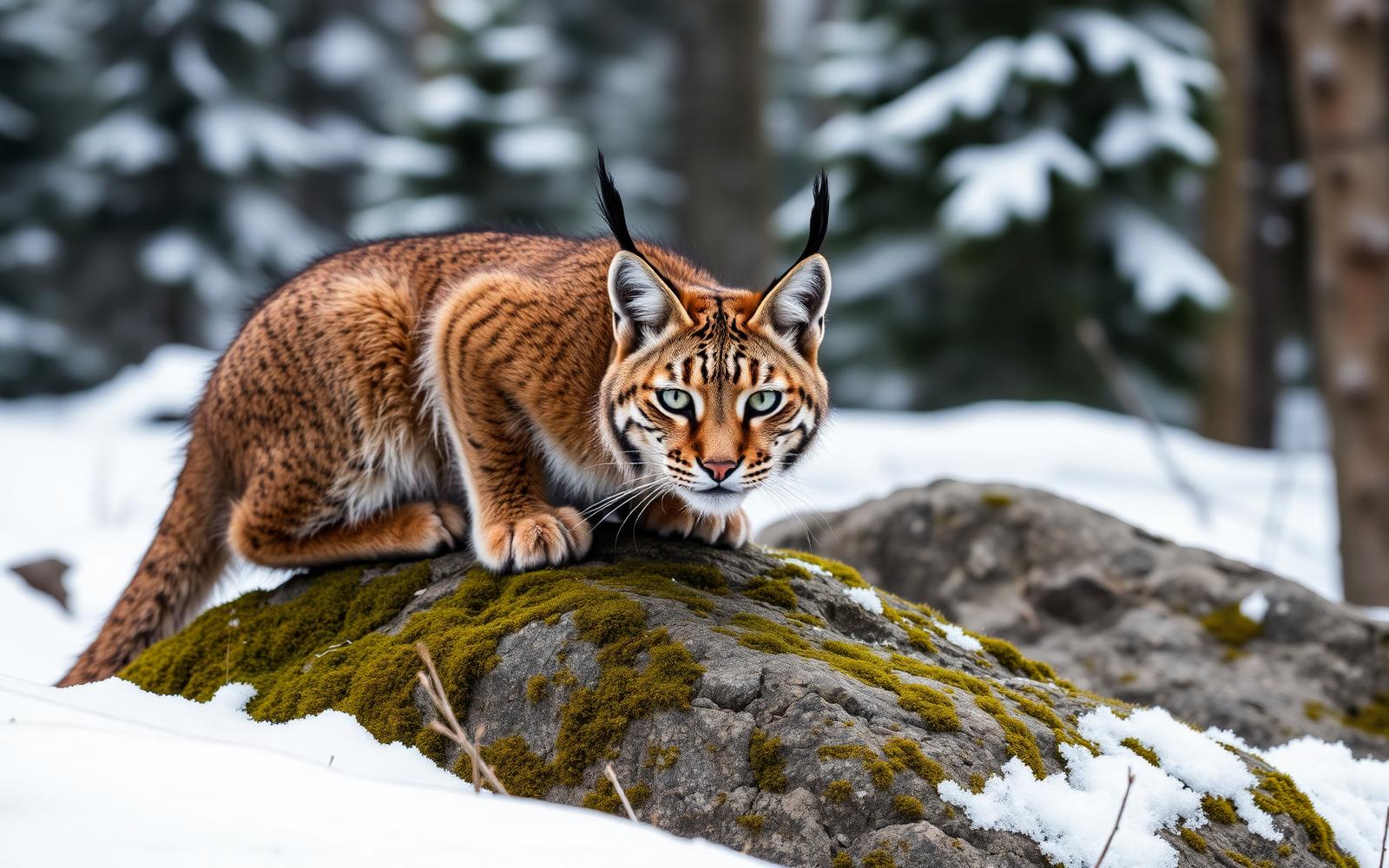
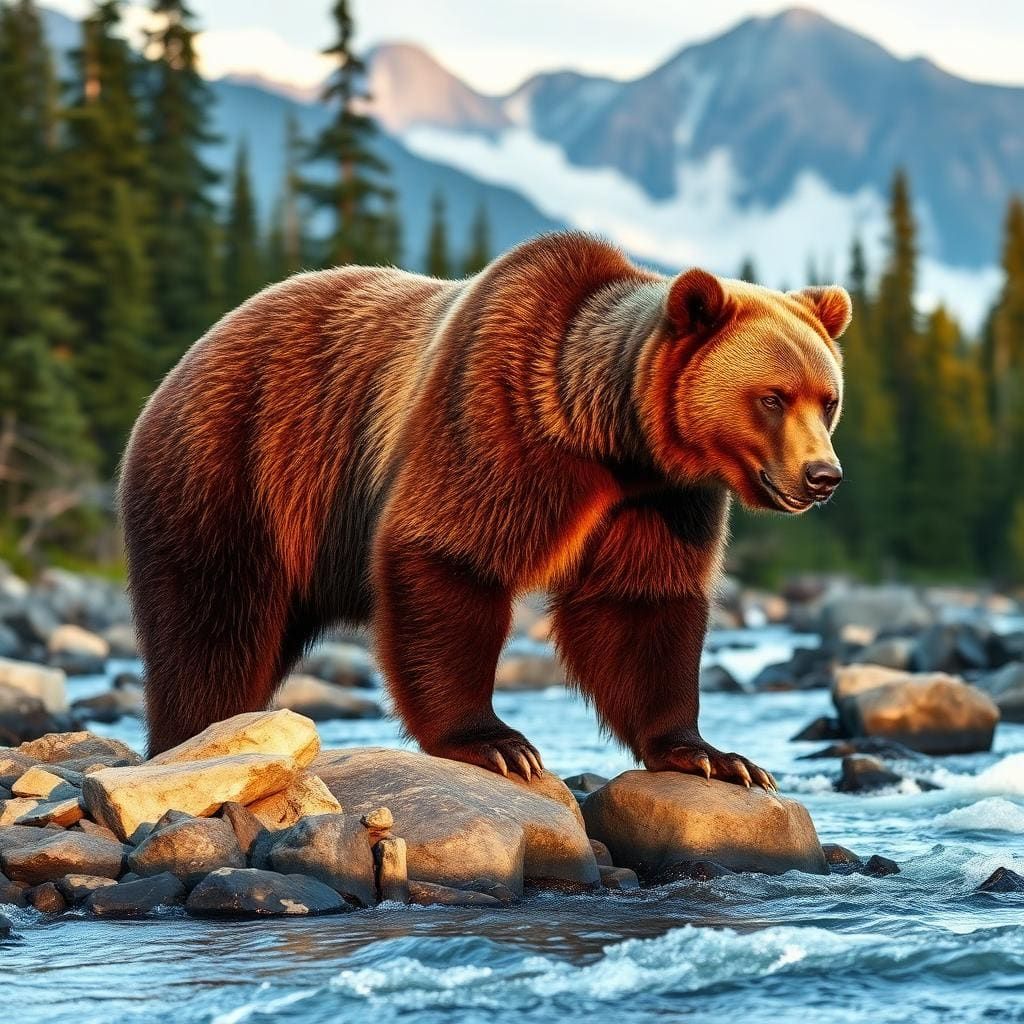
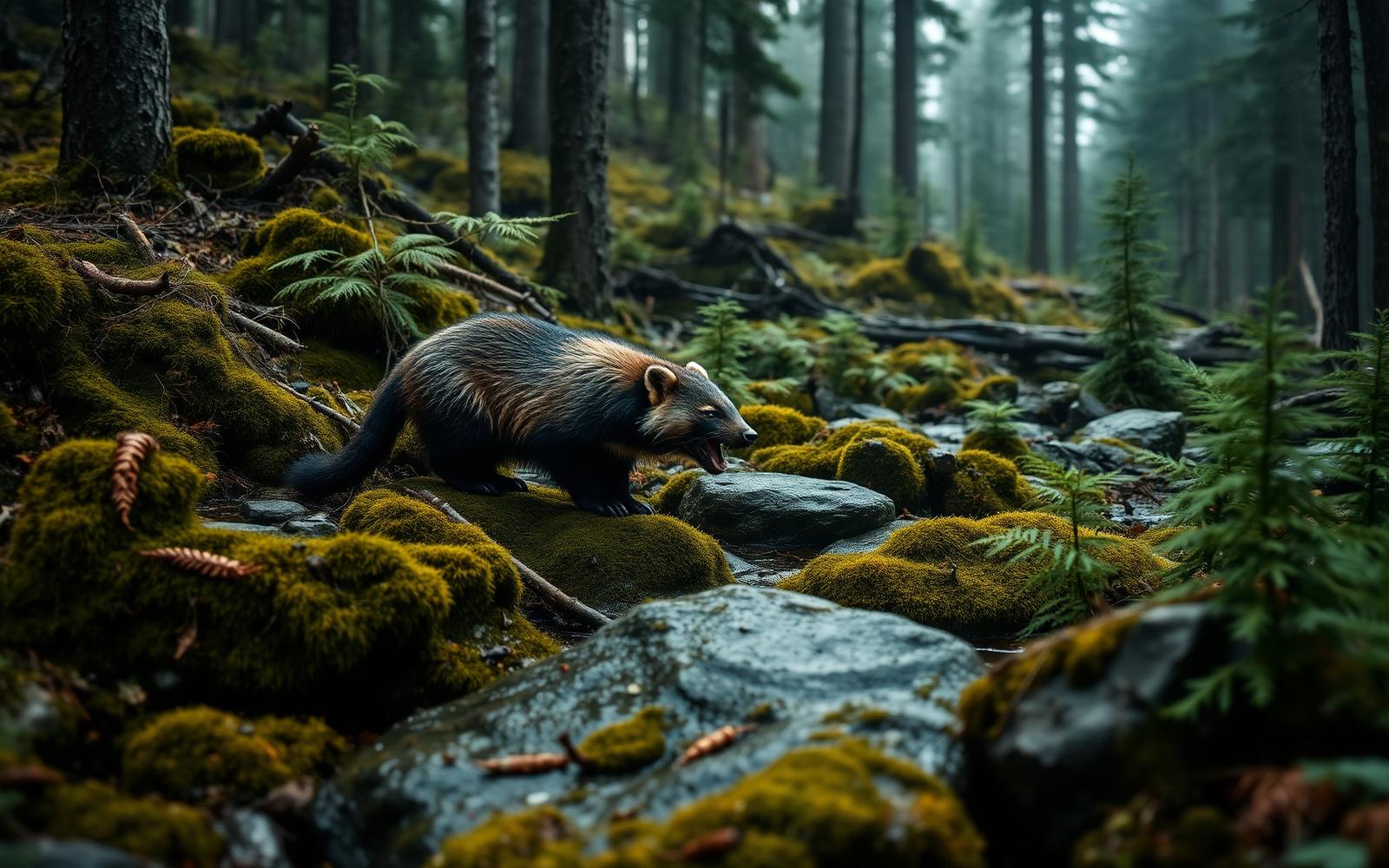
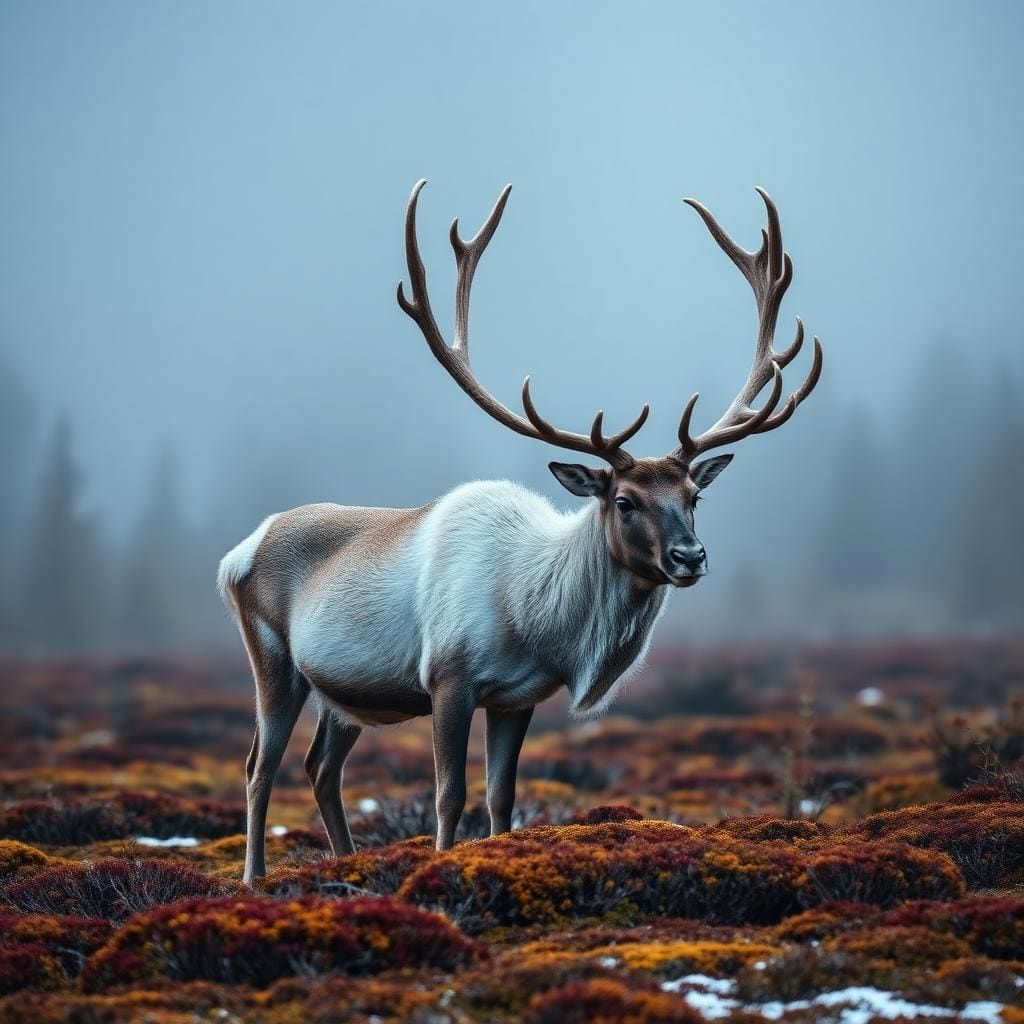
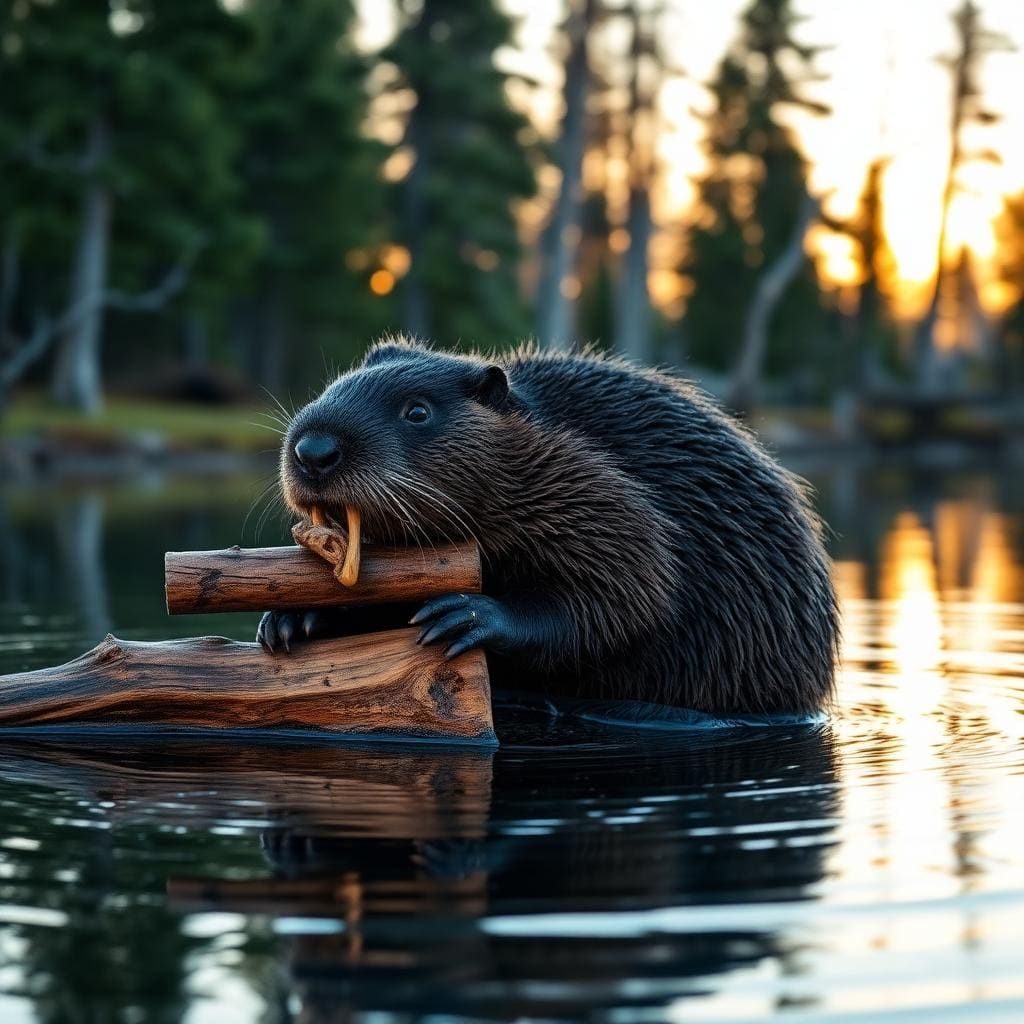
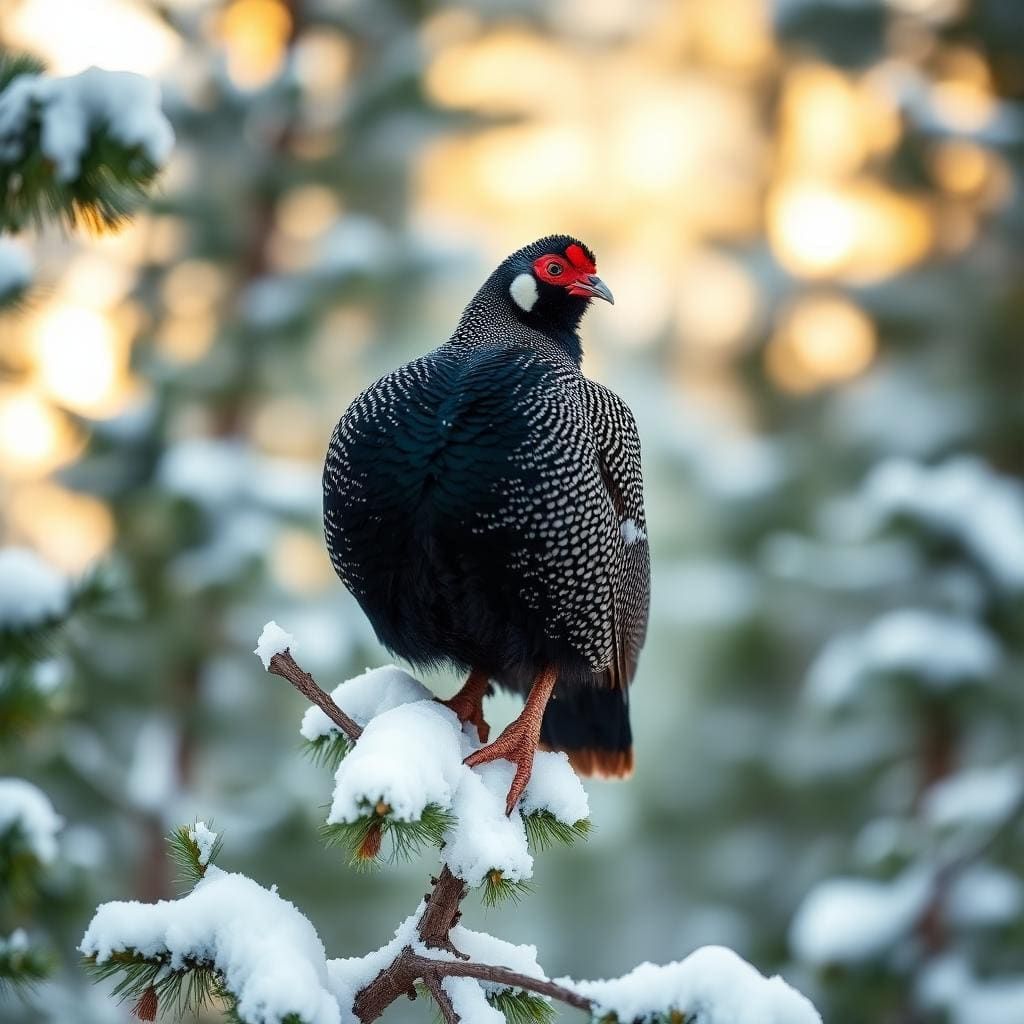
Jasper is prime habitat for a wide range of wildlife, including elk, deer, bighorn sheep, mountain goats, and predators like wolves, coyotes, and bears (though bears are typically hibernating during ice season, always be aware). Encounters are common, particularly during approaches or at the base of climbs. Proper food storage, bear spray (even in winter, for other predators), and making noise on approaches are standard precautions. Give all wildlife ample space; do not approach or feed animals. It's part of the wilderness experience here, but requires respect and awareness to avoid dangerous situations for both you and the animals.
Permits & Access
A valid Parks Canada pass is mandatory for entry into Jasper National Park, available at park gates or online. Backcountry permits are required for overnight stays outside designated campgrounds, obtainable at the park visitor center. Many of the more remote ice climbs necessitate an overnight stay. Access to trailheads is generally well-maintained, though some secondary roads may require 4x4 or high-clearance vehicles, especially after heavy snowfall. Always check road conditions before heading out, as closures due to weather or avalanche risk are common. Some climbs have specific parking or approach restrictions, so consult current park regulations and local guidebooks.
Hazards & Trade-offs
The primary hazards in Jasper include avalanche risk, extreme cold, remote travel, and potential wildlife encounters. Many climbs are in avalanche terrain, necessitating solid avalanche training and equipment (transceiver, shovel, probe). The cold can lead to frostbite quickly, so appropriate clothing and emergency gear are non-negotiable. Longer approaches mean greater exposure and slower rescue times in an emergency. Compared to more accessible areas, crowds are generally thinner, but this means you're more self-reliant. The longer drives from major cities like Calgary or Edmonton also require more travel time. The reward for these trade-offs is often profound solitude and a genuine wilderness experience.
How we picked
We built this ranking from trip reports, agency data, permit records, and our editors' own time on the ground. 10 places made the final cut out of a much longer working list, and each one had to clear the same set of criteria before it earned a spot.
- Quality of the terrain
- Landscape, route variety, and whether the place rewards multiple days rather than one overlook.
- Season and weather windows
- How long the reliable window is, and how badly the shoulder seasons punish a bad forecast.
- Access and permits
- Trailhead logistics, permit odds, quotas, and how much lead time a trip realistically takes.
- Solitude vs. crowding
- How far you have to walk before the place feels like wilderness instead of a queue.
- Wildlife and ecology
- What you can reasonably expect to see, and what you have to plan around.
- Risk and skill required
- Navigation, water crossings, exposure, and rescue distance — stated plainly.
Jasper National Park — frequently asked questions
- Is Jasper National Park worth the trip?
- We rank it #4 in Canadian Rockies Ice Climbing. While often lumped in with the Icefields Parkway, Jasper National Park offers its own distinct flavor of ice climbing, particularly further north. The climbs here tend to be more remote and often require more commitment than their southern counterparts, offering a true sense of adventure.
- Who is Jasper National Park best for?
- Best for multi-day ice expeditions, advanced technical climbing, solitude-seeking adventures and backcountry skill building. Standouts: genuine wilderness experience and fewer crowds on many routes.
- What are the drawbacks of Jasper National Park?
- Colder temperatures than southern Rockies, Longer, more challenging approaches and Higher commitment due to remote nature.
- What are the key details for Jasper National Park?
- Location: Alberta, Canada (Canadian Rockies) · Primary Access: Jasper Townsite · Season: Late November - March (April high elevations) · Permit: Parks Canada Pass Required · Typical Temps: Often Colder than Southern Rockies
- Terrain & Geography — what should I know about the Jasper National Park?
- Jasper National Park encompasses a vast array of mountain terrain, from deep river valleys to towering peaks. The ice climbs are spread across this varied landscape, with concentrations around the Maligne Canyon, the Athabasca River corridor, and further north towards Hinton, as well as along the Jasper section of…
- Best Season & Weather — what should I know about the Jasper National Park?
- The prime ice climbing season typically kicks off in late November, once consistent cold spells have had time to build thick, stable ice, and often extends well into March. Early season offers fragile, thinner ice on some routes but can also provide less snow cover for approaches.
Where on earth
Satellite imagery flying in from a world view to Jasper National Park, Alberta, Canada. Use the + / − buttons, or click the map to zoom with your scroll wheel; drag to pan and pinch to zoom on touch.
Jasper National Park, Jasper, AB T0E 1E0, Canada · 52.873, -117.954
Wildlife found around Jasper National Park


Compare side by side
Put the Jasper National Park against any other pick on this list — specs, price, pros, cons and reader ratings.