



Reader rating
Rate it and you move it. Community ratings re-rank this product inside its Top 10 list.
Expert-picked, reader-ranked. Our editors choose the products and the launch order; member star ratings move picks up or down over time.
Yoho National Park, nestled just west of Lake Louise in British Columbia, is home to some truly classic ice and mixed climbs, often with a slightly different character than those in Banff. It offers a combination of roadside attractions and more serious, committing routes deeper within its valleys. The stunning landscape, featuring towering peaks and the famous Takakkaw Falls (which forms a spectacular ice climb in winter), makes it a highly desirable destination. While less extensive than the Parkway, its quality and distinct routes make it a must-visit for serious ice climbers. Field, BC, is the closest hamlet, offering very basic services. Lake Louise, Alberta, is the nearest full-service town. The prime climbing season runs from late November to late March. Yoho features climbs ranging from WI3 to WI6, with significant mixed climbing potential. A Parks Canada pass is required. Trade-offs include potentially heavier snow loads on the BC side of the divide, which can impact approaches and avalanche hazard. Some routes can be popular, but overall, it often feels less crowded than the most accessible Banff routes.
Pros
- Distinct climbing character compared to Banff
- Iconic, world-class routes like Takakkaw Falls
- Often less crowded than popular Banff spots
- Stunning, raw wilderness environment
- Variety of grades from moderate to expert
Cons
- Heavier snow loads increase avalanche hazard and approach difficulty
- Roadside access for many routes requires winter closures
- Limited local services in Field, BC
- Weather can be highly volatile and severe
Best uses
- Serious ice climbing expeditions
- Advanced mixed climbing
- Seeking less crowded objectives
- Photography of dramatic ice formations
Specifications
- Location
- British Columbia, Canada
- Closest Town
- Field, BC (basic services)
- Season
- Late Nov - Late Mar
- Grade Range
- WI3 - WI6, significant mixed
- Key Feature
- Takakkaw Falls Ice Climb
- Access
- Parks Canada Pass required
Best for
Serious ice climbing expeditions, Advanced mixed climbing, Seeking less crowded objectives, Photography of dramatic ice formations
Yoho National Park, positioned immediately west of Lake Louise in British Columbia, offers an ice climbing experience distinct from its Alberta counterparts. This destination is renowned for a mix of roadside crags and more demanding, committing lines found deeper within its valleys. The park's dramatic landscape, characterized by imposing peaks and the iconic Takakkaw Falls—which transforms into a world-class ice climb during winter—lends a profound sense of wilderness to the climbing. While its sheer volume of routes might not rival the entirety of the Icefields Parkway, the quality and unique character of Yoho's offerings cement its status as a premier locale for serious ice climbers. The park's accessibility varies; some routes are easily approached, while others demand significant effort, often involving heavier snow loads on the BC side of the divide. This necessitates careful planning regarding avalanche conditions and approach logistics. Despite its growing popularity, Yoho often provides a more secluded feel compared to the most frequented routes in Banff. Field, BC, serves as the closest point for basic amenities, with Lake Louise, Alberta, providing more comprehensive services.
Geography & Terrain
Yoho National Park sits on the western slopes of the Continental Divide, meaning it often experiences different weather patterns and snow accumulation than areas further east. The terrain is characterized by steep, glacially carved valleys, towering peaks, and a dense forest canopy at lower elevations. This environment contributes to a unique aesthetic for ice climbing, often featuring routes that plunge down the faces of high walls or wind through narrow, shaded canyons. The heavier snow loads typical on the BC side influence both approach conditions and avalanche hazards, which climbers must consistently assess.
Best Season & Weather
The prime ice climbing season in Yoho spans from late November through late March. Early season conditions can be fickle, with ice forming progressively. By mid-winter, routes are generally well-established. Late season, particularly March, often brings longer daylight hours and more stable temperatures, though freeze-thaw cycles can degrade ice quality or increase objective hazards. Weather in Yoho can be highly dynamic, with significant snowfall and temperature swings. Consistent monitoring of local forecasts and avalanche bulletins is non-negotiable for safe planning and execution of climbs.
Key Routes & Attractions
Yoho boasts a selection of classic ice and mixed climbs. The iconic Takakkaw Falls, a massive WI5-6, is the undisputed crown jewel, offering multiple pitches of sustained climbing. Other notable routes include Carlsberg Column (WI5), Twisted (WI4-5), and Nemesis (WI6), each presenting unique challenges and breathtaking backdrops. Beyond the ice, the park's natural beauty, including the Emerald Lake and Lake O'Hara areas (though less accessible in winter), adds to the overall experience. The variety ensures options for different skill levels, from moderate to highly advanced.
Permits & Access
Access to Yoho National Park requires a valid Parks Canada pass, which can be purchased at park gates or online. For overnight stays, wilderness permits are necessary. Road access to key climbing areas like Takakkaw Falls is typically closed in winter, necessitating ski or snowshoe approaches for many routes. The Trans-Canada Highway runs directly through the park, providing good access to some roadside climbs, but winter driving conditions can be severe. Always check Parks Canada advisories for road closures, avalanche warnings, and trail conditions before heading out.
Wildlife & Hazards
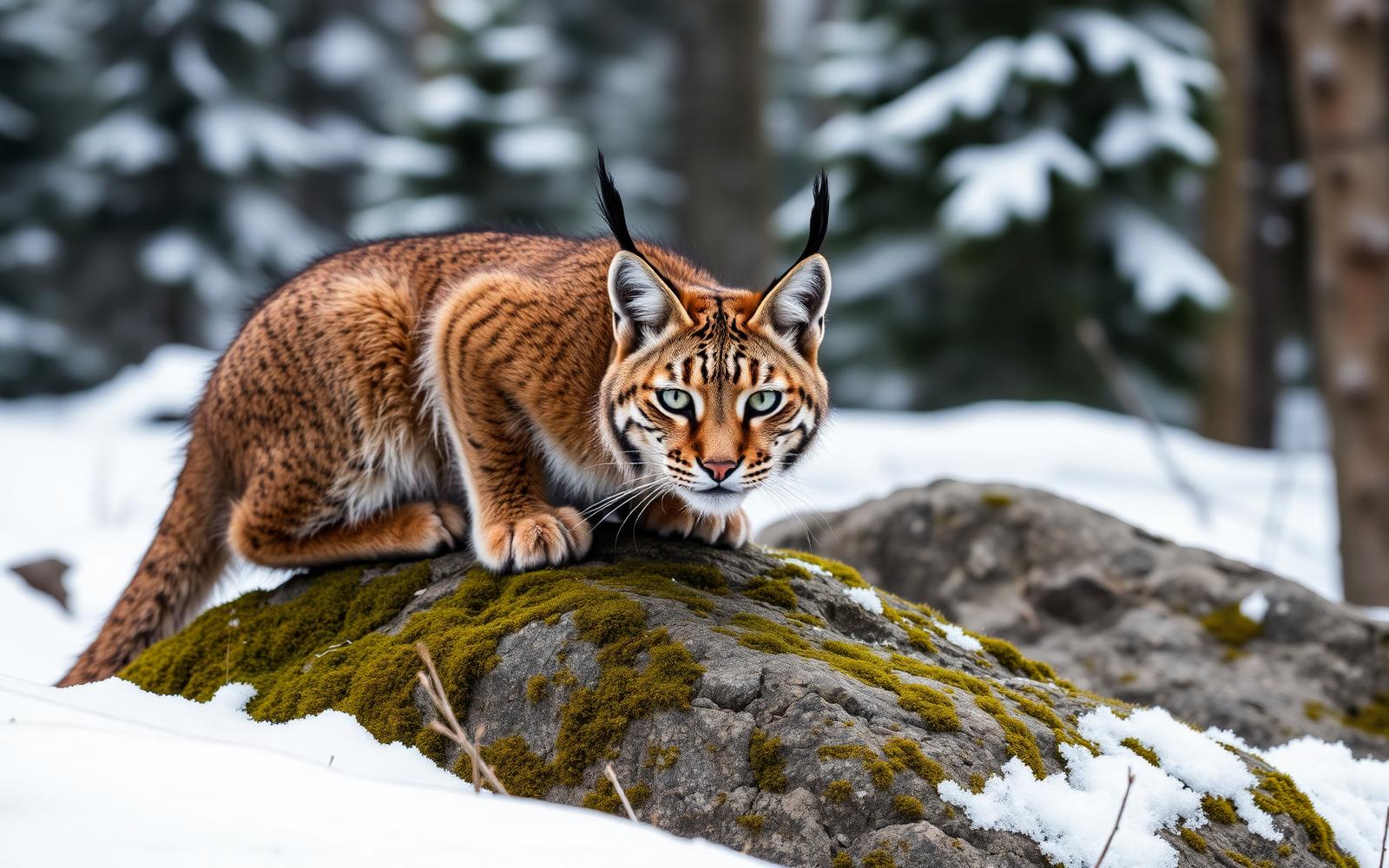
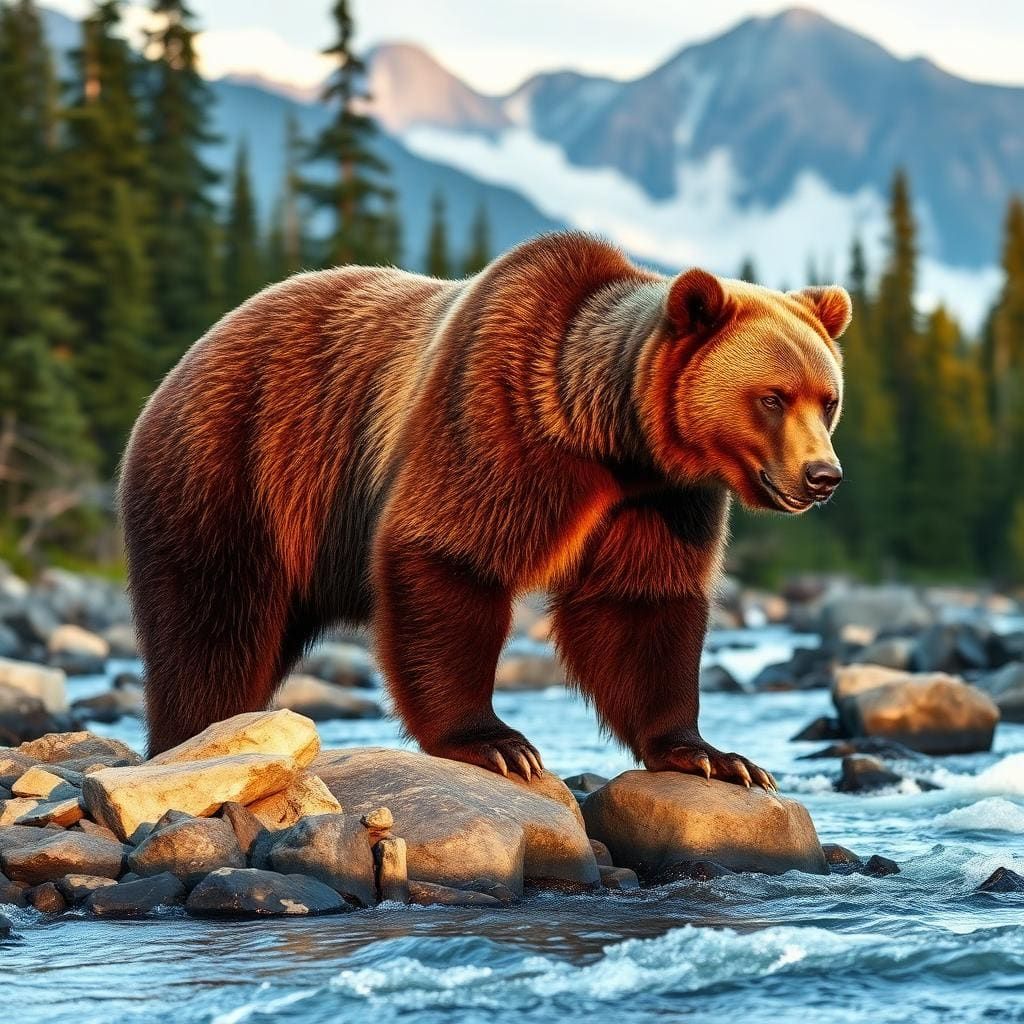
Yoho is home to significant wildlife, including grizzly and black bears, wolves, and mountain goats. While bears are typically denning during prime ice season, encounters are possible, and proper food storage protocols are always recommended. The primary hazards for ice climbers are objective: avalanche risk (often elevated due to BC's snowpack), rockfall, icefall, and rapidly changing weather. Hypothermia and frostbite are serious concerns given the extreme cold. Climbers must be self-reliant, proficient in self-rescue techniques, and equipped for remote wilderness travel.
How we picked
We built this ranking from trip reports, agency data, permit records, and our editors' own time on the ground. 10 places made the final cut out of a much longer working list, and each one had to clear the same set of criteria before it earned a spot.
- Quality of the terrain
- Landscape, route variety, and whether the place rewards multiple days rather than one overlook.
- Season and weather windows
- How long the reliable window is, and how badly the shoulder seasons punish a bad forecast.
- Access and permits
- Trailhead logistics, permit odds, quotas, and how much lead time a trip realistically takes.
- Solitude vs. crowding
- How far you have to walk before the place feels like wilderness instead of a queue.
- Wildlife and ecology
- What you can reasonably expect to see, and what you have to plan around.
- Risk and skill required
- Navigation, water crossings, exposure, and rescue distance — stated plainly.
Yoho National Park — frequently asked questions
- Is Yoho National Park worth the trip?
- We rank it #5 in Canadian Rockies Ice Climbing. Yoho National Park, nestled just west of Lake Louise in British Columbia, is home to some truly classic ice and mixed climbs, often with a slightly different character than those in Banff. It offers a combination of roadside attractions and more serious, committing routes deeper within its valleys.
- Who is Yoho National Park best for?
- Best for serious ice climbing expeditions, advanced mixed climbing, seeking less crowded objectives and photography of dramatic ice formations. Standouts: distinct climbing character compared to banff and iconic, world-class routes like takakkaw falls.
- What are the drawbacks of Yoho National Park?
- Heavier snow loads increase avalanche hazard and approach difficulty, Roadside access for many routes requires winter closures and Limited local services in Field, BC.
- What are the key details for Yoho National Park?
- Location: British Columbia, Canada · Closest Town: Field, BC (basic services) · Season: Late Nov - Late Mar · Grade Range: WI3 - WI6, significant mixed · Key Feature: Takakkaw Falls Ice Climb
- Geography & Terrain — what should I know about the Yoho National Park?
- Yoho National Park sits on the western slopes of the Continental Divide, meaning it often experiences different weather patterns and snow accumulation than areas further east. The terrain is characterized by steep, glacially carved valleys, towering peaks, and a dense forest canopy at lower elevations.
- Best Season & Weather — what should I know about the Yoho National Park?
- The prime ice climbing season in Yoho spans from late November through late March. Early season conditions can be fickle, with ice forming progressively.
Where on earth
Satellite imagery flying in from a world view to Yoho National Park, British Columbia, Canada. Use the + / − buttons, or click the map to zoom with your scroll wheel; drag to pan and pinch to zoom on touch.
Yoho National Park Of Canada, Field, BC V0A 1G0, Canada · 51.415, -116.532
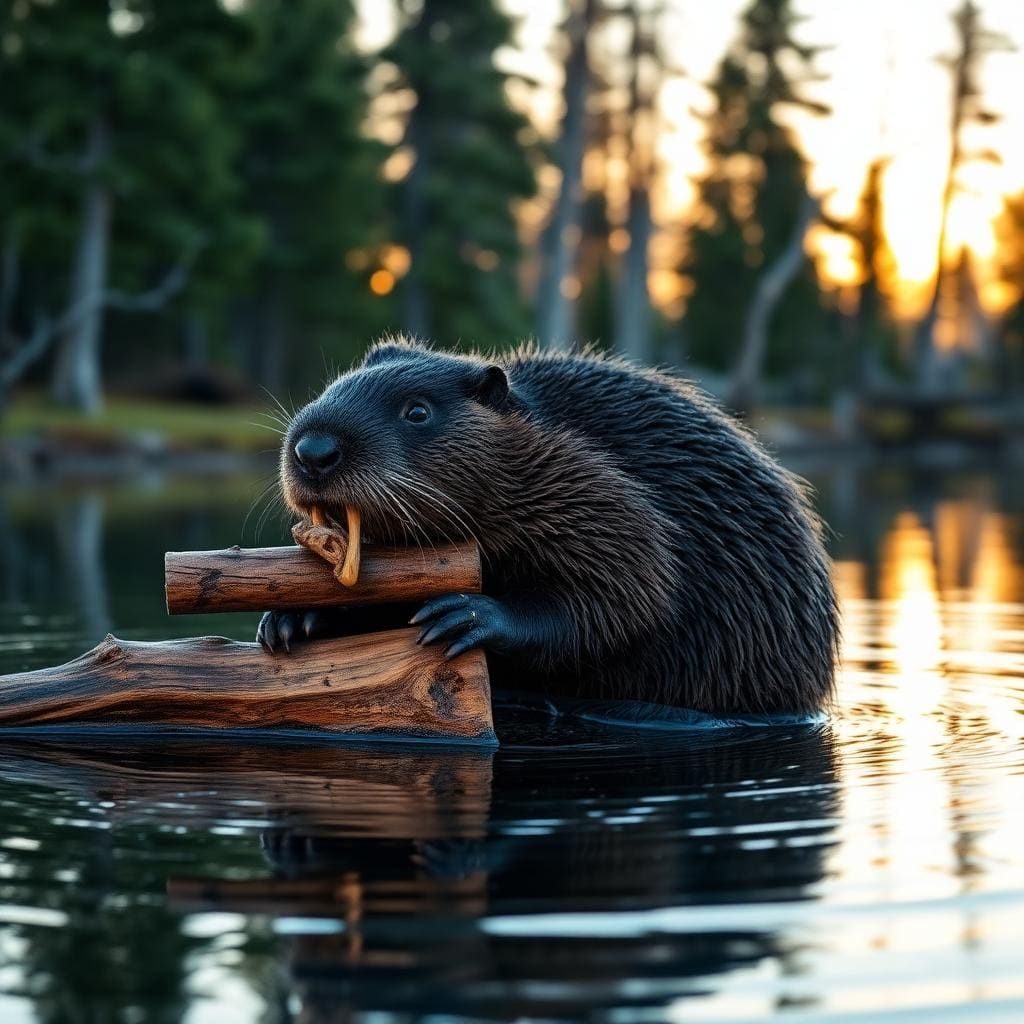
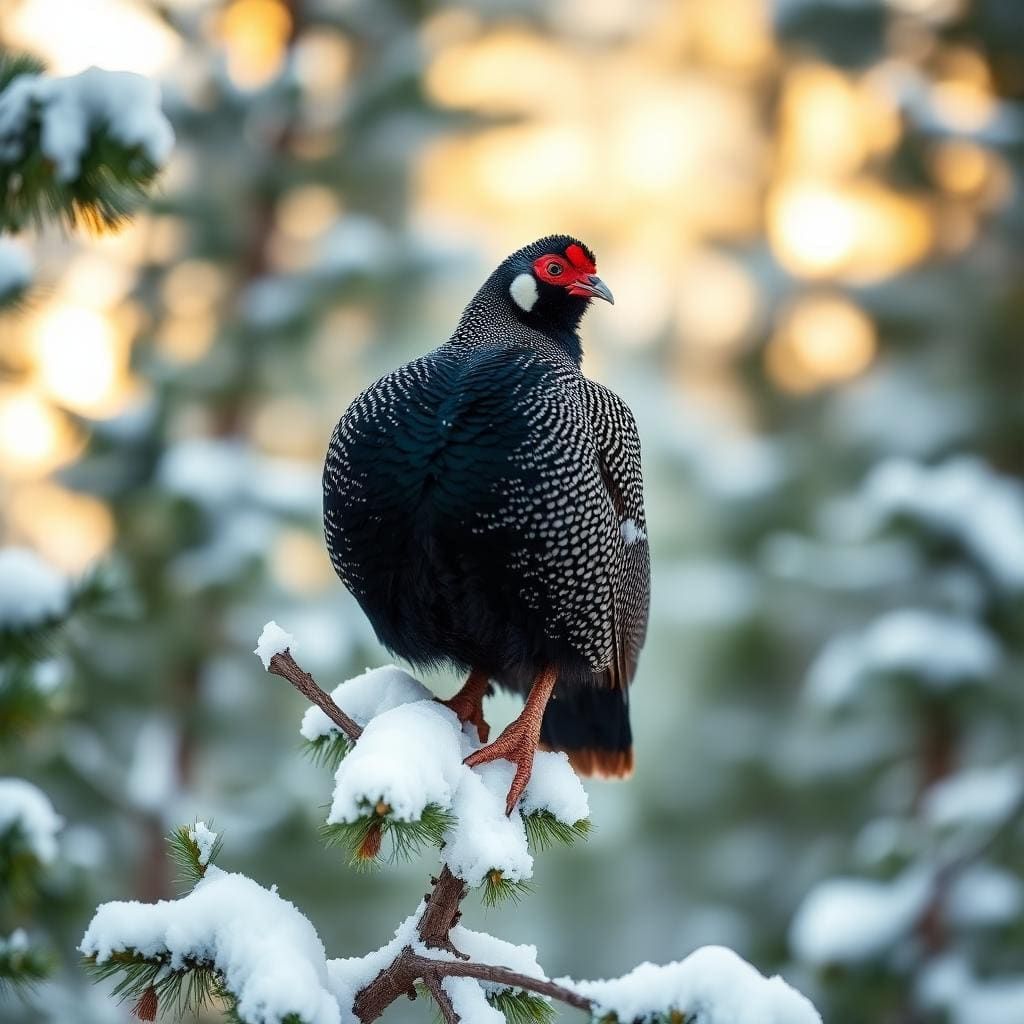
Wildlife found around Yoho National Park


Compare side by side
Put the Yoho National Park against any other pick on this list — specs, price, pros, cons and reader ratings.