



Reader rating
Rate it and you move it. Community ratings re-rank this product inside its Top 10 list.
Expert-picked, reader-ranked. Our editors choose the products and the launch order; member star ratings move picks up or down over time.
Waterton Lakes National Park, located in the southern Alberta Rockies, offers a unique and often overlooked ice climbing experience. It's a bit of a drive from the more common climbing hubs, which means fewer crowds and a greater sense of remote adventure. The climbs here are often characterized by their exposure to strong winds—known as 'Chinooks'—which can quickly affect ice conditions. However, when conditions align, Waterton delivers spectacular, often multi-pitch routes in a stunning, wild setting. This area shares a border with Glacier National Park in Montana, giving it a distinctive geological feel. The town of Waterton Park is small and can be very quiet in winter, with limited services; plan to be self-sufficient or base out of Cardston/Pincher Creek. The climbing season is typically late November to early March. Routes here range from WI3 to WI5+, often requiring good route-finding and a high tolerance for exposure to the elements. A Parks Canada pass is required. The main trade-offs are the strong winds, which can make for brutal climbing, and the significant drive from major centers. This area is best for experienced climbers comfortable with changing conditions and a degree of self-reliance.
Pros
- Significantly fewer crowds compared to other Canadian Rockies destinations
- Stunning, raw wilderness environment with distinctive geology
- Offers remote, challenging multi-pitch ice experiences
- Ideal for experienced climbers seeking solitude and adventure
Cons
- Highly unpredictable conditions due to strong Chinook winds
- Limited winter services; requires self-sufficiency or basing elsewhere
- Significant drive from major climbing centers like Canmore
- Routes often demand good route-finding and tolerance for exposure
Best uses
- Experienced ice climbers
- Wilderness multi-pitch ascents
- Seeking solitude and remoteness
- Winter photography trips
Specifications
- Location
- Southern Alberta Rockies, Canada
- Primary Activity
- Ice Climbing
- Climbing Season
- Late Nov - Early Mar
- Typical Grades
- WI3 to WI5+
- Nearest Town
- Waterton Park (limited winter services)
- Elevation Range
- 1,290m to 2,910m (park average)
Best for
Experienced ice climbers, Wilderness multi-pitch ascents, Seeking solitude and remoteness, Winter photography trips
Waterton Lakes National Park, tucked away in Alberta's southern Rockies, presents an ice climbing experience unlike its more frequented northern counterparts. Its remoteness means fewer crowds, offering a true sense of backcountry adventure. The park shares a border with Montana's Glacier National Park, lending it a distinctive geological character. Climbs here, often multi-pitch, are set against stunning, wild landscapes. The main challenge is the unpredictable nature of winter in this region, particularly the strong, warm Chinook winds that can rapidly impact ice quality and conditions. While a drive from major climbing hubs, the reward is a uniquely quiet and rugged environment. Climbing season generally runs from late November to early March. The small town of Waterton Park is quiet in winter, so self-sufficiency is key; planning to base out of nearby Cardston or Pincher Creek might be prudent. Routes span WI3 to WI5+, demanding good route-finding skills and a high tolerance for exposure. A Parks Canada pass is mandatory for entry. This destination is best suited for seasoned ice climbers comfortable with dynamic weather and a degree of self-reliance, seeking a less traveled, deeply wild experience.
Geography & Terrain
Waterton's geography is characterized by abrupt, glacier-carved mountains rising from prairie foothills, part of the Front Ranges of the Canadian Rockies. This distinctive geological transition creates steep valleys and cirques ideal for ice formation. The park's southern latitude contributes to unique weather patterns, including frequent Chinook winds. Terrain is rugged, often exposed, with a mix of dense forest at lower elevations giving way to alpine and sub-alpine zones. This stark transition leads to varied climbing environments, from roadside flows to remote, high-alpine curtain ice. The park's position at the edge of the prairies means a broader weather system influence than areas deeper in the mountains.
Weather & Season
The prime ice climbing season typically stretches from late November through early March. Weather in Waterton is notoriously dynamic, heavily influenced by its proximity to the prairies and the presence of Chinook winds. These warm, dry winds can bring significant temperature spikes, rapidly deteriorating ice conditions. Climbers must be prepared for extreme cold, high winds, and sudden thaws, often within the same week. Consistent overnight temperatures well below freezing are essential for reliable ice formation. Checking multiple forecasts and being ready to adapt plans is not just recommended, it's mandatory here. Patience and flexibility are key virtues for winter ascents in Waterton.
Key Routes & Attractions
Waterton boasts a selection of quality ice routes, often offering a true sense of wilderness. Popular lines include the Upper and Lower Bertha Falls, which are accessible but can be sensitive to conditions. More adventurous climbers might seek out multi-pitch challenges like the classic Lineham Falls or routes in the more remote Carthew-Alderson area. Many of Waterton's best climbs require significant approaches, sometimes involving avalanche terrain. The park also offers excellent backcountry skiing and snowshoeing, which can be combined with ice climbing objectives. Don't expect guidebook-level traffic; routes can be obscure, demanding solid self-reliance and navigation skills.
Permits & Access
A valid Parks Canada pass is required for entry into Waterton Lakes National Park. These can be purchased at the park gates or online. Backcountry permits may be necessary for overnight stays, though most ice climbing objectives are day trips. Access to many climbing areas involves travel on plowed park roads, but some require winter-specific approaches on foot or skis. The main park road leading to the townsite is typically plowed, but secondary roads might not be, especially after heavy snowfall. Always check Parks Canada's current conditions reports and road statuses before heading out, as closures are common due to weather or avalanche risk.
Local Facilities
The town of Waterton Park is largely seasonal. In winter, services are extremely limited. Expect very few, if any, restaurants or accommodations to be open. It’s best to plan for complete self-sufficiency, bringing all food, fuel, and gear. For more extensive services like grocery stores, gas, and a wider range of lodging, you'll need to venture to nearby towns such as Cardston (approximately 45 minutes northeast) or Pincher Creek (about an hour north). Emergency services are present, but response times can be longer due to the park's isolation and winter conditions. Do not rely on finding open shops for last-minute supplies within the park itself.
How we picked
We built this ranking from trip reports, agency data, permit records, and our editors' own time on the ground. 10 places made the final cut out of a much longer working list, and each one had to clear the same set of criteria before it earned a spot.
- Quality of the terrain
- Landscape, route variety, and whether the place rewards multiple days rather than one overlook.
- Season and weather windows
- How long the reliable window is, and how badly the shoulder seasons punish a bad forecast.
- Access and permits
- Trailhead logistics, permit odds, quotas, and how much lead time a trip realistically takes.
- Solitude vs. crowding
- How far you have to walk before the place feels like wilderness instead of a queue.
- Wildlife and ecology
- What you can reasonably expect to see, and what you have to plan around.
- Risk and skill required
- Navigation, water crossings, exposure, and rescue distance — stated plainly.
Waterton Lakes National Park — frequently asked questions
- Is Waterton Lakes National Park worth the trip?
- We rank it #7 in Canadian Rockies Ice Climbing. Waterton Lakes National Park, located in the southern Alberta Rockies, offers a unique and often overlooked ice climbing experience. It's a bit of a drive from the more common climbing hubs, which means fewer crowds and a greater sense of remote adventure.
- Who is Waterton Lakes National Park best for?
- Best for experienced ice climbers, wilderness multi-pitch ascents, seeking solitude and remoteness and winter photography trips. Standouts: significantly fewer crowds compared to other canadian rockies destinations and stunning, raw wilderness environment with distinctive geology.
- What are the drawbacks of Waterton Lakes National Park?
- Highly unpredictable conditions due to strong Chinook winds, Limited winter services; requires self-sufficiency or basing elsewhere and Significant drive from major climbing centers like Canmore.
- What are the key details for Waterton Lakes National Park?
- Location: Southern Alberta Rockies, Canada · Primary Activity: Ice Climbing · Climbing Season: Late Nov - Early Mar · Typical Grades: WI3 to WI5+ · Nearest Town: Waterton Park (limited winter services)
- Geography & Terrain — what should I know about the Waterton Lakes National Park?
- Waterton's geography is characterized by abrupt, glacier-carved mountains rising from prairie foothills, part of the Front Ranges of the Canadian Rockies. This distinctive geological transition creates steep valleys and cirques ideal for ice formation.
- Weather & Season — what should I know about the Waterton Lakes National Park?
- The prime ice climbing season typically stretches from late November through early March. Weather in Waterton is notoriously dynamic, heavily influenced by its proximity to the prairies and the presence of Chinook winds.
Where on earth
Satellite imagery flying in from a world view to Waterton Lakes National Park, Alberta, Canada. Use the + / − buttons, or click the map to zoom with your scroll wheel; drag to pan and pinch to zoom on touch.
Waterton Lakes National Park of Canada, Waterton Park, AB T0K 2M0, Canada · 49.083, -113.917
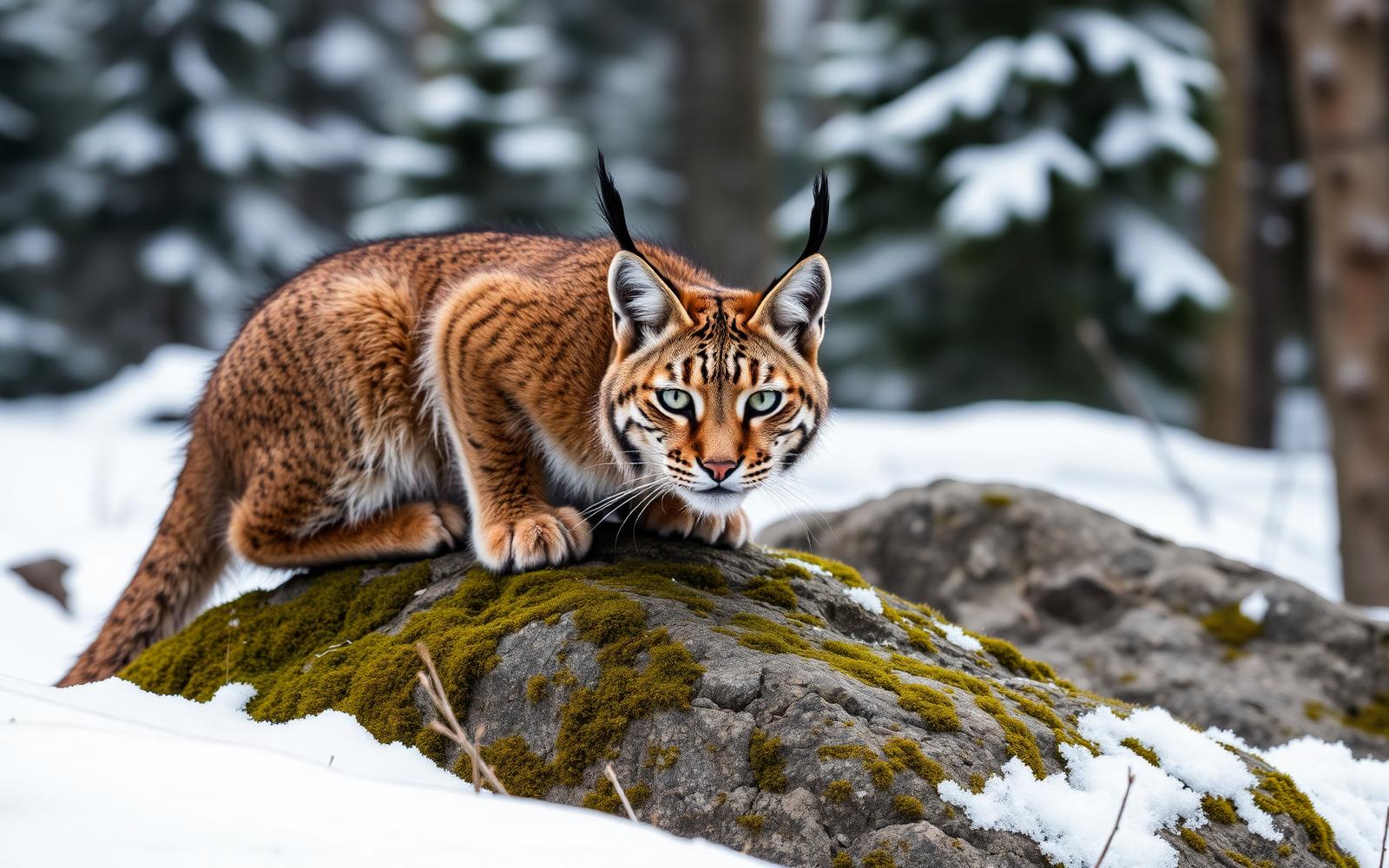
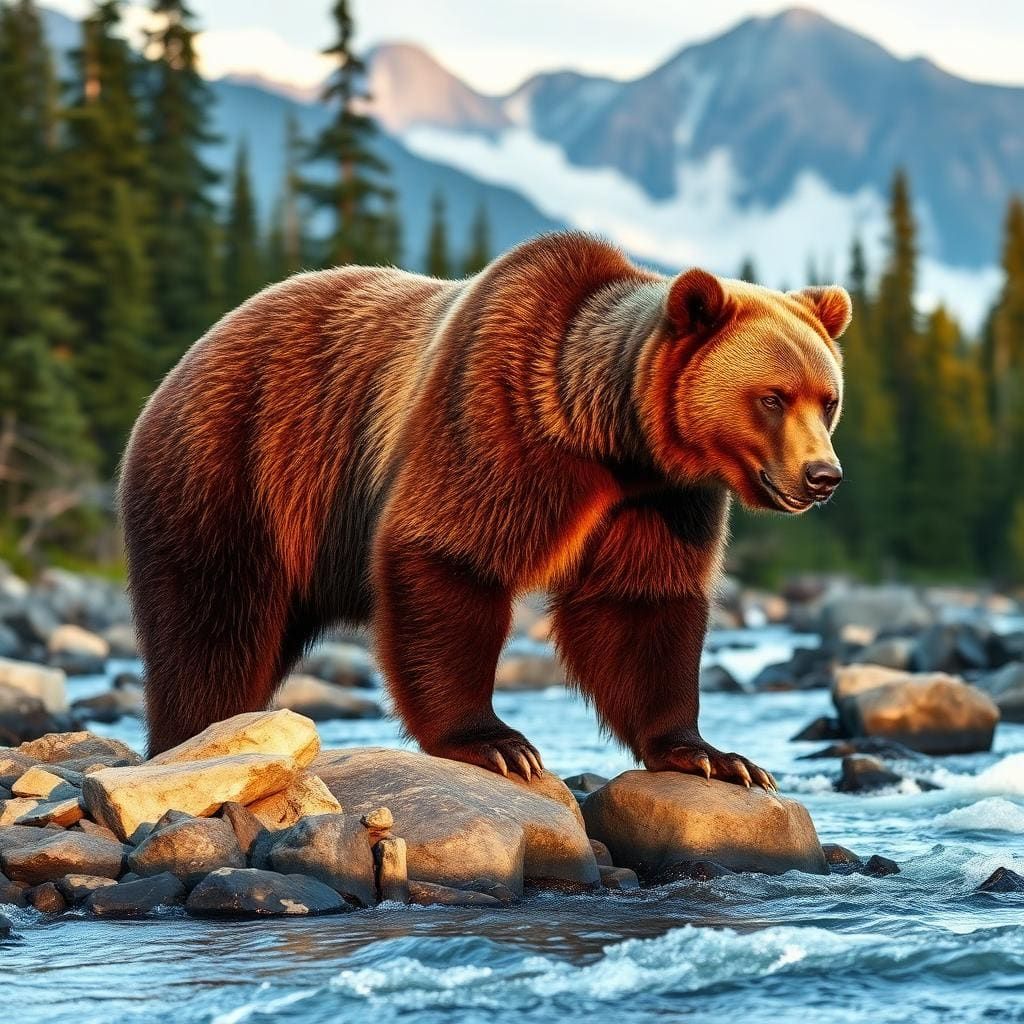
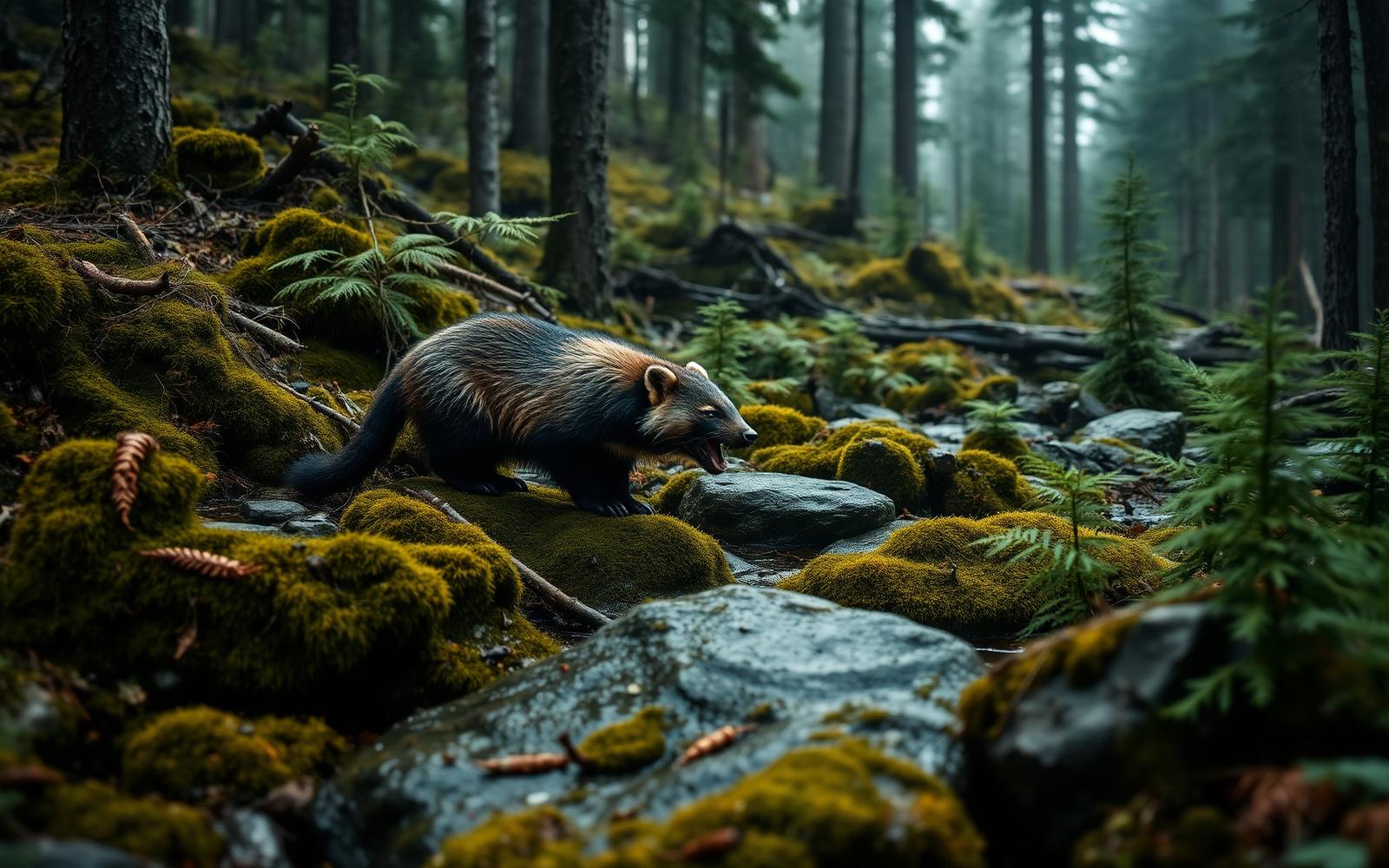
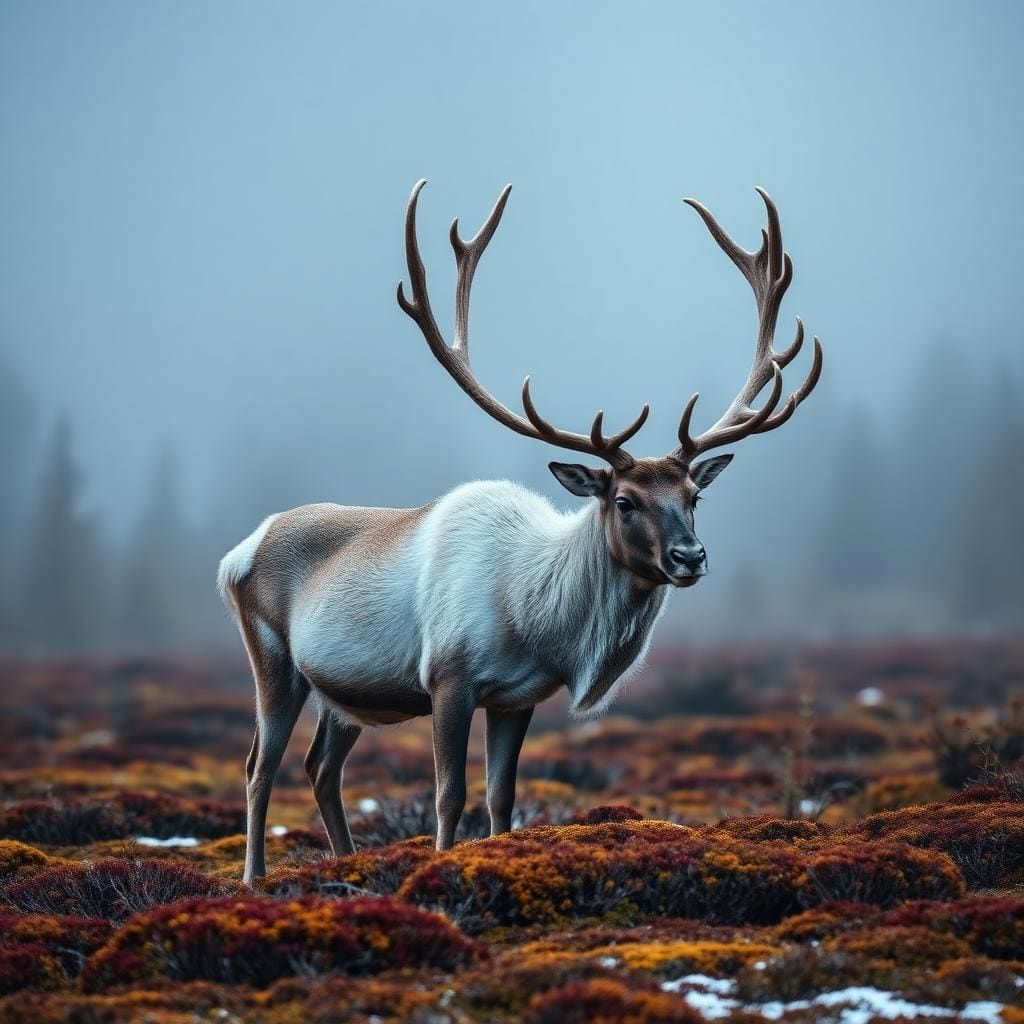
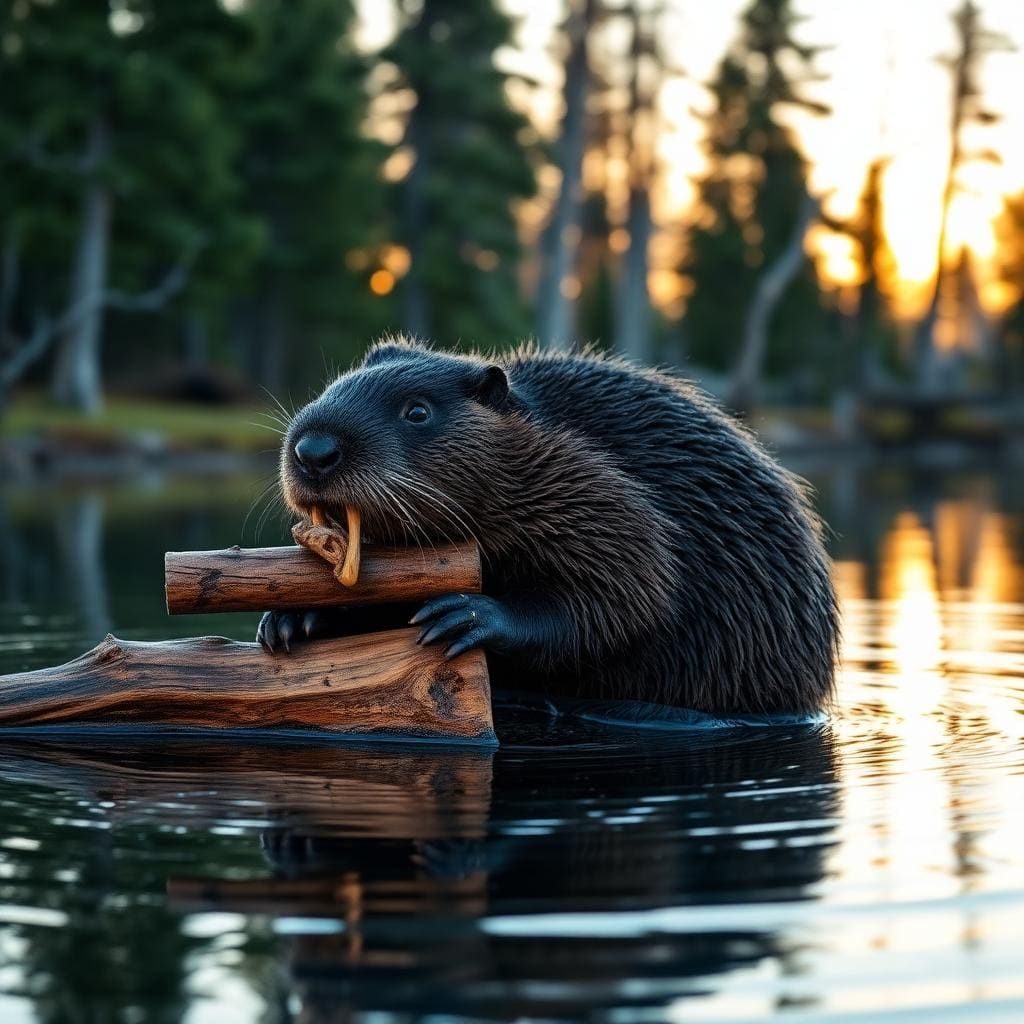
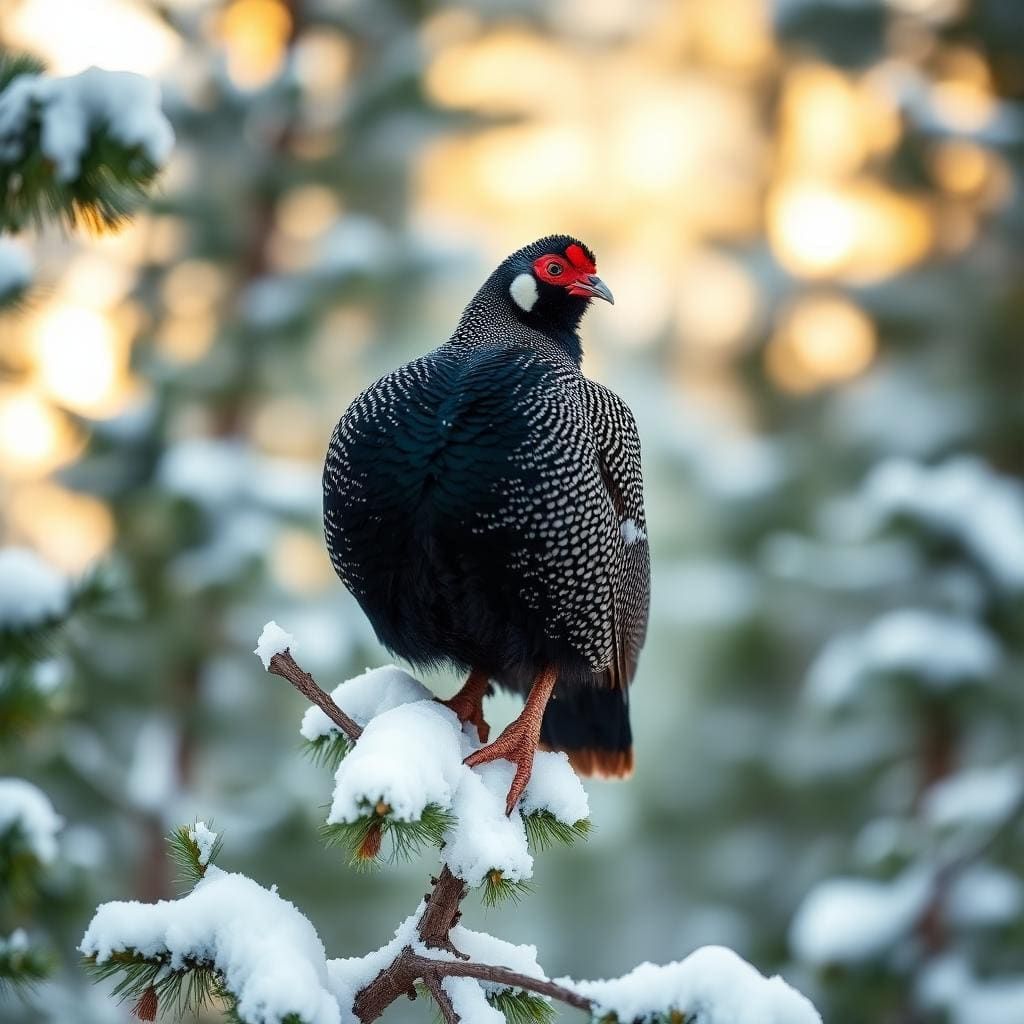
Wildlife found around Waterton Lakes National Park


Compare side by side
Put the Waterton Lakes National Park against any other pick on this list — specs, price, pros, cons and reader ratings.