



Reader rating
Rate it and you move it. Community ratings re-rank this product inside its Top 10 list.
Expert-picked, reader-ranked. Our editors choose the products and the launch order; member star ratings move picks up or down over time.
Canmore, while often serving as the base for climbs on the Parkway, also boasts a number of excellent, more local ice climbing options right on its doorstep. These routes are incredibly convenient, often requiring short drives and approaches, making them perfect for shorter days, evening sessions, or when conditions on the Parkway are unfavorable. The accessibility here is a huge draw, and you'll find a good mix of grades suitable for both beginners and intermediate climbers looking to hone their skills. The proximity to town means quick access to food, gear shops, and comfortable lodging, which is a major bonus. Canmore itself is the primary town, offering all necessary amenities. The season typically runs from November to March. You'll find everything from single-pitch top-roping walls (like the one near the Canmore Nordic Centre) to multi-pitch routes (such as those in Grotto Canyon or along Ha Ling). No specific permits are required for climbing in these local areas, though some are on provincial lands. The main trade-off is that popular, easily accessed routes can become quite crowded, especially on weekends. Ice quality can also be more variable than in higher, colder alpine regions.
Pros
- Incredibly convenient access to multiple climbing areas
- Suitable for all skill levels, from beginner to advanced
- Town offers full amenities: gear shops, food, lodging
- Excellent for short sessions, evening climbs, or bad Parkway conditions
Cons
- Popular routes can become very crowded, especially weekends
- Ice quality can be variable, affected by chinooks
- Lower elevation means less sustained cold than higher alpine zones
Best uses
- Skill development & practice
- Introductory ice climbing
- Quick day trips
- Inclement weather backup
Specifications
- Location
- Bow Valley, Alberta, Canada
- Primary Access Town
- Canmore
- Season
- November - March
- Ice Type
- Seasonal Waterfall Ice
- Elevation
- 1300m (town)
Best for
Skill development & practice, Introductory ice climbing, Quick day trips, Inclement weather backup
Nestled in the Bow Valley, the Canmore Area stands as a practical and accessible hub for ice climbers exploring the Canadian Rockies. While many use it as a staging point for trips further afield, its immediate surroundings offer a surprisingly diverse range of ice climbing opportunities. The town's proximity to numerous crags means less time driving and more time on the ice, a significant advantage for those looking to maximize their climbing days. This convenience, coupled with a solid infrastructure of gear shops, guides, and accommodation, makes Canmore a go-to for both seasoned climbers seeking a quick hit and those new to the sport looking for a structured entry point. The terrain directly around Canmore varies from easily accessible single-pitch top-roping walls perfect for skill-building to more committing multi-pitch ascents carved into the valley's limestone cliffs. The ice formations here are largely dependent on seasonal melt-freeze cycles, offering a dynamic environment that shifts with the weather. It’s a place where local knowledge pays off, as conditions can change rapidly, but the sheer volume of options means there’s often something climbable nearby, even when other areas are out of condition. The community of climbers is robust, fostering an environment where information and beta are readily shared.
Geography & Terrain
The Canmore area is characterized by its dramatic mountain backdrop, part of the Front Ranges of the Canadian Rockies. Limestone cliffs dominate, creating the necessary vertical canvas for ice formations. The climbs are primarily waterfall ice, fed by seasonal runoff and seeps, forming in canyons and on exposed rock faces. Elevations are generally lower than routes further west on the Icefields Parkway, meaning slightly milder temperatures but also a higher dependency on consistent cold snaps for good ice. The valley bottom is forested with pine and spruce, giving way to rock and ice features higher up.
Best Season & Weather
The ice climbing season typically kicks off in November and can last through March, sometimes into early April depending on the year. December and January often present the most reliable and sustained cold for ideal ice conditions. Weather can be highly variable; chinook winds are a notable factor in the Bow Valley, bringing rapid temperature increases that can degrade ice quality quickly. It's crucial to monitor local forecasts and ice condition reports, as a few warm days can turn prime climbs into unstable, wet nightmares. Early season can offer thin, delicate ice, while late season often sees fatter, but potentially sun-affected, flows.
Wildlife Encounters
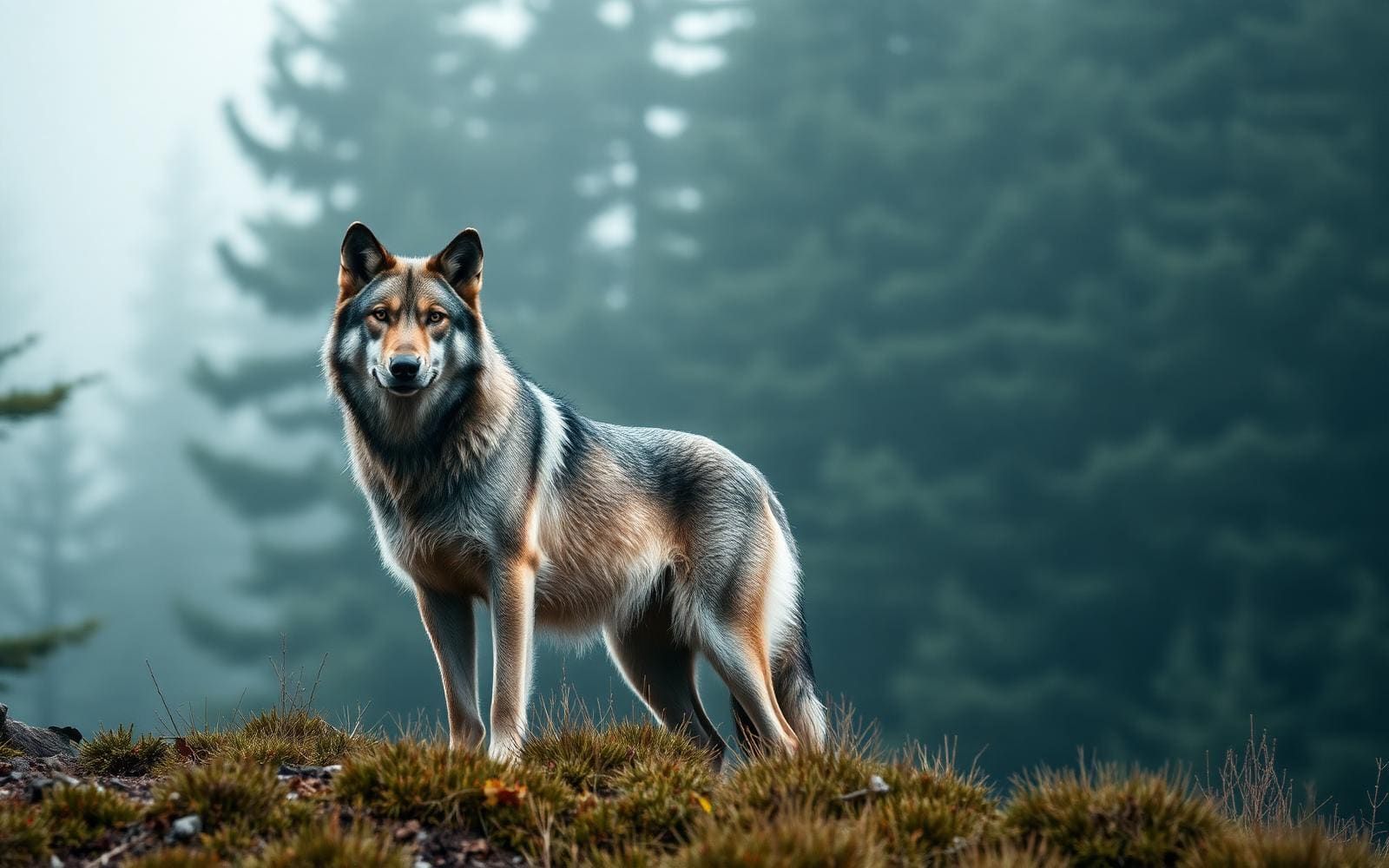
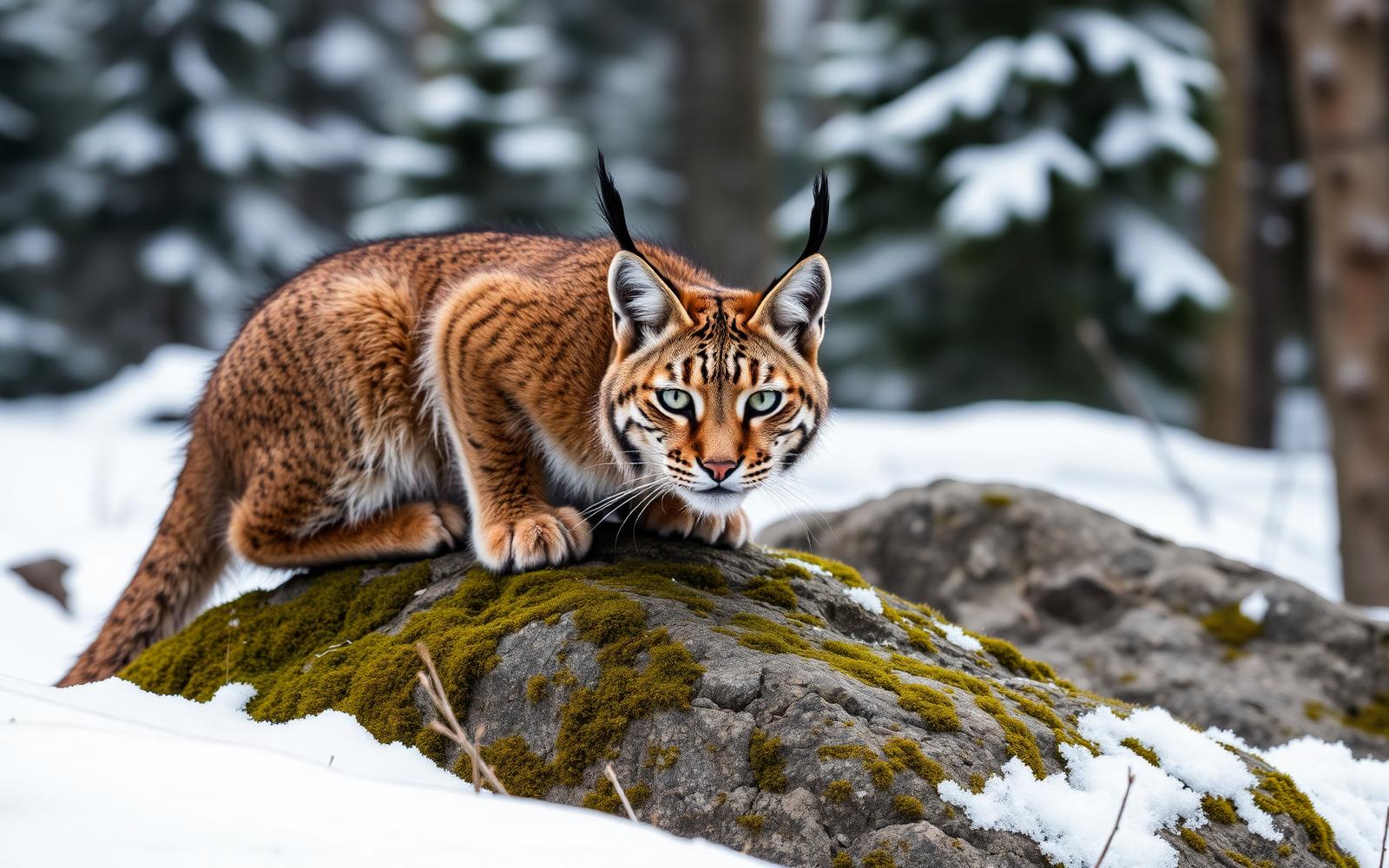
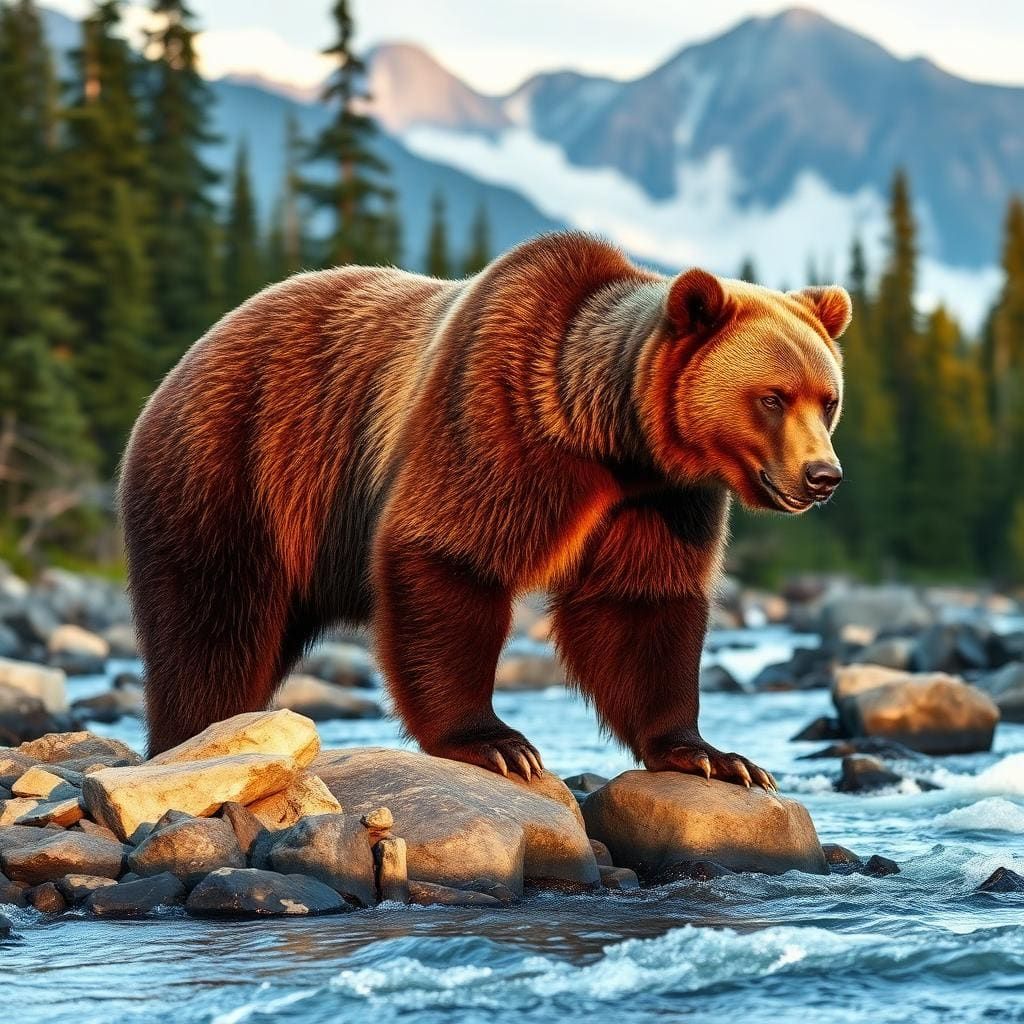
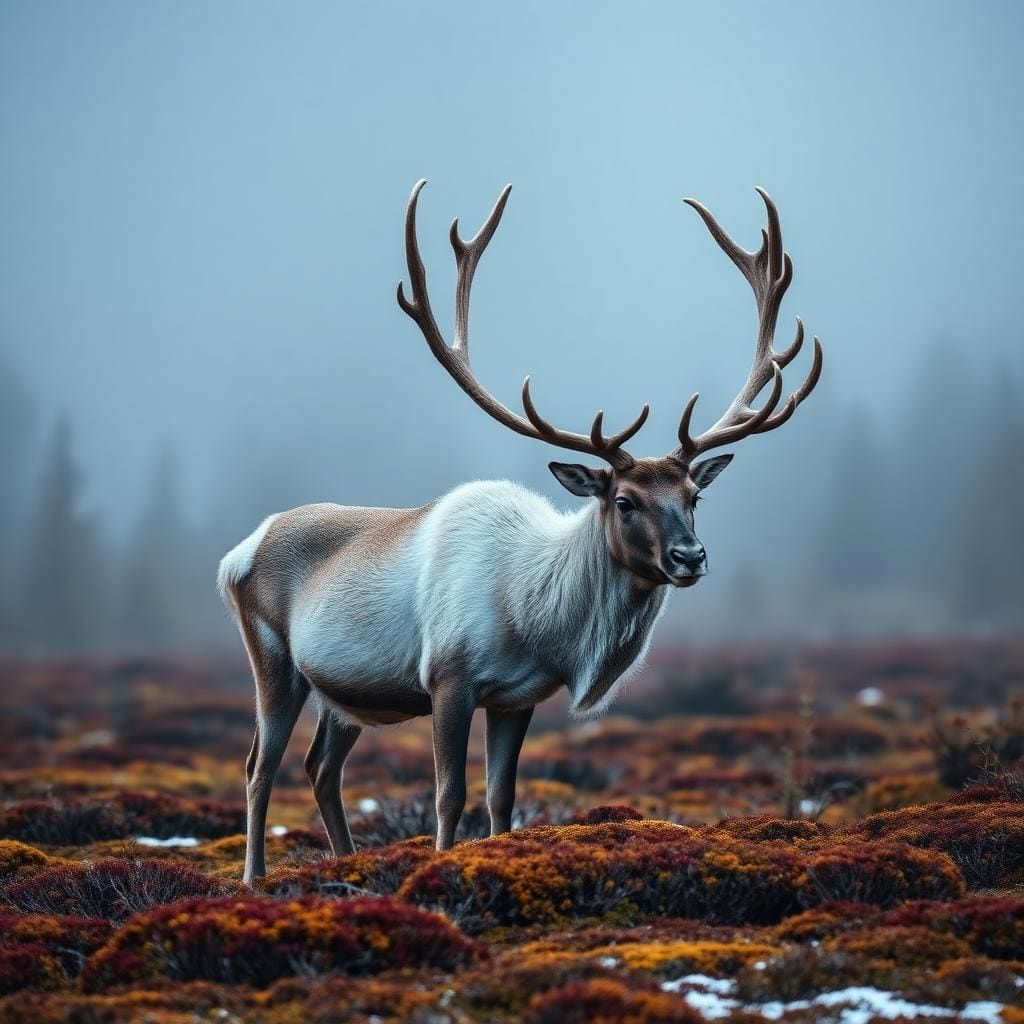
Being situated in a national park adjacent area, encounters with wildlife are a real possibility. Bighorn sheep are common, especially on sunny slopes near climbing areas. Deer are frequently spotted, and occasionally elk or moose. More significantly, the Bow Valley is prime grizzly and black bear country. While bears are typically denning during the prime ice climbing season, some may emerge early, or late-season climbers should be especially vigilant. Cougar sightings, though rare, also occur. Practice appropriate wilderness etiquette, carry bear spray, and be aware of your surroundings at all times.
Key Routes & Access
The local ice climbing scene offers a range of options. Grotto Canyon hosts several popular climbs like 'His' and 'Hers,' easily accessible via a flat canyon walk. The area near the Canmore Nordic Centre provides beginner-friendly top-roping. More advanced routes are found on Ha Ling Peak, like 'Professor Stone,' or in areas like the Ghost River Wilderness (though this requires a more involved approach and specific access considerations). Most local climbs have relatively short approaches from well-maintained trailheads, often within a 20-minute drive of Canmore itself. Navigation is generally straightforward, but local beta is invaluable for specific route conditions.
Permits & Regulations
For most ice climbing directly around Canmore, no specific climbing permits are required. Many popular areas, like Grotto Canyon, fall within provincial land. However, if your climbing takes you into Banff National Park (e.g., some approaches to Ha Ling or along the Parkway), a Parks Canada pass is mandatory for vehicle entry. Always check for any temporary access restrictions or closures, particularly concerning wildlife management or avalanche control. Respect private property where applicable, and adhere to Leave No Trace principles. Parking can be limited at popular trailheads, especially on weekends, so plan to arrive early.
How we picked
We built this ranking from trip reports, agency data, permit records, and our editors' own time on the ground. 10 places made the final cut out of a much longer working list, and each one had to clear the same set of criteria before it earned a spot.
- Quality of the terrain
- Landscape, route variety, and whether the place rewards multiple days rather than one overlook.
- Season and weather windows
- How long the reliable window is, and how badly the shoulder seasons punish a bad forecast.
- Access and permits
- Trailhead logistics, permit odds, quotas, and how much lead time a trip realistically takes.
- Solitude vs. crowding
- How far you have to walk before the place feels like wilderness instead of a queue.
- Wildlife and ecology
- What you can reasonably expect to see, and what you have to plan around.
- Risk and skill required
- Navigation, water crossings, exposure, and rescue distance — stated plainly.
Canmore Area — frequently asked questions
- Is Canmore Area worth the trip?
- We rank it #6 in Canadian Rockies Ice Climbing. Canmore, while often serving as the base for climbs on the Parkway, also boasts a number of excellent, more local ice climbing options right on its doorstep. These routes are incredibly convenient, often requiring short drives and approaches, making them perfect for shorter days, evening sessions, or when conditions…
- Who is Canmore Area best for?
- Best for skill development & practice, introductory ice climbing, quick day trips and inclement weather backup. Standouts: incredibly convenient access to multiple climbing areas and suitable for all skill levels, from beginner to advanced.
- What are the drawbacks of Canmore Area?
- Popular routes can become very crowded, especially weekends, Ice quality can be variable, affected by chinooks and Lower elevation means less sustained cold than higher alpine zones.
- What are the key details for Canmore Area?
- Location: Bow Valley, Alberta, Canada · Primary Access Town: Canmore · Season: November - March · Ice Type: Seasonal Waterfall Ice · Elevation: 1300m (town)
- Geography & Terrain — what should I know about the Canmore Area?
- The Canmore area is characterized by its dramatic mountain backdrop, part of the Front Ranges of the Canadian Rockies. Limestone cliffs dominate, creating the necessary vertical canvas for ice formations.
- Best Season & Weather — what should I know about the Canmore Area?
- The ice climbing season typically kicks off in November and can last through March, sometimes into early April depending on the year. December and January often present the most reliable and sustained cold for ideal ice conditions.
Where on earth
Satellite imagery flying in from a world view to Canmore Area, Alberta, Canada. Use the + / − buttons, or click the map to zoom with your scroll wheel; drag to pan and pinch to zoom on touch.
Canmore, AB, Canada · 51.088, -115.348
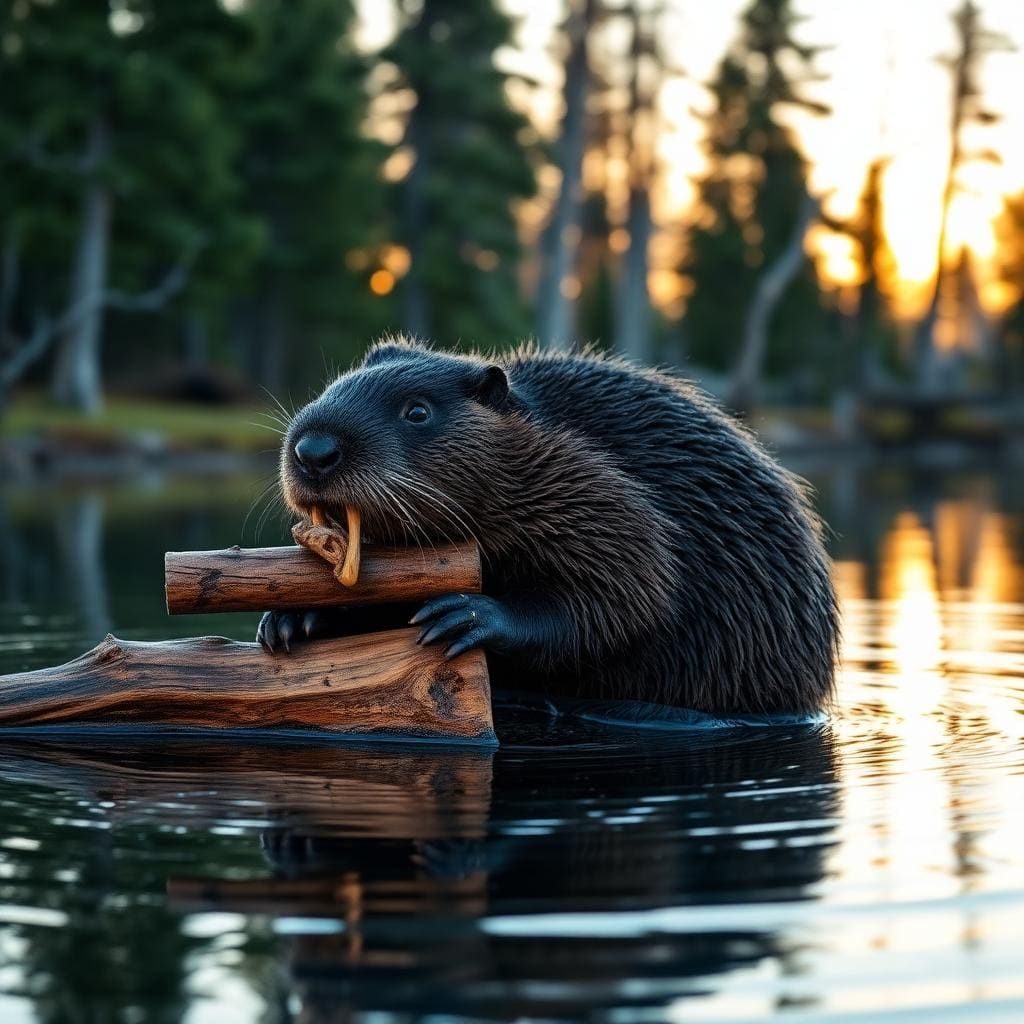
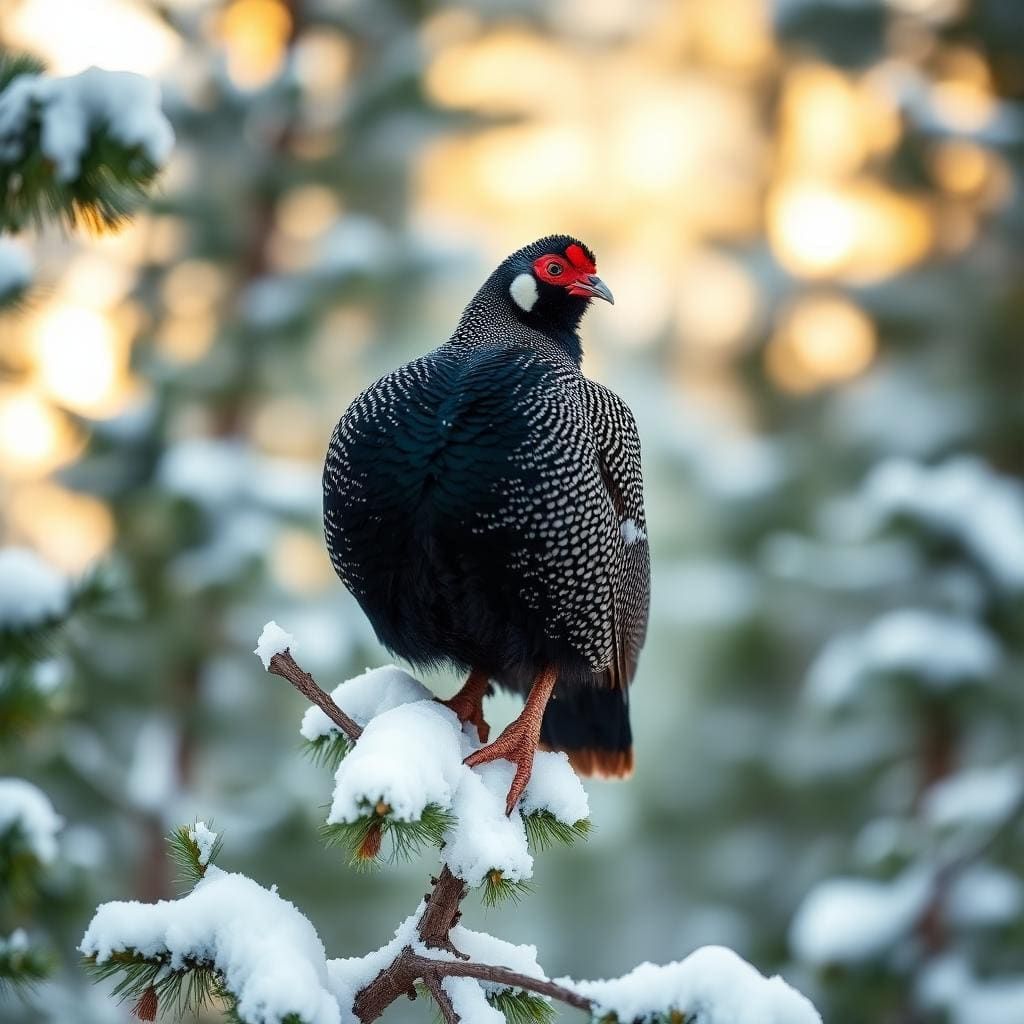
Wildlife found around Canmore Area

Compare side by side
Put the Canmore Area against any other pick on this list — specs, price, pros, cons and reader ratings.