



Reader rating
Rate it and you move it. Community ratings re-rank this product inside its Top 10 list.
Expert-picked, reader-ranked. Our editors choose the products and the launch order; member star ratings move picks up or down over time.
HD 410, primarily within the Sapphire Mountains, offers a strong elk population and significant public land within the Bitterroot National Forest. This unit is known for its steep, rugged terrain, dense timber, and high-country basins. Access is generally from the Bitterroot Valley towns like Hamilton or Darby. This is another unit where fitness is key, and getting away from roads increases your odds significantly. Elk densities are good, and the mature bull potential is strong for hunters willing to put in the effort. Expect significant hiking and navigation challenges. Grizzly bears are present. General elk tag applies. Standard state hunting license and conservation stamp fees.
Pros
- Strong elk population density
- Excellent potential for mature bulls
- Abundant public land access
- True backcountry hunting experience
- Diverse wildlife viewing opportunities
Cons
- Extremely demanding physical challenge
- Significant grizzly bear presence
- Limited road access, requires long hikes
- Crowds possible near road access points
- Unpredictable and harsh mountain weather
Best uses
- Backcountry elk hunting
- Physically fit hunters
- Experienced mountain hunters
- Archery elk hunting
- Seeking solitude
Specifications
- Location
- Sapphire Mountains, Western Montana
- Primary Land
- Bitterroot National Forest
- Terrain
- Steep, timbered, high-country basins
- Primary Access
- Bitterroot Valley (Hamilton, Darby)
- Elk Tag
- General Elk License
Best for
Backcountry elk hunting, Physically fit hunters, Experienced mountain hunters, Archery elk hunting, Seeking solitude
Hunting District 410, nestled primarily within the rugged Sapphire Mountains of Western Montana, stands out as a prime public land elk unit. Its terrain is quintessential high-country: steep ascents, dense coniferous timber, and a network of remote basins and ridges that demand considerable physical exertion. This isn't a unit for the faint of heart or the casually prepared; success here is directly proportional to a hunter's willingness to put in miles and navigate challenging landscapes. The district's public land component is substantial, largely falling within the expansive Bitterroot National Forest, providing ample room for those seeking solitude and an authentic backcountry experience. The elk population in HD 410 is robust, offering strong opportunities for both general season elk tags and drawing a mature bull. The dense cover and arduous topography allow elk to thrive and mature, often favoring hunters who can effectively scout and access remote pockets. While the effort required is significant, the reward can be substantial, with consistent reports of quality animals for hunters who commit to a deep-woods approach. Access is typically managed from the Bitterroot Valley, with towns like Hamilton and Darby serving as primary jumping-off points for resupply and lodging. Be prepared for early starts and long days in the field.
Geography & Terrain
HD 410 encompasses a significant portion of the Sapphire Mountains, characterized by their classic Rocky Mountain profile. Elevations range from approximately 4,000 feet in the lower valleys up to over 9,000 feet on the highest peaks. The landscape is dominated by thick stands of lodgepole pine, Douglas fir, and spruce, often interspersed with open parks and subalpine meadows at higher elevations. Drainages are numerous and deep, often requiring significant elevation changes to navigate. Expect limited road access once you leave the main forest service routes, with much of the unit accessible only by foot or pack stock. This ruggedness is precisely what allows for a healthy elk population to thrive largely undisturbed.
Best Seasons & Weather
The general elk season in Montana typically runs from late October through late November. Early season can offer better weather, but elk may still be scattered and in thicker cover. Rut activity peaks in late September, making archery season a prime window for locating vocal bulls. As the season progresses into November, colder temperatures and potential snowfall can push elk to lower elevations, but also make travel more challenging. Hunters should be prepared for all types of weather, from mild autumn days to heavy snowstorms and sub-zero temperatures. Reliable layering systems and waterproof gear are non-negotiable for comfort and safety in this environment.
Wildlife Presence
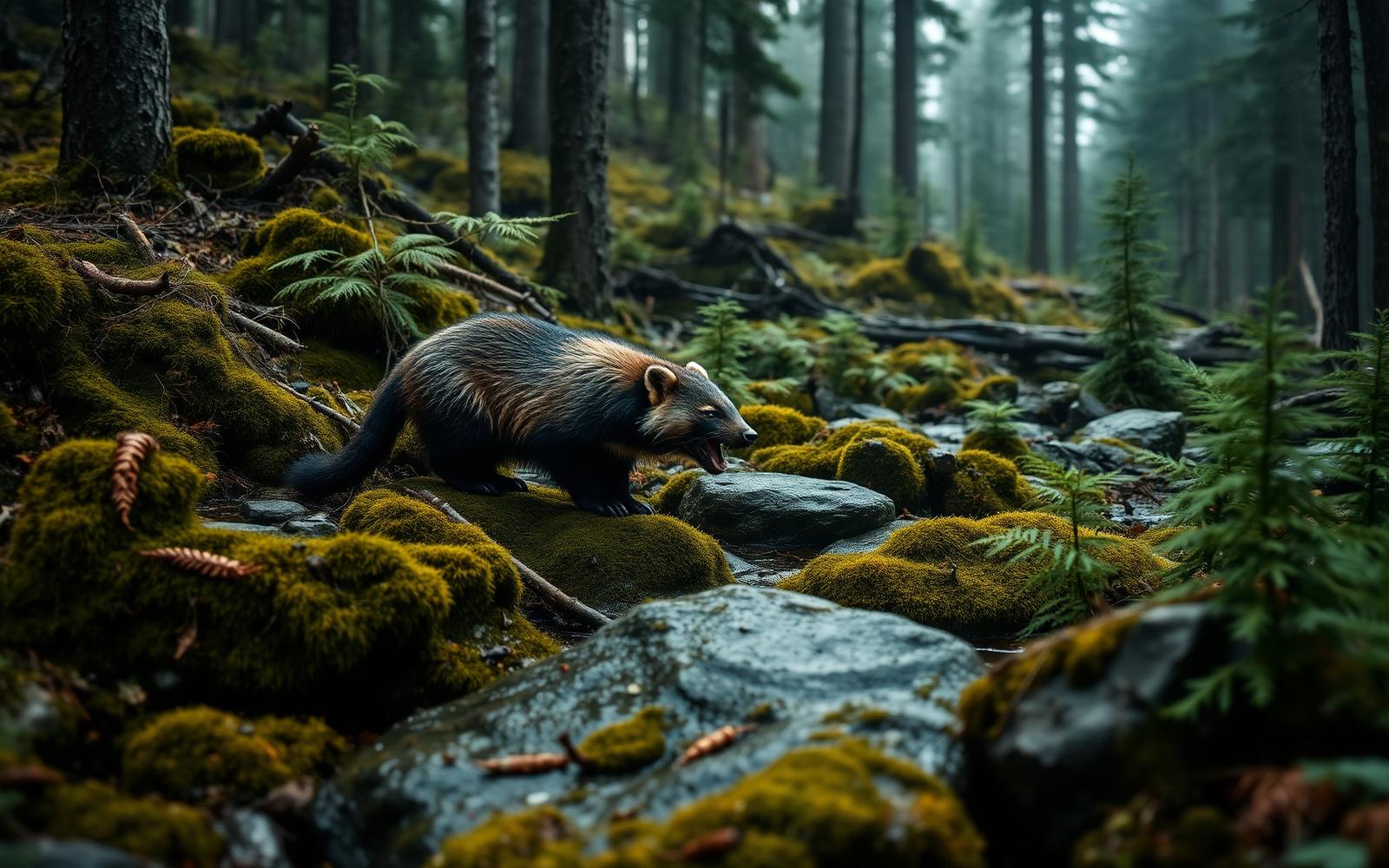
Beyond elk, HD 410 supports a diverse array of wildlife. Mule deer and whitetail deer are common, particularly in transitional zones and lower river bottoms. Black bears are present throughout the unit, and of significant note, grizzly bears are also established within the Sapphires. Hunters need to carry bear spray and practice diligent bear safety protocols. Other species include moose in wetland areas, mountain goats on higher peaks, and various furbearers and bird species. This rich ecosystem is a testament to the wild character of the district and underscores the importance of responsible outdoor practices.
Key Routes & Attractions
Access to HD 410 largely funnels through numerous forest service roads originating from the Bitterroot Valley. Roads like those leading into the West Fork of the Bitterroot River area, or trails accessing areas closer to Skalkaho Pass, serve as primary entry points. There are no major named attractions within the hunting context; the 'attraction' is the wilderness itself. Hunters often focus on historical game trails, ridges offering vantage points, and sheltered basins. Expect to park at trailheads and pack in, often for multiple miles, to get into productive elk country. Satellite imagery and topographic maps are essential tools for identifying promising areas.
Permits & Access
To hunt elk in HD 410, a standard Montana hunting license is required, along with a general elk tag and a conservation stamp. Non-residents face higher fees and specific draw odds for licenses. The majority of the district is public land within the Bitterroot National Forest, meaning access is generally open to hunters, though some private parcels may intersperse with public ground. Always verify land ownership using a reliable mapping app or plat maps. No special unit-specific permits are required beyond the general statewide elk tag. Adherence to all Montana Fish, Wildlife & Parks regulations is paramount.
How we picked
We built this ranking from trip reports, agency data, permit records, and our editors' own time on the ground. 10 places made the final cut out of a much longer working list, and each one had to clear the same set of criteria before it earned a spot.
- Quality of the terrain
- Landscape, route variety, and whether the place rewards multiple days rather than one overlook.
- Season and weather windows
- How long the reliable window is, and how badly the shoulder seasons punish a bad forecast.
- Access and permits
- Trailhead logistics, permit odds, quotas, and how much lead time a trip realistically takes.
- Solitude vs. crowding
- How far you have to walk before the place feels like wilderness instead of a queue.
- Wildlife and ecology
- What you can reasonably expect to see, and what you have to plan around.
- Risk and skill required
- Navigation, water crossings, exposure, and rescue distance — stated plainly.
Hunting District 410 — frequently asked questions
- Is Hunting District 410 worth the trip?
- We rank it #4 in Top Montana Public Land Elk Units. HD 410, primarily within the Sapphire Mountains, offers a strong elk population and significant public land within the Bitterroot National Forest. This unit is known for its steep, rugged terrain, dense timber, and high-country basins.
- Who is Hunting District 410 best for?
- Best for backcountry elk hunting, physically fit hunters, experienced mountain hunters and archery elk hunting. Standouts: strong elk population density and excellent potential for mature bulls.
- What are the drawbacks of Hunting District 410?
- Extremely demanding physical challenge, Significant grizzly bear presence and Limited road access, requires long hikes.
- What are the key details for Hunting District 410?
- Location: Sapphire Mountains, Western Montana · Primary Land: Bitterroot National Forest · Terrain: Steep, timbered, high-country basins · Primary Access: Bitterroot Valley (Hamilton, Darby) · Elk Tag: General Elk License
- Geography & Terrain — what should I know about the Hunting District 410?
- HD 410 encompasses a significant portion of the Sapphire Mountains, characterized by their classic Rocky Mountain profile. Elevations range from approximately 4,000 feet in the lower valleys up to over 9,000 feet on the highest peaks.
- Best Seasons & Weather — what should I know about the Hunting District 410?
- The general elk season in Montana typically runs from late October through late November. Early season can offer better weather, but elk may still be scattered and in thicker cover.
Where on earth
Satellite imagery flying in from a world view to Hunting District 410, Montana, United States. Use the + / − buttons, or click the map to zoom with your scroll wheel; drag to pan and pinch to zoom on touch.
Montana, USA · 46.880, -110.363
Wildlife found around Hunting District 410







Compare side by side
Put the Hunting District 410 against any other pick on this list — specs, price, pros, cons and reader ratings.