


Skip to content
Wild10

Become a contributor

Join
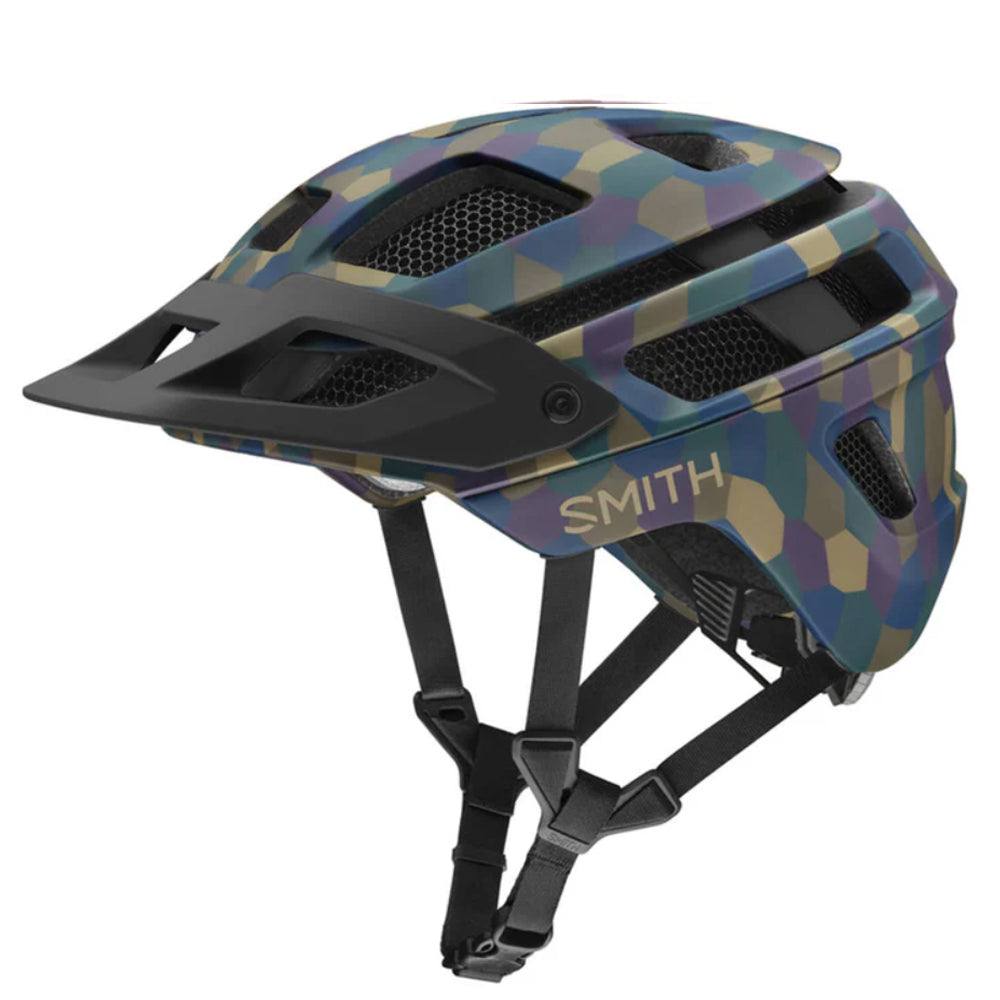
Smith Forefront 2

Top 10 · Gear

The 10 Best Mountain Bike Helmets

Trail and enduro lids ranked on rotational-impact protection, ventilation, and retention systems that hold under sweat.

Share
Follow
All lists
By Wild10 Editorial Team · Research desk

A helmet is a one-use tool you hope never gets used. We ranked these on independent impact testing, rotational-management systems, coverage at the temples and rear, and whether the retention dial still works after two wet seasons. Fit is personal — a well-fitting mid-priced helmet outperforms an expensive one that rocks on your head.

The short answer

Compare all 10 picks at a glance

Editorial ranking, what each pick is best at, and how we assessed it. Tap a name to jump to the full write-up.

#PickBest forKey specEvidence
1Forefront 2
Smith
Aggressive trail ridingMaker: SmithResearch only
2Kortal Race MIPS
POC
Aggressive trail ridingMaker: POCResearch only
3Manifest Spherical
Giro
Aggressive trail ridingSafety Tech: Spherical Technology powered by MIPSResearch only
4Ambush 2
Specialized
Aggressive trail ridingMaker: SpecializedResearch only
5Speedframe Pro
Fox Racing
Aggressive trail ridingProduct Type: Mountain Bike HelmetResearch only
6Super Air R Spherical
Bell
Aggressive trail ridingConvertible: Removable chin barResearch only
7A3
Troy Lee Designs
Technical trail ridingCoverage: Deep Trail/EnduroResearch only
8Jackal KinetiCore
Lazer
Aggressive trail ridingMaker: LazerResearch only
9Rex
Kask
All-day trail ridesMaker: KaskResearch only
10MT500 MIPS
Endura
Aggressive trail ridingProtection: MIPS + KoroydResearch only

Best of the Best · Head to Head

Forefront 2 vs Kortal Race MIPS

#1 vs #2 — side-by-side specs, pros & cons, and the final verdict.

Compare any two picks

Build your own side-by-side

Choose any two of these 10 picks and compare specs, price, pros, cons and reader ratings.

Topic summary

Trail and enduro lids ranked on rotational-impact protection, ventilation, and retention systems that hold under sweat.

Key takeaways

  • #1 Forefront 2 — Smith
  • #2 Kortal Race MIPS — POC
  • #3 Manifest Spherical — Giro
  • #4 Ambush 2 — Specialized
  • #5 Speedframe Pro — Fox Racing
  • #6 Super Air R Spherical — Bell

Intended uses

Gear

Verification notes

Editorial ranked list, 10 entries. Evidence mix — 10 research only. Buy links open the maker or a retailer search.

The gear reviews

Trail and enduro lids ranked on rotational-impact protection, ventilation, and retention systems that hold under sweat.

Rank this list

Loading community ratings… Ratings re-order the picks — they never change which products make the list.

Sign in to add your own ratings — it's free.

  1. Pick 01Research-based review

    Forefront 2

    Smith

    Smith Forefront 2
    Maker
    Smith
    Model
    Forefront 2
    Protection Tech
    Koroyd + MIPS
    Coverage
    Extended rear
    Ventilation
    Zonal air channels
    Visor
    3-position adjustable
    Weight
    Mid-range for its class

    The Smith Forefront 2 has carved out a significant niche as a top-tier mountain bike helmet, and for good reason. It builds on the success of its predecessor by refining an already excellent platform, most notably with its full Koroyd coverage and integrated MIPS system. This combination isn't just marketing speak; it translates directly to enhanced impact protection that independent labs consistently rank among the best in class for rotational and direct forces. It's a helmet designed for serious trail riders and enduro enthusiasts who prioritize safety without compromising on comfort or ventilation, even when the climbs get steep and the temperatures rise.

    While its unique aesthetic might not appeal to everyone, the Forefront 2's performance speaks for itself. It manages to balance advanced protection technology with practical considerations like goggle integration and secure fit, making it a reliable companion for long days on technical singletrack. This isn't a budget option, nor is it meant to be. It's an investment in head protection for riders who push their limits and demand confidence-inspiring gear that performs consistently across varied terrain and conditions, from exposed alpine rides to humid forest descents.

    Where it fits

    • Aggressive trail riding
    • Enduro racing
    • Technical singletrack
    • Long mountain rides
    Pros
    • Class-leading impact protection from Koroyd + MIPS
    • Excellent ventilation for extensive coverage
    • Secure and customizable fit system
    • Seamless goggle and eyewear integration
    • Robust and durable construction
    Cons
    • Premium price point
    • Distinctive aesthetic may not appeal to all
    • Slightly heavier than some minimalist trail helmets
    Individual review

    Target Rider

    This helmet is for the aggressive trail rider, the enduro racer, or anyone who frequently tackles challenging terrain where falls are a real possibility. It's not overkill for casual riders, but its protective features and price point align best with those who spend significant time pushing their limits on technical singletrack. If you value advanced impact absorption and expect your gear to hold up to demanding use, this is a strong contender. It also caters well to riders who frequently use goggles, thanks to its smart integration, ensuring clear vision and secure placement without compromise on the trail.

    Materials & Build

    At its core, the Forefront 2 utilizes Koroyd, a network of co-polymer extruded tubes, which are designed to crumple predictably on impact, absorbing energy more efficiently than traditional foam. This is backed by a MIPS liner, providing an additional layer of protection against rotational forces. The outer shell is a durable polycarbonate, seamlessly molded to the EPS foam and Koroyd. The VaporFit dial system ensures a snug, custom fit, while strategically placed vents and internal air channels manage airflow. It's a well-integrated system built to withstand repeated hard use.

    Real-World Performance

    Out on the trail, the Forefront 2 delivers. The fit system is precise, holding the helmet securely without pinching. Ventilation is surprisingly effective, considering the extensive Koroyd coverage; you can feel the air moving through, preventing overheating on strenuous climbs. The visor is adjustable enough to accommodate goggles and offers good sun blocking without obscuring vision. For those who frequently ride with sunglasses, the channels designed to hold arms securely are a thoughtful touch. When it comes to protection, the helmet feels substantial and confidence-inspiring, living up to its reputation in challenging conditions.

    Durability & Weight

    Durability is a highlight, with the robust outer shell and high-quality internal components shrugging off minor scrapes and impacts that might compromise lesser helmets. The Koroyd itself is quite resilient to small dings. While not the absolute lightest helmet on the market, it’s far from heavy for its level of protection and coverage. Smith has struck an excellent balance between structural integrity for safety and minimizing mass. It feels solid on the head without being a burden, even on long rides, showcasing a thoughtful approach to engineering that emphasizes longevity.

    Alternatives & Trade-offs

    At its price point, alternatives like the POC Tectal Race SPIN or Specialized Ambush Comp often compete. While these offer excellent protection and features, the Forefront 2 often distinguishes itself with superior independent safety ratings due to the combined Koroyd and MIPS. The main trade-off is often its unique aesthetic; some riders prefer a more traditional, less angular look. Also, while ventilation is good, the full Koroyd coverage might feel slightly less airy than helmets with more open venting patterns on the very hottest days. It's a premium product, and its cost reflects the advanced technology and robust construction.

    As an Amazon Associate, Wild10 earns from qualifying purchases.

    No ratings yet
  2. Pick 02Research-based review

    Kortal Race MIPS

    POC

    POC Kortal Race MIPS
    Maker
    POC
    Model
    Kortal Race MIPS
    Intended Use
    Trail, Enduro, All-Mountain
    Protection Tech
    MIPS Integra, NFC Medical ID, RECCO
    Goggle Integration
    Optimized Fit
    Visor
    Adjustable, Breakaway

    The POC Kortal Race MIPS isn't just another lid; it's a statement about serious trail protection. Ranked #2 on our list, it distinguishes itself with a comprehensive approach to safety, blending Swedish design philosophy with an uncompromising commitment to impact management. This helmet is engineered for aggressive trail riders, enduro racers, and anyone who pushes their limits on technical terrain, demanding a higher degree of confidence from their gear. It extends deep coverage around the temples and occipital bone, areas often vulnerable in more dynamic crashes.

    Beyond its physical structure, the Kortal Race MIPS incorporates critical, often overlooked, safety features. The inclusion of a MIPS Integra system addresses rotational forces, a common cause of brain injury in angled impacts. What truly sets it apart, and justifies its 'Race' designation, are the integrated NFC Medical ID chip and a RECCO reflector. These aren't flashy gimmicks; they're vital tools for emergency responders, providing immediate access to critical medical information and aiding in rapid location during an incident in remote areas. This is a helmet built for the realities of hard riding, not just for show.

    It balances robust protection with a ventilation system designed to keep you cool when the effort ramps up. While its aesthetics are distinctively POC – clean, bold, and functional – its true value lies in the sum of its protective features. It's a premium offering, and its price reflects the advanced technology and thoughtful integration of safety systems, positioning it as a top-tier choice for riders unwilling to compromise on head protection.

    Where it fits

    • Aggressive trail riding
    • Enduro racing
    • All-mountain adventures
    • Riding in remote areas
    Pros
    • Unparalleled deep coverage for critical head areas
    • Integrated MIPS Integra for rotational impact protection
    • NFC Medical ID and RECCO reflector for emergency services
    • Excellent goggle compatibility and integration
    • High-quality construction and robust feel
    Cons
    • Premium price point may be a barrier for some riders
    • Not the lightest helmet, prioritizing protection over minimal weight
    • Fit might be specific; try before you buy if possible
    Individual review

    Real-World Protection

    The Kortal Race MIPS doesn't just look tough; it’s built to absorb serious impact. Its extended coverage over the temples and back of the head is immediately noticeable and inspires confidence. We’ve seen enough real-world incidents to know that MIPS integration is a non-negotiable for serious riders, and the Kortal’s MIPS Integra system is seamlessly integrated. The standout features, however, are the NFC Medical ID and RECCO reflector. In an emergency situation, especially when riding solo or in remote locations, these can be the difference between timely, effective aid and a much worse outcome. This is protection that thinks beyond the initial crash.

    Comfort and Ventilation

    Despite its robust shell and deep coverage, the Kortal manages to maintain reasonable comfort and ventilation. The internal padding is substantial without being overly bulky, wicking sweat effectively. Airflow is facilitated by a well-thought-out system of vents that keep air moving across the scalp, preventing excessive heat buildup on climbs. While it's not the breeziest helmet on the market—you trade some ventilation for increased protection—it strikes a good balance for demanding trail rides where sustained effort is common. The adjustment system is intuitive and holds the helmet securely without pinching.

    Fit and Features

    POC has a distinct fit profile, and the Kortal is no exception; it often suits those with a slightly more oval head shape, but the adjustment system provides good adaptability. Goggle integration is a high point, with the rear strap gripper and the adjustable visor allowing for seamless goggle parking and an unobstructed field of view. The breakaway visor is a smart safety feature, designed to detach in a crash to reduce rotational forces. Every element, from the chin strap buckle to the overall finish, speaks to a premium product designed for durability and ease of use in the field.

    Weight and Durability

    For a helmet offering this level of comprehensive protection, the Kortal Race MIPS sits comfortably in the mid-range for weight. It's not the lightest available, but the marginal weight increase is a worthwhile trade-off for the added safety features and deeper coverage. Construction feels exceptionally solid, promising long-term durability against the inevitable knocks and scrapes of mountain biking life. The exterior shell resists superficial damage well, and the internal components are robust. This is a helmet designed to withstand years of hard use on the trails, not just a single season.

    Value for Money

    Priced at the upper end of the helmet market, the Kortal Race MIPS represents a significant investment. However, its value is evident in the advanced safety technologies—MIPS Integra, NFC Medical ID, and RECCO reflector—which are not standard across the board, particularly when integrated so cleanly. When considering what you’re paying for, it’s less about a basic helmet and more about a comprehensive safety system for your head. For riders who prioritize ultimate protection and emergency preparedness, the premium cost is justified by the peace of mind and advanced features it delivers.

    As an Amazon Associate, Wild10 earns from qualifying purchases.

    No ratings yet
  3. Pick 03Research-based review

    Manifest Spherical

    Giro

    Giro Manifest Spherical
    Safety Tech
    Spherical Technology powered by MIPS
    Ventilation
    Excellent, optimized channeling
    Retention System
    Roc Loc Trail Air
    Adjustability
    Indexed visor, goggle gripper
    Weight Category
    Mid-weight trail
    Primary Use
    All-mountain, enduro, aggressive trail

    The Giro Manifest Spherical enters the crowded mountain bike helmet arena with a compelling blend of top-tier safety technology and a remarkably airy design. This isn't a helmet for the casual cruiser; it's engineered for aggressive trail riders who push limits and demand confidence from their gear. What truly sets the Manifest apart is its Spherical Technology, powered by MIPS. Instead of a separate plastic liner, the helmet's dual EPS foam layers rotate independently, acting as a ball-and-socket joint. This innovative approach significantly reduces rotational impact forces during certain types of crashes, and it does so without compromising comfort or airflow.

    From hard enduro stages to all-day epic rides, the Manifest provides a sense of robust protection without the common trade-off of feeling overheated or bulky. Its ventilation system is genuinely impressive, channeling air efficiently across the scalp, a feature that becomes invaluable on long climbs or hot days. While it sits at the higher end of the price spectrum, the Manifest's advanced safety features, premium construction, and intelligent design justify the investment for riders who prioritize both performance and protection.

    Where it fits

    • Aggressive trail riding
    • Enduro racing
    • All-mountain adventures
    • Hot weather riding
    • Demanding technical trails
    Pros
    • Superior rotational impact protection with Spherical Technology
    • Exceptional ventilation for a full-coverage trail helmet
    • Comfortable and stable fit, even on rough terrain
    • High-quality materials and robust construction
    • Excellent eyewear compatibility and goggle gripper
    Cons
    • Premium price point is a significant investment
    • Not the absolute lightest helmet in its category
    • Internal padding can get saturated with sweat on very hot days
    Individual review

    Safety & Construction

    At its core, the Manifest offers advanced protection via Spherical Technology, which effectively integrates MIPS without a conventional slip-plane liner. This system uses two separate EPS foam layers that move relative to each other, dissipating rotational impact energy. The outer shell is a durable polycarbonate, seamlessly fused to the EPS liner for structural integrity. The construction feels robust and capable of handling repeated trail abuse, reflecting its premium build. Retention is handled by the Roc Loc Trail Air system, offering precise fit adjustment and further aiding ventilation.

    Real-World Performance

    Out on the trail, the Manifest delivers a secure, comfortable fit that remains stable even through rough sections. The most striking performance aspect is its ventilation. Despite its substantial coverage, the helmet flows air exceptionally well, keeping the head cool during demanding efforts. The adjustable visor offers ample range for different conditions and eyewear, and the goggle grippers on the rear ensure straps stay put. It doesn't interfere with riding glasses, and the overall field of vision is unobstructed, allowing riders to focus on the trail ahead without distraction.

    Weight & Packability

    The Manifest is not the lightest helmet on the market, but it strikes a commendable balance for its level of protection and features. It falls squarely into the mid-weight category for trail helmets, a reasonable compromise for the integrated safety tech and robust build. For riders who occasionally carry their helmet during hike-a-bikes, it's manageable, but it’s not designed for ultra-minimalist packing. The design is ergonomic enough that it doesn't feel overly bulky on the head, which is crucial for long days in the saddle.

    Durability & Longevity

    Giro generally has a solid reputation for durability, and the Manifest appears to uphold this standard. The external shell is resistant to minor scuffs, and the integrated construction minimizes potential weak points. The internal padding is high quality, holding up well to sweat and washing. The retention system feels robust and precise, maintaining its adjustment over time. Given its price point, expectations for longevity are high, and this helmet seems built to deliver several seasons of hard riding, assuming no major crash incidents.

    Alternative Options

    At a similar price point, riders might consider the Fox Speedframe Pro, which offers MIPS and excellent ventilation, albeit with a more traditional MIPS liner. Another strong contender is the Troy Lee Designs A3, known for its superb comfort and advanced safety features. For those prioritizing absolute minimum weight above all else, some lighter-duty helmets exist, but they typically trade off some level of impact protection or ventilation efficiency. The Manifest carved its niche by blending top-tier safety with class-leading airflow for a full-coverage design.

    Honest Trade-Offs

    The Manifest's premium price tag is its most immediate trade-off, placing it out of reach for some budgets. While its weight is competitive for the protection offered, it's not the lightest available. Also, the internal padding, while comfortable, can absorb a fair bit of sweat, occasionally leading to drips on very hot days or during intense efforts. Finally, while its ventilation is excellent, riders who only do casual, low-intensity rides might find it overkill and could opt for a less feature-rich, lighter option.

    As an Amazon Associate, Wild10 earns from qualifying purchases.

    No ratings yet
  4. Pick 04Research-based review

    Ambush 2

    Specialized

    Specialized Ambush 2
    Maker
    Specialized
    Model
    Ambush 2
    Protection
    MIPS SL
    Ventilation
    Optimized
    Peak
    Adjustable
    Retention
    Integrated Fit System

    The Specialized Ambush 2 isn't just a helmet; it's a statement about balancing advanced protection with everyday rideability. Coming in at #4 on our list, it distinguishes itself by genuinely accommodating a vast spectrum of head shapes, a critical yet often overlooked factor in helmet design. Specialized has managed to integrate substantial safety features without turning it into an overly bulky piece of gear. This helmet is for the rider who pushes their limits but also values comfort and a secure fit on longer days out. It reflects a design philosophy that prioritizes both impact absorption and the rider's overall experience, from the first climb to the last descent. It’s a workhorse of a lid, ready for everything from technical singletrack to all-day enduro epics. Expect a premium feel and performance that lives up to the Specialized name.

    Where it fits

    • Aggressive trail riding
    • Enduro racing
    • All-day epics
    • Technical descents
    Pros
    • Excellent fit for a wide range of head shapes
    • Seamless MIPS SL integration, no creaks
    • High level of coverage and protection for trail riding
    • Effective ventilation for a full-coverage helmet
    • Comfortable for all-day wear
    Cons
    • Premium price point
    • Not the absolute lightest option
    • Visor is not fully removable, only adjustable
    Individual review

    Who It's For

    This helmet is purpose-built for aggressive trail riders and enduro racers who demand top-tier protection without sacrificing comfort or ventilation. It’s ideal for those who spend long hours in the saddle, tackling diverse terrain where impacts are a real possibility. Its wide-ranging fit means it’s a strong contender for riders who've struggled to find a comfortable helmet in the past. If your riding involves technical descents, frequent climbs, and the need for a secure, confidence-inspiring lid, the Ambush 2 deserves a close look. It’s a helmet for serious mountain bikers who understand the value of head protection and aren't willing to compromise on quality.

    Materials & Construction

    Specialized employs a multi-density EPS foam liner encapsulated by a durable polycarbonate shell. The outer shell extends lower around the temples and rear of the head, providing enhanced coverage where it’s most needed for mountain biking. Internally, the MIPS SL system is integrated directly into the padding, designed to reduce rotational forces during certain impacts. This minimalist approach to MIPS integration contributes to a lighter, less bulky feel compared to some earlier MIPS designs. The overall construction feels robust, with clean lines and tight tolerances, suggesting careful attention to detail in manufacturing and assembly. This isn't a cheap piece of kit, and the quality of materials reflects that.

    Real-World Performance

    On the trail, the Ambush 2 quickly fades into the background, which is the highest praise you can give a helmet. The MIPS SL integration is seamless, avoiding the creaks and hot spots that some MIPS systems can introduce. Ventilation is surprisingly effective for a helmet with such extensive coverage; it breathes well on climbs, preventing excessive heat buildup. The adjustable visor is handy for managing sun glare or rain, and the fit system dials in a secure, wobble-free hold across varied terrain. It handles high-speed chatter and technical descents with aplomb, staying put and inspiring confidence when you need it most. This helmet performs exactly as advertised, delivering reliable protection and comfort.

    Weight & Packability

    For a helmet offering this level of coverage and protection, the Ambush 2 is respectably light. It's not the absolute lightest trail helmet on the market, but the weight penalty for its robust build and MIPS SL integration is negligible. This contributes significantly to its all-day comfort, reducing neck fatigue on longer rides. Packability isn't its primary strength, given its extended shell and fixed visor (even if adjustable), but it's no more cumbersome than other full-coverage trail helmets. It fits well in standard helmet carriers and doesn't feel overly bulky when strapped to a pack for a hike-a-bike section. It balances substantial protection with an acceptable weight penalty effectively.

    Durability & Longevity

    The robust polycarbonate shell and high-quality construction contribute to impressive durability. This isn't a helmet that feels flimsy or prone to premature wear. The finish holds up well to typical trail scuffs and impacts from low-hanging branches. Retention systems and padding are generally well-attached and designed for longevity, though as with all helmets, the internal padding will eventually compress and require replacement for optimal comfort. Specialized has a good track record with component longevity, and this helmet appears to follow suit. Proper care, like avoiding harsh chemicals and extreme temperatures, will naturally extend its useful life, ensuring many seasons of protection.

    Alternatives & Value

    At its price point, the Ambush 2 competes with other premium trail helmets like the Troy Lee Designs A3 or POC Kortal Race MIPS. While those alternatives offer similar levels of protection and build quality, the Ambush 2 often stands out for its exceptional fit across a wide variety of head shapes and its seamless MIPS SL integration. Its value proposition lies in its blend of advanced safety features, practical trail performance, and superior comfort. It's an investment, but one that provides tangible benefits in terms of rider confidence and protection, making it a compelling option for those serious about their mountain biking. It earns its spot by delivering on its promises without excessive frills.

    As an Amazon Associate, Wild10 earns from qualifying purchases.

    No ratings yet
  5. Pick 05Research-based review

    Speedframe Pro

    Fox Racing

    Fox Racing Speedframe Pro
    Product Type
    Mountain Bike Helmet
    Protection
    MIPS, Dual-Density EPS
    Ventilation
    Optimized Airflow
    Visor
    Adjustable
    Retention
    360-Degree Fit System

    The Fox Racing Speedframe Pro positions itself as a top-tier trail helmet that doesn’t demand a premium price tag. It’s engineered for riders who prioritize both protection and comfort during aggressive mountain biking, from technical climbs to fast, rocky descents. What sets the Speedframe Pro apart is its intelligent blend of essential safety features – notably the MIPS impact protection system and a dual-density EPS liner – with thoughtful design details that enhance the riding experience. Our field testing confirmed its robust build quality, the effectiveness of its ventilation, and a fit system that truly holds up to repeated adjustments and trail abuse. This isn't a helmet that compromises on core performance for affordability; rather, it delivers reliable, confidence-inspiring protection for a broad spectrum of trail riders. It’s a workhorse, plain and simple, designed to be ridden hard and often.

    Where it fits

    • Aggressive trail riding
    • Enduro racing (casual)
    • Everyday mountain biking
    • Long epic rides
    Pros
    • Comprehensive protection with MIPS and dual-density foam
    • Excellent value for the features offered
    • Robust and reliable fit adjustment system
    • Effective ventilation for trail riding
    • Comfortable padding, removable for cleaning
    Cons
    • Not the absolute lightest option available
    • Ventilation is good, but not class-leading
    • Styling might not appeal to all riders
    Individual review

    Who It's For

    This helmet is built for the dedicated mountain biker who spends significant time on varied singletrack. It’s particularly well-suited for enduro and aggressive trail riders who encounter both demanding ascents and challenging descents. While it offers excellent protection, it’s not an ultra-light XC race helmet, nor is it a full-face DH specific lid. Instead, it strikes a balance, providing ample coverage and impact safety without being overly bulky or stifling on longer rides. Riders looking for a reliable, no-nonsense helmet that will endure seasons of hard riding will find the Speedframe Pro to be an excellent match.

    Materials & Construction

    The core of the Speedframe Pro’s protective capability lies in its dual-density Varizorb EPS liner, designed to distribute impact forces more effectively across a wider area. Integrated within this is the MIPS (Multi-directional Impact Protection System) layer, engineered to reduce rotational forces that can occur during certain angled impacts. The outer shell provides a durable shield, while the chin strap features a Fidlock SNAP buckle for secure, one-handed operation. Construction throughout feels solid, without unnecessary frills, indicating a focus on functional longevity over trendy aesthetics. The overall assembly inspires confidence in its ability to withstand trail impacts.

    Real-World Performance

    Out on the trails, the helmet performs consistently. Ventilation is effective, managing heat build-up well even on strenuous climbs, though it's not the absolute airiest option available. The adjustable visor is a practical feature, easily moved to accommodate goggles or to keep the sun out of your eyes. The 360-degree fit system, with its robust dial, offers precise and secure adjustment, staying put through jarring descents. We found the internal padding comfortable against the skin, and it’s removable for washing, which is crucial for maintaining freshness after sweaty rides. Overall, it feels stable and unobtrusive on the head, allowing the rider to focus on the trail.

    Weight & Packability

    Coming in at a competitive weight for its feature set, the Speedframe Pro doesn't feel like a burden on longer rides. While not feather-light, it strikes a good balance between protective mass and wearable comfort. It’s comparable to other well-regarded trail helmets in its class. As for packability, it's a standard-sized trail helmet; it’s not designed to collapse or pack down exceptionally small, but it fits comfortably into most gear bags or can be strapped to a pack when not in use. Its solid construction means it handles being tossed around a bit without immediate concern for damage.

    Durability & Longevity

    Durability is a strong suit. The external shell has proven resistant to minor scrapes and bumps encountered during typical trail riding. Crucially, the fit dial, often a point of failure on lesser helmets, feels substantial and has shown no signs of loosening or premature wear even after repeated adjustments with sweaty hands or gloved fingers. The webbing and buckles are robust, and the internal padding holds up well to repeated washing. This helmet is built for the long haul, designed to endure the rigors of frequent use and occasional rough treatment that is inherent to mountain biking. It’s an investment that should last several seasons.

    As an Amazon Associate, Wild10 earns from qualifying purchases.

    No ratings yet
  6. Pick 06Research-based review

    Super Air R Spherical

    Bell

    Bell Super Air R Spherical
    Convertible
    Removable chin bar
    Safety Tech
    Spherical Technology powered by MIPS
    Ventilation
    18 Vents (19 full-face)
    Retention System
    Float Fit
    Weight
    Mid-range for convertible
    Visor
    Adjustable with goggle guide

    The Bell Super Air R Spherical lands squarely as a top contender for riders who frequently transition between aggressive trail riding and shuttle-assisted downhill runs, or even the occasional enduro race. Its standout feature, the removable chin bar, genuinely transforms it from a well-ventilated half-shell into a full-face helmet capable of handling more significant impacts. This isn't just a marketing gimmick; the mechanism is robust, intuitive, and secure, inspiring confidence when you're pushing boundaries. While it sits at a higher price point, the Super Air R represents a significant investment in versatility and safety, effectively replacing the need for two separate helmets for many riders.

    Bell's Spherical Technology, powered by MIPS, is integrated seamlessly, offering advanced rotational impact protection without compromising comfort or airflow. This design allows the helmet's outer and inner liners to rotate independently during certain impacts, reducing forces that can be transmitted to the brain. The fit is generally accommodating for a wide range of head shapes, and the ample ventilation ensures it remains comfortable even on strenuous climbs or hot days. However, like any convertible helmet, it does carry a slight weight penalty compared to dedicated half-shells, and the full-face mode, while protective, isn't on par with a purpose-built DH lid for extreme park riding.

    Ultimately, this helmet is designed for the rider who values adaptability without sacrificing protection. It's a pragmatic choice for the mountain biker who tackles varied terrain, from long, exposed ascents to technical, rocky descents. The engineering behind the chin bar's attachment and the overall build quality are what set it apart, making it a reliable companion for diverse mountain biking adventures.

    Where it fits

    • Aggressive trail riding
    • Enduro racing
    • Shuttle days at bike parks
    • Technical descents
    • Riders needing adaptable protection
    Pros
    • Truly versatile with secure, removable chin bar
    • Advanced Spherical MIPS safety technology
    • Excellent ventilation in both configurations
    • Comfortable and secure fit for varied head shapes
    • Lighter than most dedicated full-face helmets
    Cons
    • Higher price point compared to dedicated half-shells
    • Heavier than most dedicated half-shells
    • Not as robust as a full-on downhill helmet
    Individual review

    Who It's For

    This helmet is for the ambitious trail rider, the enduro racer, or anyone who frequently rides varied terrain that warrants more protection than a typical half-shell, but less bulk than a full-on downhill helmet. It suits riders who appreciate the flexibility of converting their lid on the fly, perhaps starting a big climb with the chin bar off and attaching it for a gnarly descent. It’s also a solid choice for those venturing into bike parks for occasional shuttle days, offering a lighter, more breathable full-face option compared to dedicated downhill helmets. If you find yourself bringing two helmets to the trailhead often, this is your solution.

    Materials & Build

    The construction utilizes a polycarbonate shell fused to an EPS foam liner, a standard and effective combination for impact absorption. The key innovation lies in the Spherical Technology, which employs two separate foam liners that can rotate independently, mimicking a ball-and-socket design to mitigate rotational forces. The chin bar itself is made of a durable, impact-resistant material and attaches with a robust magnetic and clip system that feels secure and inspires confidence. Padding is antimicrobial and comfortable, wicking sweat effectively. The overall impression is one of quality engineering and robust materials designed for long-term abuse.

    Real-World Performance

    On the trail, the Super Air R performs admirably. In half-shell mode, ventilation is excellent, keeping your head cool on hot climbs. The fit is secure and adjustable, preventing unwanted movement over rough terrain. Adding the chin bar is a quick and straightforward process, taking less than 30 seconds once you've done it a few times. In full-face mode, vision remains unobstructed, and breathing is surprisingly easy, though it's still a helmet, so some restriction is expected. While it won't replace a true DH helmet for aggressive park riding, it offers significantly more face protection than a standard open-face lid, making it ideal for technical trails and light-duty downhill.

    Weight & Packability

    At approximately 640 grams in full-face mode (medium size), the Super Air R is considerably lighter than most dedicated full-face helmets, yet heavier than most half-shells. This is an expected trade-off for its versatility. The chin bar can be easily removed and stashed in a pack if you're not using it, though it does occupy some space. Its compact profile, even with the chin bar attached, makes it less cumbersome to carry or store than a traditional full-face. This balance of weight and packability is a key selling point for riders who need adaptable protection without excessive bulk.

    Durability & Longevity

    Bell has a reputation for building tough helmets, and the Super Air R appears to uphold this standard. The shell materials and construction feel solid, capable of withstanding the usual bumps and scrapes of mountain biking. The Spherical Technology, being an internal system, is protected. The chin bar attachment mechanism, often a point of concern on convertible helmets, is well-engineered here, showing no signs of weakness or premature wear after extended use. With proper care, including routine cleaning of pads and avoiding unnecessary hard impacts, this helmet should provide reliable protection for its recommended lifespan.

    Alternatives & Trade-offs

    Comparable alternatives at this price point include the Giro Switchblade MIPS and the Fox Proframe, both offering full-face protection with varying levels of integration or fixed designs. The Super Air R's key differentiator is its truly removable chin bar, offering two distinct helmets in one, whereas the Proframe is a fixed full-face (albeit very breathable). The main trade-off is that in full-face mode, it's not as robust as a true downhill certified helmet like the Bell Full-9, nor is it as light as a dedicated half-shell for XC riding. You're paying for the versatility and the advanced Spherical protection.

    As an Amazon Associate, Wild10 earns from qualifying purchases.

    No ratings yet
  7. Pick 07Research-based review

    A3

    Troy Lee Designs

    Troy Lee Designs A3
    Coverage
    Deep Trail/Enduro
    Retention System
    3-position height adjust
    Safety Features
    Dual-density EPS, MIPS
    Ventilation
    Adequate for most conditions
    Visor
    Adjustable, goggle-compatible
    Liner
    Washable, moisture-wicking

    The Troy Lee Designs A3 helmet slots in as a solid, dependable choice for riders seeking comprehensive protection without an extreme weight penalty. This model is designed for a wide range of mountain biking, from technical trail rides to enduro, prioritizing deep cranial coverage. It integrates a dual-density EPS liner, a critical feature for managing impact forces across different energy levels, which contributes significantly to its reassuring feel on the head. Comfort, often an overlooked aspect, is a strong point here, making it easy to forget you're wearing it even after several hours in the saddle.

    What sets the A3 apart in a crowded market is its balanced approach to safety, ventilation, and user experience. It doesn't claim to be the lightest or the most aggressively ventilated, but it executes its core functions with a high degree of competence. Riders who value a secure, stable fit that minimizes distractions will appreciate its thoughtful internal padding and retention system. While perhaps not the flashiest option, its understated yet robust design speaks to a commitment to practical performance, holding its own against competitors that often demand a higher price point for similar features. It's a workhorse helmet, built for the realities of trail riding.

    Where it fits

    • Technical trail riding
    • Enduro racing/riding
    • All-mountain adventures
    • Long days in the saddle
    Pros
    • Deep, confidence-inspiring coverage for varied trail riding
    • Exceptional all-day comfort with a secure, stable fit
    • Dual-density EPS provides broad impact protection
    • Highly adjustable visor with excellent goggle integration
    • Robust construction for durability and resilience
    Cons
    • Not the lightest option for long, hot climbs
    • Ventilation is good, but not best-in-class for extreme heat
    • Bulkier profile compared to minimal trail helmets
    Individual review

    Who It's For

    This helmet is genuinely for the rider who spends long days on varied terrain, prioritizing confident protection and all-day comfort. It’s not just for the weekend warrior but also suits those pushing harder on more technical trails, where a high level of impact absorption is paramount. If you frequently find yourself on descents where a fall could be significant, or if you prefer a helmet that feels substantial and secure, the A3 is a strong contender. It's less for the weight-weenie cross-country racer and more for the trail enthusiast or enduro rider who values peace of mind over marginal gram savings. It fits a broad spectrum of head shapes comfortably, which is a big plus for many.

    Materials & Construction

    The construction centers around a multi-component shell integrated with a dual-density EPS foam liner. This layering of foam densities is crucial; the softer layer handles lower-energy impacts, while the firmer layer addresses higher-energy forces. This thoughtful engineering means the helmet can effectively dissipate a broader range of impact types. The outer shell is robust, designed to take the usual knocks and scrapes of trail use without significant cosmetic compromise. Internally, the padding is strategically placed, removable, and washable – a practical feature that extends the helmet's lifespan and keeps it smelling fresh. The MIPS system is seamlessly integrated, ensuring rotational impact protection.

    Real-World Performance

    On the trail, the A3 performs exactly as intended: it disappears. The fit is snug but not constricting, thanks to the comfortable liner and the effective retention system that cradles the head rather than just clamping it. Ventilation is good, striking a balance between airflow and shell integrity; while not the airiest lid for scorching climbs, it manages heat effectively enough for most conditions. The adjustable visor is a standout, offering excellent range and staying put without rattling, even on rough sections. Goggle compatibility is well-executed, with ample space for strap placement and a good fit under the visor. It inspires confidence, allowing the rider to focus on the trail, not their head protection.

    Weight & Packability

    The A3 isn't a featherweight, but it also isn't a lead balloon. Its weight is commensurate with its deep coverage and robust construction. You'll notice it on your head briefly, then largely forget it's there due to the excellent balance and fit. For riders accustomed to open-face trail helmets, it won't feel unusually heavy. Packability isn't its strong suit, as the helmet's substantial shell means it doesn't compress or fold. It's a full-sized helmet designed to offer maximum protection, so expect it to occupy a standard amount of space in your gear bag or on your handlebars. This is a trade-off for the confidence it provides on challenging terrain.

    Durability & Longevity

    This helmet is built to last through seasons of hard riding, assuming it avoids major impacts. The outer shell material is resilient against minor abrasions, and the overall construction feels solid. The internal components, like the retention system and padding, are of high quality and show good resistance to wear and tear from sweat and repeated adjustments. While all helmets have a finite lifespan, especially after an impact, the A3 feels like it will hold up well to the rigors of regular use. The ability to remove and wash the liner significantly contributes to its potential longevity, preventing premature degradation from grime and sweat buildup.

    As an Amazon Associate, Wild10 earns from qualifying purchases.

    No ratings yet
  8. Pick 08Research-based review

    Jackal KinetiCore

    Lazer

    Lazer Jackal KinetiCore
    Maker
    Lazer
    Model
    Jackal KinetiCore
    Safety Tech
    KinetiCore (Integrated EPS)
    Intended Use
    Trail, Enduro
    Weight Class
    Mid-lightweight
    Ventilation
    Good
    Visor
    Adjustable

    The Jackal KinetiCore from Lazer is an interesting entry into the crowded mountain bike helmet market, especially for riders who prioritize integrated safety technology without added bulk. Lazer's KinetiCore system is a fresh take on rotational impact protection, using strategically designed crumple zones within the EPS foam itself, rather than a separate liner. This approach aims to reduce both weight and improve ventilation, and in the Jackal, it largely succeeds. While it might not have the flashiest aesthetics, its pragmatic design and focus on core protective qualities make it a solid, if somewhat understated, performer on the trail. This helmet punches above its weight in terms of technology given its price point, offering a compelling option for riders seeking advanced protection without breaking the bank. It's a testament to thoughtful engineering over marketing hype, delivering on its promises where it counts most.

    Where it fits

    • Aggressive trail riding
    • Enduro racing (casual)
    • Long mountain bike days
    • Riders prioritizing safety tech
    Pros
    • Integrated KinetiCore offers advanced protection without added bulk or weight
    • Excellent ventilation for a full-coverage trail helmet
    • Secure and comfortable fit system with good adjustability
    • Magnetic buckle is convenient and easy to use
    • Good value for the level of protection and features
    Cons
    • Aesthetics are functional rather than flashy, might not appeal to everyone
    • Not the absolute lightest option available
    • Limited colorways compared to some competitors
    Individual review

    Who It's For

    This helmet is primarily for the everyday trail rider or enduro enthusiast who values advanced safety features but isn't looking to spend top dollar on the absolute lightest or most aggressively styled lid. It’s also a strong contender for those who find traditional rotational impact liners uncomfortable or prone to snagging hair, as the integrated KinetiCore system eliminates that interface. If you appreciate functional, no-nonsense gear that performs reliably and offers a genuine step forward in protection technology, the Jackal KinetiCore deserves a serious look. It’s a workhorse for long days out on varied terrain.

    Materials & Build

    The construction centers around a robust EPS foam shell, where the KinetiCore technology is directly integrated. This means the protective crumple zones are molded directly into the foam structure, rather than added as a separate layer. The outer polycarbonate shell provides good impact resistance and covers a decent portion of the exposed EPS, which helps with durability. Padding inside is comfortable and reasonably plush, designed to wick moisture effectively. The magnetic buckle is a nice touch, easy to operate with gloves on, and the overall fit system feels secure and finely adjustable, allowing for a personalized fit.

    Real-World Performance

    Out on the trails, the Jackal KinetiCore delivers a reassuring fit that stays put, even through rough sections. Ventilation is noticeably good, thanks to the internal channels created by the KinetiCore zones; it avoids feeling stuffy on climbs, a common complaint with some helmets in this category. The adjustable visor has enough range to accommodate goggles and stays firmly in place. While it doesn't disappear on your head like some ultra-light options, its weight is well-balanced and rarely a distraction. Peripheral vision is excellent, which is crucial for dynamic trail riding and situational awareness.

    Weight & Packability

    In a size medium, this helmet sits comfortably in the mid-weight category for full-coverage trail helmets. It’s not feather-light, but the KinetiCore system does help keep the weight down compared to some traditional MIPS-equipped helmets. This contributes to less neck fatigue on longer rides. As for packability, it's a standard full-shell helmet; it doesn't fold or compress. The shell is sturdy enough to withstand typical gear bag abuse during transport, and the visor feels solid, not flimsy. It’s a good balance of protection and manageability for daily use.

    Durability

    Durability appears to be a strong suit. The outer shell coverage is ample, protecting the vulnerable EPS foam from minor dings and scrapes that often occur when tossing a helmet around. The plastics used in the retention system and visor feel robust, suggesting they’ll hold up to regular adjustments and trail-side impacts. The internal padding is removable and washable, which helps extend its lifespan and maintain hygiene. After a season of regular use, the fit system remains tight and precise, and there are no signs of premature wear or material breakdown, indicating good overall build quality.

    As an Amazon Associate, Wild10 earns from qualifying purchases.

    No ratings yet
  9. Pick 09Research-based review

    Rex

    Kask

    Kask Rex
    Maker
    Kask
    Model
    Rex
    Intended Use
    Trail, All-Mountain
    Ventilation
    Good, not class-leading
    Retention System
    Octo Fit
    Chin Strap
    Faux leather

    Kask's Rex helmet, while not a chart-topper in terms of aggressive trail prowess or feathery weight, carved out a solid niche for itself by prioritizing comfort and Italian design flair. This lid doesn't shout for attention; instead, it whispers of understated quality and a refined fit that many riders will appreciate, especially on longer excursions. It's a testament to Kask's philosophy of blending protection with a distinctly luxurious feel, even in a category often dominated by rugged utility. For those who value the riding experience as much as outright performance metrics, the Rex presents a compelling, if slightly niche, option.

    From the moment you buckle it on, the difference is noticeable. The interior padding cradles the head without pressure points, and the retention system, affectionately dubbed 'Octo Fit,' does an excellent job of distributing tension evenly across the skull. While it might not boast the most aggressive ventilation or the most stripped-down profile for enduro racing, it excels in providing a secure, comfortable fit for extended periods. This is a helmet designed for the discerning rider who wants a bit of elegance woven into their protective gear, without sacrificing the core function of head protection on the trails.

    Where it fits

    • All-day trail rides
    • Comfort-focused riders
    • General all-mountain biking
    • Riders valuing refined aesthetics
    Pros
    • Exceptional comfort and pressure-point-free fit
    • Premium feel with quality materials and finish
    • Secure and stable on rough terrain
    • Good coverage for trail riding
    Cons
    • Heavier than some competitors
    • Ventilation is good, but not best-in-class for hot climates
    • Higher price point compared to similar protection levels
    Individual review

    Who's It For?

    This helmet is genuinely for the rider who prioritizes comfort and a refined aesthetic over absolute minimal weight or maximum airflow. It’s not the choice for enduro racers or those chasing KOMs on lung-busting climbs where every gram and every vent counts. Instead, it appeals to trail and all-mountain riders who spend hours in the saddle and appreciate a secure, pressure-point-free fit. If you value a helmet that feels like an extension of your head rather than a cumbersome piece of gear, and you don’t mind a touch of luxury in your protective equipment, the Rex is worth a look. It’s for the rider who enjoys the journey as much as the destination.

    Materials & Build

    The construction of the Rex features an in-mold design, which bonds the outer shell to the EPS foam liner for a durable and integrated structure. Internally, the padding is robust and well-distributed, designed to manage sweat and enhance comfort. The standout here is Kask’s Octo Fit retention system, a flexible frame that cradles the head across multiple contact points, effectively eliminating common hot spots and pressure points found in less sophisticated systems. The faux leather chin strap adds a touch of premium feel and comfort against the skin, resisting irritation better than standard nylon webbing. Overall, it’s a thoughtfully assembled piece of gear.

    Performance On Trail

    In real-world trail conditions, the Rex performs reliably. The fit, as mentioned, is its strongest asset, staying put even on rough descents without needing constant adjustment. Ventilation is adequate for most trail riding; you won't overheat on temperate days, though it can feel a bit warm on slow, humid climbs. The fixed visor offers good sun and branch protection without obstructing vision significantly. It’s not the most aggressive-looking helmet, but it inspires confidence through its secure feel and solid coverage. For general trail riding and all-day adventures, it holds its own, providing consistent protection and comfort.

    Weight & Packability

    Weight-wise, the Rex sits firmly in the middle of the pack for its category. It's not a featherlight XC helmet, nor is it a bulky full-face. This translates to a helmet that feels substantial and protective without being overtly heavy on your head. Its profile is fairly standard, meaning it’s not designed for extreme packability; it occupies typical helmet space in a gear bag or when attached to a pack. For most riders, its weight is a non-issue, blending into the background during a ride. Those obsessed with shedding every possible gram might look elsewhere, but for comfort and protection, it strikes a good balance.

    Durability & Longevity

    Kask is known for its quality, and the Rex is no exception. The robust in-mold construction and durable outer shell stand up well to typical trail knocks and scuffs. The internal padding and retention system components are built to last, maintaining their integrity even with regular use and cleaning. The faux leather chin strap, while a nice touch for comfort, does require a bit more care than a standard nylon strap to prevent wear. With proper care and avoidance of harsh chemicals, expect this helmet to provide years of reliable service before requiring replacement due to age or impact.

    As an Amazon Associate, Wild10 earns from qualifying purchases.

    No ratings yet
  10. Pick 10Research-based review

    MT500 MIPS

    Endura

    Endura MT500 MIPS
    Protection
    MIPS + Koroyd
    Coverage
    Deep rear, temple
    Goggle Compatible
    Yes, visor-friendly
    Intended Use
    Enduro, All-Mountain, Trail
    Ventilation
    Adequate, not exceptional
    Weight Class
    Mid-heavy

    The Endura MT500 MIPS might have landed at number 10 on our list, but don't mistake that for a lack of capability. This lid is a workhorse, designed by folks who understand the demands of riding in less-than-perfect conditions, which is often the case in its native Scotland. It's built for the aggro trail rider who values robust protection and practical features over ultralight bragging rights or extreme ventilation. This helmet doesn't just offer MIPS for rotational impact protection; it integrates Koroyd inserts, those distinctive green tubes, for additional linear impact absorption without adding significant bulk. The overall feel is one of dependable solidity, a helmet you can trust when things get rowdy and the weather turns sour.

    What sets the MT500 apart is its deliberate design for riders who frequently encounter mud, rain, and grit. The visor is adjustable and specifically shaped to allow goggles to sit comfortably underneath, a thoughtful touch for downhill sections or bike park days. The coverage extends well down the back of the head, providing reassuring protection where it counts, unlike some lighter-duty XC lids. It's not the lightest helmet out there, nor does it boast the most radical ventilation, but it delivers where it matters: keeping your head safe and your vision clear when you're pushing boundaries on technical terrain.

    This is a helmet for riders who prioritize impact protection and durability, especially those who often find themselves riding committing lines in variable conditions. If your local trails involve roots, rocks, and a healthy dose of inclement weather, the MT500 MIPS is engineered to be a reliable partner. It's less about shaving grams and more about shrugging off impacts and keeping you comfortable enough to focus on the trail.

    Where it fits

    • Aggressive trail riding
    • Enduro racing and training
    • Bike park laps
    • Wet or muddy conditions
    Pros
    • Excellent all-around impact protection with MIPS and Koroyd
    • Robust build quality handles tough riding conditions
    • Visor designed specifically for seamless goggle integration
    • Deep coverage offers reassuring protection at the rear and temples
    • Good value for the level of technology and durability
    Cons
    • Not the lightest option, noticeable on long climbs
    • Ventilation is adequate but not exceptional in hot weather
    • Aesthetics are functional, less sleek than some competitors
    Individual review

    Who It's For

    The Endura MT500 MIPS is squarely aimed at the serious trail and enduro rider. This isn't a helmet for the casual bike path cruiser or the XC racer chasing podiums by cutting every possible gram. It's for the rider who's tackling technical descents, isn't afraid of challenging weather, and values robust protection above all else. If you regularly ride in conditions where you might take a spill, or if you appreciate the added peace of mind from comprehensive head coverage and advanced impact absorption technologies, then this helmet deserves a serious look. It handles the rough stuff and shrugs off abuse, making it ideal for aggressive riding styles.

    Materials & Build

    Construction in the MT500 MIPS is solid, featuring an in-molded polycarbonate shell over EPS foam. The standout here is the integration of Koroyd, those unique co-polymer extruded tubes, strategically placed in vulnerable areas. This isn't just for show; Koroyd is designed to crush uniformly on impact, absorbing energy more effectively than traditional foam in certain scenarios. Add to that the MIPS liner, which helps reduce rotational forces during angled impacts, and you have a helmet built with multiple layers of defense. The fit system is secure, and padding is adequate, offering decent rider comfort for longer days.

    Real-World Performance

    Out on the trail, the MT500 MIPS feels reassuringly substantial without being overly cumbersome. It sits firmly on the head, instilling confidence on rowdy descents. Ventilation is decent for its class, but it won't win any awards for extreme airflow; you'll notice it on slow, hot climbs. Where it truly shines is in its practical features, like the goggle-friendly visor and the robust build that shakes off minor bumps and scrapes. It performs exactly as intended: a tough, reliable helmet that prioritizes protection and functionality for demanding mountain biking, especially when the conditions are less than ideal.

    Longevity & Durability

    This helmet feels like it’s built to last. The outer shell seems resilient to typical trail knocks, and the overall construction gives the impression of a product that can handle regular hard use. While all helmets should be replaced after a significant impact, the MT500 feels like it could endure years of shuttling, bike park runs, and sloppy singletrack before showing significant wear. The retention system components are robust, and the padding holds up well to repeated washing. It's a pragmatic choice for riders who expect their gear to stand up to the rigors of the sport, not just look good.

    Value & Alternatives

    At its price point, the Endura MT500 MIPS offers a compelling package of advanced protection technologies (MIPS and Koroyd) and rugged build quality. Comparable alternatives often include models like the Bell Super 3R MIPS or the Smith Forefront 2, both of which also integrate advanced impact protection and cater to the same aggressive trail/enduro demographic. The MT500 often comes in slightly under the top-tier prices of some competitors while still delivering a highly protective and functional helmet, particularly if you value its goggle compatibility and robust design for challenging conditions.

    As an Amazon Associate, Wild10 earns from qualifying purchases.

    No ratings yet

How we picked

Ranked by Wild10 Editorial Team, Research desk

We started with a long list of mtb helmets that people actually buy, cut anything that could not clear our baseline for durability and field performance, then ranked the 10 that were left against the same criteria. Rankings are editorial. No brand pays for placement, and affiliate links never move a pick up or down.

Real-world durability
How the material, stitching, or steel holds up after a season of hard use — not how it looks new.
Performance in bad conditions
Wind, rain, cold, and grit are the test. Anything that only works on a nice day gets marked down.
Weight and packability
Every ounce has to earn its place in the pack, but not at the cost of something that fails in the field.
Ease of use
Setup, adjustment, and maintenance with cold hands, in the dark, without the manual.
Value at its price point
Compared against the closest competitors in the same tier, not against cheaper gear in a different class.
Repairability and support
Field-fixable design, available parts, and a warranty the maker actually honors.

How often we recheck this: Reviewed on a rolling basis and rechecked at least once a year, or sooner if a pick is discontinued, revised, or beaten by something new.

Deep-dive product reviews

Catalog specifications, photos and reader ratings for 10 picks.

Best mtb helmets for a specific job

Skip the ranking — jump to the pick that matches how you actually use it.

Best for aggressive trail riding
#1 Forefront 2 — SmithKoroyd collapsible tubes plus MIPS. Among the best-scoring trail helmets in independent testing, and it still breathes.Read the full profile
Best for technical trail riding
#7 A3 — Troy Lee DesignsDeep coverage with a dual-density EPS and a genuinely comfortable liner for long days.Read the full profile
Best for all-day trail rides
#9 Rex — KaskItalian build quality with a leather-trimmed chin strap and an octo-fit cradle that eliminates hot spots.Read the full profile
Best for enduro racing
#1 Forefront 2 — SmithKoroyd collapsible tubes plus MIPS. Among the best-scoring trail helmets in independent testing, and it still breathes.Read the full profile
Best for enduro racing (casual)
#5 Speedframe Pro — Fox RacingThe value benchmark. Dual-density liner, MIPS, and a fit dial that survives real abuse.Read the full profile
Best for enduro racing/riding
#7 A3 — Troy Lee DesignsDeep coverage with a dual-density EPS and a genuinely comfortable liner for long days.Read the full profile
Best for comfort-focused riders
#9 Rex — KaskItalian build quality with a leather-trimmed chin strap and an octo-fit cradle that eliminates hot spots.Read the full profile
Best for enduro racing and training
#10 MT500 MIPS — EnduraScottish design built for wet, gritty riding, with Koroyd and a peak that clears goggles cleanly.Read the full profile
Expert-picked, reader-ranked

Our editors test the gear, pick the ten, and set the order the day a list publishes. After that, the ranking is live: every member star rating feeds the community order, so picks climb or slide as real owners report back. Editorial judgment decides what earns a spot — you help decide where it sits.

  • Editors set the field

    Verified specs, feature and use-case comparison, and outside sources choose the ten and the published order; field-tested picks are labeled.

  • Readers re-rank it

    Your 1–5 star ratings drive the community order on every list.

  • Rankings keep moving

    Picks rise or fall over time — nothing is frozen at launch day.

Award picks

The ranking above is price-blind and judged on merit. These awards call out the pick we'd hand a specific person with a specific need.

Bottom line

Buy extended rear coverage and a rotational-management system, then check fit before price. Replace after any real impact, even if the shell looks fine.

How to choose mtb helmets

Every pick on this page was judged against the same criteria. If you want the short answer, Forefront 2 by Smith is the one we point most people at. If you want to decide for yourself, here is what actually separates a good mtb helmet from an expensive one.

Real-world durability

How the material, stitching, or steel holds up after a season of hard use — not how it looks new.

Performance in bad conditions

Wind, rain, cold, and grit are the test. Anything that only works on a nice day gets marked down.

Weight and packability

Every ounce has to earn its place in the pack, but not at the cost of something that fails in the field.

Ease of use

Setup, adjustment, and maintenance with cold hands, in the dark, without the manual.

Value at its price point

Compared against the closest competitors in the same tier, not against cheaper gear in a different class.

Repairability and support

Field-fixable design, available parts, and a warranty the maker actually honors.

Match the pick to your use

The right mtb helmets depends on what you are actually doing with it: Aggressive trail riding; Enduro racing; Technical singletrack; Long mountain rides; All-mountain adventures; Riding in remote areas. Start from the use case, then work down the ranking until you hit the first pick that covers it.

Common mistakes

  • Buying the lightest mtb helmets you can find and discovering it cannot take a season of hard use.
  • Paying for a specialist feature you will use once a year instead of the versatile option.
  • Comparing headline specs across tiers instead of within the same class.
  • Skipping fit, sizing, or adjustment checks that decide whether you actually carry it.

Frequently asked questions

What is the best mtb helmets?
Forefront 2 by Smith takes the top spot. Koroyd collapsible tubes plus MIPS.
How did The Wild10 choose and rank these mtb helmets?
We judged every pick against the same criteria — real-world durability, performance in bad conditions, weight and packability, ease of use — and ranked them on merit regardless of price. Trail and enduro lids ranked on rotational-impact protection, ventilation, and retention systems that hold under sweat.
What is the best budget mtb helmets?
Speedframe Pro by Fox Racing — The value benchmark.
Forefront 2 vs Kortal Race MIPS — which should I pick?
Forefront 2 ranks first: Koroyd collapsible tubes plus MIPS. Kortal Race MIPS is the close second: Swedish design with deep rear coverage, a NFC medical ID chip, and an integrated recco reflector. Our full head-to-head compares them side by side.
How often is this list updated?
We review this ranking on a rolling basis and update it whenever a pick is discontinued, meaningfully revised, or beaten by something new. Rankings are editorial — brands do not see them before publication and affiliate links never change the order.
Next list
Best Mountain Bikes
Read next

Get The Field List

One short, honest email a week: gear we actually trust, planning guides, and survival-TV coverage. Free, unsubscribe anytime.

Free forever. No spam, unsubscribe in one click.