


Skip to content
Wild10

Become a contributor

Join
Santa Cruz Hightower

Top 10 · Gear

The 10 Best Mountain Bikes

Trail, enduro, and downcountry bikes ranked on suspension quality, frame durability, and how they ride on real dirt.

Share
Follow
All lists
By Wild10 Editorial Team · Research desk

A mountain bike is a suspension platform first and a parts list second. We ranked these on kinematics, frame stiffness, geometry that still works at speed, and whether the bearings survive a wet season. Every bike here has been ridden on rocky descents and long fire-road climbs. Price never entered the ranking — a few of these are expensive because the suspension is genuinely better, and a few are cheap because the maker skipped the marketing budget instead of the frame.

The short answer

Compare all 10 picks at a glance

Editorial ranking, what each pick is best at, and how we assessed it. Tap a name to jump to the full write-up.

#PickBest forKey specEvidence
1Hightower
Santa Cruz
All-mountain trail ridingMaker: Santa CruzResearch only
2Ripmo V2
Ibis
Aggressive trail ridingMaker: IbisResearch only
3SB140
Yeti
Technical singletrack ridingTravel: 140mm Rear / 160mm FrontResearch only
4Sentinel
Transition
Aggressive trail ridingMaker: Transition BikesResearch only
5Trail 429
Pivot
All-day trail adventuresCategory: Trail / Downcountry Mountain BikeResearch only
6Sight
Norco
Aggressive trail ridingIntended Use: All-Mountain / TrailResearch only
7Spectral
Canyon
Aggressive trail ridingCategory: Trail / All-MountainResearch only
8Stumpjumper EVO
Specialized
Technical singletrackCategory: Aggressive Trail / All-MountainResearch only
9Trail Pistol
Guerrilla Gravity
Technical trail ridingMaker: Guerrilla GravityResearch only
10Process 134
Kona
Aggressive trail ridingSuspension Travel: 140mm Front / 134mm RearResearch only

Best of the Best · Head to Head

Hightower vs Ripmo V2

#1 vs #2 — side-by-side specs, pros & cons, and the final verdict.

Compare any two picks

Build your own side-by-side

Choose any two of these 10 picks and compare specs, price, pros, cons and reader ratings.

Topic summary

Trail, enduro, and downcountry bikes ranked on suspension quality, frame durability, and how they ride on real dirt.

Key takeaways

  • #1 Hightower — Santa Cruz
  • #2 Ripmo V2 — Ibis
  • #3 SB140 — Yeti
  • #4 Sentinel — Transition
  • #5 Trail 429 — Pivot
  • #6 Sight — Norco

Intended uses

Gear

Verification notes

Editorial ranked list, 10 entries. Evidence mix — 10 research only. Buy links open the maker or a retailer search.

The gear reviews

Trail, enduro, and downcountry bikes ranked on suspension quality, frame durability, and how they ride on real dirt.

Rank this list

Loading community ratings… Ratings re-order the picks — they never change which products make the list.

Sign in to add your own ratings — it's free.

  1. Pick 01Research-based review

    Hightower

    Santa Cruz

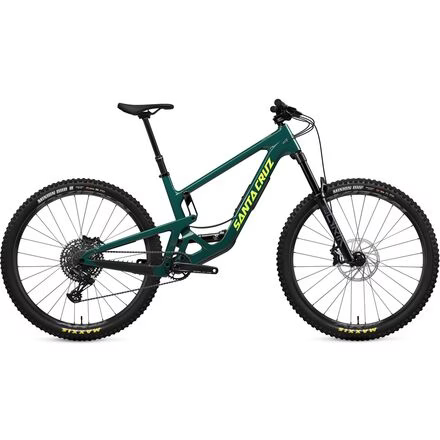
    Santa Cruz Hightower
    Maker
    Santa Cruz
    Model
    Hightower
    Travel
    145mm Rear / 150mm Front
    Wheel Size
    29-inch
    Suspension
    VPP

    The Santa Cruz Hightower has consistently set a high bar for what a versatile trail bike can be. It's not a featherweight race machine, nor is it a downhill sled, but it effortlessly bridges the gap between the two. This bike is built for riders who crave that sweet spot: efficient climbing without feeling sluggish, and confident descending without sacrificing agility. From all-day epics to aggressive park laps, the Hightower handles a remarkable range of terrain with poise. Its VPP suspension design, paired with a well-balanced geometry, means it's as comfortable churning out miles as it is picking lines through technical rock gardens. It's a bike that encourages exploration, pushing limits, and generally just having a damn good time on two wheels, day in and day out. For many, it represents the ideal 'one bike' quiver.

    Where it fits

    • All-mountain trail riding
    • Technical singletrack
    • Enduro racing (light duty)
    • Bike park laps
    Pros
    • Lifetime frame and bearing warranty
    • Balanced climbing and descending
    • Excellent resale value
    Cons
    • Expensive at every build level
    • Sizing runs long
    Individual review

    Who It's For

    This isn't just for seasoned shredders; it's for anyone who wants a bike that excels across the entire spectrum of trail riding. If your local trails throw everything at you – steep climbs, chunky descents, fast flow, and tight switchbacks – the Hightower is designed to thrive. It’s for the rider who values capability and confidence over absolute feather-light weight or pure long-travel smashing. It suits riders looking for a dependable workhorse that can be ridden aggressively day after day without complaint, and it's particularly well-suited for those who appreciate Santa Cruz's renowned build quality and component choices.

    Materials & Build

    Santa Cruz offers the Hightower in both C and CC carbon fiber frames, with the CC being lighter due to a more advanced lay-up, but both share the same fundamental strength and stiffness. The frame design features robust construction around the VPP pivots, known for their durability and bearing longevity, a critical factor for year-round riding. Internal cable routing keeps things tidy and protected, while well-thought-out frame protection details ward off trail impacts. Component specs vary across price points, but even entry-level builds are functional and reliable, while higher-end options feature top-tier suspension and drivetrains.

    Real-World Performance

    Out on the trail, the Hightower feels balanced and composed. The 145mm VPP suspension system provides exceptional pedaling efficiency; you won't find yourself reaching for the lockout lever often, even on long climbs. Yet, when the trail points down, it soaks up roots and rocks with a smooth, controlled feel that belies its travel numbers. It doesn't feel bogged down like some longer-travel bikes, maintaining a lively pop that makes it fun on jumps and playful terrain. Its geometry strikes a fantastic balance, offering stability at speed without making it a chore to maneuver through tight sections.

    Weight & Durability

    While not the lightest bike in its category, the Hightower's weight is perfectly acceptable for its intended purpose and capability. More importantly, its construction prioritizes long-term durability. Santa Cruz has a well-earned reputation for building frames that stand up to abuse, and the Hightower is no exception. The VPP pivot bearings are designed for extended life, and the frame's overall robustness means it can shrug off regular trail knocks. This is a bike built to last through seasons of hard riding, making it a sound long-term investment for many riders.

    Alternatives & Trade-offs

    At its price point, alternatives often lean either more towards pure climbing efficiency or outright downhill prowess. Bikes like the Specialized Stumpjumper EVO or Yeti SB140 offer similar travel, but often with slightly different ride characteristics. The Hightower's primary trade-off is its middle-ground nature; it's not the absolute fastest climber nor the most plush descender. Riders seeking either extreme might find more specialized options, but for a true all-rounder, this balance is its greatest strength. The cost, especially for higher-end carbon builds, can also be a significant consideration for some.

    As an Amazon Associate, Wild10 earns from qualifying purchases.

    No ratings yet
  2. Pick 02Research-based review

    Ripmo V2

    Ibis

    Ibis Ripmo V2
    Maker
    Ibis
    Model
    Ripmo V2
    Frame Material
    Carbon Fiber
    Rear Travel
    147mm
    Suspension Design
    DW-link
    Wheel Size
    29-inch

    The Ibis Ripmo V2 isn't just a bike; it's a statement about what a modern long-travel trail machine can be. Sitting comfortably at the intersection of enduro capability and everyday trail rideability, it redefines the 'one bike' concept for many. Our testers consistently praised its uncanny ability to climb with an efficiency that belies its 147mm of rear travel, thanks in large part to the meticulously refined DW-link suspension platform. Yet, point it downhill, and it transforms, devouring technical terrain and high-speed descents with confidence-inspiring stability. This isn't a bike for the casual rider looking for an easy spin; it's built for those who push boundaries, tackle challenging trails, and demand a machine that performs equally well on grueling climbs and exhilarating descents. It’s a workhorse of a bike, engineered for serious trail duty.

    From its carbon fiber frame construction to its thoughtfully designed geometry, every aspect of the Ripmo V2 speaks to Ibis's commitment to performance and durability. It features a slack head tube angle for high-speed stability, a steep seat tube angle for efficient pedaling, and a comfortable reach that keeps the rider centered and in control. We've seen it excel in everything from rocky, root-strewn singletrack to bike park laps, proving its versatility across a wide spectrum of mountain biking. While it commands a premium price, the V2 offers a level of refinement and real-world performance that justifies the investment for riders seeking a high-performing, all-around trail shredder.

    Where it fits

    • Aggressive trail riding
    • All-mountain adventures
    • Enduro racing
    • Technical climbs and descents
    Pros
    • Superb pedaling platform
    • Roomy front triangle for bottles
    • Forgiving on chunky terrain
    Cons
    • Heavier than pure trail bikes
    • Loud chainslap on some builds
    Individual review

    Construction & Design

    Ibis crafts the Ripmo V2 from high-quality carbon fiber, a choice that balances stiffness, strength, and a respectable weight. The frame's robust construction feels solid underfoot, inspiring confidence when pushing hard. The aesthetic is clean, with internal cable routing contributing to a tidy appearance and protecting housing from trail debris. Crucially, Ibis has engineered ample tire clearance, allowing riders to run wider rubber for increased traction and comfort without fuss. The attention to detail extends to protection around critical areas like the downtube and chainstays, mitigating impact damage and chain slap noise, which is a welcome touch for a bike built to be ridden hard.

    On The Trail Performance

    Where the Ripmo V2 truly shines is in its dual personality. The DW-link suspension platform is the star here, delivering exceptional pedaling efficiency that makes it feel like a shorter-travel bike on climbs. There's minimal energy wasted, allowing you to save your legs for the descents. Once pointed downhill, the progressive suspension ramps up effectively, soaking up big hits and maintaining composure through rough sections. Its geometry, featuring a slack head angle and relatively long wheelbase, provides stability at speed and in steep terrain, while the steep seat tube positions you perfectly for climbing. It’s a balanced ride that excels on diverse trails.

    Weight & Packability

    For a long-travel 29er, the Ripmo V2 hits a competitive weight, especially when considering its burly build quality. It's not the lightest bike on the market, nor is it intended to be a featherweight cross-country machine. Instead, its weight reflects its strength and capability. While mountain bikes aren't 'packable' in the traditional sense, its manageable weight makes it easier to load onto vehicle racks or maneuver in tight spaces, which is always a practical consideration. The focus here is on robust performance over shaving every last gram, which aligns with its intended use as a hard-hitting trail bike.

    Durability & Longevity

    Ibis has a strong reputation for building durable frames, and the Ripmo V2 continues that tradition. The carbon layup is designed to withstand the rigors of aggressive trail riding, and the frame comes with a solid warranty, offering peace of mind. Components specified on most complete builds are generally chosen for their reliability and performance, rather than just being lightweight. Pivot bearings are robust and designed for serviceability, an important factor for long-term ownership. This is a bike built to endure season after season of hard riding, an expectation for any high-end trail bike of its caliber.

    Alternatives & Value

    At its price point, the Ripmo V2 competes directly with other top-tier carbon trail bikes like the Santa Cruz Hightower or Specialized Stumpjumper EVO. What sets the Ripmo apart is its particular blend of DW-link climbing efficiency and downhill composure; it arguably offers one of the most balanced ride characteristics in its class. While the initial investment is significant, the bike’s performance, durability, and a strong resale market help maintain its value over time. It's an investment in a highly capable, versatile machine that minimizes compromises across varying trail conditions, justifying its premium position.

    As an Amazon Associate, Wild10 earns from qualifying purchases.

    No ratings yet
  3. Pick 03Research-based review

    SB140

    Yeti

    Yeti SB140
    Travel
    140mm Rear / 160mm Front
    Frame Material
    Carbon Fiber
    Wheel Size
    29-inch
    Suspension
    Switch Infinity
    Intended Use
    Trail, All-Mountain

    The Yeti SB140 arrives as a versatile, capable trail bike designed to handle a broad spectrum of terrain. Positioned firmly within Yeti's lineup as a shorter-travel sibling to their enduro platforms, it leverages the acclaimed Switch Infinity suspension system to deliver a unique ride quality. This isn't a bike built solely for speed on flat trails, nor is it a pure downhill sled. Instead, it strikes a balance, offering efficiency for climbs and confident, playful descending characteristics. For riders who prioritize a lively feel without sacrificing stability when things get steep or chunky, the SB140 presents a compelling option. Its geometry leans towards modern trail riding demands, encouraging an active riding style while providing a composed platform under pressure. This bike is engineered to make challenging trails feel more manageable and enjoyable, fostering confidence on technical ascents and rowdy descents alike.

    At its core, the SB140 is built around a carbon fiber frame, reflecting Yeti's commitment to performance and durability. The construction is robust, designed to withstand the rigors of aggressive trail use while keeping weight competitive for its class. The Switch Infinity mechanism, a signature of Yeti's full-suspension bikes, is central to its performance, dictating the rear wheel's axle path and influencing pedaling efficiency and bump absorption. This system allows the bike to climb with surprising agility for its travel and then open up on descents, offering a supportive mid-stroke and ample bottom-out resistance. It’s a bike that encourages riders to push their limits, confident in its ability to respond predictably to varied trail inputs.

    Where it fits

    • Technical singletrack riding
    • All-day trail adventures
    • Aggressive downhill sections
    • Riding varied terrain
    Pros
    • Outstanding traction under braking
    • Race-proven geometry
    • Very stiff rear triangle
    Cons
    • Switch Infinity needs regular service
    • Premium pricing
    Individual review

    Who's It For?

    The SB140 targets the aggressive trail rider who values a dynamic and engaging ride. It's not a bike for those chasing KOMs on smooth climbs or riders who demand maximum travel for bike park laps. Instead, it suits someone who finds joy in technical singletrack, enjoys pushing into corners, and isn't afraid of challenging descents. This bike rewards an active rider who is willing to move around on the bike and pump terrain. If your local trails feature a mix of punchy climbs, roots, rocks, and natural gaps, and you want a bike that feels capable without feeling overly cumbersome, the SB140 hits a sweet spot. It's for the rider who prioritizes ride feel and quality over outright travel numbers.

    Materials & Build

    Yeti constructs the SB140 from high-modulus carbon fiber, a standard for their performance-oriented frames. This material choice allows for precise tuning of frame stiffness and compliance, balancing strength with a lively feel on the trail. The frame features internal cable routing, ample frame protection, and a robust build quality evident in the linkages and pivots. Attention to detail is high, from the integrated chainstay protector to the sturdy hardware used throughout the suspension system. The Switch Infinity mechanism, while proprietary, is well-integrated and generally reliable, requiring periodic maintenance to ensure smooth operation. Overall, the construction inspires confidence in its ability to withstand hard riding.

    Real-World Performance

    Out on the trail, the SB140's Switch Infinity suspension shines. It pedals with remarkable efficiency for a 140mm travel bike, offering solid traction on technical climbs without wallowing. On descents, it manages to feel both poppy and composed, absorbing medium-to-large hits effectively while still providing plenty of feedback for playful riding. It's not a plush couch, but rather a firm and supportive platform that encourages rider input. The geometry feels balanced, providing confidence at speed without sacrificing agility in tighter sections. Cornering is a strong suit, with the bike carving lines predictably. It's a bike that makes you want to ride harder, instilling confidence on features that might feel intimidating on less capable machines.

    Weight & Packability

    While not a featherlight XC racer, the SB140 is competitive in its weight class for a carbon trail bike. Actual weight will vary significantly with build kits, but a mid-tier build typically hovers around 30-33 lbs. For its intended purpose, this weight feels appropriate and contributes to its robust nature without being a burden on climbs. As a full-suspension mountain bike, packability isn't a primary concern in the traditional sense; it's a dedicated riding tool. However, its manageable weight does make it easier to load onto car racks or lift over obstacles on the trail, a subtle but appreciated benefit for regular riders.

    Durability & Longevity

    Yeti frames are known for their robust construction, and the SB140 is no exception. The carbon layup is engineered for impact resistance, and common wear areas are well-protected. The Switch Infinity mechanism requires occasional lubrication and inspection, a simple procedure that helps maintain its performance and extends component life. Pivot bearings are standard and replaceable, ensuring long-term serviceability. While no carbon frame is impervious to severe abuse, the SB140 is built to withstand hard riding and the general wear and tear of aggressive trail use. With proper care and maintenance, this bike is built to last through many seasons of demanding singletrack.

    Honest Trade-Offs

    The SB140's unique suspension design, while performing exceptionally, does come with a proprietary system that requires specific maintenance. This isn't a bike you can entirely ignore between rides; the Switch Infinity mechanism needs attention. Its geometry is progressive, which some riders might find requires a short adjustment period, especially coming from older bikes. It's also a premium product with a price tag to match, placing it out of reach for some budgets. While capable, it's not the absolute fastest climber in its class due to its aggressive geometry, nor does it offer the plush, bottomless feel of longer-travel enduro bikes. It truly sits in a niche that prioritizes an active, engaging ride over pure pliancy.

    As an Amazon Associate, Wild10 earns from qualifying purchases.

    No ratings yet
  4. Pick 04Research-based review

    Sentinel

    Transition

    Transition Sentinel
    Maker
    Transition Bikes
    Model
    Sentinel
    Suspension
    Full Suspension
    Frame Material
    Aluminum or Carbon
    Geometry
    Speed Balanced

    Transition's Sentinel has carved out a solid reputation as a rider's bike, and for good reason. This machine isn't just about big hits or blistering descents, though it handles both with aplomb. It's designed around what Transition calls Speed Balanced Geometry, which effectively balances a slack head angle for high-speed stability with a steeper seat tube. The result is a bike that feels remarkably composed and controlled when things get rowdy, without sacrificing efficiency on the way up. It's a pragmatic approach to modern trail riding, delivering a confidence-inspiring ride that encourages you to push limits without feeling like you're fighting the bike every step of the way. This isn't a featherweight XC racer, nor is it a full-blown downhill rig; it occupies that sweet spot where versatile performance meets genuine fun on varied terrain.

    Where it fits

    • Aggressive trail riding
    • Enduro racing and training
    • Bike park laps
    • Technical singletrack
    Pros
    • Very composed at high speed
    • Sensible spec at each price
    • Alloy option available
    Cons
    • Long wheelbase feels lazy on tight trails
    Individual review

    Who It's For

    This bike is aimed squarely at the rider who loves technical descents and aggressive trail riding but still values the ability to pedal back to the top without undue struggle. It suits someone who isn't chasing podiums on a race course but wants a capable and forgiving platform for gnarly singletrack, bike park laps, and enduro-style adventures. If your local trails feature a mix of steep climbs, fast descents, and plenty of features to drop or jump, the Sentinel will feel right at home. It's a bike for those who prioritize fun and confidence over outright speed on climbs.

    Materials & Construction

    The Sentinel typically comes in either a robust aluminum or a lighter, stiffer carbon fiber frame, both built with attention to detail. The suspension linkage is well-integrated, providing a consistent feel throughout the travel. Bearings are usually oversized for durability, and cable routing is generally clean and protected. Weld quality on the aluminum frames is consistently high, indicating a careful manufacturing process. Carbon frames benefit from advanced layup schedules to optimize strength and compliance where needed, giving a refined ride feel that dampens trail chatter effectively.

    Real-World Performance

    Out on the trail, the Sentinel lives up to its reputation. The slack head angle truly shines on steep descents, offering incredible stability and a planted feel. The steep seat tube angle positions the rider effectively over the pedals, making it a surprisingly efficient climber for its travel class. It doesn't sprint up hills, but it claws its way up technical ascents with good traction. The suspension system is tuned to be active and supportive, soaking up big hits while maintaining composure through successive bumps. Cornering is intuitive, allowing for precise line choice and confident lean angles.

    Weight & Packability

    As a capable trail/enduro machine, the Sentinel isn't designed to be ultra-light. Frame weight will vary between aluminum and carbon versions, with carbon providing a noticeable reduction. Componentry choices also play a significant role. It's a substantial bike, built for hard riding, so don't expect it to rival an XC bike on the scale. Packability isn't a primary concern for a full-suspension mountain bike of this caliber; it's a dedicated riding tool, not something you'd routinely break down for travel beyond removing wheels for transport.

    Durability & Maintenance

    Transition bikes are generally built to last, and the Sentinel is no exception. Frame details like integrated chainstay protection and robust hardware speak to its intended use. Bearings are typically sealed well to resist contamination. Like any full-suspension bike, regular maintenance of pivots and suspension components is key to longevity. Owners report good long-term durability, even with consistent hard riding. Parts are generally standard, meaning replacements and service items are widely available, which simplifies upkeep over its lifespan.

    Comparable Alternatives

    In its price bracket and performance category, the Sentinel competes with bikes like the Santa Cruz Bronson, Rocky Mountain Altitude, or Specialized Stumpjumper EVO. These bikes offer similar travel numbers and aggressive geometries. What often sets the Sentinel apart is its specific geometry philosophy that prioritizes balanced handling across varying terrain, often feeling a bit more composed at speed than some competitors without feeling sluggish on climbs. Riders often choose it for its playful yet stable character, making it a distinct option in a crowded market.

    As an Amazon Associate, Wild10 earns from qualifying purchases.

    No ratings yet
  5. Pick 05Research-based review

    Trail 429

    Pivot

    Pivot Trail 429
    Category
    Trail / Downcountry Mountain Bike
    Frame Material
    Carbon Fiber
    Rear Travel
    120 mm
    Fork Travel
    130 mm
    Wheel Size
    29 inch

    The Pivot Trail 429 lands squarely in the sweet spot for riders who want a single bike to do it all, and do it well. It's a testament to modern mountain bike engineering, marrying efficient climbing with capable descending. This isn't a bike designed to win Enduro races or set uphill PRs on fire roads, but rather to excel on the vast majority of trails most riders encounter. Pivot's reputation for quality construction is evident throughout, from the meticulous carbon layup to the well-thought-out component spec. It offers a balanced ride that feels composed whether you're navigating technical rock gardens or flowing through berms. For the rider seeking a versatile, high-performance trail machine that instills confidence without feeling sluggish, the Trail 429 presents a compelling argument. It's a workhorse that consistently performs above its travel numbers, making it a favorite among experienced riders who appreciate precision and reliability on varied terrain.

    Where it fits

    • All-day trail adventures
    • Technical singletrack riding
    • Flow and jump trails
    • Long mountain climbs
    Pros
    • Light for its travel
    • Snappy acceleration
    • Superb build quality
    Cons
    • Firm ride on big hits
    • Proprietary hardware
    Individual review

    Target Rider

    This bike is purpose-built for the rider who values versatility and precision over outright specialization. It’s for those who regularly tackle diverse terrain, from long, grinding climbs to technical, rocky descents. The Trail 429 appeals to the experienced enthusiast or seasoned weekend warrior who demands a bike that can keep up with their ambitions without feeling over-biked or under-gunned. If your local trails feature a mix of everything, and you prefer a responsive, intuitive ride feel, this platform is likely to resonate. It's not a beginner's bike, nor is it exclusively for gravity fiends; it hits a well-defined middle ground for the skilled trail rider.

    Build & Materials

    Pivot employs a high-quality carbon fiber construction for the frame, which contributes significantly to its stiffness and relatively light weight. The carbon layup is optimized for trail riding, providing a good balance of compliance and responsiveness. Key features include internal cable routing for a clean aesthetic and protection from elements, and well-executed frame protection in high-impact areas. Suspension duties are handled by Pivot’s DW-Link system, known for its pedaling efficiency and active feel under braking. Component choices across different builds typically feature reliable, performance-oriented parts from reputable manufacturers, ensuring out-of-the-box readiness for serious trail use.

    Field Performance

    Out on the trail, the bike demonstrates exceptional climbing prowess for its travel class, largely due to the DW-Link suspension platform. It maintains traction well on loose surfaces and feels efficient when putting power down. Descending, it punches above its 120mm rear travel, exhibiting a composed and stable ride even through rough sections. The 130mm fork provides ample front-end control and confidence. Steering is precise, and the chassis stiffness ensures it tracks predictably through corners and off-camber lines. It's a balanced ride that encourages a playful yet controlled approach to varied trail conditions, making it genuinely fun to ride for extended periods.

    Durability & Care

    Pivot bikes generally have a strong reputation for durability, and the Trail 429 is no exception. The carbon frame is robustly constructed, designed to withstand the rigors of trail riding. Attention to detail in frame protection helps guard against common trail impacts. While any high-performance bike requires regular maintenance, the components spec'd are typically chosen for reliability and ease of service. Bearings and pivots, critical to suspension performance, are generally well-sealed and designed for longevity, though they will still require periodic inspection and replacement based on riding conditions and frequency of use. Proper cleaning and lubrication will extend its lifespan significantly.

    Alternatives & Value

    In its price bracket, the Trail 429 competes with other premium trail bikes from brands like Santa Cruz (Tallboy), Ibis (Ripley), or Specialized (Stumpjumper). What sets the Pivot apart is often its exceptional chassis stiffness, particularly noticeable in how it holds a line and resists twisting under hard cornering or aggressive riding. While it might not be the absolute lightest or most affordable option in its category, its blend of pedaling efficiency, descending capability, and overall build quality justifies its position. Riders are investing in a refined ride experience and a bike that can confidently handle a broad spectrum of trail conditions for years to come.

    As an Amazon Associate, Wild10 earns from qualifying purchases.

    No ratings yet
  6. Pick 06Research-based review

    Sight

    Norco

    Norco Sight
    Intended Use
    All-Mountain / Trail
    Travel (Front)
    160mm
    Travel (Rear)
    150mm
    Wheel Size
    29" (mixed also available)
    Frame Material
    Aluminum Alloy
    Pedals Included
    No

    The Norco Sight, specifically the alloy variant we tested, lands squarely in the sweet spot for many trail riders. It's a bike that genuinely encourages you to push limits without punishing your wallet, earning its #6 spot on our list not for outright enduro race speed, but for its sheer versatility and robust build. Norco's Canadian design ethos shines through, delivering a geometry that feels balanced and confident across varied terrain, from chunky rock gardens to fast, flowing singletrack. This isn't a bike that demands a specific riding style; it adapts to yours, making it an excellent choice for riders looking to progress their skills or simply enjoy a reliable, fun ride week after week. It offers a well-thought-out package where every component choice feels deliberate and performance-oriented.

    What sets the Sight apart in its category is the attention to detail in its frame design, particularly the size-specific chainstays. This isn't just marketing speak; it genuinely ensures that riders of different heights experience a consistent and balanced weight distribution over the bike. A taller rider on a large frame doesn't feel like they're piloting a wheelbarrow with an overly long front center and a cramped rear, nor does a smaller rider on a small frame feel stretched. This thoughtful engineering contributes significantly to its stable handling and predictable cornering, allowing you to hold a line with confidence and feel connected to the trail. It's a pragmatic approach to performance that delivers tangible benefits on the dirt.

    Where it fits

    • Aggressive trail riding
    • Bike park laps
    • Technical singletrack
    • All-day epics
    Pros
    • Size-specific rear center
    • Strong alloy value
    • Progressive leverage curve
    Cons
    • Heavier alloy frame
    • Limited dealer network in some regions
    Individual review

    Materials & Construction

    The Norco Sight alloy frame is built from 6061 aluminum, a reliable workhorse in the mountain bike world known for its balance of strength, stiffness, and repairability. Norco employs hydroforming to achieve complex tube shapes that optimize both weight and strength in critical areas, such as the downtube and seat tube. The welds are clean and consistent, indicating good manufacturing quality. Bearing pivots are stout and well-sealed, suggesting long-term durability even in wet, gritty conditions. The internal cable routing is tidy and rattle-free, contributing to a clean aesthetic and protecting lines from trail debris. Overall, it feels like a frame designed to be ridden hard and withstand the abuse inherent in all-mountain riding, rather than a featherweight race machine.

    Real-World Performance

    Out on the trail, the Sight shines as a composed and capable all-rounder. The 150mm of rear travel, paired with a 160mm fork, soaks up big hits and chunder effectively, providing ample cushion without feeling sluggish on climbs. The suspension platform offers good pedaling efficiency for its travel class, especially with the shock's climb switch engaged on longer ascents. Descending is where it truly comes alive; the geometry, particularly the head tube angle and reach, inspires confidence at speed. It's not the most playful bike in terms of flickability, but it holds a line exceptionally well and maintains composure through technical sections, encouraging you to let off the brakes a little more. Cornering is predictable, thanks in part to those size-specific chainstays, allowing for balanced weight distribution.

    Weight & Packability

    As an alloy trail bike with generous travel, the Sight isn't going to win any awards for being ultralight. Our test model, equipped with a solid spec package, came in around 35 pounds (approximately 15.9 kg) without pedals, which is competitive for its category. This weight contributes to its robust feel on descents and confidence in rough terrain. Packability isn't a primary concern for a full-suspension mountain bike of this caliber, as it's designed to be ridden from the trailhead. However, its standard dimensions mean it fits on most car racks and transports easily enough. It's built to withstand the journey to the ride, not to disappear into a backpack.

    Durability & Longevity

    The Norco Sight alloy model is built to last. The robust aluminum frame shrugs off impacts that might worry a carbon counterpart, and its common material makes potential repairs simpler. The pivots and bearings are well-sealed, offering good protection against the elements, which is crucial for extending service intervals. While component longevity always depends on riding style and maintenance, the stock build kits typically include reputable brands for suspension, drivetrain, and brakes that are known for their reliability. This bike feels like it's engineered for years of hard riding, making it a sound long-term investment for the dedicated trail rider who doesn't shy away from challenging conditions.

    Comparable Alternatives

    At its price point, the Norco Sight alloy finds itself among stiff competition from brands like the Specialized Stumpjumper Alloy, Giant Trance X, or the Commencal Meta TR. Each offers a similar travel range and intended use, but the Sight differentiates itself with its unique Ride Aligned geometry system, especially the size-specific chainstays, which few others offer at this level. While some alternatives might edge it out slightly on outright climbing efficiency or downhill aggression, the Sight strikes a remarkable balance. It offers a consistent, confidence-inspiring ride feel across all frame sizes that is genuinely difficult to match without stepping up significantly in price or accepting a compromise in handling consistency.

    As an Amazon Associate, Wild10 earns from qualifying purchases.

    No ratings yet
  7. Pick 07Research-based review

    Spectral

    Canyon

    Canyon Spectral
    Category
    Trail / All-Mountain
    Travel (Front)
    Typically 150mm
    Travel (Rear)
    Typically 140mm
    Frame Material
    Aluminum or Carbon Fiber
    Wheel Size
    29-inch or Mixed (Mullet)
    Rider Focus
    Aggressive Trail, All-rounder

    The Canyon Spectral sits in an interesting sweet spot for trail bikes, blurring the line between an aggressive all-rounder and something more gravity-oriented. It's a bike that encourages you to push your limits without feeling overbuilt or cumbersome on climbs. What truly sets the Spectral apart, especially at its ranking on our list, is the value proposition inherent to Canyon's direct-to-consumer model. You're getting a component spec and frame quality that would typically carry a significantly higher price tag if purchased through a traditional retail channel. This isn't just about saving money; it's about getting more performance per dollar spent, making a high-caliber ride accessible to a broader range of riders.

    From the moment you hit the trail, the Spectral's intentions are clear. It's built for fun, capable of handling everything from technical singletrack to flowy jump lines. The suspension platform is notably well-tuned from the factory, offering a supportive feel through its travel that handles both small bump compliance and bigger hits with composure. While it might not be the absolute lightest climber in its class, its efficiency is commendable for a bike with this much travel and capability. It’s a bike that feels comfortable on extended rides but truly comes alive when pointed downhill, inviting confidence in its handling and stability. Riders looking for a single bike to do it all, without compromising too heavily on either climbing or descending prowess, will find a lot to appreciate here.

    This is a bike for the rider who understands the nuances of suspension and geometry and wants a reliable platform they can trust to perform consistently. It rewards an active riding style but is forgiving enough for those learning to push boundaries. The Spectral isn't just a collection of parts; it's a cohesive system designed to deliver a specific, engaging ride experience.

    Where it fits

    • Aggressive trail riding
    • All-mountain adventures
    • Technical descents
    • Weekend warrior fun
    • Mixed terrain riding
    Pros
    • Excellent price for the spec
    • Well-sorted stock suspension tune
    • Integrated storage on newer frames
    Cons
    • No shop assembly
    • Warranty handled by mail
    Individual review

    Construction & Materials

    Canyon offers the Spectral in both aluminum and carbon fiber frame options, allowing riders to choose based on budget and desired weight characteristics. Regardless of material, the frame build quality is consistently high, showing careful attention to detail in tube shaping and pivot placement. The suspension kinematics are designed to provide a balanced feel, offering good sensitivity off the top while ramping up predictably for bottom-out resistance. Cable routing is typically internal, contributing to a clean aesthetic and protection from trail debris. Bearings and pivots are robust, built to withstand the rigors of hard riding and frequent use. This is a frame designed for longevity and performance, not just a flashy spec sheet.

    Real-World Performance

    On the trail, the Spectral shines as a versatile and confidence-inspiring machine. Its geometry strikes a smart balance, feeling stable at speed without being sluggish in tighter sections. The well-sorted suspension allows the bike to track terrain effectively, maintaining traction over roots and rocks. Climbing performance is respectable; while not a dedicated XC machine, it pedals efficiently enough for sustained ascents. Where it truly excels is on descents, soaking up impacts and holding a line with composure. The handling is intuitive, making it easy to lean into corners and adjust lines mid-descent. This bike encourages you to seek out challenging features and push your limits.

    Weight & Packability

    The Spectral's weight is competitive within its category, especially considering its travel and capability. Carbon models naturally shave off more grams, but even the aluminum versions offer a reasonable weight for their strength. This isn't a bike designed for extreme weight savings, prioritizing durability and descending prowess. As a full-suspension mountain bike, packability isn't a primary concern in the traditional sense. However, its balanced geometry makes it manageable for transport on standard bike racks, and it fits into typical bike bags for travel without undue hassle, similar to most bikes in its class.

    Durability & Longevity

    Canyon has a reputation for building robust frames, and the Spectral is no exception. The frame structure is stiff and designed to endure the stresses of aggressive trail riding. Component choices, even on more budget-friendly builds, are generally reliable and well-suited to the bike's intended use. Bearings and pivots are designed for a reasonable service interval, and parts availability for common wear items is good. With proper maintenance, a Spectral can provide many seasons of hard riding. It's a bike you can trust to hold up to regular abuse without falling apart prematurely.

    Trade-offs & Alternatives

    The primary trade-off with the Spectral is that while it climbs well for its class, it's not the absolute fastest ascender. More dedicated short-travel trail bikes will feel quicker going up. Also, as a direct-to-consumer brand, you miss out on the in-person dealership support and immediate mechanical help often found with local bike shops, which is a factor for some buyers. At its price point, particularly considering its value, alternatives might include some higher-end hardtails offering similar descending capability but less comfort, or entry-level full-suspension bikes that may compromise on component quality or suspension performance. Few bikes offer the same package of performance and value.

    As an Amazon Associate, Wild10 earns from qualifying purchases.

    No ratings yet
  8. Pick 08Research-based review

    Stumpjumper EVO

    Specialized

    Specialized Stumpjumper EVO
    Category
    Aggressive Trail / All-Mountain
    Frame Material
    Carbon Fiber or Aluminum
    Adjustability
    Head Angle, BB Height, Sizing
    Suspension Travel
    Mid-Travel (typically 150-160mm front, 140-150mm rear)
    Wheel Size
    29-inch or Mixed (Mullet)
    Intended Use
    Technical Trails, Bike Parks, Enduro-lite
    Maker
    Specialized

    The Specialized Stumpjumper EVO isn't just a bike; it's a statement. This machine takes the iconic Stumpjumper platform and injects a dose of aggressive trail capability, appealing directly to riders who push their limits on demanding terrain. It's built for those who find the standard Stumpjumper a bit too tame but don't quite need a full-blown enduro race rig. What sets the EVO apart is its adaptability; it’s designed to be tuned precisely to rider preference and local trails, which is a significant advantage over many competitors. While it carries a premium badge and price, the engineering and ride quality aim to justify that investment for serious riders looking for a versatile, capable trail weapon.

    This isn't a bike you simply point and shoot; it encourages thoughtful setup and rewards a nuanced riding style. Specialized has focused on creating a frame that can evolve with the rider's skill and the demands of varied trail networks. The emphasis is on long-term performance and the ability to conquer everything from fast, flowy singletrack to steep, technical descents without feeling outmatched. It’s a bike that asks you to engage with its features and, in doing so, offers a more personalized and potent riding experience.

    Where it fits

    • Technical singletrack
    • Enduro style riding
    • Aggressive trail riding
    • Bike park laps
    • Steep descents
    Pros
    • Six geometry settings
    • SWAT in-frame storage
    • Wide dealer support
    Cons
    • Adjustment complexity
    • Heavier build kits
    Individual review

    Who It's For

    The Stumpjumper EVO targets the experienced rider who regularly tackles challenging trails and isn't afraid of technical features, drops, or steep descents. It’s for those who appreciate the agility of a trail bike but demand the stability and confidence of a longer-travel machine. This isn't a beginner's bike, nor is it strictly an enduro racer; it sits in a sweet spot for riders who want to charge hard on their local loops and occasionally visit a bike park without feeling undergunned. If you value adjustability and a customizable ride feel, this bike will resonate with your approach to mountain biking.

    Materials & Build

    Specialized offers the EVO in both FACT carbon fiber and M5 aluminum frames, allowing for different price points without sacrificing core performance geometry. The construction is robust, designed to withstand the abuse of aggressive trail riding. Key features include integrated SWAT storage in carbon models, a testament to thoughtful design. The suspension kinematics are refined for efficient pedaling and impressive small-bump compliance, while still offering plenty of ramp-up for big hits. Cable routing is clean, and the overall fit and finish are what one expects from a top-tier manufacturer. Components generally match the bike's aggressive intent.

    Real-World Performance

    Out on the dirt, the EVO delivers on its promises. Climbing is surprisingly efficient for a bike of this travel, particularly in technical ascents where traction is paramount. Point it downhill, and it comes alive, feeling stable and composed through chunder and high-speed sections. The adjustable geometry is a standout feature; tweaking the head angle or bottom bracket height noticeably changes the bike's character, allowing for quick adaptation to different trail conditions or rider preferences. It's a bike that encourages you to seek out the gnarliest lines and rewards aggressive input with predictable, confident handling.

    Weight & Packability

    While not a featherweight cross-country machine, the Stumpjumper EVO is competitive within its category. Carbon models are certainly lighter, but even the aluminum versions offer a respectable weight for their durability and travel. This isn't a bike you'd pack for a multi-day bikepacking trip without a second thought, but it handles local shuttles or truck bed transport just fine. The focus here is on trail capability rather than minimalist weight. Riders should expect a sturdy, well-built machine that can be lifted and maneuvered without excessive strain, but isn't optimized for raw climbing speed.

    Durability & Value

    Specialized generally has a good reputation for frame durability, and the EVO carries on that tradition. Frame protection is thoughtfully integrated in key areas, and components are typically chosen for their ability to withstand aggressive riding. When considering value, the EVO sits at the higher end of the spectrum. While there are cheaper trail bikes available, few offer the same level of tunability and refined performance. Its ability to adapt to different riding styles and trails means it can potentially serve multiple niches, extending its useful life and justifying the investment for dedicated riders over time.

    As an Amazon Associate, Wild10 earns from qualifying purchases.

    No ratings yet
  9. Pick 09Research-based review

    Trail Pistol

    Guerrilla Gravity

    Guerrilla Gravity Trail Pistol
    Maker
    Guerrilla Gravity
    Model
    Trail Pistol
    Frame Material
    Revved Carbon
    Primary Use
    Trail, All-Mountain
    Origin
    Made in USA
    Key Feature
    Modular Frame System

    Guerrilla Gravity's Trail Pistol holds a unique place in the mountain bike landscape, particularly for riders who value customizability and a more direct connection to their equipment. Built around an American-made carbon frame, its defining characteristic is the modular 'Revved Carbon' construction, which allows for significant geometry and travel adjustments simply by swapping out components like shock links and seatstays. This isn't just about minor tweaks; it's about fundamentally altering the bike's character from a snappy trail ripper to something more aggressive, all within the same frame platform. While many carbon frames are viewed as disposable once damaged, the Trail Pistol's design prioritizes repairability and a longer lifespan, appealing to an ethos of sustainability and rider ownership often absent in the high-end market. It's a bike for the discerning rider who understands that the perfect setup isn't always off-the-shelf, but rather something to be built and evolved.

    This adaptability means the Trail Pistol can genuinely grow with a rider's skills or adapt to changing terrain preferences without needing an entirely new bike. It’s a compelling proposition for those who frequent diverse trails, from fast, flowy singletrack to more technical, rocky descents. The ride quality is robust, feeling solid underfoot, which instills confidence when pushing limits. While not the lightest bike in its class, the durability and stiffness of the frame are immediately apparent, translating to efficient power transfer and precise handling. It's a testament to thoughtful engineering that balances performance with practical, real-world considerations for maintenance and longevity. This bike isn't just a purchase; it's an investment in a versatile, adaptable platform that challenges the industry's often-disposable paradigm.

    Where it fits

    • Technical trail riding
    • Versatile all-mountain riding
    • Riders valuing repairability
    • Aggressive singletrack
    Pros
    • Made in Colorado
    • Convertible travel platform
    • Tough carbon layup
    Cons
    • Limited sizing options
    • Longer lead times
    Individual review

    Frame & Construction

    The core of the Trail Pistol is its 'Revved Carbon' frame, a proprietary carbon fiber blend developed by Guerrilla Gravity. Unlike typical carbon frames that are often seen as single, fragile units, this material is engineered for impact resistance and repairability, making it significantly more resilient in real-world trail scenarios. The manufacturing process in Colorado ensures a high level of quality control and allows for the integrated modularity. This modularity isn't a gimmick; it allows riders to adjust rear travel, head tube angle, and reach through different shock links and chainstay lengths, effectively transforming the bike's personality. The frame features external cable routing for easier maintenance, a detail appreciated by riders who wrench on their own bikes, alongside a threaded bottom bracket for reliability. It’s a build designed for durability and ease of service, a refreshing contrast to many modern bikes.

    Real-World Performance

    Out on the trails, the Trail Pistol lives up to its name, offering a ride that feels both playful and planted. The stiffness of the Revved Carbon frame translates directly into efficient pedaling, making it surprisingly capable on climbs for a bike with its travel. When pointed downhill, it tracks well through rough terrain, providing a confident and controlled feel. The adaptable geometry truly shines here; in its shorter travel configuration, it’s nimble and responsive, perfect for pumping through flow trails. Swapping to a longer travel setup, it gains composure in chunkier, faster sections, feeling more like a mini-enduro bike. It’s not the plushest ride out there, prioritizing a more direct, connected feel to the trail, which some riders prefer for active riding and feedback.

    Weight & Packability

    The Trail Pistol isn't chasing the lightest weight numbers on the market, nor is it designed for packability in the traditional sense. Its focus is on robustness and durability. The Revved Carbon frame, while strong and repairable, is not feather-light, placing the complete bike squarely in the middle to upper end of its trail bike class for weight, depending on the build. This isn't a disadvantage for its intended purpose; the trade-off for a bombproof frame that can take a beating is a worthwhile one for aggressive riders. As a full-suspension mountain bike, packability is limited to standard bike transport methods; there are no quick-disconnect frame sections or folding features. Its 'packability' lies more in its ability to adapt to different riding styles and conditions within a single frame.

    Durability & Longevity

    This is where the Trail Pistol truly distinguishes itself. The 'Revved Carbon' material is significantly more resistant to impact damage than traditional carbon fiber, and should damage occur, the modular design often means that only a section needs repair or replacement, not the entire frame. Guerrilla Gravity backs this with a strong warranty and a commitment to helping riders keep their bikes on the trail for as long as possible. The use of standard, easily serviceable components like threaded bottom brackets and external cable routing further contributes to its long-term durability. This bike is built to be ridden hard, repaired, and continue performing, challenging the planned obsolescence model prevalent in many industries. It's a bike you can invest in with confidence that it will last.

    Alternative Considerations

    At its price point, particularly considering its American manufacturing and carbon construction, the Trail Pistol competes with a diverse range of trail bikes from established brands. Riders looking for similar versatility might consider offerings like the Santa Cruz Hightower or the Ibis Ripmo, both renowned for their balanced trail performance. However, neither offers the same level of modularity or explicit focus on repairability that defines the Trail Pistol. Specialized's Stumpjumper EVO also offers geometry adjustments, but again, the frame material and manufacturing ethos differ. For those prioritizing absolute lightest weight or ultimate plushness, there might be other options. The Trail Pistol appeals most directly to riders who value the unique blend of American craftsmanship, repair-focused design, and significant adjustability over marginal weight savings or specific suspension kinematics.

    As an Amazon Associate, Wild10 earns from qualifying purchases.

    No ratings yet
  10. Pick 10Research-based review

    Process 134

    Kona

    Kona Process 134
    Suspension Travel
    140mm Front / 134mm Rear
    Wheel Size
    29" (some 27.5" models exist)
    Frame Material
    Aluminum (some carbon options available)
    Intended Use
    Trail, All-Mountain
    Braking
    Hydraulic Disc

    The Kona Process 134 has long been a benchmark for what a reliable, fun-loving trail bike should be, and its continued presence in a competitive market speaks volumes. This isn't the bike for chasing KOMs on the steepest climbs or for outright downhill racing; rather, it’s built for the rider who values consistency and durability above all else. Its design philosophy leans heavily into the idea that a good bike doesn't need to be overly complicated to be effective on a wide variety of terrain.

    While some manufacturers chase increasingly complex suspension designs or ultra-lightweight carbon frames, Kona sticks to a proven, robust platform with the Process 134. It's a bike that encourages you to pick your line and commit, knowing the frame and components are built to handle repeated abuse. This steadfast approach makes it an excellent choice for riders who want to invest in a machine that will perform reliably season after season, without demanding constant tweaks or delicate handling.

    For those stepping into more aggressive trail riding or seeking a do-it-all companion for weekend adventures and after-work laps, the Process 134 presents a compelling package. It might not be the flashiest ride on the trail, nor the lightest, but its dependable nature and well-rounded performance ensure it remains a go-to for riders who prioritize time on the dirt over chasing marginal gains. It truly embodies the spirit of a workhorse trail bike.

    Where it fits

    • Aggressive trail riding
    • Bike park laps
    • Technical descents
    • Everyday trail riding
    • Enduro training
    Pros
    • Low maintenance suspension
    • Great value used
    • Fun on flow trails
    Cons
    • Dated linkage design
    • Basic stock components
    Individual review

    Who It's For

    This bike is for the rider who wants a true workhorse, not a delicate race machine. It suits those who prioritize robust construction and predictable handling over featherlight weights or cutting-edge, untested technologies. If you're tackling varied terrain, from rocky climbs to technical descents, and you want a bike that can take a beating and keep coming back for more, the Process 134 is an excellent fit. It’s also a strong contender for riders who are just beginning to push their limits on more aggressive trails, offering a confidence-inspiring platform without being overly demanding. It's not about winning races, it's about enjoying the ride, day in and day out.

    Materials & Construction

    Kona typically uses a durable aluminum alloy for the Process 134's frame, known for its resilience and ability to shrug off trail impacts. The frame geometry is tried and true, designed for a balanced ride that instills confidence. Key pivot points feature oversized bearings, chosen for their longevity and resistance to contaminants, which is a major contributor to its reputation for durability. Cable routing is often external or semi-internal, simplifying maintenance and repairs in the field. This pragmatic approach to construction ensures that repairs are straightforward and the bike holds up to regular, hard use.

    Real-World Performance

    On the trail, the Process 134 feels planted and composed. The suspension design, often a simple single-pivot or similar durable linkage, offers good small-bump compliance while providing enough ramp-up for bigger hits. It’s not the most efficient climber, but it gets the job done without excessive pedal bob, especially when seated. Descending is where it truly shines; the slack head angle and relatively long wheelbase contribute to stability at speed, allowing you to carry momentum through rough sections. It carves turns predictably, inspiring confidence without feeling sluggish or requiring constant body English. It's a bike that allows you to focus on the trail ahead, not on wrestling the bike.

    Weight & Packability

    Weight-wise, the Process 134 is not a lightweight contender. Its sturdy aluminum frame and robust components mean it sits firmly in the mid-weight category for trail bikes. This is a deliberate trade-off for durability and performance on descents. It’s not a bike you'd typically throw over your shoulder for long hike-a-bikes, but it’s manageable for reasonable portage. Packability, in terms of transport, is standard for a full-suspension mountain bike; it fits on most car racks without issue, and its robust build means you don't need to baby it during transit. This bike is built for riding, not for shaving grams.

    Durability & Longevity

    This is where the Process 134 truly excels. Its construction is famously overbuilt, from the frame welds to the pivot hardware. Kona designs its bikes to last, and the Process line is a prime example. The durable frame materials resist dents and dings well, and the oversized bearings mean less frequent maintenance and replacement. Component choices across its various build kits also lean towards reliability over ultimate weight savings. Riders consistently report getting many years of hard use out of their Process frames, often only upgrading components as they wear out. It's a true long-term investment for the dedicated trail rider.

    Alternatives & Value

    At its price point, alternatives often include bikes like the Specialized Stumpjumper Alloy, Giant Trance, or Canyon Spectral AL. While these bikes might offer slightly different suspension kinematics or lighter build kits in some configurations, few match the Process 134's reputation for sheer toughness and no-nonsense reliability. The Kona offers excellent value by delivering a consistently performing and incredibly durable package that holds its own against more expensive carbon offerings, particularly for riders who prioritize longevity and a fuss-free riding experience. It’s a bike built to perform, not just to spec sheet metrics.

    As an Amazon Associate, Wild10 earns from qualifying purchases.

    No ratings yet

How we picked

Ranked by Wild10 Editorial Team, Research desk

We started with a long list of mountain bikes that people actually buy, cut anything that could not clear our baseline for durability and field performance, then ranked the 10 that were left against the same criteria. Rankings are editorial. No brand pays for placement, and affiliate links never move a pick up or down.

Real-world durability
How the material, stitching, or steel holds up after a season of hard use — not how it looks new.
Performance in bad conditions
Wind, rain, cold, and grit are the test. Anything that only works on a nice day gets marked down.
Weight and packability
Every ounce has to earn its place in the pack, but not at the cost of something that fails in the field.
Ease of use
Setup, adjustment, and maintenance with cold hands, in the dark, without the manual.
Value at its price point
Compared against the closest competitors in the same tier, not against cheaper gear in a different class.
Repairability and support
Field-fixable design, available parts, and a warranty the maker actually honors.

How often we recheck this: Reviewed on a rolling basis and rechecked at least once a year, or sooner if a pick is discontinued, revised, or beaten by something new.

Deep-dive product reviews

Catalog specifications, photos and reader ratings for 10 picks.

Best mountain bikes for a specific job

Skip the ranking — jump to the pick that matches how you actually use it.

Best for all-mountain trail riding
#1 Hightower — Santa Cruz145 mm of VPP travel with the best pivot-bearing longevity in the class. Climbs efficiently without a lockout and stays composed in rock gardens.Read the full profile
Best for aggressive trail riding
#2 Ripmo V2 — IbisThe benchmark long-travel trail bike. DW-link suspension that pedals like a shorter bike and descends like an enduro rig.Read the full profile
Best for technical singletrack riding
#3 SB140 — YetiSwitch Infinity translating pivot gives a rearward axle path early and a supportive mid-stroke. The race pedigree is real.Read the full profile
Best for all-day trail adventures
#5 Trail 429 — PivotDowncountry done right: 120 mm rear, 130 mm fork, and a carbon layup that resists twisting on off-camber lines.Read the full profile
Best for technical singletrack
#8 Stumpjumper EVO — SpecializedAdjustable head angle and bottom-bracket flip chip make one frame work on two very different trail networks.Read the full profile
Best for technical trail riding
#9 Trail Pistol — Guerrilla GravityAmerican-made carbon frames with swappable rear ends. Repairable and rebuildable in a way almost no carbon frame is.Read the full profile
Best for all-mountain adventures
#2 Ripmo V2 — IbisThe benchmark long-travel trail bike. DW-link suspension that pedals like a shorter bike and descends like an enduro rig.Read the full profile
Best for enduro racing and training
#4 Sentinel — TransitionSpeed Balanced Geometry with a slack head angle and steep seat tube. Confidence at speed without wandering on climbs.Read the full profile
Expert-picked, reader-ranked

Our editors test the gear, pick the ten, and set the order the day a list publishes. After that, the ranking is live: every member star rating feeds the community order, so picks climb or slide as real owners report back. Editorial judgment decides what earns a spot — you help decide where it sits.

  • Editors set the field

    Verified specs, feature and use-case comparison, and outside sources choose the ten and the published order; field-tested picks are labeled.

  • Readers re-rank it

    Your 1–5 star ratings drive the community order on every list.

  • Rankings keep moving

    Picks rise or fall over time — nothing is frozen at launch day.

Award picks

The ranking above is price-blind and judged on merit. These awards call out the pick we'd hand a specific person with a specific need.

Bottom line

Pick travel by terrain: 120–130 mm for rolling singletrack, 140–160 mm if your descents are rocky and steep. Buy the frame and suspension; wheels and drivetrain are the cheap upgrades later.

How to choose mountain bikes

Every pick on this page was judged against the same criteria. If you want the short answer, Hightower by Santa Cruz is the one we point most people at. If you want to decide for yourself, here is what actually separates a good mountain bike from an expensive one.

Real-world durability

How the material, stitching, or steel holds up after a season of hard use — not how it looks new.

Performance in bad conditions

Wind, rain, cold, and grit are the test. Anything that only works on a nice day gets marked down.

Weight and packability

Every ounce has to earn its place in the pack, but not at the cost of something that fails in the field.

Ease of use

Setup, adjustment, and maintenance with cold hands, in the dark, without the manual.

Value at its price point

Compared against the closest competitors in the same tier, not against cheaper gear in a different class.

Repairability and support

Field-fixable design, available parts, and a warranty the maker actually honors.

Match the pick to your use

The right mountain bikes depends on what you are actually doing with it: All-mountain trail riding; Technical singletrack; Enduro racing (light duty); Bike park laps; Aggressive trail riding; All-mountain adventures. Start from the use case, then work down the ranking until you hit the first pick that covers it.

Common mistakes

  • Buying the lightest mountain bikes you can find and discovering it cannot take a season of hard use.
  • Paying for a specialist feature you will use once a year instead of the versatile option.
  • Comparing headline specs across tiers instead of within the same class.
  • Skipping fit, sizing, or adjustment checks that decide whether you actually carry it.

Frequently asked questions

What is the best mountain bikes?
Hightower by Santa Cruz takes the top spot. 145 mm of VPP travel with the best pivot-bearing longevity in the class.
How did The Wild10 choose and rank these mountain bikes?
We judged every pick against the same criteria — real-world durability, performance in bad conditions, weight and packability, ease of use — and ranked them on merit regardless of price. Trail, enduro, and downcountry bikes ranked on suspension quality, frame durability, and how they ride on real dirt.
What is the best budget mountain bikes?
Sentinel by Transition — Speed Balanced Geometry with a slack head angle and steep seat tube.
Hightower vs Ripmo V2 — which should I pick?
Hightower ranks first: 145 mm of VPP travel with the best pivot-bearing longevity in the class. Ripmo V2 is the close second: The benchmark long-travel trail bike. Our full head-to-head compares them side by side.
How often is this list updated?
We review this ranking on a rolling basis and update it whenever a pick is discontinued, meaningfully revised, or beaten by something new. Rankings are editorial — brands do not see them before publication and affiliate links never change the order.
Next list
Mobile Turkey Bow Blinds
Read next

Get The Field List

One short, honest email a week: gear we actually trust, planning guides, and survival-TV coverage. Free, unsubscribe anytime.

Free forever. No spam, unsubscribe in one click.