Skip to content
Description/Notes: Broken-down fish ladder over Steelhead Falls on the Deschutes River. Original Collection: Pacific Northwest Stream Survey Collection Item Number: 21:10 You can f

Top 10 · Places

Top 10 Steelhead Rivers in the Pacific Northwest

From rainforest-fed coastal gems to vast inland waterways, these rivers offer the region's best chances at encountering wild summer and winter steelhead.

All lists

The Pacific Northwest is hallowed ground for steelhead anglers. These chrome-bright anadromous rainbow trout define a certain type of fly fishing – one that demands patience, persistence, and a deep respect for wild places. Our team at The Wild10 has spent decades chasing these elusive fish, from the rainforest-shrouded Olympic Peninsula to the canyon country of Idaho. We've endured bone-chilling winter swings, baked in summer sun, and celebrated the fleeting moments of connection with these magnificent creatures. This list isn't just about big fish; it's about the entire experience. We've prioritized rivers with documented, healthy wild runs, acknowledging that hatchery fish play a role in some systems, but our focus remains on the true wild steelhead. We've also considered accessibility (or lack thereof), the quality of the surrounding environment, and the distinct challenges and rewards each river presents. Our selections are based on firsthand experience, conversations with local guides and conservationists, and a critical eye toward long-term sustainability. We know that conditions change year to year, but these ten rivers consistently deliver a quintessential Pacific Northwest steelhead experience, offering a realistic chance at a true wild encounter.

Best of the Best · Head to Head

Olympic National Park Rivers (Hoh, Queets, Sol Duc) vs Deschutes River

#1 vs #2 — side-by-side specs, pros & cons, and the final verdict.

Topic summary

From rainforest-fed coastal gems to vast inland waterways, these rivers offer the region's best chances at encountering wild summer and winter steelhead.

Key takeaways

  • #1 Olympic National Park Rivers (Hoh, Queets, Sol Duc) — Washington, USA
  • #2 Deschutes River — Oregon, USA
  • #3 Grande Ronde River — Oregon/Washington, USA
  • #4 Klickitat River — Washington, USA
  • #5 Skeena River System (Bulkley, Babine, Copper) — British Columbia, Canada
  • #6 North Umpqua River — Oregon, USA

Intended uses

Places

Verification notes

Editorial ranked list, 10 entries. Evidence mix — 10 research only. Buy links open the maker or a retailer search.

Rank this list

Loading community ratings… Ratings re-order the picks — they never change which products make the list.

Sign in to add your own ratings — it's free.

  1. 1

    Olympic National Park Rivers (Hoh, Queets, Sol Duc)

    Washington, USA

    These rivers, fed by ancient glaciers and abundant rainforest precipitation, represent the pinnacle of wild winter steelhead fishing in the Pacific Northwest. The Hoh, Queets, and Sol Duc offer distinct, yet equally challenging, experiences within Olympic National Park and surrounding state lands. The Hoh is perhaps the most iconic, flowing through ancient old-growth forests, demanding deep swings and careful wading. The Queets, more remote and often requiring a boat for access, offers an even wilder feel. The Sol Duc, a smaller, more intimate river, can be technical but rewards those who decipher its intricate holding water. Access varies; the Hoh has several public access points and boat launches near Forks, while the Queets is largely accessed via wilderness permits or guided trips through the Quinault Nation. The Sol Duc is fishable near Forks and off Highway 101. Winter is the prime season, from late November through April, when large, ocean-bright fish push into these systems. Expect cold, wet weather and fluctuating water levels. This is not for beginners; strong casting skills, excellent wading ability, and a high tolerance for adverse conditions are essential. Permits are required for fishing in Olympic National Park (NPS fishing permit) in addition to a Washington State fishing license. The solitude and immense beauty of these rivers, combined with the chance at a truly magnificent wild fish, make them unparalleled, but be prepared for genuine wilderness conditions and the very real possibility of slow fishing. **Highlights** * Wild winter steelhead, often exceeding 15 pounds. * Ancient old-growth rainforest scenery, unparalleled in the Lower 48. * Opportunities for boat-based and wade fishing. * Multiple river options (Hoh, Queets, Sol Duc) within close proximity. * Strong conservation efforts focused on wild fish populations. **Watch-outs** * Extremely variable and often harsh winter weather conditions (rain, cold, snow). * Remote access, especially for the Queets, requiring careful planning. * Technical fishing; not ideal for novice anglers. * Limited public access points on some rivers, leading to pressure in popular spots. * Permit requirements for Olympic National Park fishing.

    Research onlyRead the full profile
    No ratings yet
  2. 2
    Deschutes River by Oregon, USA

    Deschutes River

    Oregon, USA

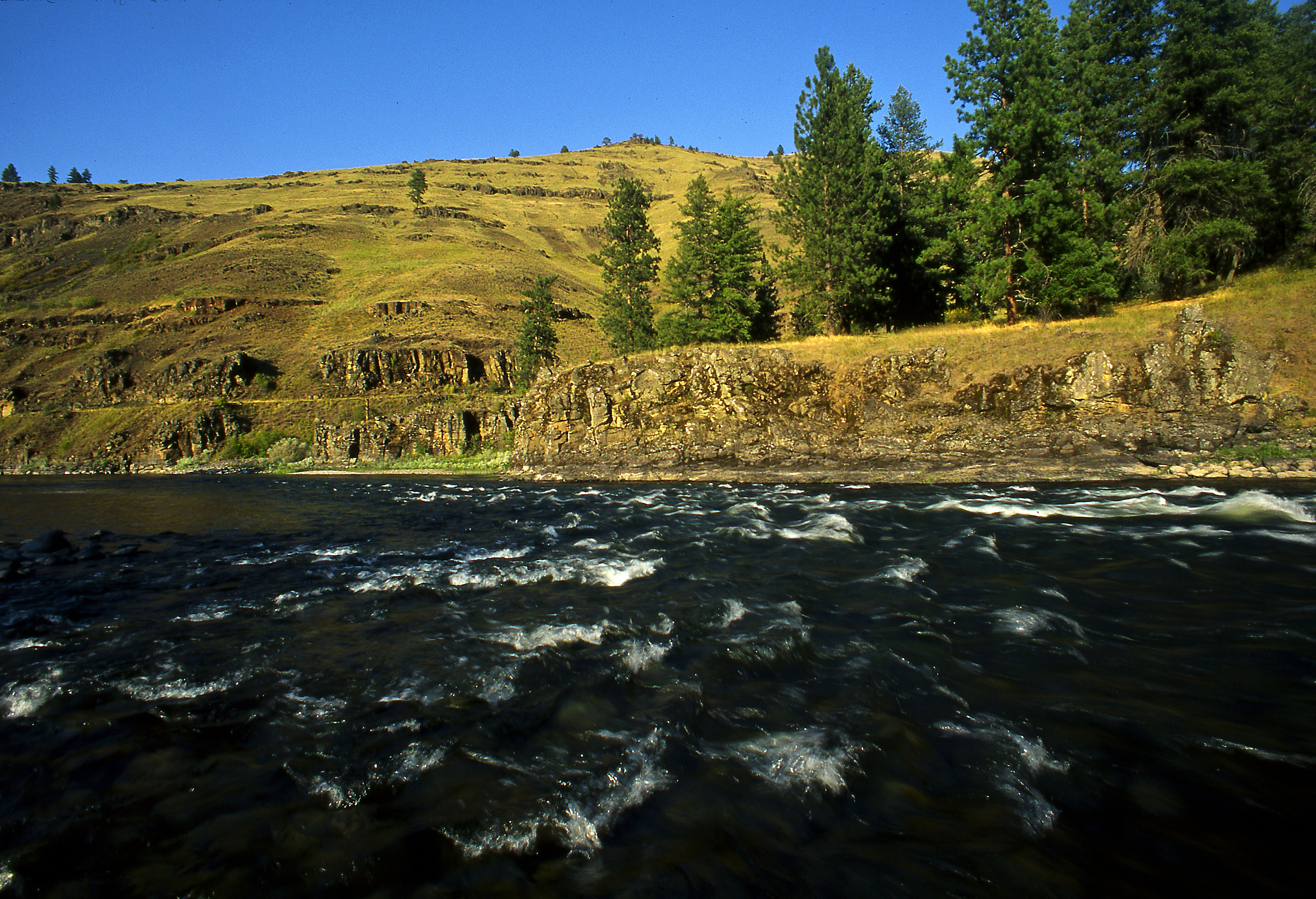
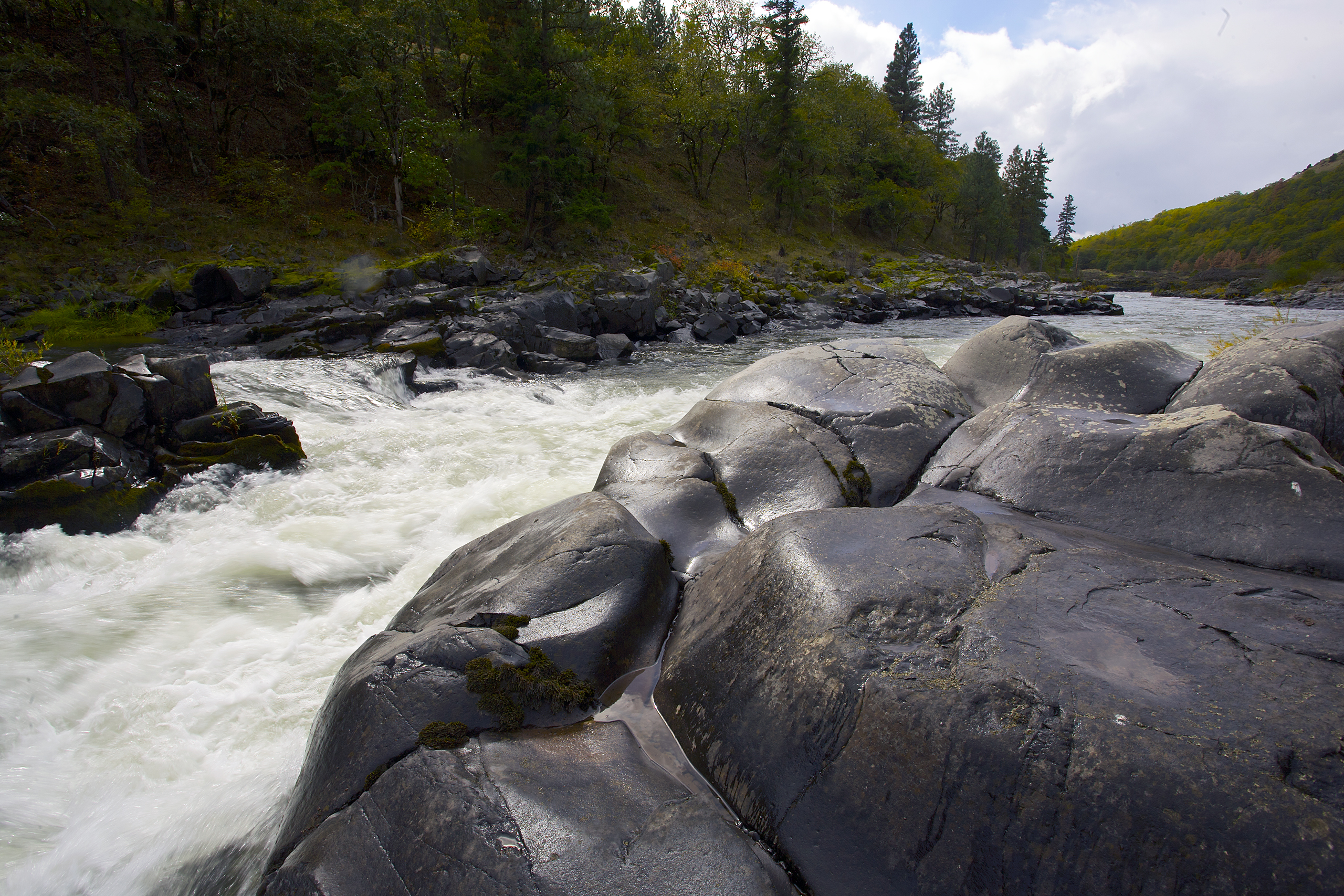
    The Deschutes is a legendary river, famous for its prolific wild summer steelhead run and stunning canyon scenery. Originating in Central Oregon and flowing north to the Columbia, the lower 100 miles below Pelton Dam offer some of the most consistent and classic dry-line steelhead fishing anywhere. The river's stable temperatures, thanks to bottom-release dams, ensure excellent angling conditions even during hot summer months. Access is primarily by boat from Maupin down to the Columbia, with many outfitters running multi-day raft trips. There are also walk-in opportunities, particularly around the Warm Springs Reservation boundary and various campgrounds. The prime season for summer steelhead is July through October, with peak action typically in August and September. This river is suitable for intermediate to advanced anglers, though guided trips can accommodate all skill levels. Expect crowded boat ramps and popular camping areas, especially on weekends. Permits are required for camping within the Lower Deschutes Wild and Scenic River corridor, and an Oregon fishing license with a steelhead endorsement is mandatory. The sheer number of fish, the striking arid landscape, and the chance to hook a powerful wild steelhead on a swung fly make the Deschutes a must-do, despite the crowds. **Highlights** * World-class wild summer steelhead fishery. * Consistent dry-line and skagit-style fly fishing opportunities. * Stunning high desert canyon scenery. * Strong, wild fish averaging 4-10 pounds, with larger specimens. * Multi-day float trips offer a unique wilderness experience. **Watch-outs** * Heavy angling pressure, particularly during peak season and weekends. * Limited public bank access in many sections, favoring boat-based fishing. * Required camping permits for overnight floats. * Rattlesnakes and poison oak are common along the banks. * Warm temperatures in summer can make hiking strenuous.

    Research onlyRead the full profile
    No ratings yet
  3. 3
    Grande Ronde River by Oregon/Washington, USA

    Grande Ronde River

    Oregon/Washington, USA

    The Grande Ronde, flowing through the remote Wallowa Mountains of northeast Oregon and into southeast Washington, is a true wilderness steelhead experience. This river boasts both summer and winter steelhead runs, though its fall summer-run fishery is its primary draw. The steep canyon walls, pine forests, and relatively clear water create an incredibly scenic backdrop for chasing chrome. Access can be challenging, with many prime sections requiring a multi-day raft or drift boat trip. Common launch points include Boggan's Oasis in Washington or Troy in Oregon. Roads can be rough, and cellular service is nonexistent in much of the canyon. The prime season is typically September through November for summer steelhead, with winter fish arriving later. This is a river for experienced anglers comfortable with remote conditions, although guided trips can facilitate access. Expect solitude, wildlife (deer, elk, bears), and the challenge of navigating a remote river. Permits are required for overnight trips within the Wild and Scenic River section, and standard fishing licenses for Oregon or Washington apply. The Grande Ronde offers a deep dive into genuine wilderness, rewarding those who put in the effort with hard-fighting, beautiful fish in an unforgettable setting. **Highlights** * Premier wilderness steelhead fishing experience. * Strong runs of wild summer steelhead, often aggressive to swung flies. * Stunning canyon scenery with abundant wildlife. * Opportunities for multi-day float trips. * Low angler pressure in many remote sections. **Watch-outs** * Remote access and challenging road conditions. * Lack of cell service in most of the canyon. * Requires specialized gear and skills for self-guided float trips. * Potential for early snow in the fall or low water conditions in late summer. * Rattlesnakes are present.

    Research onlyRead the full profile
    No ratings yet
  4. 4
    Klickitat River by Washington, USA

    Klickitat River

    Washington, USA

    The Klickitat River, a major tributary to the Columbia, is a gem for both summer and winter steelhead, with its summer run being particularly famous. Flowing out of the Cascade Mountains, it carves a steep canyon before emptying into the Columbia near Lyle. The river's distinctive glacial tint, due to its source near Mt. Adams, can make for challenging visibility but is also part of its charm. The prime summer steelhead season runs from August through October, offering consistent opportunities for anglers to swing flies. Winter steelhead arrive later, typically from December through March. Access is generally good, with numerous public access points, campgrounds, and boat launches along Highway 142. Much of the river is floatable, though wading opportunities exist. The Klickitat caters to a range of skill levels, from those just starting with two-handed rods to seasoned veterans. While not as remote as the Grande Ronde, it still offers a rugged feel. Expect some angler pressure in popular spots, especially on weekends. A Washington State fishing license with a steelhead endorsement is required. The Klickitat provides a reliable and scenic option for pursuing both runs of steelhead, often offering a more accessible wilderness feel than some other canyon rivers. **Highlights** * Reliable runs of both summer and winter steelhead. * Scenic canyon environment with views of Mt. Adams. * Good public access and floating opportunities. * Strong, acrobatic wild steelhead. * Consistent fishing from late summer through fall. **Watch-outs** * Glacial tint can affect water clarity, especially after rain or warm weather. * Can experience significant angler pressure in popular sections. * Road access can be steep and winding in parts. * Potential for high water conditions during winter and spring runoff. * Limited services along the upper river.

    Research onlyRead the full profile
    No ratings yet
  5. 5
    Skeena River System (Bulkley, Babine, Copper) by British Columbia, Canada

    Skeena River System (Bulkley, Babine, Copper)

    British Columbia, Canada

    While a vast system, the Skeena and its major tributaries (Bulkley, Babine, Copper) represent a collective powerhouse for wild steelhead. Located in northern British Columbia, these rivers are renowned for producing some of the largest and most pristine wild steelhead on Earth, with fish regularly pushing into the 20-pound class. This is a destination for the dedicated steelheader, offering a truly wild and remote experience. The prime season for summer-run steelhead is typically late August through October. Access is often through lodges and guided trips, though some public access exists, particularly on the Bulkley and Copper near Terrace and Smithers. Fly-in camps on the Babine offer unparalleled solitude. The fishing is primarily swinging flies with two-handed rods. Expect cold, often wet weather, and true wilderness conditions. This is not a casual trip; it demands commitment, significant travel, and a healthy budget if opting for guided lodge experiences. Conservation efforts are paramount here, with strict regulations to protect these vital wild populations. The sheer size and power of Skeena system steelhead, combined with the epic backdrop of British Columbia's wilderness, make it a bucket-list destination for serious anglers, though one that requires careful planning and a deep appreciation for the remote. **Highlights** * Home to some of the largest wild steelhead in the world. * True wilderness experience with stunning B.C. scenery. * Multiple world-class tributaries (Bulkley, Babine, Copper) to explore. * High potential for solitude in remote sections. * Excellent opportunities for two-handed fly fishing. **Watch-outs** * Significant travel time and expense to reach remote locations. * Often requires booking through lodges or guides for best access. * Limited public access in many prime areas. * Harsh weather conditions (cold, rain, early snow) are common in fall. * Strict regulations and conservation closures are frequently implemented.

    Research onlyRead the full profile
    No ratings yet
  6. 6

    North Umpqua River

    Oregon, USA

    The North Umpqua is an iconic Oregon river, known historically as the 'River of a Thousand Casts' due to its challenging yet rewarding nature. This river is famous for its wild summer steelhead and its fly-only regulations in many sections, making it a purist's paradise. Flowing out of the Cascade Mountains, the North Umpqua's clear, cold water tumbles over boulders and through deep pools, offering classic swing water. The prime season is July through October, with peak fishing in late August and September. Access is primarily by wading from public pull-offs and campgrounds along Highway 138 (North Umpqua Highway), which parallels much of the fishable water. This river demands precise casting, stealth, and a willingness to work for every fish. It's not a numbers game; it's about the quality of the experience and the beauty of the fish. Anglers often fish long, light lines or traditional spey outfits. Expect some angler pressure in popular pools, especially on weekends, but the river's length allows for solitude if you're willing to hike. An Oregon fishing license with a steelhead endorsement is required. While challenging, landing a wild North Umpqua steelhead is a rite of passage for many, a testament to the river's enduring allure and its magnificent fish. **Highlights** * Legendary wild summer steelhead fishery. * Extensive fly-only regulations in prime sections. * Clear, cold water and classic swing pools. * Beautiful old-growth forest scenery. * Iconic angling experience, a true purist's river. **Watch-outs** * Extremely challenging fishing; not for beginners. * Low fish numbers compared to some other rivers. * Requires long casts and precise presentation. * Can experience high angler pressure in accessible areas. * Wading can be technical and slippery.

    Research onlyRead the full profile
    No ratings yet
  7. 7

    Clearwater River

    Idaho, USA

    Idaho's Clearwater River, particularly its Middle and South Forks, offers a truly unique inland steelhead experience. Renowned for its large, powerful A-run and B-run (larger, later-migrating) steelhead, the Clearwater provides a stark contrast to the coastal rivers, flowing through arid canyons and pine forests. The main stem is fishable, but the true gems are the forks, offering more solitude and a wilder feel. The prime season for these summer-run fish is typically October through March, with winter bringing some of the largest fish. Access to the main stem is good, with numerous boat launches and public access points around Orofino and Lenore. The Middle Fork and South Fork require more effort, often involving jet boat trips or dedicated hiking. This river system can accommodate various skill levels, but a guide is highly recommended for newcomers, especially on the forks. Expect diverse fishing conditions, from swinging flies in faster runs to nymphing deeper pools. While not as remote as some BC rivers, the Idaho wilderness still provides a rugged backdrop. An Idaho fishing license with a steelhead permit is required. The Clearwater is a powerhouse river, delivering hard-fighting fish and a distinct high-desert-to-mountain-forest experience, making it a compelling destination for those seeking powerful inland steelhead. **Highlights** * Known for exceptionally large and powerful A-run and B-run steelhead. * Diverse fishing opportunities (swinging, nymphing) across different sections. * Long season, from fall into late winter/early spring. * Stunning canyon and mountain forest scenery. * Opportunities for both boat and wade fishing. **Watch-outs** * Can be very cold during peak winter season. * High water flows can make wading difficult and dangerous. * Main stem can experience significant angler pressure. * Access to the Middle and South Forks can be challenging without a jet boat. * Limited services in remote sections of the forks.

    Research onlyRead the full profile
    No ratings yet
  8. 8

    Skagit River

    Washington, USA

    The Skagit River in northwest Washington is one of the state's largest and most iconic rivers, flowing from the North Cascades to Puget Sound. Historically, it was a world-class wild steelhead river, and while runs have faced challenges, it remains a significant destination, particularly for winter steelhead. The sheer size and power of the Skagit make it a formidable river to fish, often requiring boat access, though some excellent wade-fishing opportunities exist around Rockport and Marblemount. The prime winter steelhead season is from December through March. The river offers a mix of classic swing water, deep pools, and riffles. Expect variable water conditions, from clear flows to glacial turbidity after heavy rains or warm spells. Access is generally good along Highway 20, but the size of the river means finding fish can be like finding a needle in a haystack without local knowledge. This river is best suited for experienced anglers comfortable with powerful currents and large water, though guides can help navigate its complexities. A Washington State fishing license with a steelhead endorsement is required. While not as prolific as in its past, the Skagit still offers the chance to intercept a genuine chrome bright wild winter steelhead in a truly grand Pacific Northwest setting, a testament to its enduring potential. **Highlights** * Iconic large river system with impressive scenery. * Strong wild winter steelhead genetics. * Good boat and some wade access. * Opportunities for big, powerful fish. * Diverse holding water types. **Watch-outs** * Challenging large river environment; powerful currents. * Wild steelhead runs have faced significant declines, making fishing tougher. * Can experience high turbidity after heavy rains. * Requires significant effort and often a boat for best access. * Subject to frequent regulations changes and closures.

    Research onlyRead the full profile
    No ratings yet
  9. 9

    Cowlitz River

    Washington, USA

    The Cowlitz River, flowing through southwest Washington before joining the Columbia, is often called 'The Salmon and Steelhead Factory' due to its large hatchery program. While our focus is typically wild fish, the Cowlitz offers consistent and accessible opportunities for both hatchery and occasional wild winter steelhead, making it an excellent option for anglers looking for a high probability of action. The river is relatively large and flows through a mix of urban and rural landscapes. Its stable flows, regulated by dams, provide consistent fishing conditions. The prime winter steelhead season runs from November through April, with peak activity often in January and February. Access is excellent, with numerous boat launches and extensive public bank access points, especially around Barrier Dam and Blue Creek. This is a very popular river, suitable for all skill levels, with bait, gear, and fly anglers sharing the water. Expect significant angler pressure, particularly on weekends and during peak runs. A Washington State fishing license with a steelhead endorsement is required. For those new to steelhead fishing or looking for more consistent action before tackling wilder rivers, the Cowlitz provides a valuable and accessible proving ground, offering a solid chance at a steelhead encounter in a more user-friendly environment. **Highlights** * Very accessible with extensive public access and boat launches. * High numbers of hatchery winter steelhead, offering consistent action. * Opportunities for both boat and bank fishing. * Diverse fishing methods are effective (fly, gear, bait). * Stable flows due to dam regulation. **Watch-outs** * Very high angler pressure, can be crowded. * Predominantly hatchery fish; wild fish encounters are less common. * Less of a wilderness experience compared to other rivers. * Potential for snagging due to crowds. * Requires careful attention to selective fishing regulations for wild vs. hatchery fish.

    Research onlyRead the full profile
    No ratings yet
  10. 10

    Sauk River

    Washington, USA

    The Sauk River, a major tributary to the Skagit, is a wild and scenic river flowing from the North Cascades. While it shares some of the Skagit's challenges regarding fish returns, it offers a more intimate and often less pressured winter steelhead experience when conditions are right. The Sauk is characterized by its powerful currents, large boulder gardens, and stunning mountain backdrop. The prime winter steelhead season is from December through March, though fish numbers can be sporadic. Access is primarily by wading from public access points along the Mountain Loop Highway, or via drift boat, though many sections are very technical to float. This is a river for the experienced and dedicated angler who appreciates a true wilderness setting and the challenge of finding powerful, wild fish. Water levels are highly dependent on rainfall and snowmelt, and the river can be unfishable due to high, turbid water after storms. Expect cold, wet weather and a genuine sense of solitude in many sections. A Washington State fishing license with a steelhead endorsement is required. While not a numbers fishery, the Sauk offers a profoundly rewarding experience for those seeking a true wild winter steelhead in a spectacular, rugged environment, often with fewer anglers than its larger counterparts. **Highlights** * Stunning North Cascades wilderness scenery. * Opportunities for wild winter steelhead. * More intimate river experience than the main Skagit. * Potential for solitude in many sections. * Strong, wild fish when encountered. **Watch-outs** * Highly dependent on water conditions; can be unfishable during high flows. * Wild steelhead runs are struggling, making fishing very challenging. * Technical wading and floating in many sections. * Limited services along the river corridor. * Cold, wet winter weather is a constant factor.

    Research onlyRead the full profile
    No ratings yet
Bottom line

For the purist chasing wild winter fish in a rainforest setting, the Olympic Peninsula rivers like the Hoh and Sol Duc are unmatched. Summer steelheaders looking for classic dry-line action should head to the Deschutes or the Grand Ronde. If you're after a true wilderness experience and don't mind working for it, the Grande Ronde and Clearwater are top-tier. Anglers seeking variety and accessibility will find it on the Skagit or the Cowlitz. Every river here presents a unique challenge and reward, but all offer the chance to connect with one of the most iconic sport fish in North America.

Next list
WY Mule Deer Backpacking Units
Read next

Get The Field List

One short, honest email a week: gear we actually trust, planning guides, and survival-TV coverage. Free, unsubscribe anytime.

Free forever. No spam, unsubscribe in one click.