Skip to content
A view of a mule diving from a 30-foot platform into an 8-foot tank of water. The show belonged to Hall & Christ Showtime and was billed as Jonny Rivers' diving mules. The act

Top 10 · Places

Top 10 High-Country Mule Deer Backpacking Units in Wyoming

For those willing to earn it, these Wyoming wilderness units offer solitude and the chance at a mature mule deer buck deep in the backcountry, far from road hunters.

All lists

Wyoming is renowned for its mule deer, and while many units offer good hunting, finding truly mature bucks often means leaving the roads and the crowds behind. This list focuses specifically on units that demand a multi-day pack-in effort, targeting those high-country wilderness zones where big deer thrive away from constant human pressure. We're talking about areas requiring significant physical exertion, navigational skills, and the ability to operate self-sufficiently for extended periods. Our selections prioritize units known for their challenging terrain, a history of producing quality bucks, and the opportunity for a genuine wilderness experience. We've tapped into decades of combined experience, consulting with seasoned outfitters, wildlife biologists, and successful DIY hunters who know these mountains intimately. The common thread among these units is the need for endurance, strategic scouting, and the capacity to pack out a heavy load over rugged ground. This isn't a list for the faint of heart or the road warrior. These are places for hunters who embrace the grind, who understand that the reward isn't just a trophy, but the entire journey into some of Wyoming's most spectacular and demanding landscapes. Expect thin air, unpredictable weather, and the hard-won satisfaction of pursuing mule deer on their own terms, deep in their mountain sanctuaries.

Best of the Best · Head to Head

Thorofare Wilderness (Units 100/101) vs Cloud Peak Wilderness (Units 39/40)

#1 vs #2 — side-by-side specs, pros & cons, and the final verdict.

Topic summary

For those willing to earn it, these Wyoming wilderness units offer solitude and the chance at a mature mule deer buck deep in the backcountry, far from road hunters.

Key takeaways

  • #1 Thorofare Wilderness (Units 100/101) — Shoshone National Forest, Wyoming, USA
  • #2 Cloud Peak Wilderness (Units 39/40) — Bighorn National Forest, Wyoming, USA
  • #3 Absaroka Wilderness (Units 102/105) — Shoshone National Forest, Wyoming, USA
  • #4 Gros Ventre Wilderness (Units 147/148) — Bridger-Teton National Forest, Wyoming, USA
  • #5 Popo Agie Wilderness (Units 90/92) — Shoshone National Forest, Wyoming, USA
  • #6 Washakie Wilderness (Units 99/101) — Shoshone National Forest, Wyoming, USA

Intended uses

Places

Verification notes

Editorial ranked list, 10 entries. Evidence mix — 10 research only. Buy links open the maker or a retailer search.

Rank this list

Loading community ratings… Ratings re-order the picks — they never change which products make the list.

Sign in to add your own ratings — it's free.

  1. 1
    Thorofare Wilderness (Units 100/101) by Shoshone National Forest, Wyoming, USA

    Thorofare Wilderness (Units 100/101)

    Shoshone National Forest, Wyoming, USA

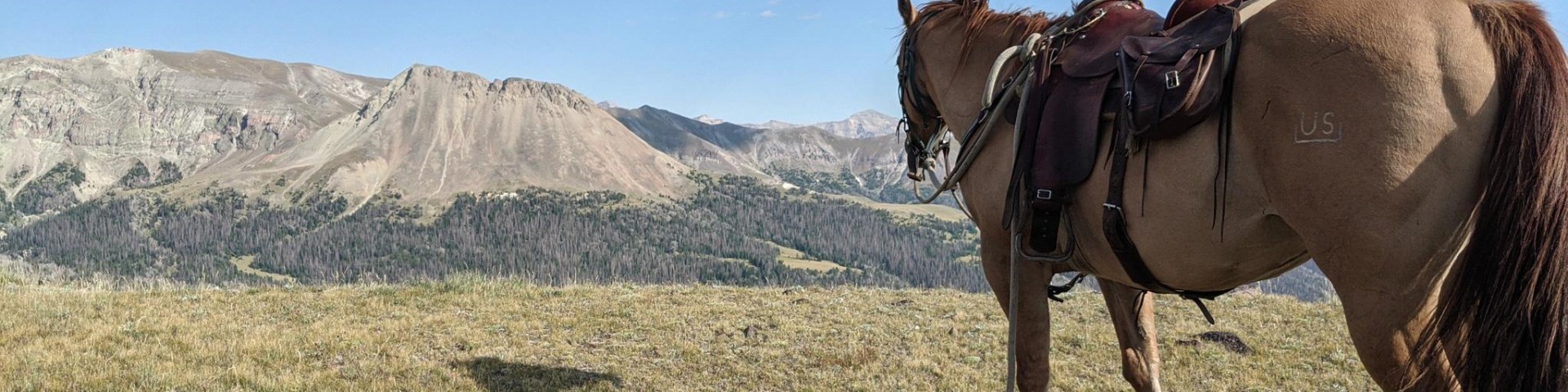
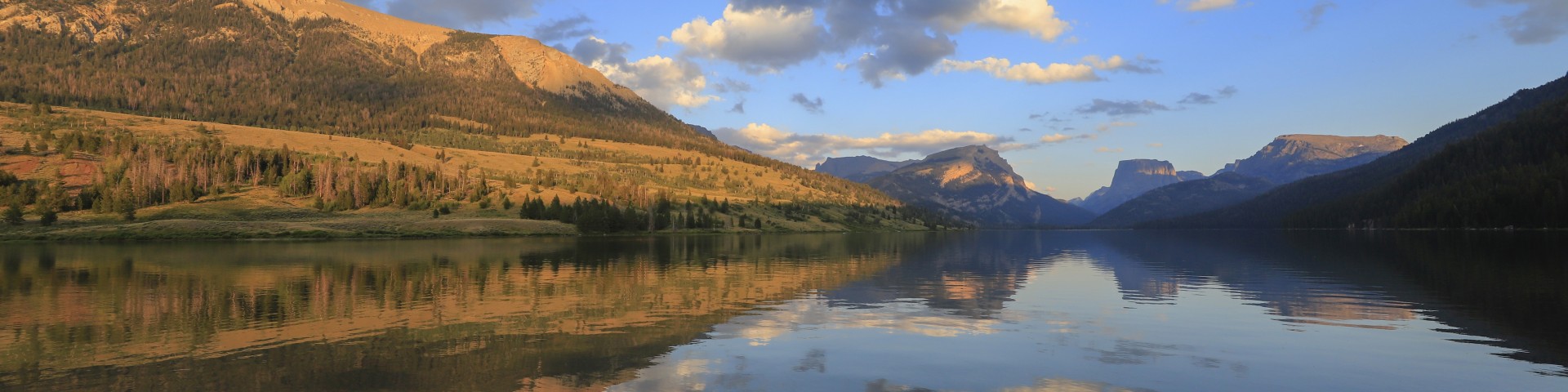
    The Thorofare is the epitome of Wyoming's high-country mule deer hunting. Nestled between Grand Teton and Yellowstone National Parks, this vast, remote wilderness requires a multi-day pack-in to even reach its fringes. The setting is classic Greater Yellowstone ecosystem: sprawling meadows, timbered ridges, and alpine basins, all cut by the Yellowstone River and its tributaries. What makes it special is its sheer size and remoteness; pressure from road hunters is non-existent. Access is primarily from the east via Dubois or Cody, requiring a lengthy horse pack-in or a serious backpacking trip over numerous passes. Ideal season is the late archery or early rifle season before heavy snows, typically late September through early October. This is for experienced backpack hunters with excellent physical conditioning and advanced navigation skills. Permits are standard Wyoming deer tags, but wilderness permits may be required for camping in certain areas, which are generally free but must be acquired. Trade-offs include extreme weather variability, long packing distances, and significant grizzly bear encounters. Being self-sufficient and carrying bear spray is non-negotiable. **Highlights** * Vast, roadless wilderness with minimal hunting pressure * Potential for mature, old-growth bucks * Spectacular scenery, often compared to the Tetons or Yellowstone's interior * Excellent opportunities for combined elk and deer hunts * Experience true solitude in the Lower 48's most remote wilderness **Watch-outs** * Extreme remoteness and multi-day pack-in/pack-out * High density of grizzly bears, requiring constant vigilance * Unpredictable and severe mountain weather, even in early fall * Demanding physical exertion and navigation skills required * Limited cell service and no easy bail-out points

    Research onlyRead the full profile
    No ratings yet
  2. 2
    Cloud Peak Wilderness (Units 39/40) by Bighorn National Forest, Wyoming, USA

    Cloud Peak Wilderness (Units 39/40)

    Bighorn National Forest, Wyoming, USA

    The Cloud Peak Wilderness, situated in the heart of the Bighorn Mountains, offers rugged, high-alpine hunting for mature mule deer. It's a land of granite peaks, glacial lakes, and dense timber, with expansive open basins above timberline. The Bighorns are often overlooked for mule deer compared to western Wyoming ranges, but the Cloud Peak Wilderness holds some impressive bucks for those willing to climb. Access points are numerous around the perimeter of the Bighorns, with trailheads originating near Buffalo, Sheridan, or Ten Sleep. A pack-in of 5-10 miles is typical to reach the prime deer country. Late archery and early rifle seasons (mid-September to early October) are ideal, coinciding with crisp, cool weather before heavy snows. This hunt demands good physical fitness, particularly for traversing steep, rocky terrain at elevations often exceeding 9,000-11,000 feet. Permits are standard Wyoming deer tags; wilderness camping permits are generally self-issue at trailheads or not required. Trade-offs include rapid weather changes, potential for early-season snow, and crowded trailheads on weekends, though the backcountry disperses hunters well. **Highlights** * Stunning alpine scenery with abundant lakes and dramatic peaks * Good numbers of quality bucks, especially in less accessible basins * Varied terrain from timbered slopes to open, rocky tundra * Relatively shorter pack-ins compared to Thorofare, but equally steep * Opportunities for high-elevation glassing for trophy animals **Watch-outs** * Steep, demanding climbs at high elevations * Sudden and severe weather shifts, including early snowstorms * Grizzly bears are present, though less common than in western WY * Limited water sources in some of the highest, exposed areas * Trailhead parking can fill up on popular weekends

    Research onlyRead the full profile
    No ratings yet
  3. 3
    Absaroka Wilderness (Units 102/105) by Shoshone National Forest, Wyoming, USA

    Absaroka Wilderness (Units 102/105)

    Shoshone National Forest, Wyoming, USA

    Adjacent to Yellowstone National Park, the Absaroka Wilderness is a land of volcanic plateaus, jagged peaks, and deep canyons. This is classic Absaroka country, characterized by its unique geology, high elevations, and vast, unspoiled tracts of forest and alpine meadows. What makes it special for mule deer is the sheer amount of undisturbed habitat and the limited access, which allows bucks to grow old. Access is challenging, typically from trailheads west of Cody or Dubois, often requiring an overnight pack-in or longer to reach prime hunting grounds. The best season is late September to early October, when bucks are often beginning to stage for the rut. This is a demanding hunt requiring excellent physical conditioning, wilderness navigation skills, and the ability to operate in grizzly country. Standard Wyoming deer tags are needed, and wilderness permits may be required depending on the specific area within the forest. Trade-offs include incredibly rugged terrain, significant grizzly bear activity, and unpredictable weather that can dump heavy snow at any time. Rivers can also be difficult to cross after heavy rains or snowmelt. **Highlights** * Unique volcanic geology and dramatic, rugged landscape * High potential for encountering mature, unpressured bucks * Excellent opportunities for remote, multi-day wilderness experiences * High chance of seeing other iconic wildlife, including grizzlies and elk * Solitude is almost guaranteed once you get a few miles in **Watch-outs** * Extremely rugged and steep terrain, making travel difficult * High concentration of grizzly bears and other large predators * Severe and sudden weather changes, including blizzards * Difficult river crossings can become impassable * Requires extensive planning and self-sufficiency

    Research onlyRead the full profile
    No ratings yet
  4. 4
    Gros Ventre Wilderness (Units 147/148) by Bridger-Teton National Forest, Wyoming, USA

    Gros Ventre Wilderness (Units 147/148)

    Bridger-Teton National Forest, Wyoming, USA

    The Gros Ventre Wilderness, located southeast of Jackson Hole, offers a magnificent blend of towering peaks, lush river valleys, and extensive timbered slopes. It's a less-traveled gem compared to its Teton neighbors, providing a true backcountry mule deer experience. The area is known for its resident deer herds and the potential for migrating bucks moving through during the later seasons. Access is typically from trailheads off the Gros Ventre Road, east of Jackson. Expect pack-ins ranging from 3 to 10 miles to reach quality hunting areas. The late archery season (September) and early rifle season (October) are prime, though late-season snow can push deer into specific winter ranges. This is a hunt for fit, experienced backpackers comfortable with high elevations and potential snow. Standard Wyoming deer tags are required, and wilderness camping permits are generally not required but check local forest service guidelines. Trade-offs include the occasional grizzly bear, deep snow in higher elevations during later hunts, and navigating dense timber. Some areas have limited visibility due to thick canopy. **Highlights** * Stunning, classic Rocky Mountain scenery with abundant wildlife * Good populations of resident mule deer, with potential for migrating bucks * Accessible from Jackson Hole, but quickly offers wilderness solitude * Diverse terrain from open parks to steep, timbered ridges * Opportunities for both spot-and-stalk and still-hunting tactics **Watch-outs** * Presence of grizzly bears, particularly in creek bottoms * Deep snow can develop rapidly, impacting travel and deer movement * Navigating thick timber can be challenging for glassing * Steep, often loose, terrain in many areas * Some drainages see more horse packer traffic

    Research onlyRead the full profile
    No ratings yet
  5. 5

    Popo Agie Wilderness (Units 90/92)

    Shoshone National Forest, Wyoming, USA

    The Popo Agie Wilderness, part of the Wind River Range, is defined by its dramatic granite peaks, high-alpine lakes, and subalpine forests. This is a rugged, scenic wilderness that provides excellent habitat for mule deer willing to climb. The 'Popo Agie' is named after a Crow Indian phrase meaning 'start of the waters,' referencing the headwaters of the Popo Agie River. What makes it special is its remoteness from easy road access and the challenging terrain that keeps many hunters out. Access is primarily from trailheads west of Lander, with pack-ins of 5-15 miles needed to reach productive areas. The ideal season is late September through early October, before significant snows close off high passes. This hunt demands strong physical fitness, navigational expertise, and the ability to deal with high-altitude conditions. Standard Wyoming deer tags are required; wilderness permits are generally self-issued at trailheads. Trade-offs include the physical demands of high-altitude hunting, rapidly changing weather, and the presence of grizzly bears, though fewer than in the Absarokas or Thorofare. The sheer number of lakes can also make route-finding complicated. **Highlights** * Spectacular high-alpine scenery with numerous lakes and granite peaks * Excellent opportunities for spotting and stalking mule deer above timberline * Significant challenge for hunters seeking a true wilderness experience * Potential for combining a deer hunt with fishing in pristine alpine lakes * Fewer hunters willing to penetrate the deepest sections **Watch-outs** * Very high elevations, requiring acclimatization and good fitness * Abrupt and severe weather shifts, including early blizzards * Presence of grizzly bears in some areas, especially lower elevations * Route-finding can be complex due to varied terrain and numerous lakes * Long pack-in distances over difficult terrain

    Research onlyRead the full profile
    No ratings yet
  6. 6

    Washakie Wilderness (Units 99/101)

    Shoshone National Forest, Wyoming, USA

    The Washakie Wilderness forms the eastern flank of the Continental Divide in the southern Absaroka Range, directly south of the Thorofare. It's a wild, untamed landscape of high plateaus, deep river valleys, and dense conifer forests, offering immense solitude. What makes it special is its isolation; it's one of the largest roadless areas in the Lower 48, meaning any buck taken here is truly earned. Access is primarily from trailheads near Dubois or through the East Fork drainage, requiring significant pack-in efforts, often 10-20 miles. Best hunting is typically late September to mid-October, taking advantage of crisp fall weather and early deer movements. This unit is for the extremely self-reliant, experienced backpacker who is comfortable navigating remote, rugged terrain. Standard Wyoming deer tags are needed; wilderness permits may be required depending on your exact entry point. Trade-offs include extreme remoteness, significant grizzly bear presence, and highly unpredictable weather that can quickly turn a pleasant day into a survival situation. River crossings can also be formidable. **Highlights** * One of the largest contiguous wilderness areas in the US * Excellent potential for finding unpressured, mature mule deer bucks * True wilderness experience with immense solitude * Abundant wildlife, including elk, moose, and sheep * Challenging but rewarding terrain for experienced adventurers **Watch-outs** * Extreme remoteness and multi-day pack-in/pack-out logistics * High density of grizzly bears, requiring vigilant bear awareness * Severe, rapidly changing mountain weather conditions * Difficult river crossings, especially during high water * Lack of easy exit points in case of emergency

    Research onlyRead the full profile
    No ratings yet
  7. 7

    Teton Wilderness (Units 99/100)

    Bridger-Teton National Forest, Wyoming, USA

    The Teton Wilderness lies immediately south of Yellowstone National Park and east of Grand Teton National Park, a vast expanse of rolling timbered hills, high meadows, and broad river valleys. While not as dramatically alpine as some other wilderness areas, its sheer size and strategic location make it a prime mule deer haven, particularly for migratory bucks. Access is typically from trailheads originating near Turpin Meadow or from the Buffalo Fork drainage, requiring significant pack-in distances, often 8-15 miles, or longer for the interior. The ideal season is late archery or early rifle, usually late September into early October, when bucks are beginning to move or have settled into their fall ranges. This hunt is for physically fit individuals comfortable with navigating large, forested areas and dealing with significant grizzly bear activity. Standard Wyoming deer tags are required; wilderness permits are generally self-issued at trailheads. Trade-offs include the dense timber which can make glassing challenging, widespread grizzly presence, and the potential for heavy snows, particularly in October, which can make egress difficult. **Highlights** * Vast, relatively untrammeled wilderness, offering extensive habitat * Critical migratory corridor for mule deer and other ungulates * Good potential for finding older, more reclusive bucks * Excellent opportunities for multi-day, deep backcountry hunting * Less steep than other wilderness areas, allowing for more cover-based hunting **Watch-outs** * High density of grizzly bears; constant vigilance and bear spray essential * Dense timber can limit visibility and make travel challenging * Potential for deep snow in later seasons, impacting travel and deer location * Navigation in large, uniform timbered areas can be tricky * Long pack-in distances mean significant logistical planning

    Research onlyRead the full profile
    No ratings yet
  8. 8

    Fitzpatrick Wilderness (Unit 90)

    Shoshone National Forest, Wyoming, USA

    The Fitzpatrick Wilderness is located in the northern Wind River Range, directly east of Grand Teton National Park, and encompasses some of Wyoming's most glaciated peaks. This is a truly high-altitude environment, featuring rugged granite, vast snowfields, and numerous alpine lakes. What makes it special for mule deer is the extremely challenging terrain that funnels deer into specific basins and keeps human pressure low. Access points are limited, primarily from the Torrey Creek and Trail Lakes trailheads near Dubois, requiring a significant pack-in, often 7-15 miles, over steep passes. The ideal season is early archery or the first week of rifle season (September into early October) before heavy snows make higher elevations inaccessible. This is a hunt for expert mountaineering-style backpack hunters with top-tier fitness and navigation skills. Standard Wyoming deer tags are required, and wilderness permits are generally self-issued. Trade-offs include extreme physical demands at high elevations, significant exposure to weather, and the presence of grizzly bears. Expect to be above 10,000 feet for much of the hunt. **Highlights** * Extreme high-alpine hunting in a stunning glacial landscape * Opportunity for truly isolated hunting above timberline * Potential for spotting and stalking bucks in open, rocky terrain * Exceptional solitude due to challenging access and terrain * Iconic views of the Wind River Range's highest peaks **Watch-outs** * Extreme high altitude and demanding physical exertion * Significant exposure to severe, unpredictable mountain weather * Grizzly bear presence, especially in lower river bottoms * Steep, rocky, and potentially dangerous terrain; route-finding critical * Very limited access points and difficult bail-out options

    Research onlyRead the full profile
    No ratings yet
  9. 9

    North Absaroka Wilderness (Units 105/106)

    Shoshone National Forest, Wyoming, USA

    The North Absaroka Wilderness, stretching north from Cody towards the Montana border, is a rugged and remote expanse of volcanic plateaus, deep canyons, and high ridges. Its character is defined by the Absaroka Mountains' unique geology and the wildness born from its limited human presence. What makes it special for mule deer is the vast, untouched habitat where deer can seek refuge from pressure. Access is difficult, typically from trailheads northwest of Cody, requiring multi-day pack-ins of 8-20 miles to reach productive high country. The ideal season is late September through early October. This is a hunt for very experienced backpackers with excellent navigation skills and the physical endurance to tackle truly wild country. Standard Wyoming deer tags are required, and wilderness permits may be necessary for some trailheads. Trade-offs include severe and sudden weather changes, extensive grizzly bear activity, and challenging navigation through broken terrain and dense timber. This area can feel truly vast and isolating. **Highlights** * Vast, remote wilderness with minimal human impact * Potential for encountering mature, unpressured mule deer * Dramatic volcanic landscapes and unique geological features * Excellent opportunities for extended, self-supported expeditions * High chance of solitude and true wilderness immersion **Watch-outs** * Extreme remoteness and multi-day pack-in requirements * Significant grizzly bear population and heightened awareness needed * Severe and unpredictable mountain weather, including early snows * Rugged, broken terrain and dense timber can make travel slow * Limited cell service and no quick access to resources

    Research onlyRead the full profile
    No ratings yet
  10. 10

    Plateau Creek Wilderness Study Area (Units 71/72)

    BLM/Shoshone National Forest, Wyoming, USA

    While technically a Wilderness Study Area (WSA) and not a full wilderness, Plateau Creek offers a genuine backcountry mule deer hunt in the remote west-central part of Wyoming. This area, west of Dubois, features a mix of sagebrush plateaus, timbered ridges, and rugged drainages. What makes it special is the relatively low hunting pressure and the resident deer herds that find refuge in the broken topography. Access is typically from primitive roads off Highway 26/287, requiring 3-7 mile pack-ins from the end of vehicle travel. Ideal season is the late archery or early rifle season (late September to mid-October), when bucks are often feeding in open areas before the rut. This hunt is suitable for experienced backpackers who are comfortable with off-trail travel and navigating diverse terrain. Standard Wyoming deer tags are required; no special wilderness permits are needed for WSA areas beyond standard BLM regulations. Trade-offs include the potential for limited water sources in higher, drier sections, some grizzly bear presence, and challenging navigation in areas without established trails. It's less 'alpine' than other entries, but equally demanding in its own way. **Highlights** * Less-traveled area offering genuine backcountry experience * Good numbers of resident mule deer, with potential for quality bucks * Diverse terrain from sagebrush flats to timbered canyons * Opportunities for spot-and-stalk hunting in open country * Lower hunter density compared to more popular roaded units **Watch-outs** * Limited water availability in some areas, requiring careful planning * Grizzly bear presence, though less dense than true wilderness to the north * Few established trails, requiring proficient off-trail navigation * Exposure to sun and wind on open plateaus * Vehicle access can be limited by muddy or snow-covered primitive roads

    Research onlyRead the full profile
    No ratings yet
Bottom line

Wyoming's high-country mule deer opportunities are real, but they demand respect and preparation. Units like the Thorofare and Cloud Peak Wilderness offer unparalleled solitude and big buck potential for the truly dedicated. If you're a seasoned backpacker and hunter, these units should be on your radar. Beginners should consider less demanding regions first, or hire an experienced outfitter who knows these remote areas inside out. Success here is measured not just in antlers, but in the unforgettable experience of chasing deer in truly wild places.

Next list
Backpacking Sleeping Pads
Read next

Get The Field List

One short, honest email a week: gear we actually trust, planning guides, and survival-TV coverage. Free, unsubscribe anytime.

Free forever. No spam, unsubscribe in one click.